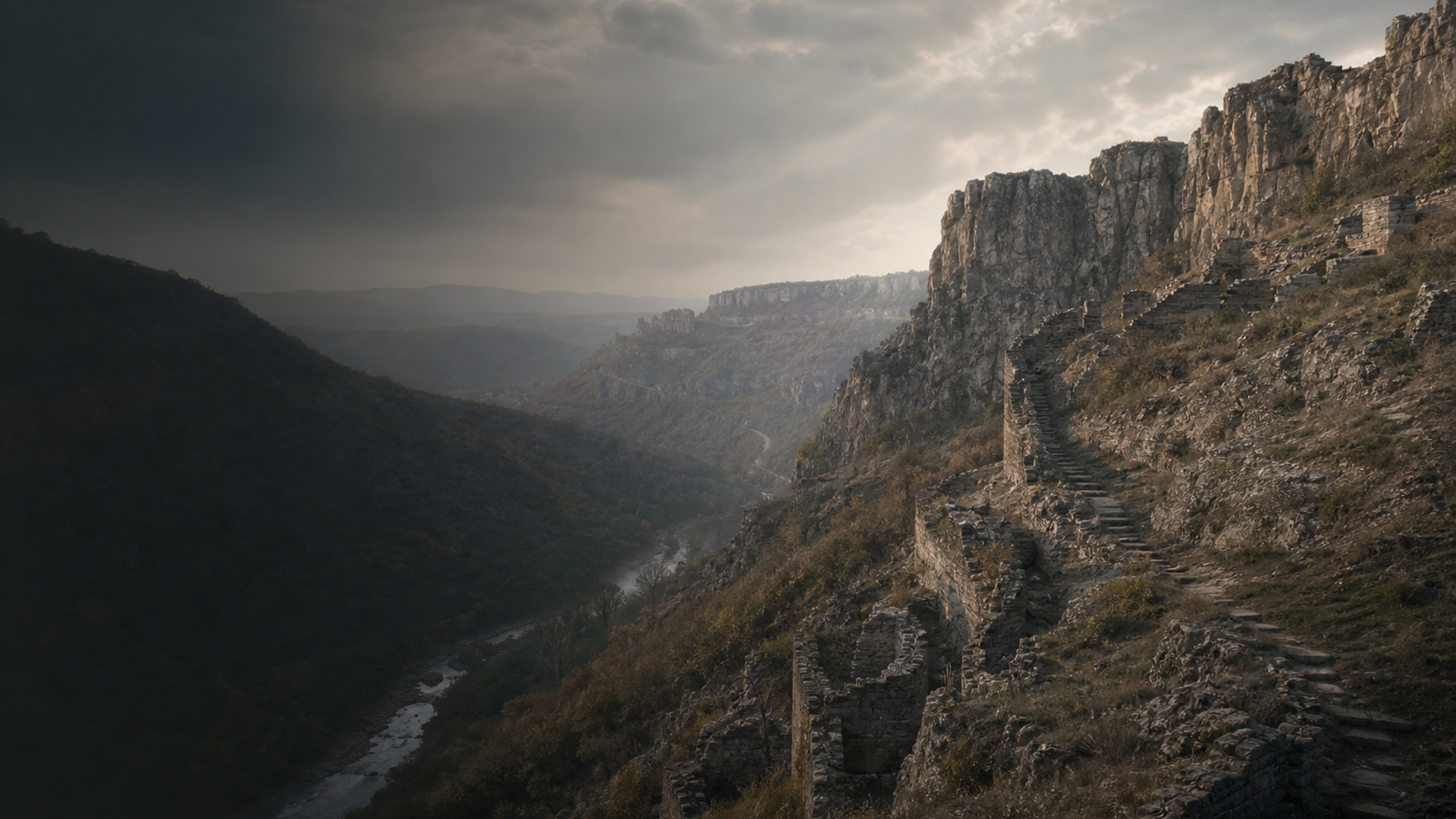
Archaeological strata at Ryahovets and surrounding settlements evoke a daily world of stone ramparts, timber-and-earth architecture, workshops, and parish cemeteries. Material culture from similar Veliko Tarnovo–area assemblages includes imported ceramics, metalwork, and evidence for textile production, reflecting trade links with Byzantine and Balkan markets. Archaeological data indicates that fortresses like Ryahovets functioned as both military nodes and local economic centers where peasants, artisans, and administrators intersected.
Burial customs in the region vary, but cemetery deposits often contain simple inhumations with modest grave goods, reflecting Christian funerary practices that became dominant after the 9th-century Christianization of Bulgaria. The three sampled individuals likely belonged to local household groups tied to agricultural cycles, craft production, and the seasonal rhythms of trade and pilgrimage. Yet, because direct archaeological descriptions for these exact burials are limited in the present dataset, reconstructions of social status and daily routines must be presented as hypotheses supported by regional parallels rather than firm conclusions.