דילוג לתוכן הראשי
תיקי DNA

Shadows of the Gravette: France's Early Hunters

Three Upper Paleolithic individuals tie stone-tool horizons to fragile genetic echoes.

31822 CE - 25490 BCE
France (Fournol, La Rochette, Ormesson)

הסיפור

Three Gravettian-era individuals (c. 31,822–25,490 BCE) from Fournol, La Rochette and Ormesson shed light on life in Ice Age France. Archaeology and DNA together hint at deep Eurasian lineages, but low sample numbers make conclusions preliminary.

Time Period

31822–25490 BCE

Region

France (Fournol, La Rochette, Ormesson)

Common Y-DNA

V20 (1 sample; preliminary)

Common mtDNA

M (1), U5 (1) — limited sampling

ציר הזמן

30000 BCE

Gravettian occupation in southwest France (approx.)

Archaeological layers at Fournol, La Rochette and Ormesson date to the Gravettian, reflecting mobile hunting camps and characteristic bladelet technology.

Origins & Emergence

In the cold sweep of the Upper Paleolithic, the Gravettian technical and social package spread across much of Europe. In southwestern France, archaeological deposits at Fournol (Occitanie, Lot Department), La Rochette (Nouvelle-Aquitaine, Dordogne, Sarlat-la-Canéda) and the Ormesson (Les Bossats) locality contain stone-tool types—small backed bladelets and characteristic Gravette points—alongside hearths and osseous tools that anchor human presence between roughly 31,822 and 25,490 calibrated BCE.

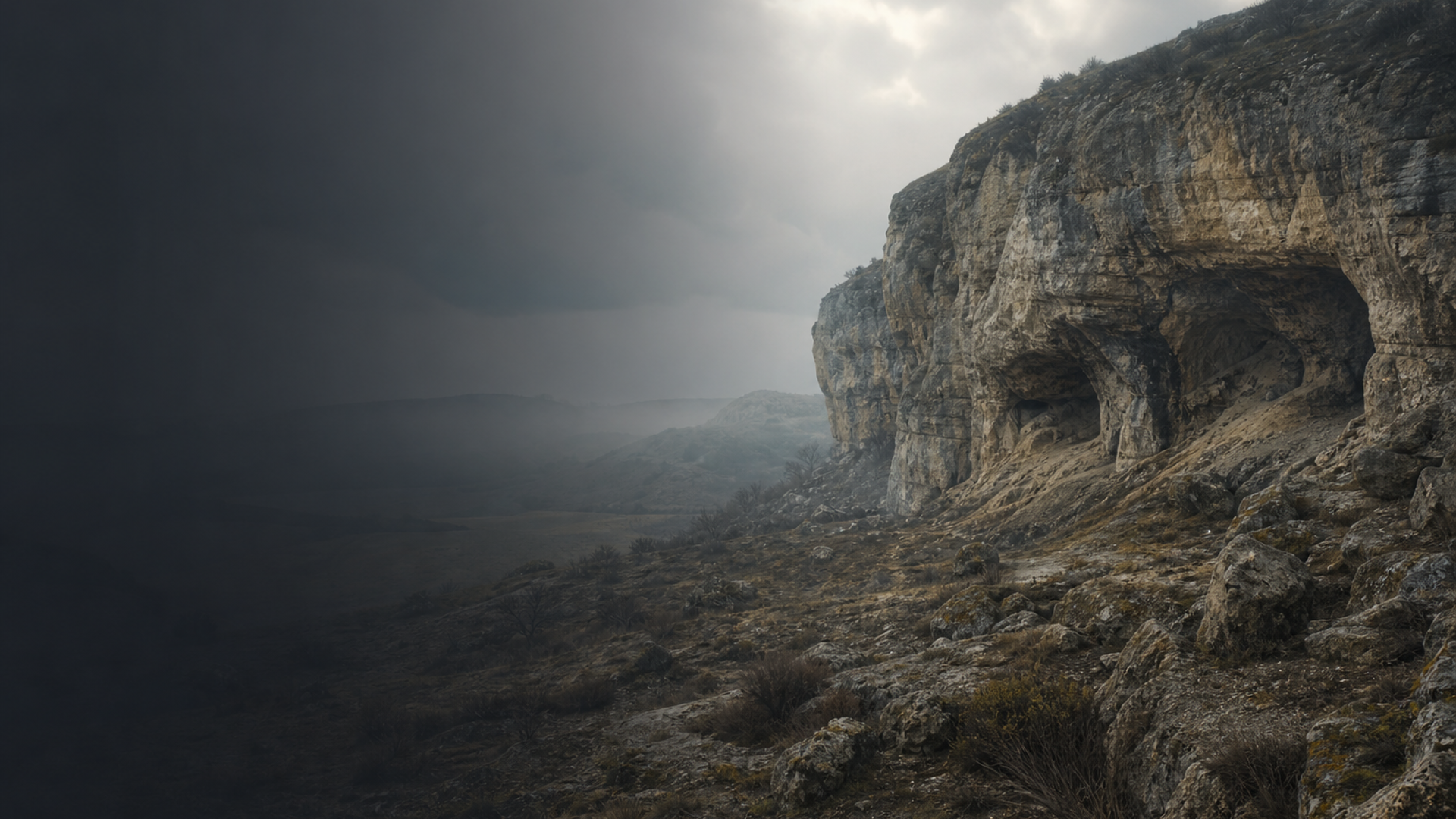
These sites present a cinematic landscape: seasonal camps on river terraces, low shelters, and camps organized around hunting and marrow processing. Archaeological data indicates connections to wider Gravettian networks of raw-material exchange and stylistic traditions in portable art and personal ornamentation, though preservation varies between locales. The three human remains sampled here come from distinct contexts within this broader cultural horizon and provide rare windows into population composition during a dynamic phase of Ice Age Europe.

Limited evidence suggests these are part of a diverse population linked to long-lived Upper Paleolithic lineages rather than a tightly bounded local group. Radiocarbon dates and stratigraphic associations are consistent with classic Gravettian chronology, but with only three genomic samples the picture remains fragmentary.

  • Sites: Fournol (Lot), La Rochette (Dordogne), Ormesson (Les Bossats)
  • Material culture: Gravette points, bladelets, osseous tools
  • Dates: ~31,822–25,490 BCE (Upper Paleolithic)

Daily Life & Society

The everyday world of Gravettian groups in France read like a harsh, yet vibrant film: hunters moving along river corridors, families repairing composite tools by lamplight, and small hearths steering social life through long winters. Archaeological remains at the three sites point to mobile lifeways—lithic scatters, refitting sequences, and use-wear on blades indicate repeated tool maintenance and on-site butchery.

Faunal assemblages from nearby Gravettian localities in the region show emphasis on large herd mammals, seasonal exploitation, and selective processing of meat and marrow. Personal ornaments and possible symbolic objects elsewhere in the Gravettian world suggest layered social identities; however, the specific assemblages at Fournol, La Rochette and Ormesson vary in preservation and quantity, limiting firm inferences about social ranking or ritual practices here.

Archaeological data indicates flexible group sizes and high mobility, with people adapting toolkits to local raw materials. Ethnographically resonant behaviors—kin groups cooperating in hunting, shared technologies, and seasonal aggregation—are plausible but should be framed as models rather than direct demonstrations for these three sites.

  • Mobile hunter-gatherer camps with repeated tool maintenance
  • Faunal processing focused on large mammals; seasonal mobility

Genetic Profile

Three ancient genomes from the France_Gravettian set provide an evocative, if cautious, genetic snapshot. Among the samples one carries Y-chromosome haplogroup V20; mitochondrial haplogroups include M and U5 in two separate individuals. U5 is a recurring marker in European Palaeolithic remains, often linked with long-term European lineages. The detection of mtDNA M—more commonly reported in southern and eastern Eurasia in later times—is notable but must be interpreted cautiously given the sample size.

Archaeogenetic patterns across Upper Paleolithic Europe indicate a mosaic of deep lineages and population movements. The small France_Gravettian sample (n=3) is far below the threshold for population-level inference; therefore these haplogroups should be seen as individual data points that hint at genetic diversity rather than definitive regional signatures. Contamination checks, coverage depth, and comparative placement within broader Upper Paleolithic genetic clusters are essential next steps to situate these individuals relative to contemporaneous groups (for example, classic Gravettian-associated clusters documented elsewhere in Europe).

Overall, genetic data from these individuals complements the archaeological record by confirming human presence and diversity during the Gravettian in southwestern France, but conclusions about migration, continuity, or population structure remain preliminary.

  • Y-DNA: V20 recorded in one individual (preliminary)
  • mtDNA: M (1) and U5 (1) — suggestive of deep Eurasian diversity but limited

Legacy & Modern Connections

The human echoes from Fournol, La Rochette and Ormesson reconnect modern observers to an Ice Age world of resilience and creativity. Genetic signals such as U5 link these people to a broader Paleolithic tapestry in Europe, while an instance of mtDNA M invites questions about far-reaching connections across Eurasia during deep prehistory. The archaeological legacy—stone tools, hearths, and traces of camps—anchors these genetic threads in lived behavior.

Because only three genomes are available, claims about continuity to later populations or direct ancestry to modern groups would be premature. Instead, these findings are best framed as fragments of a larger, slowly assembling picture: each new ancient genome can alter our understanding of migration, adaptation, and cultural transmission across the millennia.

  • Connects to broader Paleolithic lineages (e.g., U5) in Europe
  • Small sample size means modern ancestry links remain speculative

עוזר הבינה המלאכותית

עוזר הבינה המלאכותית מאת DNA Genics

פתיחת התכונה הזו
שאלו שאלות על תרבות Shadows of the Gravette: France's Early Hunters. העוזר יכול להסביר ממצאים גנטיים, הקשר היסטורי, ראיות ארכאולוגיות וקשרים לעת המודרנית.
דוגמה לניתוח בבינה מלאכותית

מבט על תרבות Shadows of the Gravette: France's Early Hunters

דגימות DNA קדום עוזרות לחוקרים לחקור דפוסי נדידה וקשרים גנטיים בין אוכלוסיות קדומות.

זו תצוגה מקדימה של הניתוח. העוזר המלא מאפשר לעיין בנושאים הבאים:

  • הרכב גנטי ודמיון גנטי
  • דפוסי נדידה ומקורות
  • חיי יומיום ומנהגים תרבותיים
  • קשרים גנטיים בני זמננו