跳转到主内容
Y-DNA · 父权 lineage

BT

Y-DNA Haplogroup BT

一个家族分支的参考简介 。 共享haplogroups 无法建立家庭关系或文化认同 。

参考简介

部门背景

Y-DNA 谱系分支 BT 的历史背景

Origins and Evolution

Haplogroup BT occupies a pivotal position near the base of the Y-chromosome phylogeny. It represents the branch that separates haplogroup A lineages from the rest of human paternal diversity. BT arose in Africa during the Middle to Late Pleistocene (commonly estimated on the order of ~100–200 kya, with many analyses centering around ~120–160 kya). From BT two major daughter lineages emerge: haplogroup B (largely African in distribution) and haplogroup CT (the ancestor of virtually all non-B, non-A Y lineages). Because BT is ancestral to CT, it is the immediate precursor of the paternal lineages that later dispersed within Africa and out of Africa into Eurasia, Oceania and the Americas.

Subclades (if applicable)

  • Haplogroup B: A major African clade concentrated among Central African rainforest foragers and present at variable frequencies across sub-Saharan Africa. B retains deep African structure and ancient subclades.
  • Haplogroup CT: The other primary branch under BT; CT splits into almost all other globally distributed Y haplogroups (C through T). CT-derived lineages are responsible for the peopling of Eurasia, Oceania and the Americas.

Undifferentiated or basal BT (often written BT*) is extremely rare in modern samples; most modern males carrying BT ancestry are classified within downstream clades (B or CT-derived haplogroups).

Geographical Distribution

Because BT is ancestral to both African (B) and non-African (CT-derived) haplogroups, its genetic legacy is effectively widespread. Present-day geographic patterns reflect its descendant clades: haplogroup B is concentrated in Central and some parts of East and Southern Africa, while CT-derived lineages dominate Eurasia, Oceania and the Americas. Basal BT* lineages are seldom detected and, when reported, are generally very rare or restricted to specialized sampling of deep-rooting African populations.

Historical and Cultural Significance

BT itself is not tied to a single archaeological culture because it predates the emergence of the archaeological complexes detected in the Holocene; instead, its significance is as a phylogenetic pivot. The split of BT into B and CT marks an important stage in African population structure that set the stage for later demographic events: the regional differentiation of African populations, the later expansions of CT-derived lineages out of Africa during the Late Pleistocene and the major population turnovers and migrations in the Holocene (Neolithic farmer dispersals, Bronze Age steppe expansions, etc.). Descendant haplogroups of CT are strongly associated with later archaeological cultures (for example, haplogroup R with some Bronze Age steppe groups, haplogroup J with some Near Eastern farmer-associated populations), but these associations reflect downstream history rather than direct links to BT itself.

Conclusion

Haplogroup BT is a foundational node in the human Y-chromosome tree: although undifferentiated BT is rarely observed in modern populations, the clade’s importance lies in its position as the ancestor of haplogroup B (deep African lineages) and CT (the source of nearly all non-African paternal diversity). Studying BT and its immediate descendants helps reconstruct deep Pleistocene population structure within Africa and the subsequent dispersals that populated the rest of the world.

关键点

  • Origins and Evolution
  • Subclades (if applicable)
  • Geographical Distribution
  • Historical and Cultural Significance
  • Conclusion
参考简介

树形关系( N)

phylgenetic 上下文和子拼写

进化路径

沿已记录的上级分支追溯至 BT。年代为估计值,可能随参考数据更新而调整。

步骤 单倍群 年龄估计 考古时代 时间流逝 直系后裔 被测试的现代后裔 古代连接
1 BT 当前 ~150,000 years ago Paleolithic 150,000 years 0 311 29
2 B ~200,000 years ago Paleolithic 200,000 years 4 356 1
3 A ~270,000 years ago Paleolithic 270,000 years 3 585 8

Subclades (0)

终端分支 -没有记录的子密钥

Siblings (3)

来自同一父分支的分支( oplogroup)

参考简介

哪里是这个世界

地理分布和现代存在

记录来源

East Africa

现代发行

The populations where Y-DNA haplogroup BT is found include:

  1. Central African rainforest forager groups (through descendant haplogroup B)
  2. West and East African farming and pastoralist populations (through B and CT-derived E and other lineages)
  3. Nilotic and other East African pastoral groups (low-frequency B and CT derivatives)
  4. Afroasiatic-speaking Ethiopian highland groups (rare occurrences and CT-derived lineages)
  5. Eurasian populations across Western, Central and East Asia (predominantly CT-derived descendant haplogroups)
  6. European populations (through CT-descendants such as I, R, J and others)
  7. Indigenous peoples of Oceania and Southeast Asia (CT-derived lineages like C, M, S)
  8. Indigenous peoples of the Americas (CT-derived haplogroups such as Q and C) and African diaspora populations worldwide

区域存在

Sub-Saharan Africa High
Eastern Africa High
Southern Africa Moderate
Western Africa Moderate
Near East / Southwest Asia Low
Western Europe Low
Central Africa Moderate
South Asia High
East Asia High
Oceania Moderate
North America (Indigenous & diaspora) High
South America (Indigenous & diaspora) High
历史背景

分枝穿越时间

大致历史时间范围内的估计形成情况:周期标志提供了背景,并不意味着与特定文化的联系。

  1. ~200k 年前

    DNA夏娃(MtDNA Eve)

    最近所有 mtDNA 线条的共同祖先

  2. ~150k 年前

    Haplogroup BT

    此 Y-DNA 分支的形成时间为推定值,日期和地点仅作参考。

    这个分支
  3. ~70k 年前

    离开非洲

    现代人大规模迁出非洲

  4. ~50k 年前

    上旧石器

    高级工具制造、艺术和文化爆炸

  5. ~20k 年前

    上一个冰川最大值

    上一个冰河时代的高峰,人口隔离

  6. ~10k 年前

    新石器革命

    农业开始,定居社区形成

  7. ~5k 年前

    青铜时代

    金属加工、书写和早期文明

  8. ~3k 年前

    铁器时代

    铁工具,扩大贸易网络

  9. ~2.5k 年前

    古典时代

    希腊和罗马文明蓬勃发展

  10. 现

    现日

    现代时代

参考简介

考古学背景

已记录的 Y-DNA 分支 BT 考古关联

有记录的协会

这些标签描述与 BT 相关的参考样本所处的考古背景。仅凭这种关联,无法判断所有携带者都属于某种文化或沿同一路线迁徙。

Angara Culture British Neolithic French Neolithic Hora Culture Iberian Neolithic Lena River Culture Linear Pottery Culture Ob River Culture Pavlovian Culture Rossberga Culture Russia_Rostov_EBA_Don_Yamnaya Shahr-i Sokhta Culture Turkey_Catalhoyuk_MN Ukraine_Zaporizhia_N_DnieperDonets_MtCemetery
文化任务基于古代DNA样本的考古背景,可能代表特定时期的区域协会.
参考简介

样本目录

单倍群 BT 的直接携带者 13 名,子分支携带者 16 名

10 显示 ^ 29 匹配样本

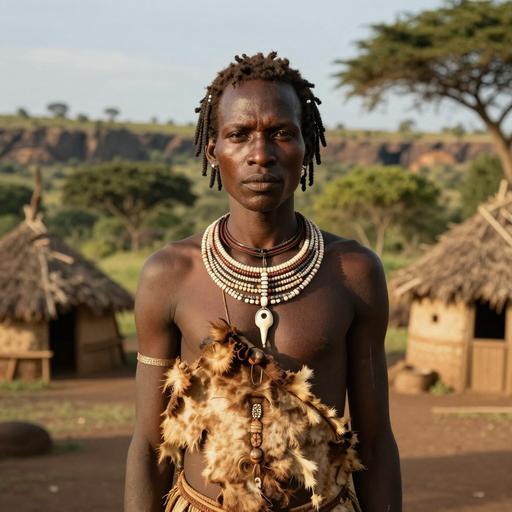
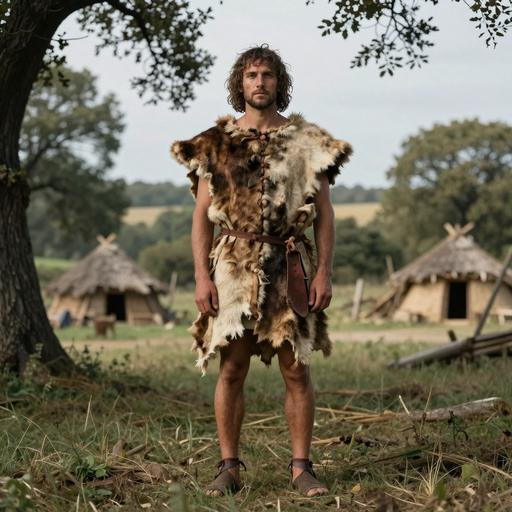
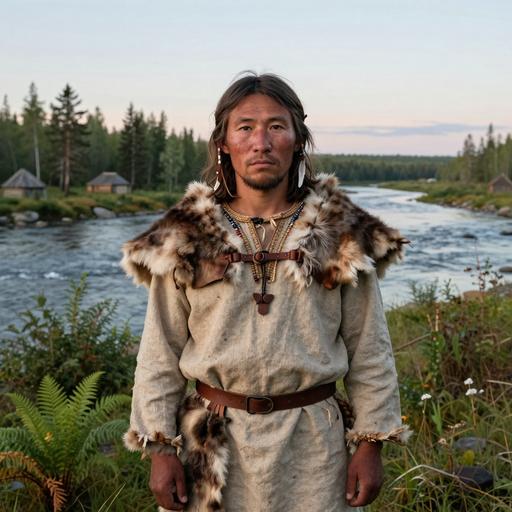
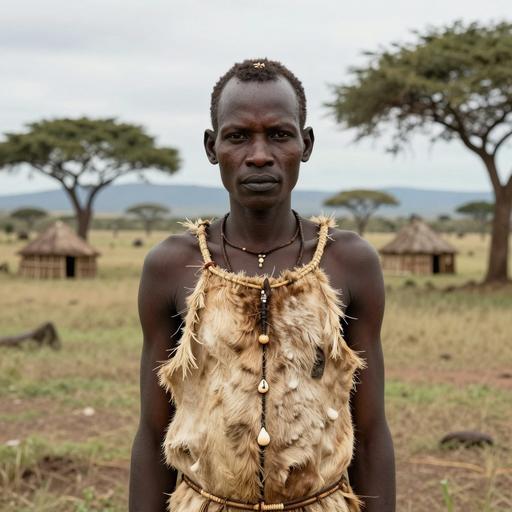
Portraits是AI生成的插图,样本标签和加入ID识别参考记录.

纵向 样本 国家 大纪元 日期 文化 Y-DNA 匹配
AI生成的示例性肖像 Bantu individual, Gishimangeda Cave, Tanzania (800-400 BCE)
Sample ID: I13983
Tanzania Prehistoric and Iron Age in Tanzania 800 BCE - 400 BCE Tanzania Multi-Period BT Direct
AI生成的示例性肖像 Dominican Republic Ceramic individual, El Soco (southeast coast DR, San Pedro de Macorís, Ramón Santana, Playa Nueva Romana), Dominican Republic (850-1,450 CE)
Sample ID: I13200
Dominican Republic Dominican Ceramic Culture 850-1450 CE Dominican Ceramic BT Direct
AI生成的示例性肖像 Norse individual, England. Oxford. St John's College Oxford, United Kingdom (880-1,000 CE)
Sample ID: VK164
United Kingdom England Viking 880 CE - 1000 CE Viking BT Direct
AI生成的示例性肖像 Norse individual, Gnezdovo, Russia (900-1,100 CE)
Sample ID: VK222
Russia Russia Viking 900 CE - 1100 CE Viking Culture BT Direct
AI生成的示例性肖像 Canaanite/Phoenician individual, Ashkelon, Israel (1,259-1,020 BCE)
Sample ID: ASH008
Israel Iron Age II Ashkelon, Israel 1259-1020 calBCE (2941±31 BP, MAMS-30688) Ashkelon Culture BT Direct
AI生成的示例性肖像 Central European Bronze Age Cultures individual, Kleinaitingen - Gewerbegebiet Nord, Germany (2,011-1,773 BCE)
Sample ID: AITI_36
Germany Early Bronze Age Lech Valley, Germany 2011 BCE - 1773 BCE Lech Valley Bronze Age BT Direct
AI生成的示例性肖像 Haunstetten Unterer Talweg5862 EBA individual, Haunstetten - Unterer Talweg 58-62, Germany (2,026-1,888 BCE)
Sample ID: UNTA58_149
Germany Early Bronze Age Lech Valley, Germany 2026-1888 calBCE (3597±24 BP, MAMS-18938) Lech Valley Bronze Age BT Direct
AI生成的示例性肖像 Novosibirsk N individual, Vengerovo-2 (Novosibirsk Oblast, Vengerovsky District), Russia (4,438-4,251 BCE)
Sample ID: NEO916
Russia Ob River Culture of Northern Russia 4232-3987 calBCE (5269±30 BP, UBA-40127) Ob River Culture BT Direct
AI生成的示例性肖像 Paleo-Siberian individual, Siberia. Lena river. Kachug, Russia (4,980-4,841 BCE)
Sample ID: KAG001
Russia Early Neolithic Lena River, Siberia, Russia 4980 BCE - 4841 BCE Lena River Culture BT Direct
AI生成的示例性肖像 Yonne N individual, Gurgy Les Noisats (Bourgogne-Franche-Comté Region, Yonne Department, Auxerre arrondissement), France (5,300-3,900 BCE)
Sample ID: GLN314
France France N 5300-3900 BCE French Neolithic BT Direct
PATERNAL LINEAGE · ANCIENT DNA

古代世系证据地图

跟随母舰飞向这个分支 探索古代载体的发现地点

正在装入古老的观测...

标记是考古发现地点。一个破碎的连接器是连续分支之间一种不确定的、拟议中的地理过渡,辅以多个日期的观察;它不是一个准确的旅行路线、出生地或直接血统的证明。父系样本可能属于其他后代分支。在证据不足的地方,差距依然存在。样本日期与随机群形成日期不同。

参考简介

载体分布图

29 个古代 DNA 样本的地理分布,涵盖 BT 及其下游分支的携带者

直接承运人 子舱载体
时间段过滤器
所有时间段
显示全部样本
参考简介

时间分布

载体在考古时期的分布

参考简介

地理分布

按有记录的抽样国家计算,反映的是现有的参考选择,而不是人口频率。

参考简介

国家 × 大纪元发行

比较各国和考古时期记录的样本数量。选择一个人口密集的细胞来检查样本。

数据

数据证明( P)

来源信息和数据质量

上次更新 2026-06-15
信心分数 50/100
覆盖范围 Low

数据来源

分类、估计日期和地理背景反映了所记录的参考数据,随着证据的修订而可能发生变化,样本覆盖范围不均匀;所记录的地点和考古协会没有确定个人出身或文化特征。