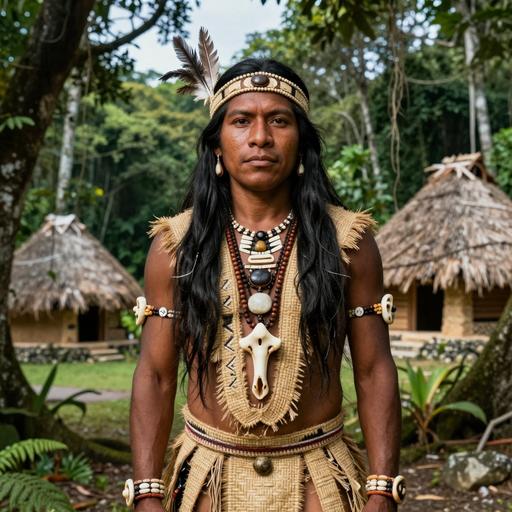
Belize, located on the eastern coast of Central America, is a region rich in archaeological history and cultural heritage. Approximately 7,000 years ago, the area that is now Belize was a vastly different landscape compared to the bustling nation it is today. This era, known as the Archaic Period in Mesoamerican chronology, predates the formal establishment of the Maya civilization. During this time, the region was inhabited by pre-Mayan indigenous peoples who laid much of the groundwork for the later, more complex societies.
Environment and Climate
The environment of Belize 7,000 years ago was likely a mix of coastal wetlands, mangroves, tropical forests, and savannahs. The climate was warmer and more humid, as it was situated in the Holocene epoch following the last Ice Age. The region was rich in biodiversity, providing an abundance of resources for its inhabitants, including a variety of plant life and animal species.
Early Inhabitants and Lifestyle
The people living in Belize at this time were primarily Hunter-Gatherers, with some transitioning into early agriculturalists. The transition from nomadic hunting and gathering to settled agricultural practices marks an important cultural development during this era. There is evidence suggesting that these inhabitants engaged in the domestication of plants such as squash, maize, and beans, which became staples in the Mayan diet.
These communities were semi-nomadic, moving periodically to exploit seasonal resources. Their lifestyle was intimately connected to the environment, with a strong focus on the surrounding land and water. The coastal regions, abundant with marine life, provided a reliable food source, while the interior forests offered game and plant materials for food, tools, and shelter.
Tools and Technology
The technological level during this period was characterized by the use of stone tools. Artifacts such as stone blades, projectile points, and grinding stones have been discovered, offering insights into the daily lives of these early inhabitants. These tools were essential for hunting, food preparation, and other basic activities. The use of fire played a crucial role in cooking and land management.
Societal Structure and Cultural Practices
Little is known about the societal structures of the people in Belize 7,000 years ago, but it is likely that they lived in small, kin-based groups. These bands would have comprised extended families who worked together to ensure survival.
Spiritual and ritualistic aspects of life are inferred through archaeological discoveries of burial sites and ceremonial artifacts. These suggest a belief system that included some form of ancestor worship or animism, which may have served as a precursor to the more developed religious practices of the Maya civilization that followed.
Archaeological Sites and Discoveries
Although evidence from this specific period is scarce compared to later Mayan remains, several key archaeological sites provide crucial insights into this era. Excavations in areas such as Colha and Cuello have revealed tools and remains that contribute to our understanding of these early peoples.
Legacy and Influence on Maya Civilization
The cultural practices and advancements of the inhabitants of Belize 7,000 years ago set the groundwork for the rise of the Maya civilization, which began to emerge around 2000 BCE. Their development of agricultural techniques, societal organization, and interaction with the environment played a significant role in the subsequent formation of one of the most advanced civilizations of the ancient world.
In conclusion, Belize 7,000 years ago was a time of transition and development. Despite the lack of written records, the archaeological evidence offers a glimpse into a society that was beginning to innovate and adapt in ways that would influence the rise of the Maya and other Mesoamerican cultures.