mtDNA · Maternal lineage

M10

mtDNA Haplogroup M10

A reference profile for one lineage branch. Shared haplogroups do not establish a family relationship or cultural identity.

Reference profile

Branch background

Historical context for mtDNA lineage branch M10

Origins and Evolution

mtDNA haplogroup M10 is a primary branch of macro-haplogroup M, which diversified rapidly across Eurasia after the initial expansion of modern humans out of Africa. M10 likely coalesced in Central to Northeastern Asia during the late Upper Paleolithic (roughly 20–30 thousand years ago), arising from an early Asian lineage of M. Its phylogenetic position places it among the East Asian/Siberian M-derived clades (alongside clades such as D, G, C and Z), and its internal diversity suggests a long-standing presence in northern East Asia with later dispersals tied to demographic processes on the Eurasian steppe and high plateaus.

Subclades (if applicable)

Several downstream subclades and distinct haplotypes of M10 have been reported in population studies, with regional differentiation visible between northern (Siberian/Mongolic) and highland (Tibetan) lineages. Subclades tend to show geographic structuring rather than cosmopolitan spread, indicating local expansions and drift in isolated populations. Specific subclade nomenclature and SNP-definitions continue to be refined as more complete mitogenomes are sequenced.

Geographical Distribution

M10 is most frequent and diverse in Central, Northeast and parts of North Asia. Present-day occurrences include Mongolic and Turkic-speaking groups (e.g., Mongolians, Buryats, Tuvans, Altaians), several Siberian indigenous groups (Yakuts, Evenks), and northern Han/other East Asian minorities at lower frequencies. It is also recorded among Tibetan populations and in some Central Asian groups, reflecting gene flow across the steppe and highland corridors. In ancient DNA datasets, M10-like lineages appear in some Bronze Age and later steppe-associated and East Asian archaeological contexts, consistent with mobility across eastern Eurasia.

Historical and Cultural Significance

The distribution of M10 mirrors major cultural and demographic processes in northern and Central East Asia. Its presence in Mongolic, Tungusic and Turkic groups links the haplogroup to the maternal substrate of populations historically associated with the steppe, including Bronze Age pastoralists and later nomadic confederations. The appearance of M10 lineages in Tibetan samples underlines contacts and assimilation between plateau inhabitants and adjacent northern populations. In historical-period samples (e.g., Xiongnu and other steppe assemblages), M10 contributes to the genetic mosaic showing eastern Eurasian maternal input into expansive mobile polities.

Conclusion

mtDNA M10 is a regionally important East–Central Asian maternal lineage with deep Paleolithic roots in northern Asia and a pattern of local differentiation and intermittent spread by steppe and highland movements. Ongoing mitogenome sequencing and expanded ancient DNA sampling are refining its subclade structure and clarifying its role in prehistoric and historic population interactions across northeastern Eurasia.

Key Points

  • Origins and Evolution
  • Subclades (if applicable)
  • Geographical Distribution
  • Historical and Cultural Significance
  • Conclusion
Reference profile

Tree & Relationships

Phylogenetic context and subclades

Evolution Path

Follow the recorded parent branches toward M10. Dates are estimates and can change as reference data is revised.

Steps Haplogroup Age Estimate Archaeology Era Time Passed Immediate Descendants Tested Modern Descendants Ancient Connections
1 M10 Current ~25,000 years ago Paleolithic 25,000 years 1 24 0
2 M ~60,000 years ago Paleolithic 60,000 years 42 2,671 41
3 L3 ~70,000 years ago Paleolithic 70,000 years 7 30,162 6
4 L3'4 - - - 2 30,212 0
5 L3'4'6 - - - 2 30,216 0
6 L2'3'4'6 - - - 2 31,333 0
7 L2'3'4'5'6'7 - - - 2 31,349 0
8 L1'2'3'4'5'6'7 - - - 2 31,852 0
9 L ~160,000 years ago Paleolithic 160,000 years 2 32,236 5
Reference profile

Where in the World

Geographic distribution and modern presence

Recorded origin

Central–Northeast Asia

Modern Distribution

The populations where mtDNA haplogroup M10 is found include:

  1. Mongolic-speaking groups (Mongolians, Buryats)
  2. Turkic-speaking groups of Central Asia and Altai (Tuvans, Altaians, Kazakhs)
  3. Siberian indigenous peoples (Yakut/Sakha, Evenk, other north Siberian groups)
  4. Tibetan Plateau populations (Tibetans and neighboring highland groups)
  5. Northern Han Chinese and ethnic minorities in northern China (low to moderate)
  6. Korean peninsula populations (low frequency)
  7. Japanese (sporadic/low frequency in some regional samples)
  8. Central Asian groups (Kyrgyz, some Uzbek/Tajik samples at low frequency)
  9. Ancient steppe and nomadic assemblages (Bronze Age to Iron Age eastern steppe remains)
  10. Scattered occurrences in modern East Eurasian diaspora communities
Historical context

A branch through time

Estimated formation in a broad historical timeline. Period markers provide context and do not imply a connection with particular cultures.

  1. ~25k years ago

    Haplogroup M10

    Estimated formation of this mtDNA branch; dates and locations are reference estimates.

    This branch
  2. ~20k years ago

    Last Glacial Maximum

    Peak of the last ice age, populations isolated

  3. ~10k years ago

    Neolithic Revolution

    Agriculture begins, settled communities form

  4. ~5k years ago

    Bronze Age

    Metalworking, writing, and early civilizations

  5. ~3k years ago

    Iron Age

    Iron tools, expanded trade networks

  6. ~2.5k years ago

    Classical Antiquity

    Greek and Roman civilizations flourish

  7. Present

    Present Day

    Modern era

Reference profile

Archaeological context

Recorded archaeological associations for mtDNA branch M10

Recorded associations

These labels describe archaeological contexts recorded for reference samples linked to M10. An association does not establish that all carriers belonged to a culture or followed a particular migration route.

Andamanese British Neolithic Goyet Cave Gravettian Iberomaurusian Indonesian Hunter-Gatherer Culture Ostuni Culture Spanish Gravettian Tang Culture
Culture assignments are based on archaeological context of ancient DNA samples and may represent regional associations during specific time periods.
Reference profile

Sample Catalog

1 direct carrier and 13 subclade carriers of haplogroup M10

10 shown · 14 matching samples

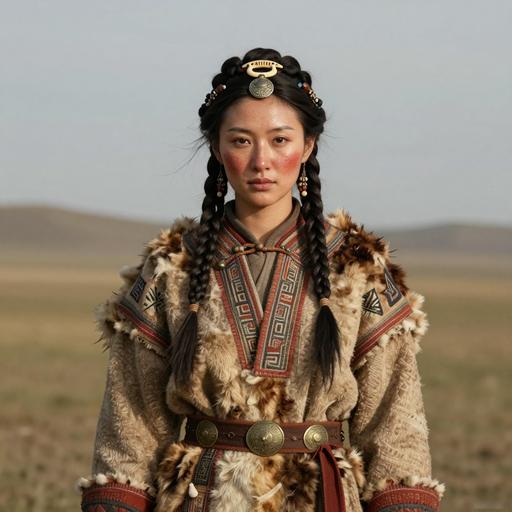
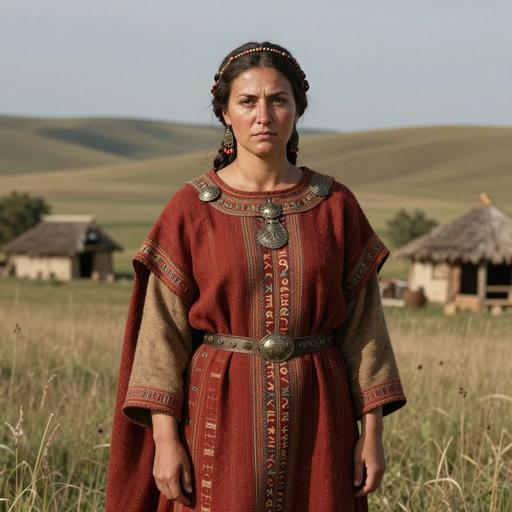
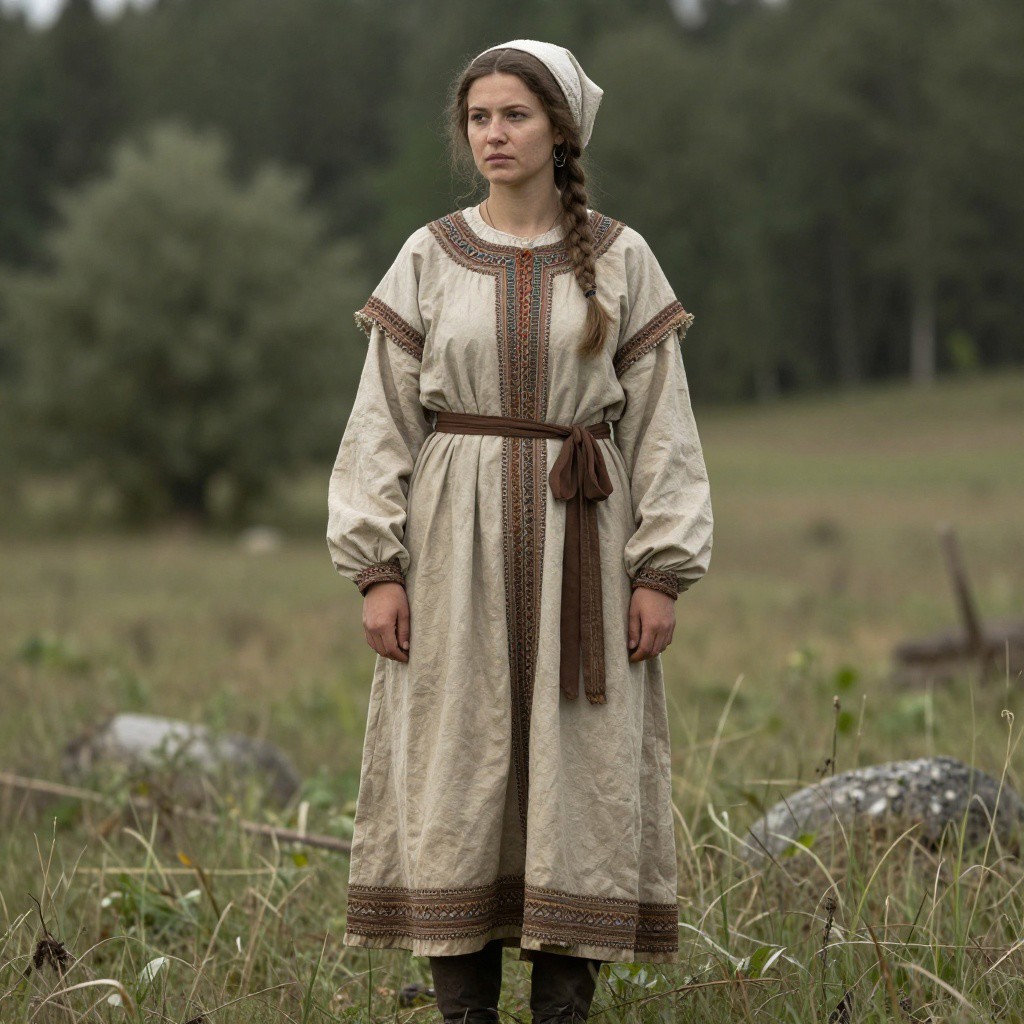
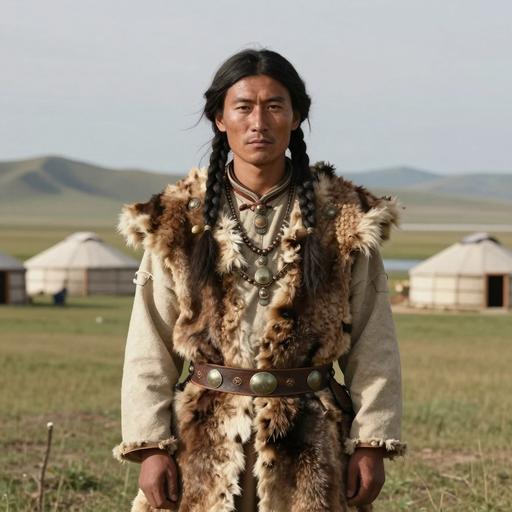
Portraits are AI-generated illustrations. Sample labels and accession IDs identify the reference records.

Portrait Sample Country Era Date Culture mtDNA Match
AI-generated illustrative portrait of Guangxi Cenxun Cave individual, Guangxi. Baise City. Pingguo County. Taiping Town. Cenxun Cave, China (440-640 CE)
Sample ID: CenxunKP13
China Tang Dynasty China 440-640 calCE (1510±30 BP) Tang Culture M10 Direct
AI-generated illustrative portrait of Tibet Pulanduowa IA individual, Pulanduowa (Tibet, Ngari Prefecture), China (26-374 CE)
Sample ID: PLDW10
China China Tibet Pulanduowa IA 50-350 CE China_Tibet_Pulanduowa_IA M10a1b Subclade
AI-generated illustrative portrait of Khentii Xiongnu Period individual, Khentii. Jargalantyn Am. Jargalantyn Khondii/Hundhii, Mongolia (200-1 BCE)
Sample ID: JAA001
Mongolia Xiongnu Period Khentii, Mongolia 200-1 BCE Xiongnu Culture M10a1b Subclade
AI-generated illustrative portrait of Scythian individual, Slobodzeya District. Glinoe, Moldova (250-411 CE)
Sample ID: scy332
Moldova Scythian Period Glinoe, Moldova 250 CE - 411 CE Scythian M10a1a1a Subclade
AI-generated illustrative portrait of Nomadic Steppe Cultures individual, Tian Shan. Central Steppe, Kyrgyzstan (250-535 CE)
Sample ID: DA72
Kyrgyzstan The Hun Period in Kyrgyzstan 250 CE - 535 CE Hunnic Period M10a1-a Subclade
AI-generated illustrative portrait of Hun individual, Tian Shan. Central Steppe, Kyrgyzstan (250-535 CE)
Sample ID: DA72
Kyrgyzstan The Huns 250 CE - 535 CE M10a1-a Subclade
AI-generated illustrative portrait of Scythian individual, Slobodzeya District. Glinoe, Moldova (250-411 CE)
Sample ID: scy332
Moldova The Scythian Culture 250 CE - 411 CE M10a1a1a Subclade
AI-generated illustrative portrait of Republicof Korea Three Kingdoms individual, Gyeongsangnam-do. Daeseong-dong, South Korea (300-500 CE)
Sample ID: AKG_10209
South Korea The Three Kingdoms of Korea 300-500 CE Three Kingdoms Period M10a1b Subclade
AI-generated illustrative portrait of Early Avar-o Low East Asia individual, Rákóczifalva-Bagi-földek (Jász-Nagykun-Szolnok Coiunty, Szolnok), Hungary (550-700 CE)
Sample ID: RKF164
Hungary Hungary EarlyAvar 550-700 CE Early Avar M10a1a1b Subclade
AI-generated illustrative portrait of Early Avar-o High East Asia individual, Rákóczifalva-Bagi-földek (Jász-Nagykun-Szolnok Coiunty, Szolnok), Hungary (550-700 CE)
Sample ID: RKF185
Hungary Hungary EarlyAvar 550-700 CE Early Avar M10a1a1b Subclade
MATERNAL LINEAGE · ANCIENT DNA

Ancient lineage evidence map

Follow parent clades toward this branch and explore where ancient carriers were found.

Loading ancient observations…

Markers are archaeological find locations. A dashed connector is an uncertain, proposed geographic transition between consecutive branches supported by multiple dated observations; it is not an exact travel route, birthplace or proof of direct descent. Parent-clade samples may belong to other descendant branches. Gaps remain where evidence is insufficient. Sample dates differ from haplogroup formation dates.

Reference profile

Carrier Distribution Map

Geographic distribution of 14 ancient DNA samples (direct and subclade carriers of M10)

Direct carrier Subclade carrier
Time Period Filter
All Time Periods
Showing all samples
Reference profile

Temporal Distribution

Distribution of carriers across archaeological periods

Reference profile

Geographic Distribution

Counts by recorded sample country. These reflect the available reference selection, not population frequencies.

Reference profile

Country × Era Distribution

Compare recorded sample counts across countries and archaeological periods. Select a populated cell to inspect a sample.

Data

Data & Provenance

Source information and data quality

Last Updated 2026-02-16
Confidence Score 50/100
Coverage Low

Data Source

Classification, estimated dates and geographic context reflect the recorded reference data and may change as evidence is revised. Sample coverage is uneven; recorded locations and archaeological associations do not establish personal origin or cultural identity.