פרופיל ייחוס של ענף שושלת אחד. קבוצה הפלוגרופית משותפת אינה קובעת קשר משפחתי ואינה מגדירה זהות תרבותית.
פרופיל הייחוס
רקע הענף
ההקשר ההיסטורי של ענף B בשושלת mtDNA
Origins and Evolution
Haplogroup B is an mtDNA lineage derived from the macro-haplogroup R and is estimated to have arisen in East to Southeast Asia during the Upper Paleolithic (roughly around 40–60 thousand years ago). After its origin, B diversified into multiple subclades which expanded locally within continental East Asia and more broadly into Island Southeast Asia and Oceania. Several of its descendant lineages are associated with major Holocene demographic movements, including the Austronesian expansion and the peopling of the Americas.
Subclades
Haplogroup B is subdivided into a number of well-documented subclades (commonly referenced as B4, B5 and their downstream branches). Notable subclades include the Polynesian-related B4a1a1 (often referred to as the "Polynesian motif") which is frequent in Island Southeast Asia and across Polynesia, and the Native American branch commonly labeled B2, a distinct American subclade derived from Asian B lineages. Different subclades show distinct geographic and temporal signatures reflecting bottlenecks, founder effects, and later demographic expansions.
Geographical Distribution
Today, haplogroup B and its subclades are found at appreciable frequencies across East Asia and Southeast Asia, are prominent in many Austronesian-speaking populations (including Taiwanese indigenous groups, Filipinos, and island Melanesians/Polynesians), and occur throughout the Pacific where the Polynesian motif is common. A derived American clade (B2) is one of the primary maternal lineages of indigenous peoples across Central and South America and is present in many North American indigenous groups at varying frequencies, reflecting the initial Late Pleistocene/Early Holocene peopling of the Americas.
Historical and Cultural Significance
Haplogroup B has been linked in population genetic studies to several major prehistoric movements. The distribution of certain B subclades strongly tracks the Austronesian expansion out of Taiwan and through Island Southeast Asia into Remote Oceania (and the associated Lapita cultural complex). The presence of a distinct B-derived lineage (B2) in Native Americans provides genetic evidence for an Asian origin of at least part of the founding maternal pool of the Americas. In addition, the Polynesian motif within B has been used as a genetic marker for long-distance voyaging and island colonization in the Pacific.
Conclusion
mtDNA haplogroup B is a geographically broad and temporally deep maternal lineage originating in East/Southeast Asia during the Upper Paleolithic. Its diversity and distribution capture key episodes of human prehistory in Asia, Island Southeast Asia, Oceania, and the Americas, making it a focal haplogroup for studies of migration, island colonization, and the initial peopling of the New World.
נקודות עיקריות
Origins and Evolution
Subclades
Geographical Distribution
Historical and Cultural Significance
Conclusion
פרופיל הייחוס
עץ השושלת והענפים הקשורים
מקום הענף בעץ השושלת ותת-הענפים שלו
מסלול ההתפצלות של השושלת
עקבו אחר ענפי האב המתועדים עד B. התאריכים הם אומדנים ועשויים להשתנות כשנתוני הייחוס מתעדכנים.
שלבי התפצלות
הקבוצה ההפלוגרופית
גיל משוער
התקופה הארכאולוגית
הזמן שחלף
ענפים ישירים
דגימות מודרניות שנבדקו
קישורים עתיקים
1
B
הענף הנוכחי
~50,000 years ago
Paleolithic
50,000 שנים
0
0
75
תת-ענפים (0)
ענף סופי בלי תת-ענפים מתועדים
פרופיל הייחוס
היכן הענף מופיע
תפוצה גאוגרפית ונוכחות נוכחית
מוצא מתועד
East / Southeast Asia
תפוצה נוכחית
The populations where mtDNA haplogroup B is found include:
Han Chinese and other East Asian populations (China, Korea, Japan)
Southeast Asian groups (Vietnamese, Thai, Malay peoples, Filipino)
Melanesian populations (in parts of Island Melanesia)
Indigenous peoples of the Americas (especially Central and South America — Native American B2 lineage)
Indigenous North American groups at lower frequencies
Coastal and island populations involved in prehistoric maritime dispersals
הקשר היסטורי
ענף לאורך זמן
אומדן היווצרות בציר זמן היסטורי רחב. סמני התקופות נותנים הקשר ואינם מרמזים על קשר לתרבויות מסוימות.
~70k שנים לפני
היציאה מאפריקה
הגירה גדולה של בני אדם מודרניים מאפריקה
~50k שנים לפני
התקופה הפלאוליתית העליונה
ייצור כלים מתקדם, אמנות ופריחה תרבותית
~50k שנים לפני
קבוצה הפלוגרופית B
אומדן להיווצרות ענף mtDNA זה. תאריכים ומיקומים הם אומדני ייחוס.
הענף הזה
~20k שנים לפני
שיא עידן הקרח האחרון
שיא עידן הקרח האחרון, ואוכלוסיות שנותרו מבודדות
~10k שנים לפני
המהפכה הנאוליתית
ראשית החקלאות והתגבשות קהילות יושבות קבע
~5k שנים לפני
תקופת הברונזה
עיבוד מתכות, כתב וציוויליזציות מוקדמות
~3k שנים לפני
תקופת הברזל
כלי ברזל ורשתות מסחר מורחבות
~2.5k שנים לפני
העת העתיקה הקלאסית
שגשוג הציוויליזציות היוונית והרומית
Present
ימינו
העידן המודרני
פרופיל הייחוס
הקשר ארכאולוגי
הקשרים ארכאולוגיים מתועדים של ענף B מ-mtDNA
הקשרים מתועדים
תוויות אלה מתארות הקשרים ארכאולוגיים מתועדים של דגימות הייחוס המקושרות ל-B. הקישור אינו מוכיח שכל נושאי הענף השתייכו לתרבות מסוימת או הלכו במסלול נדידה מסוים.
Ancient BeringianArgentina_Cordoba_4100BP_ComechingonesChinese PaleolithicHuaca PrietaKaingang SambaquiLapa do SantoMesolithic BritishTianyuan CultureTrail Creek Culture
סיווג התרבויות מבוסס על ההקשר הארכאולוגי של דגימות דנ"א עתיק, והוא עשוי לשקף קשרים אזוריים בתקופות מסוימות.
פרופיל הייחוס
אינדקס דגימות
מספר דגימות תת-הענפים של הקבוצה ההפלוגרופית B הוא 75. אין דגימות בהתאמה ישירה בקבוצת הייחוס הנוכחית.
10 מוצגות · 50 דגימות תואמות
אין דגימות שתואמות למסננים. נסו תווית, מיקום או תקופה אחרים.
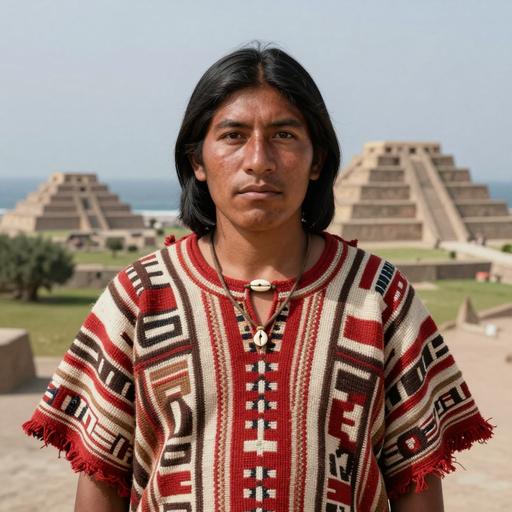
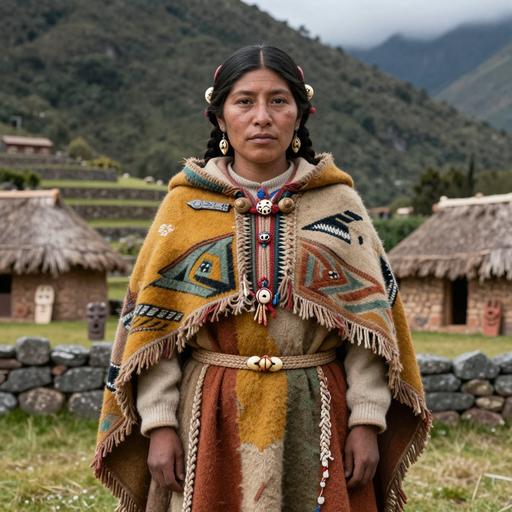
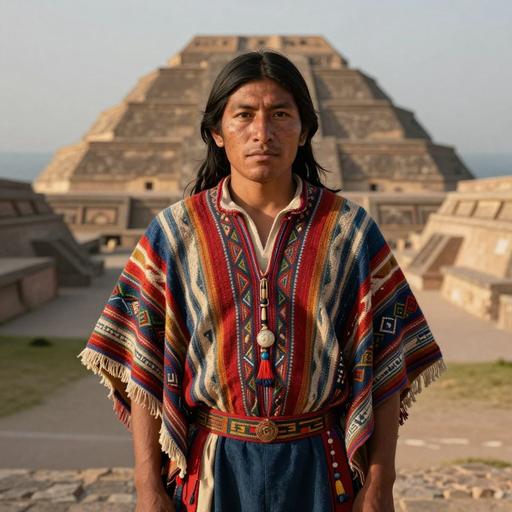
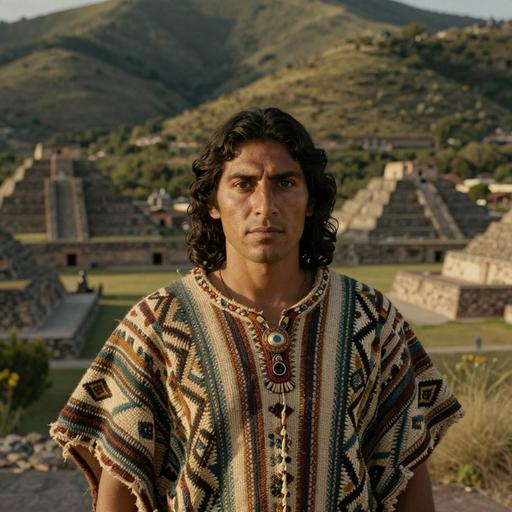
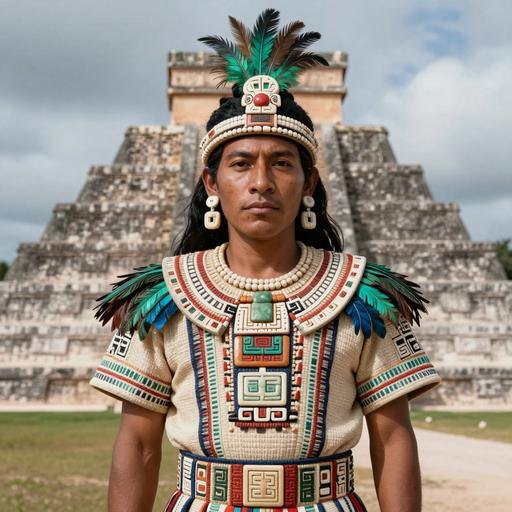
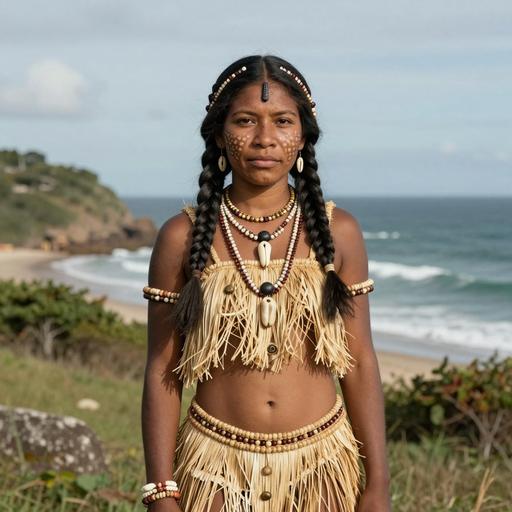
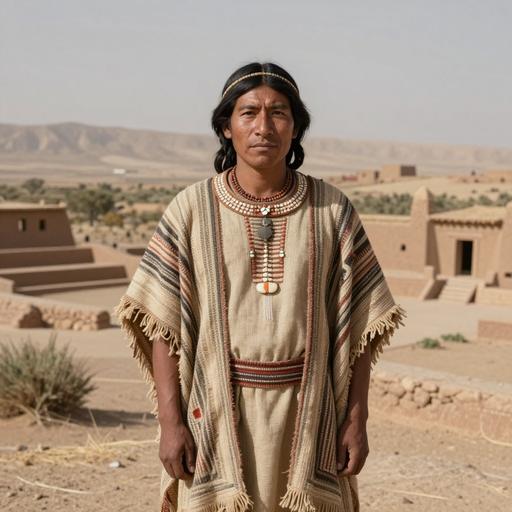
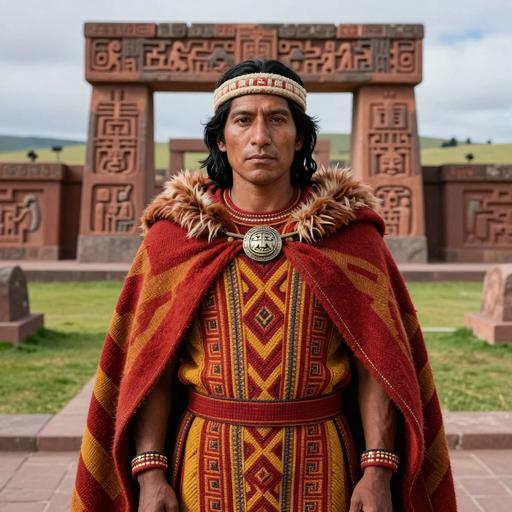
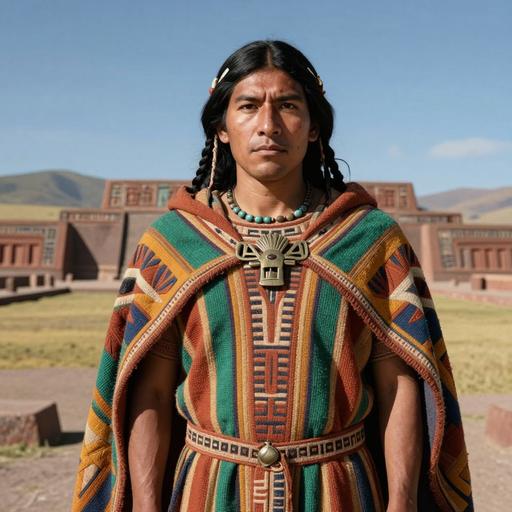
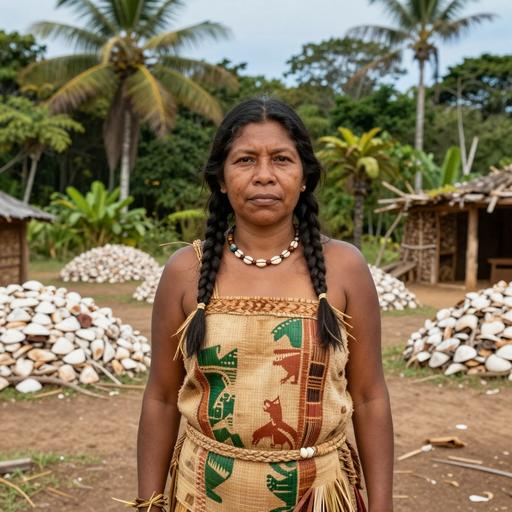
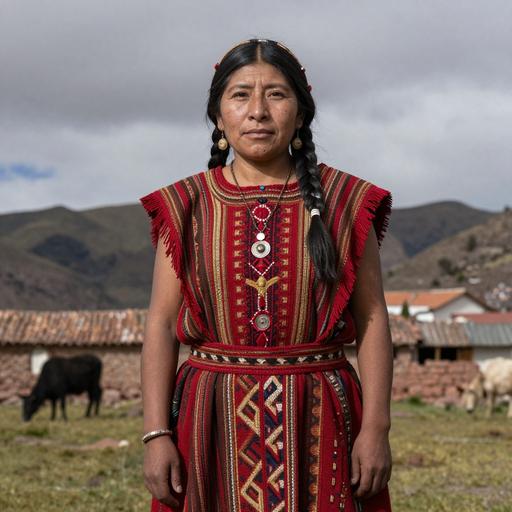
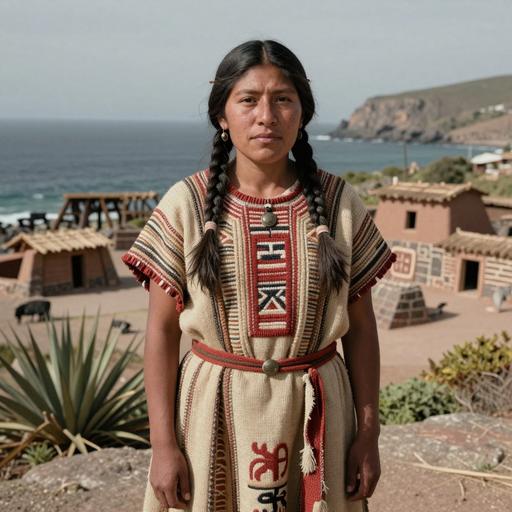
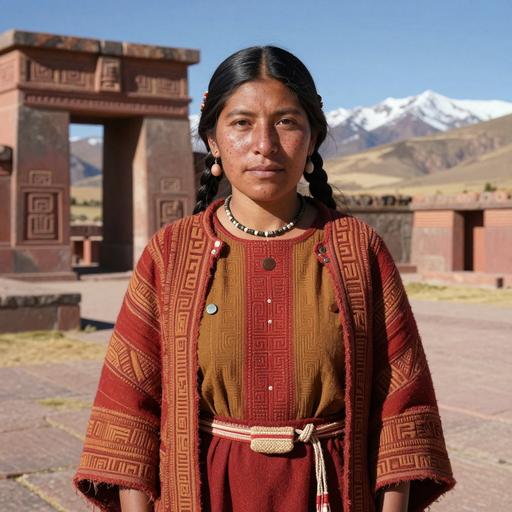
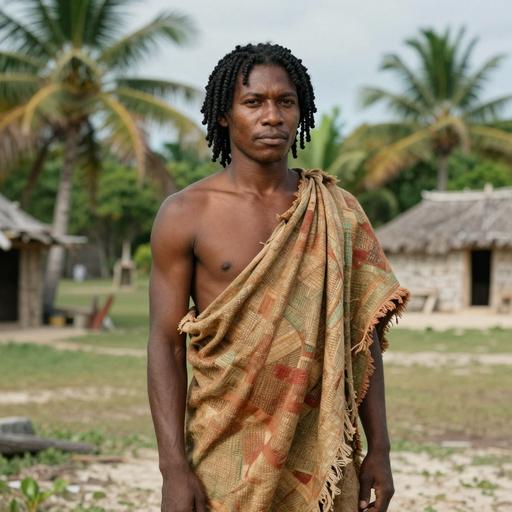
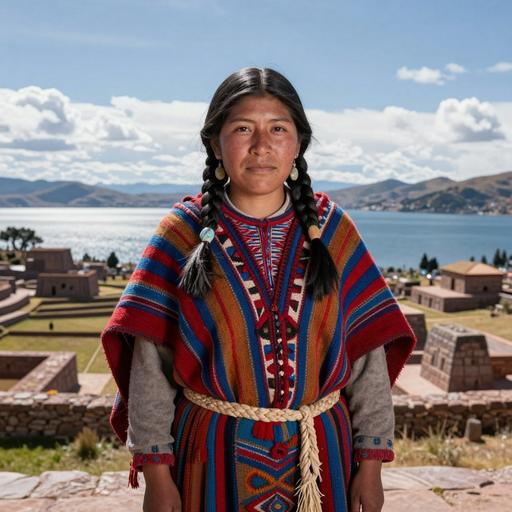
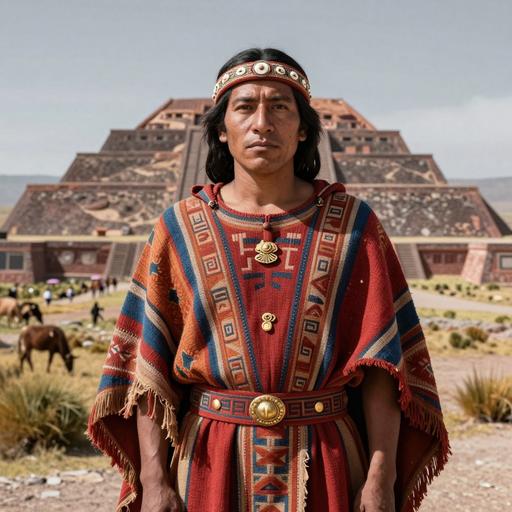
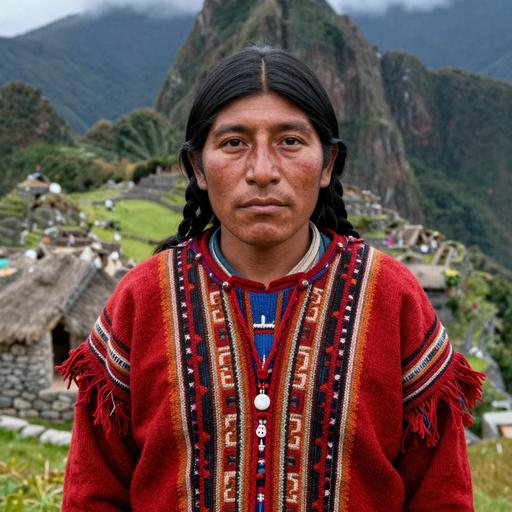
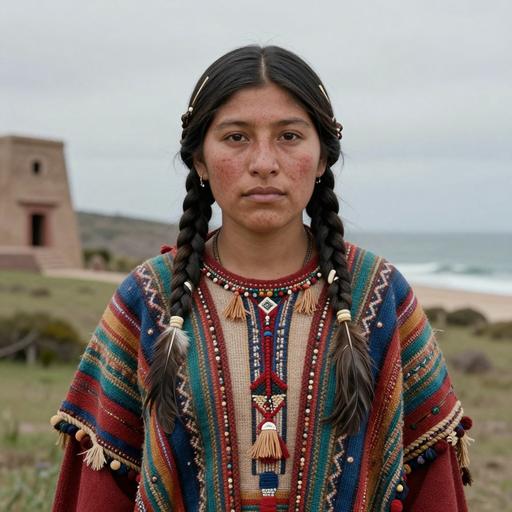
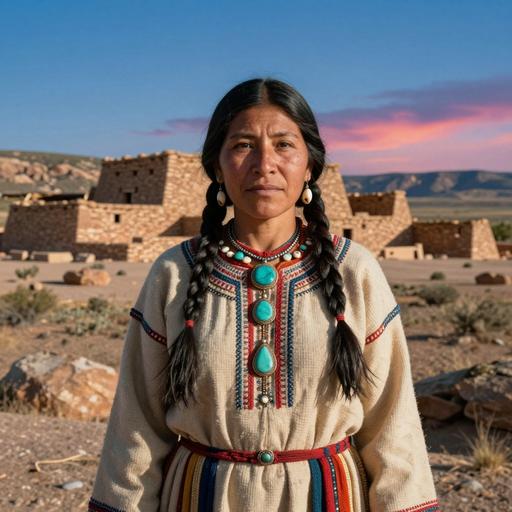
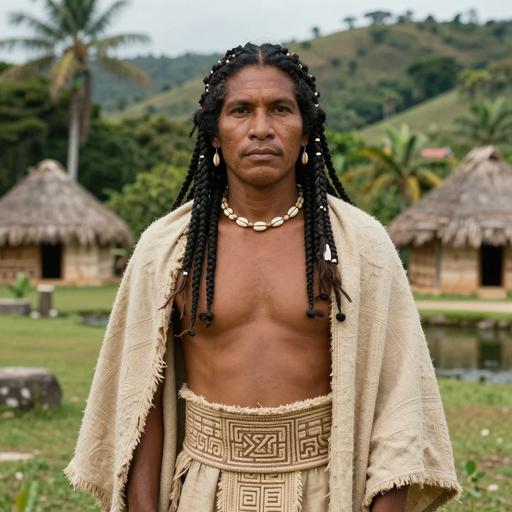
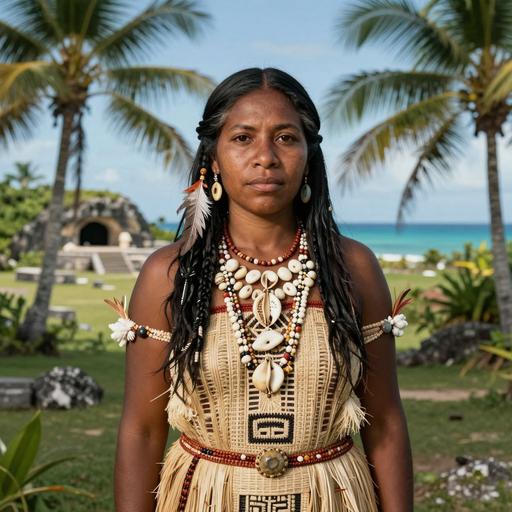
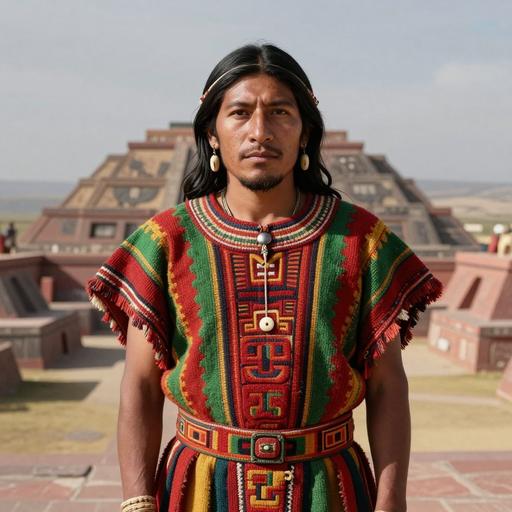
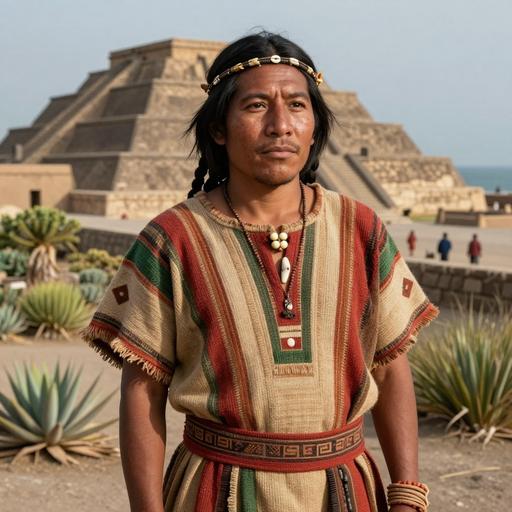
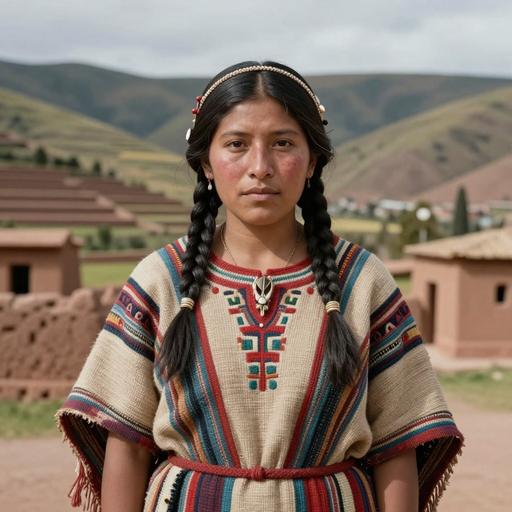
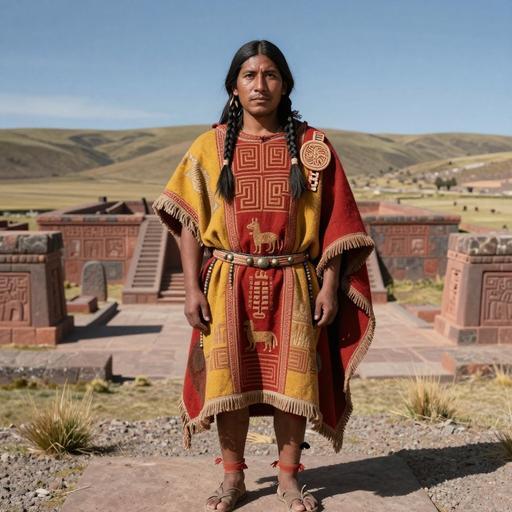
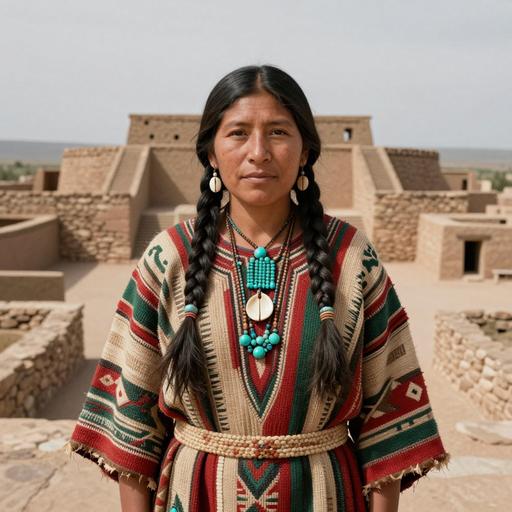
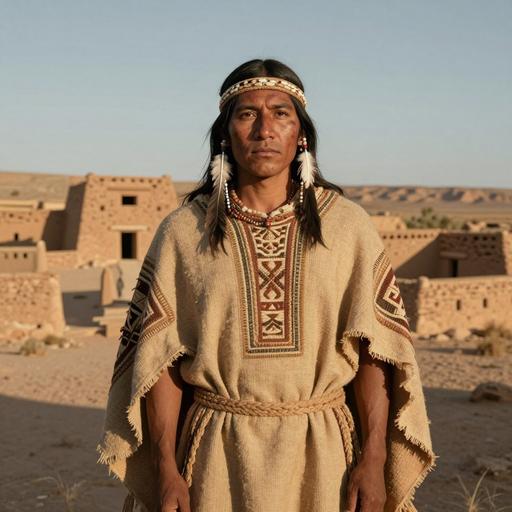
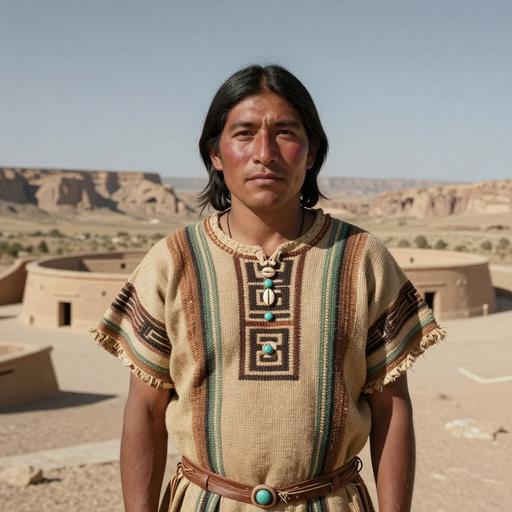
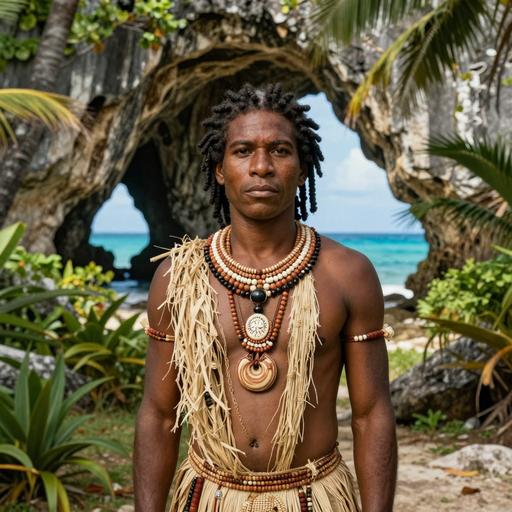
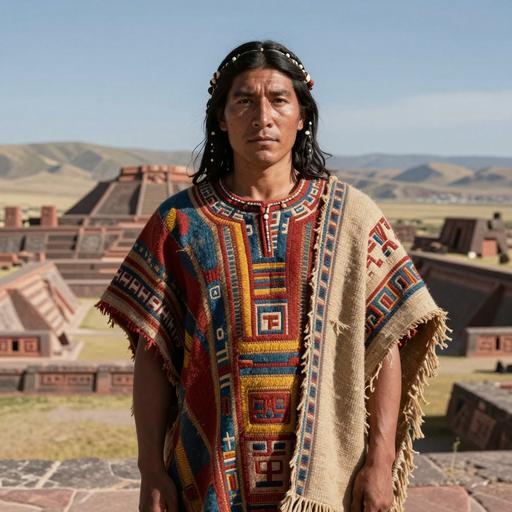
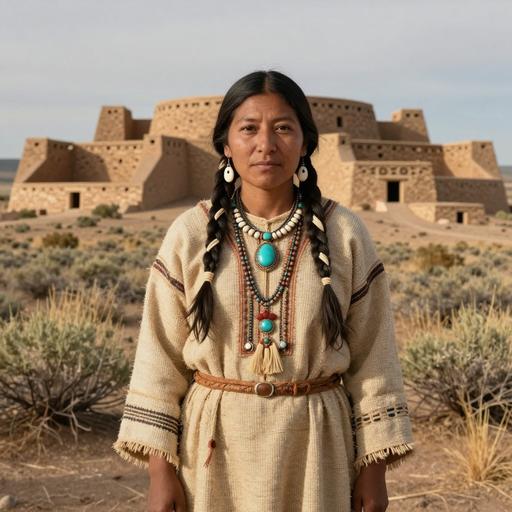
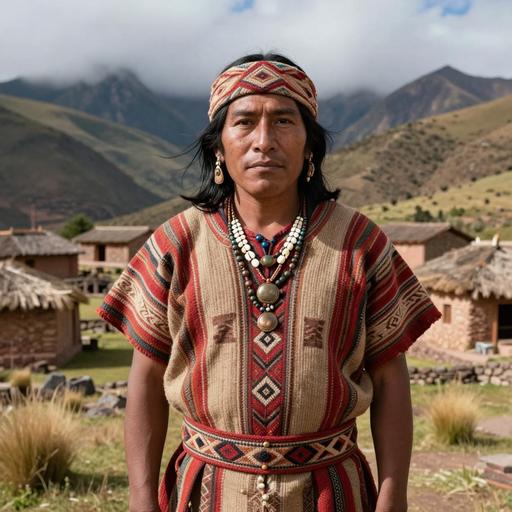
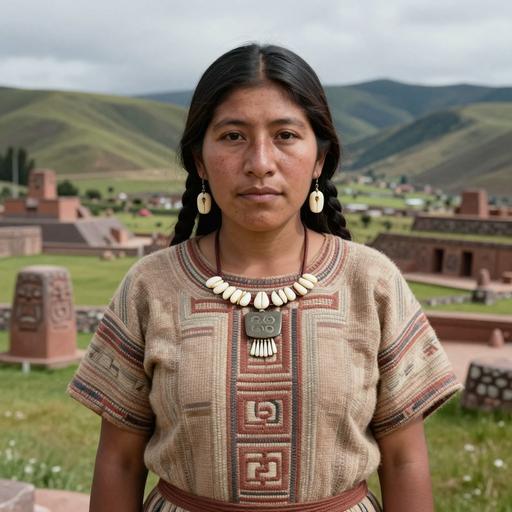
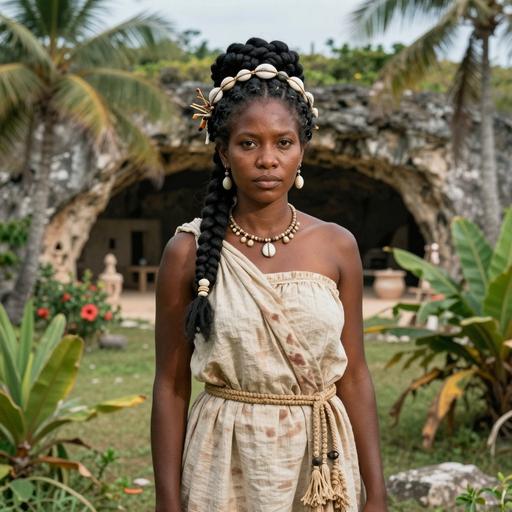
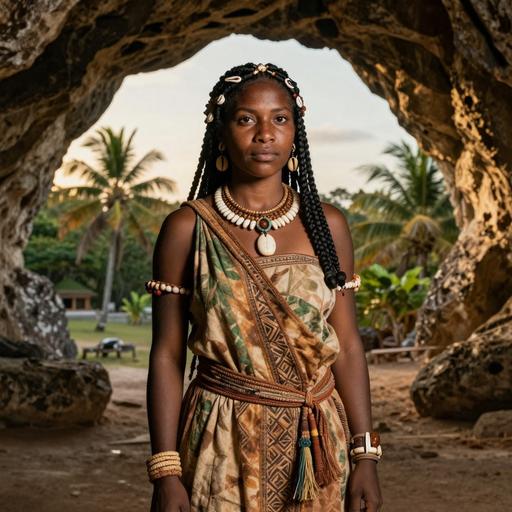
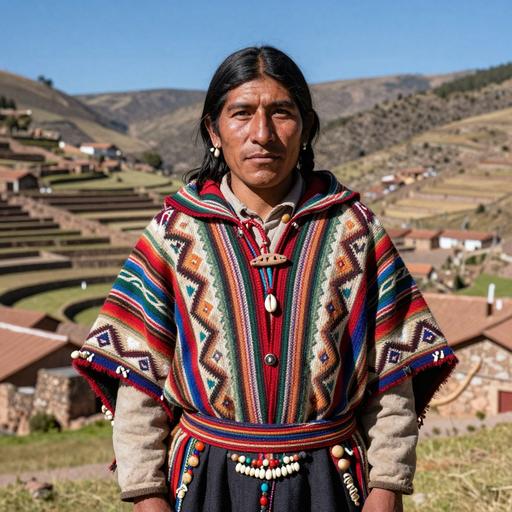
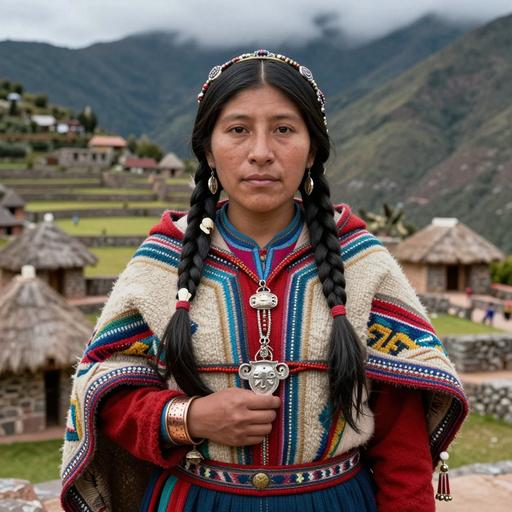
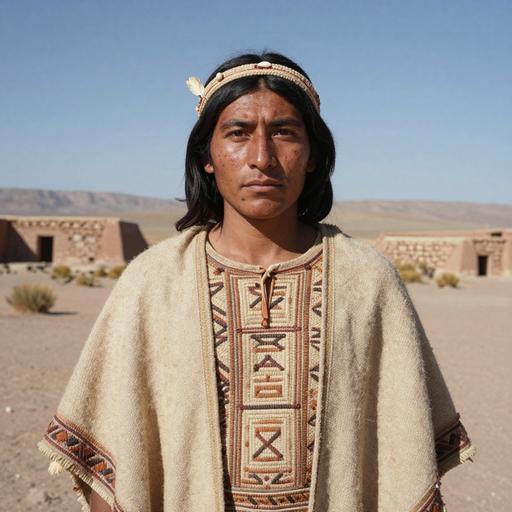
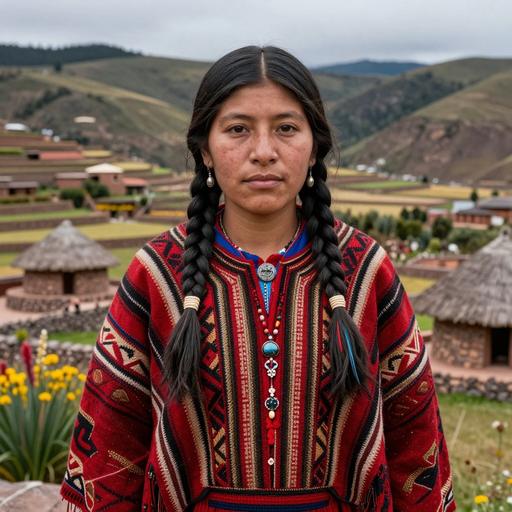
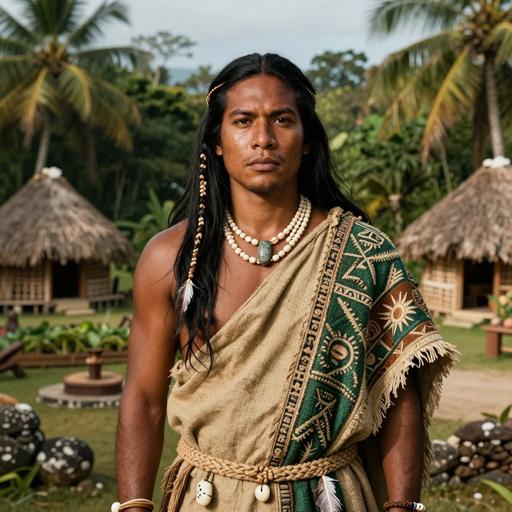
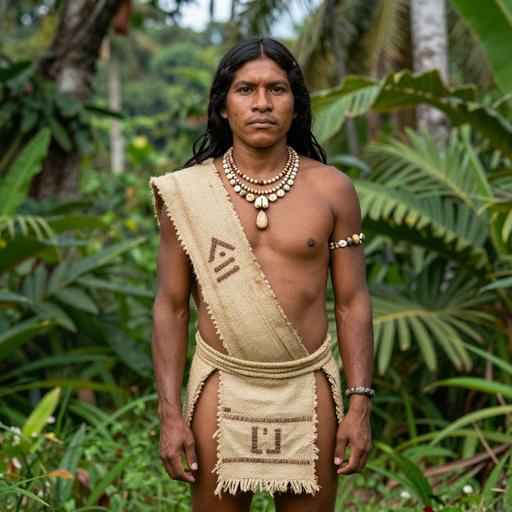
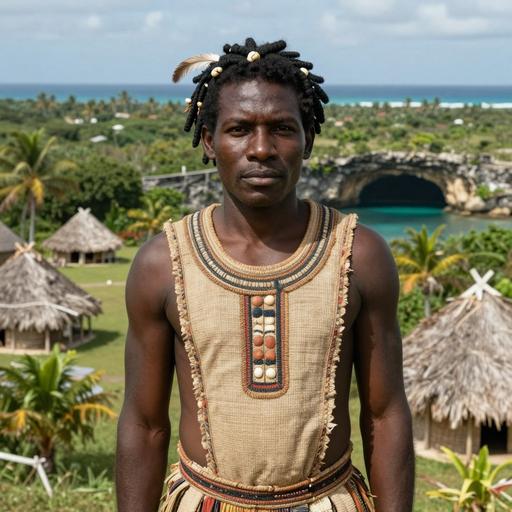
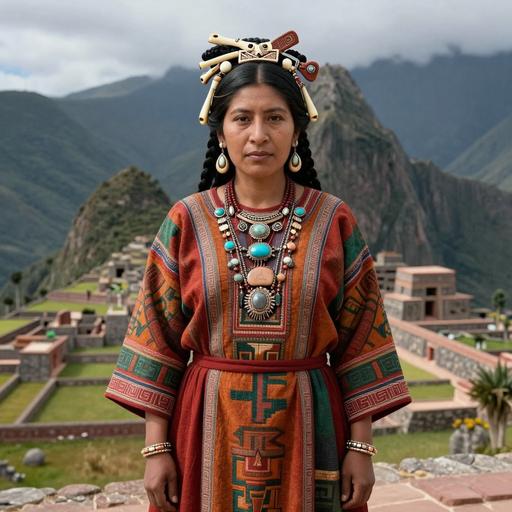
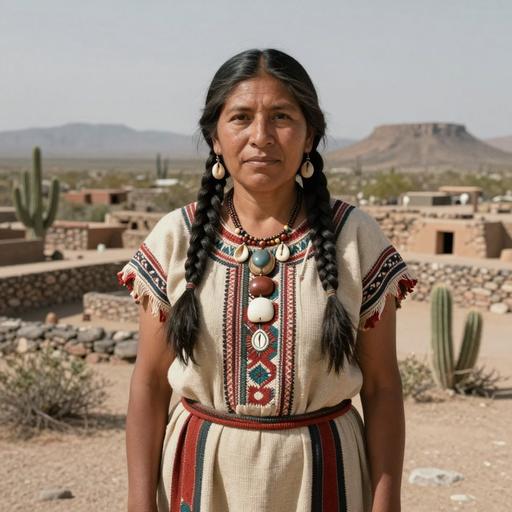
הדיוקנאות הם איורים שנוצרו בבינה מלאכותית. שמות הדגימות ומזהי ההפקדה מזהים את רשומות הייחוס.
דיוקן
הדגימה
המדינה
התקופה
התאריך
התרבות
mtDNA
סוג ההתאמה
מזהה דגימה: I0045
Peru
Early Intermediate Period Lima Culture, Peru 1,450 Years Ago
100-650 CE
Lima Culture
B2
תת-ענף
מזהה דגימה: IL3
Peru
Rio Uncallane, Peru 1,600 Years Ago
140 CE - 338 CE
Rio Uncallane
B2
תת-ענף
מזהה דגימה: IL3
Peru
Pre-Columbian South America
140 CE - 338 CE
B2
תת-ענף
מזהה דגימה: I0974
Peru
Early Intermediate Period Lima Culture, Peru 1,450 Years Ago
200-700 CE
Lima Culture
B2
תת-ענף
מזהה דגימה: E8CdV
Mexico
Mexico Guanajuato Medieval
500-700 CE
Loma San Gabriel
B2
תת-ענף
מזהה דגימה: YCH057
Mexico
Maya Lowland Classic
550 CE - 1200 CE
Maya Classic
B2
תת-ענף
מזהה דגימה: YCH057
Mexico
Maya Lowland Classic
550 CE - 1200 CE
Maya Classic
B2
תת-ענף
מזהה דגימה: JBT019
Brazil
Sambaqui Culture of Jabuticabeira II
553-646 calCE (1498±23, MAMS-28359)
Jabuticabeira II Sambaqui
B2
תת-ענף
מזהה דגימה: I2558
Peru
Early Intermediate Period Ullujaya, Peru 1,350 Years Ago
Ceramic Period Eleuthera Island, Bahamas - Bahamas - North Eleuthera. Preacher's Cave
Bahamas Ceramic Period Eleuthera Island, Bahamas 1047 CE - 1220 CE
B2תת-ענף
מזהה דגימה: PCV002
Ceramic Period Eleuthera Island, Bahamas - Bahamas - Preacher's Cave (Eleuthera, North part of island)
Bahamas Ceramic Period Eleuthera Island, Bahamas 1047-1220 calCE (890±23 BP, MAMS-39633)
B2תת-ענף
מזהה דגימה: I14878
Bahamas EleutheraIsl Ceramic dup.I14878 - North Eleuthera. Preacher's Cave
Bahamas The First Peoples of the Caribbean 1047 CE - 1220 CE
B2תת-ענף
מזהה דגימה: I1484
Laramate, Peru 900 Years Ago - Peru - Botigiriayocc. Laramate. Highlands
Peru Laramate, Peru 900 Years Ago 1050-1220 calCE (920±20 BP, PSUAMS-1615)
B2תת-ענף
מזהה דגימה: I2544
Late Intermediate Period Chanka Culture, Peru - Peru - Charrangochayoc
Peru Late Intermediate Period Chanka Culture, Peru 1100-1450 CE
B2תת-ענף
מזהה דגימה: I14009
Late Intermediate Period Pukara, Chile 700 Years Ago - Chile - Atacama Desert. Precordillera
Chile Late Intermediate Period Pukara, Chile 700 Years Ago 1155-1260 calCE (890±20 BP, PSUAMS-6819)
B2תת-ענף
מזהה דגימה: I2563
Late Intermediate Period Chanka Culture, Peru - Peru - Chanka
Peru Late Intermediate Period Chanka Culture, Peru 1200-1400 CE
B2תת-ענף
מזהה דגימה: I13190
Ceramic Period El Soco, Dominican Republic - Dominican Republic - El Soco
Dominican Republic Ceramic Period El Soco, Dominican Republic 1212-1271 calCE (815±20 BP, PSUAMS-8977)
B2תת-ענף
מזהה דגימה: I8118
Ceramic Period El Soco, Dominican Republic - Dominican Republic - El Soco
Dominican Republic Ceramic Period El Soco, Dominican Republic 1276-1384 calCE (690±20 BP, PSUAMS-7288)
B2תת-ענף
מזהה דגימה: I14876
Ceramic Period Eleuthera Island, Bahamas - Bahamas - North Eleuthera. Blue Hole
Bahamas Ceramic Period Eleuthera Island, Bahamas 1278 CE - 1388 CE
B2תת-ענף
מזהה דגימה: I14876
Bahamas The First Peoples of the Caribbean 1278 CE - 1388 CE
B2תת-ענף
מזהה דגימה: CO193
Tiwanaku Culture Cotahuasi, Peru - Peru - Cotahuasi
Peru Peru Cotahuasi Tiwanaku 1285-1387 calCE (714±20 BP, Wk-49176)
B2תת-ענף
מזהה דגימה: I23709
Trincheras Culture La Playa 600 Before Present - Mexico - La Playa (Sonora, Cerro Trincheras, Terraza B7)
Mexico Trincheras Culture La Playa 600 Before Present 1285-1390 calCE (655±20 BP, PSUAMS-12582)
B2תת-ענף
ענף אימהי · DNA קדום
מפת ראיות קדומות לענף השושלת
עקבו אחר ענפי המקור המובילים לענף זה, וגלו היכן נמצאו הדגימות הקדומות הקשורות אליו.
טוען תצפיות קדומות...
תנועה מופחתת פעילה. השתמשו בציר הזמן או בכפתור הצגת הכול כדי לעיין בקצב שלכם.
קריאת התצפיות כטבלה
התצפיות הקדומות המוצגות לפי ענף, תקופה ואמצע טווח התאריך
ענף
תקופה
טווח תאריכים
דגימה
מזהה דגימה
מיקום
הפלוגרופ
סוג הקשר
הסימונים מציינים מקומות מציאה ארכאולוגיים. קו מקווקו הוא מעבר גאוגרפי מוצע ולא ודאי בין ענפים עוקבים, הנתמך בכמה תצפיות מתוארכות. אין זה מסלול מדויק, מקום לידה או הוכחה לירידה ישירה. דגימות מענפי המקור עשויות להשתייך לענפי צאצאים אחרים. הפערים נשארים במקום שבו הראיות אינן מספיקות. תאריכי הדגימות שונים מתאריכי היווצרות ההפלוגרופ.
קיבוץ לפי תקופה היסטורית משקף מתי חי כל אדם קדום, על פני כל הענפים בשרשרת שושלת זו. אין זה רצף נדידה או ציר זמן אישי בין תקופות.
פרופיל הייחוס
מפת תפוצת הדגימות
התפוצה הגאוגרפית של דגימות דנ"א עתיק בהתאמה ישירה לקבוצה B או לתת-הענפים שלה. מספר דגימות: 75
דגימה מתת-ענף
סינון לפי תקופה
כל התקופות
כל הדגימות מוצגות
פרופיל הייחוס
תפוצה בזמן
תפוצת הדגימות על פני התקופות הארכאולוגיות
פרופיל הייחוס
תפוצה גאוגרפית
מספר הדגימות לפי המדינה המתועדת שלהן. הספירות משקפות את דגימות הייחוס הזמינות, בלי למדוד את תדירות הקבוצות ההפלוגרופיות באוכלוסייה.
פרופיל הייחוס
תפוצת הדגימות לפי מדינה ותקופה
השוו את מספר הדגימות המתועדות לפי מדינות ותקופות ארכאולוגיות. בחרו תא עם תוצאות כדי לראות אחת מהדגימות.
הנתונים
הנתונים ומקורותיהם
מידע על המקורות ואיכות הנתונים
עדכון אחרון2026-02-09
מקור הנתונים
הסיווג, התאריכים המשוערים וההקשר הגאוגרפי משקפים את נתוני הייחוס המתועדים, והם עשויים להשתנות כשהראיות נבדקות מחדש. כיסוי הדגימות משתנה, ומיקומים מתועדים וקשרים ארכאולוגיים אינם מוכיחים מוצא אישי או זהות תרבותית.