דילוג לתוכן הראשי
mtDNA · שושלת אימהית

H5A1G

mtDNA Haplogroup H5A1G

פרופיל ייחוס של ענף שושלת אחד. קבוצה הפלוגרופית משותפת אינה קובעת קשר משפחתי ואינה מגדירה זהות תרבותית.

פרופיל הייחוס

רקע הענף

ההקשר ההיסטורי של ענף H5A1G בשושלת mtDNA

Origins and Evolution

H5A1G is a downstream branch of mtDNA haplogroup H5A1, itself nested within the broader H5 clade of haplogroup H. Haplogroup H5A1 has been estimated to have formed in the Near East / West Asia in the early Holocene (~8.5 kya) and to have expanded into Europe with Neolithic farming populations and subsequent post‑glacial and Neolithic demographic processes. As a more derived subclade, H5A1G likely arose later than its parent H5A1, during the early to mid‑Holocene (estimated here ~6 kya), either within West Asia/Anatolia or along the Mediterranean fringe as populations carrying H5A1 dispersed and underwent local differentiation.

The emergence of H5A1G reflects the stepwise accumulation of mtDNA mutations within local maternal lineages after initial migration events. Because it is relatively rare in modern samples and appears with low counts in ancient DNA databases (one identified ancient sample in the user's dataset), its phylogeographic signal is best interpreted as a regional sublineage with localized founder effects rather than a broad continental expansion.

Subclades (if applicable)

At present H5A1G is described as a single named subclade of H5A1; if further downstream diversity is discovered through deeper sequencing or expanded sampling, additional sub-branches may be defined. Given the rarity of H5A1G in current databases, documented internal substructure is limited, and many public phylogenies treat it as a terminal or near-terminal lineage pending denser sampling.

Geographical Distribution

H5A1G shows a Mediterranean-centred distribution with higher relative frequencies in parts of Southern Europe and lower, patchy frequencies elsewhere in Europe, the Near East, the Caucasus and North Africa. Observed modern occurrences include Southern European populations (Italy, Greece, the Balkans and Mediterranean islands), moderate presence in parts of Western Europe (France, Iberia), lower to moderate frequencies in Eastern Europe, and occasional occurrences in Anatolia, the Levant and the Caucasus. Small numbers of carriers are also recorded in North Africa and, more rarely, in Central Asia. The pattern is consistent with a Near Eastern / Mediterranean origin followed by Neolithic dispersal and later regional drift/founder events (for example on islands or in isolated inland communities).

Historical and Cultural Significance

Because H5A1 (the parent clade) is associated with Neolithic and post‑glacial movements from the Near East into Europe, H5A1G is plausibly tied to those same processes at a local scale. Its presence in Southern European and Mediterranean island populations suggests involvement in early farming expansions (Anatolian-derived Neolithic farmers and associated Mediterranean maritime dispersals such as Cardial/Impressed Ware), with later continuity into Bronze Age and historical populations. H5A1G has also been observed in some Jewish maternal lineages and other Levantine‑connected communities, reflecting the complex demographic interactions across the eastern Mediterranean over millennia.

Given its low frequency, H5A1G is unlikely to mark major large‑scale migrations by itself, but it can be informative for tracing local maternal continuity, founder events (for example on islands or within specific regional populations), and population contacts between the Near East and Mediterranean Europe.

Conclusion

H5A1G is a rare, regionally informative maternal lineage derived from the Near Eastern/Anatolian‑rooted H5A1 clade. Its distribution—centered on the Mediterranean with spillover into adjacent regions—fits a model of early Holocene origin followed by Neolithic spread and later regional differentiation. Current interpretations remain provisional due to modest sample sizes and limited ancient DNA representation; further complete mtDNA sequencing and targeted ancient sampling in the eastern Mediterranean and southern Europe would help clarify its age, internal structure, and paleodemographic role.

נקודות עיקריות

  • Origins and Evolution
  • Subclades (if applicable)
  • Geographical Distribution
  • Historical and Cultural Significance
  • Conclusion
פרופיל הייחוס

עץ השושלת והענפים הקשורים

מקום הענף בעץ השושלת ותת-הענפים שלו

מסלול ההתפצלות של השושלת

עקבו אחר ענפי האב המתועדים עד H5A1G. התאריכים הם אומדנים ועשויים להשתנות כשנתוני הייחוס מתעדכנים.

שלבי התפצלות הקבוצה ההפלוגרופית גיל משוער התקופה הארכאולוגית הזמן שחלף ענפים ישירים דגימות מודרניות שנבדקו קישורים עתיקים
1 H5A1G הענף הנוכחי ~6,000 years ago Chalcolithic 6,000 שנים 1 30 0
2 H5A1 ~8,000 years ago Neolithic 8,500 שנים 6 161 0
3 H5A ~9,000 years ago Neolithic 9,000 שנים 8 331 73
4 H5 ~12,000 years ago Mesolithic 12,500 שנים 14 473 23
5 H5'36 - - - 2 482 0
6 H ~25,000 years ago Paleolithic 25,000 שנים 78 9,404 991
7 HV ~30,000 years ago Paleolithic 30,000 שנים 14 11,092 228
8 R0 ~15,000 years ago Mesolithic 15,000 שנים 2 11,230 4
9 R ~55,000 years ago Paleolithic 55,000 שנים 17 22,830 57
10 NA - - - 1 22,830 0
11 N ~60,000 years ago Paleolithic 60,000 שנים 16 26,150 13
12 L3 ~70,000 years ago Paleolithic 70,000 שנים 7 30,162 6
13 L3'4 - - - 2 30,212 0
14 L3'4'6 - - - 2 30,216 0
15 L2'3'4'6 - - - 2 31,333 0
16 L2'3'4'5'6'7 - - - 2 31,349 0
17 L1'2'3'4'5'6'7 - - - 2 31,852 0
18 L ~160,000 years ago Paleolithic 160,000 שנים 2 32,236 5

ענפים אחים (5)

ענפים נוספים מאותה קבוצה הפלוגרופית אב

פרופיל הייחוס

היכן הענף מופיע

תפוצה גאוגרפית ונוכחות נוכחית

מוצא מתועד

Near East / Mediterranean Europe

תפוצה נוכחית

The populations where MTDNA haplogroup H5A1G is found include:

  1. Southern European populations (Italy, Greece, Balkans, Mediterranean islands)
  2. Western European populations (France, Iberia at moderate levels)
  3. Eastern European and Balkan populations (Balkans, Poland, Ukraine at lower to moderate levels)
  4. Near Eastern and Anatolian populations (Turkey, Levant)
  5. Caucasus populations (Armenia, Georgia, Azerbaijan at low to moderate levels)
  6. Jewish communities (notably some Ashkenazi and other Levantine-derived maternal lineages)
  7. North African populations (Maghreb, at low to moderate frequencies)
  8. Small frequencies in parts of Central Asia and other Mediterranean island populations
הקשר היסטורי

ענף לאורך זמן

אומדן היווצרות בציר זמן היסטורי רחב. סמני התקופות נותנים הקשר ואינם מרמזים על קשר לתרבויות מסוימות.

  1. ~10k שנים לפני

    המהפכה הנאוליתית

    ראשית החקלאות והתגבשות קהילות יושבות קבע

  2. ~6k שנים לפני

    קבוצה הפלוגרופית H5A1G

    אומדן להיווצרות ענף mtDNA זה. תאריכים ומיקומים הם אומדני ייחוס.

    הענף הזה
  3. ~5k שנים לפני

    תקופת הברונזה

    עיבוד מתכות, כתב וציוויליזציות מוקדמות

  4. ~3k שנים לפני

    תקופת הברזל

    כלי ברזל ורשתות מסחר מורחבות

  5. ~2.5k שנים לפני

    העת העתיקה הקלאסית

    שגשוג הציוויליזציות היוונית והרומית

  6. Present

    ימינו

    העידן המודרני

פרופיל הייחוס

הקשר ארכאולוגי

הקשרים ארכאולוגיים מתועדים של ענף H5A1G מ-mtDNA

הקשרים מתועדים

תוויות אלה מתארות הקשרים ארכאולוגיים מתועדים של דגימות הייחוס המקושרות ל-H5A1G. הקישור אינו מוכיח שכל נושאי הענף השתייכו לתרבות מסוימת או הלכו במסלול נדידה מסוים.

ANATOLIAN_BRONZE_AGE Bell Beaker Broion Corded Ware Globular Amphora Italian Neolithic Kaillachuro
סיווג התרבויות מבוסס על ההקשר הארכאולוגי של דגימות דנ"א עתיק, והוא עשוי לשקף קשרים אזוריים בתקופות מסוימות.
פרופיל הייחוס

אינדקס דגימות

דגימות של הקבוצה ההפלוגרופית H5A1G: 1 בהתאמה ישירה ו-2 מתת-ענפים

3 מוצגות · 3 דגימות תואמות

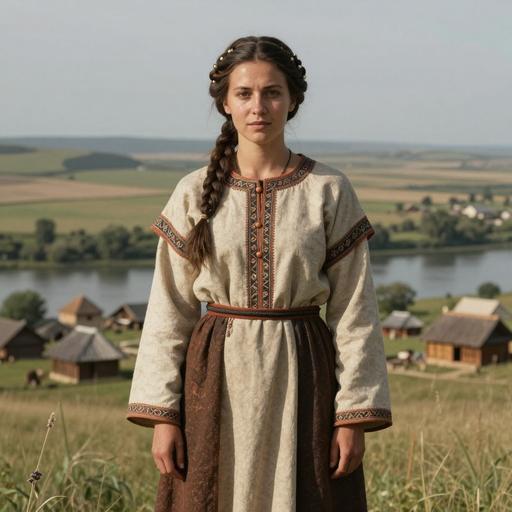
הדיוקנאות הם איורים שנוצרו בבינה מלאכותית. שמות הדגימות ומזהי ההפקדה מזהים את רשומות הייחוס.

דיוקן הדגימה המדינה התקופה התאריך התרבות mtDNA סוג ההתאמה
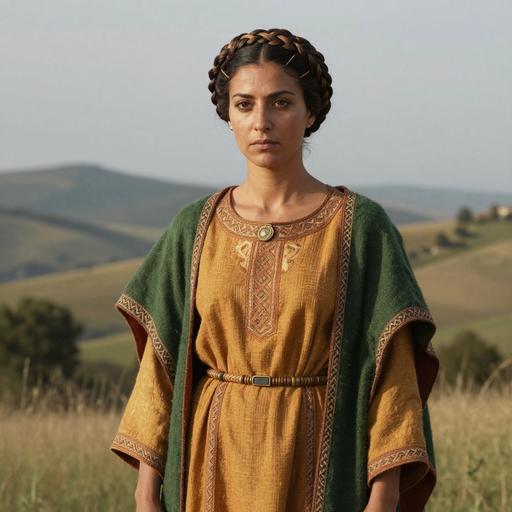
שחזור אמנותי שנוצר בבינה מלאכותית של הדגימה Czechia Bell Beaker individual, Prague 5 - Malá Ohrada, Czech Republic (2,340-2,146 BCE)
מזהה דגימה: I7281
Czech Republic Bell Beaker Culture, Czech Republic 2340-2146 calBCE (3810±20 BP, PSUAMS-4350) Bell Beaker H5a1g התאמה ישירה
שחזור אמנותי שנוצר בבינה מלאכותית של הדגימה Basilicata Late Antiquity Roman individual, Basilicata. Potenza. Venosa, Italy (600-800 CE)
מזהה דגימה: VEN018
Italy Basilicata Venosa Culture 600-800 CE Venosa H5a1g1a תת-ענף
שחזור אמנותי שנוצר בבינה מלאכותית של הדגימה Late Avar-o Low East Asia individual, Rákóczifalva-Bagi-földek (Jász-Nagykun-Szolnok Coiunty, Szolnok), Hungary (650-900 CE)
מזהה דגימה: RKF159
Hungary Hungary LateAvar 650-900 CE Avar Culture H5a1g1a תת-ענף
ענף אימהי · DNA קדום

מפת ראיות קדומות לענף השושלת

עקבו אחר ענפי המקור המובילים לענף זה, וגלו היכן נמצאו הדגימות הקדומות הקשורות אליו.

טוען תצפיות קדומות...

הסימונים מציינים מקומות מציאה ארכאולוגיים. קו מקווקו הוא מעבר גאוגרפי מוצע ולא ודאי בין ענפים עוקבים, הנתמך בכמה תצפיות מתוארכות. אין זה מסלול מדויק, מקום לידה או הוכחה לירידה ישירה. דגימות מענפי המקור עשויות להשתייך לענפי צאצאים אחרים. הפערים נשארים במקום שבו הראיות אינן מספיקות. תאריכי הדגימות שונים מתאריכי היווצרות ההפלוגרופ.

פרופיל הייחוס

מפת תפוצת הדגימות

התפוצה הגאוגרפית של דגימות דנ"א עתיק בהתאמה ישירה לקבוצה H5A1G או לתת-הענפים שלה. מספר דגימות: 3

דגימה בהתאמה ישירה דגימה מתת-ענף
סינון לפי תקופה
כל התקופות
כל הדגימות מוצגות
פרופיל הייחוס

תפוצה בזמן

תפוצת הדגימות על פני התקופות הארכאולוגיות

פרופיל הייחוס

תפוצה גאוגרפית

מספר הדגימות לפי המדינה המתועדת שלהן. הספירות משקפות את דגימות הייחוס הזמינות, בלי למדוד את תדירות הקבוצות ההפלוגרופיות באוכלוסייה.

פרופיל הייחוס

תפוצת הדגימות לפי מדינה ותקופה

השוו את מספר הדגימות המתועדות לפי מדינות ותקופות ארכאולוגיות. בחרו תא עם תוצאות כדי לראות אחת מהדגימות.

הנתונים

הנתונים ומקורותיהם

מידע על המקורות ואיכות הנתונים

עדכון אחרון 2026-02-16
רמת ביטחון 50/100
כיסוי Low

מקור הנתונים

הסיווג, התאריכים המשוערים וההקשר הגאוגרפי משקפים את נתוני הייחוס המתועדים, והם עשויים להשתנות כשהראיות נבדקות מחדש. כיסוי הדגימות משתנה, ומיקומים מתועדים וקשרים ארכאולוגיים אינם מוכיחים מוצא אישי או זהות תרבותית.

קבוצה הפלוגרופית מייצגת שושלת אחת מצד האם או מצד האב. הענף שאפשר לחזות תלוי בסמנים הגנטיים שבקובץ הדנ״א. איך אנחנו מנתחים דנ״א