דילוג לתוכן הראשי
mtDNA · שושלת אימהית

HV

mtDNA Haplogroup HV

פרופיל ייחוס של ענף שושלת אחד. קבוצה הפלוגרופית משותפת אינה קובעת קשר משפחתי ואינה מגדירה זהות תרבותית.

פרופיל הייחוס

רקע הענף

ההקשר ההיסטורי של ענף HV בשושלת mtDNA

Origins and Evolution

Haplogroup HV derives from the major macro-haplogroup R and is best understood as a West Eurasian branch that formed during the Late Pleistocene (roughly the Upper Paleolithic). Estimates place the origin of HV at about ~25–35 kya, likely in the Near East or adjacent parts of Western Asia, a region that acted as a refugium and corridor between Southwest Asia, the Caucasus, and Ice Age Europe. From HV arose several important descendant lineages—most notably H and V—that later became prominent in Europe.

Over time HV diversified into internal branches (often labeled HV0, HV1, HV2, etc.) with differing geographic footprints; some lineages remained concentrated in the Near East and Caucasus, while others expanded into Europe during postglacial recolonizations and later demographic events.

Subclades

  • H (mtDNA H): The largest and most widespread descendant of HV, H experienced a major expansion in Europe, particularly during the Late Paleolithic and Mesolithic and continuing into the Neolithic and later periods. H reaches high frequencies in many contemporary European populations.
  • V (mtDNA V): A smaller branch derived from HV that is notable for elevated frequency in Northwest Europe and among some Saami and other circumarctic groups; V is often interpreted as a postglacial re-expansion lineage from southwestern refugia.
  • Other HV sublineages (HV0, HV1, HV2, etc.): Several less common branches persist across the Near East, Caucasus, and parts of Europe and North Africa; some of these represent deep regional continuity while others reflect later movement and admixture.

Geographical Distribution

HV and its descendants show a classic West Eurasian distribution. Modern and ancient DNA studies indicate:

  • Southern and Western Europe: High representation of descendant haplogroup H (derived from HV) and detectable HV lineages, reflecting both Paleolithic presence and later demographic expansions.
  • Northern Europe and Scandinavia: Presence of V and some H subclades, with V particularly notable among Saami and certain Atlantic coastal populations, consistent with postglacial recolonization routes.
  • Near East and Caucasus: Many basal HV and HV-derived lineages persist, indicating an origin or long-term presence in this region and acting as a source reservoir for later European dispersals.
  • North Africa and Central/South Asia: Low-frequency occurrences of HV lineages reflect prehistoric connections, trade, and episodic gene flow between West Eurasia and neighboring regions.

Ancient DNA has repeatedly recovered HV or its descendants in Upper Paleolithic, Mesolithic, and Neolithic contexts in Europe and the Near East, supporting a long-term role in Eurasian maternal ancestry.

Historical and Cultural Significance

Haplogroup HV (through its major daughter H) is central to discussions of European maternal ancestry. The expansion of H is often associated with postglacial recolonization of northern Europe and with major demographic shifts during the Mesolithic and Neolithic. Sublineage V has been used in studies of Uralic- and Saami-related histories because of its elevated frequencies in those groups.

HV-lineages appear in a variety of archaeological contexts — from Upper Paleolithic hunter-gatherers to Neolithic farming communities and Bronze Age cultures in Europe — making this haplogroup informative for reconstructing maternal lineage continuity, migration routes, and demographic events across West Eurasia.

Conclusion

mtDNA haplogroup HV is a pivotal West Eurasian lineage that links the broader R macro-haplogroup to the highly successful European haplogroups H and V. Its origin in the Near East/Western Asia during the Late Pleistocene and subsequent dispersal into Europe underpin much of the maternal genetic landscape of modern Europeans, while residual basal HV lineages preserve genetic signatures of ancient Near Eastern and Caucasian populations.

נקודות עיקריות

  • Origins and Evolution
  • Subclades
  • Geographical Distribution
  • Historical and Cultural Significance
  • Conclusion

פרופיל הייחוס

עץ השושלת והענפים הקשורים

מקום הענף בעץ השושלת ותת-הענפים שלו

מסלול ההתפצלות של השושלת

עקבו אחר ענפי האב המתועדים עד HV. התאריכים הם אומדנים ועשויים להשתנות כשנתוני הייחוס מתעדכנים.

שלבי התפצלות הקבוצה ההפלוגרופית גיל משוער התקופה הארכאולוגית הזמן שחלף ענפים ישירים דגימות מודרניות שנבדקו קישורים עתיקים
1 HV הענף הנוכחי ~30,000 years ago Paleolithic 30,000 שנים 14 11,092 228
2 R0 ~15,000 years ago Mesolithic 15,000 שנים 2 11,230 4
3 R ~55,000 years ago Paleolithic 55,000 שנים 17 22,830 57
4 NA - - - 1 22,830 0
5 N ~60,000 years ago Paleolithic 60,000 שנים 16 26,150 13
6 L3 ~70,000 years ago Paleolithic 70,000 שנים 7 30,162 6
7 L3'4 - - - 2 30,212 0
8 L3'4'6 - - - 2 30,216 0
9 L2'3'4'6 - - - 2 31,333 0
10 L2'3'4'5'6'7 - - - 2 31,349 0
11 L1'2'3'4'5'6'7 - - - 2 31,852 0
12 L ~160,000 years ago Paleolithic 160,000 שנים 2 32,236 5

ענפים אחים (1)

ענפים נוספים מאותה קבוצה הפלוגרופית אב

פרופיל הייחוס

היכן הענף מופיע

תפוצה גאוגרפית ונוכחות נוכחית

מוצא מתועד

Near East / Western Asia

תפוצה נוכחית

The populations where mtDNA haplogroup HV is found include:

  1. Western and Southern European populations (high presence of descendant H and detectable HV)
  2. Northern European populations, including Scandinavian coastal groups and the Saami (notable for V)
  3. Near Eastern populations (Anatolia, Levant, Caucasus) with basal HV lineages
  4. North African populations at low to moderate frequencies (historical and prehistoric gene flow)
  5. Central and South Asian populations at low frequencies (historic contacts and migrations)
הקשר היסטורי

ענף לאורך זמן

אומדן היווצרות בציר זמן היסטורי רחב. סמני התקופות נותנים הקשר ואינם מרמזים על קשר לתרבויות מסוימות.

  1. ~30k שנים לפני

    קבוצה הפלוגרופית HV

    אומדן להיווצרות ענף mtDNA זה. תאריכים ומיקומים הם אומדני ייחוס.

    הענף הזה
  2. ~20k שנים לפני

    שיא עידן הקרח האחרון

    שיא עידן הקרח האחרון, ואוכלוסיות שנותרו מבודדות

  3. ~10k שנים לפני

    המהפכה הנאוליתית

    ראשית החקלאות והתגבשות קהילות יושבות קבע

  4. ~5k שנים לפני

    תקופת הברונזה

    עיבוד מתכות, כתב וציוויליזציות מוקדמות

  5. ~3k שנים לפני

    תקופת הברזל

    כלי ברזל ורשתות מסחר מורחבות

  6. ~2.5k שנים לפני

    העת העתיקה הקלאסית

    שגשוג הציוויליזציות היוונית והרומית

  7. Present

    ימינו

    העידן המודרני

פרופיל הייחוס

הקשר ארכאולוגי

הקשרים ארכאולוגיים מתועדים של ענף HV מ-mtDNA

הקשרים מתועדים

תוויות אלה מתארות הקשרים ארכאולוגיים מתועדים של דגימות הייחוס המקושרות ל-HV. הקישור אינו מוכיח שכל נושאי הענף השתייכו לתרבות מסוימת או הלכו במסלול נדידה מסוים.

Ganj Dareh Culture Hajji Firuz Iron Gates Culture Pottery Neolithic PPNA Anatolia Starčevo Starčevo Culture Szatmár Group

סיווג התרבויות מבוסס על ההקשר הארכאולוגי של דגימות דנ"א עתיק, והוא עשוי לשקף קשרים אזוריים בתקופות מסוימות.
פרופיל הייחוס

אינדקס דגימות

דגימות של הקבוצה ההפלוגרופית HV: 34 בהתאמה ישירה ו-66 מתת-ענפים

10 מוצגות · 50 דגימות תואמות

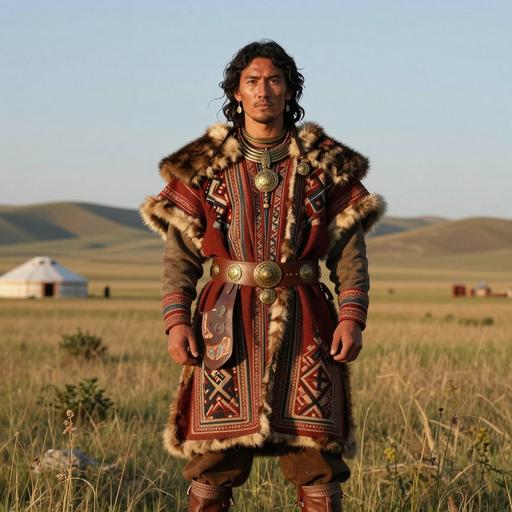
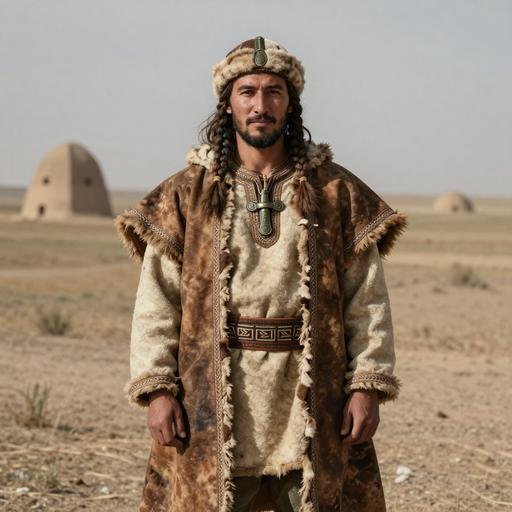
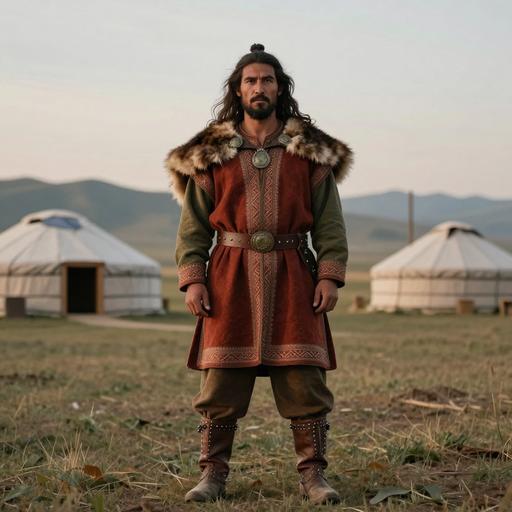
הדיוקנאות הם איורים שנוצרו בבינה מלאכותית. שמות הדגימות ומזהי ההפקדה מזהים את רשומות הייחוס.

דיוקן הדגימה המדינה התקופה התאריך התרבות mtDNA סוג ההתאמה
שחזור אמנותי שנוצר בבינה מלאכותית של הדגימה Lazio Late Antiquity Imperial Roman Roman individual, Isola Sacra, Italy (1-400 CE)

מזהה דגימה: R37
Italy Imperial Rome 1-400 CE Roman Empire HV התאמה ישירה
שחזור אמנותי שנוצר בבינה מלאכותית של הדגימה Scotland LIA individual, Scotland. South Uist. Hornish Point, United Kingdom (159-26 BCE)
מזהה דגימה: I2699
United Kingdom Scotland LIA 159 calBCE - 26 calCE (2050±30 BP, SUERC-24241) Scottish Iron Age HV התאמה ישירה
שחזור אמנותי שנוצר בבינה מלאכותית של הדגימה Drantum Medieval Saxon individual, Lower Saxony. Drantum, Germany (600-900 CE)
מזהה דגימה: DRU001
Germany Saxon Medieval Drantum, Germany 600-900 CE Saxon Drantum HV התאמה ישירה
שחזור אמנותי שנוצר בבינה מלאכותית של הדגימה Late Avar individual, Jász-Nagykun-Szolnok County. Tiszafüred-Majoros-halom, Hungary (663-818 CE)
מזהה דגימה: TMH-199
Hungary Hungary LateAvar 663-818 calCE (1280±27 BP, DeA-22541) Avar Culture HV התאמה ישירה
שחזור אמנותי שנוצר בבינה מלאכותית של הדגימה Tuscany Early Medieval individual, Tuscany. Siena. Chiusi, Italy (700-1,200 CE)
מזהה דגימה: ETR004
Italy Early Medieval Siena, Tuscany, Italy 700-1200 CE Siena Culture HV התאמה ישירה
שחזור אמנותי שנוצר בבינה מלאכותית של הדגימה Steppe Nomads individual, Izmaylovka Kurgan. East Kazakhstan, Kazakhstan (777-547 BCE)
מזהה דגימה: I3752
Kazakhstan Kazakhstan IA Saka 777 BCE - 547 BCE Saka Culture HV התאמה ישירה
שחזור אמנותי שנוצר בבינה מלאכותית של הדגימה Medieval individual, Zealand. Kopenhagen, Denmark (1,000-1,100 CE)
מזהה דגימה: KPN014
Denmark Saxon Medieval Zealand, Denmark 1000-1100 CE Zealand Saxon HV התאמה ישירה
שחזור אמנותי שנוצר בבינה מלאכותית של הדגימה Karashamb LBA individual, Karashamb Cemetery, Armenia (1,203-1,014 BCE)
מזהה דגימה: I19354
Armenia Late Bronze Age Armenia 1203-1014 calBCE (2910±25 BP, PSUAMS-9009) Late Bronze Age Armenian HV התאמה ישירה
שחזור אמנותי שנוצר בבינה מלאכותית של הדגימה Western European individual, Villa Magna, Italy (1,280-1,430 CE)
מזהה דגימה: R61
Italy Medieval to Early Modern Italy 1280 CE - 1430 CE Medieval Italian HV התאמה ישירה
שחזור אמנותי שנוצר בבינה מלאכותית של הדגימה Attica Kolikrepi Spata BA individual, Attica. Kolikrepi-Spata, Greece (1,516-1,436 BCE)
מזהה דגימה: I14872
Greece Mycenaean Greece 1516-1436 calBCE (3220±20 BP, PSUAMS-7863) Mycenaean HV התאמה ישירה
ענף אימהי · DNA קדום

מפת ראיות קדומות לענף השושלת

עקבו אחר ענפי המקור המובילים לענף זה, וגלו היכן נמצאו הדגימות הקדומות הקשורות אליו.

טוען תצפיות קדומות...

הסימונים מציינים מקומות מציאה ארכאולוגיים. קו מקווקו הוא מעבר גאוגרפי מוצע ולא ודאי בין ענפים עוקבים, הנתמך בכמה תצפיות מתוארכות. אין זה מסלול מדויק, מקום לידה או הוכחה לירידה ישירה. דגימות מענפי המקור עשויות להשתייך לענפי צאצאים אחרים. הפערים נשארים במקום שבו הראיות אינן מספיקות. תאריכי הדגימות שונים מתאריכי היווצרות ההפלוגרופ.

פרופיל הייחוס

מפת תפוצת הדגימות

התפוצה הגאוגרפית של דגימות דנ"א עתיק בהתאמה ישירה לקבוצה HV או לתת-הענפים שלה. מספר דגימות: 100

דגימה בהתאמה ישירה דגימה מתת-ענף
סינון לפי תקופה
כל התקופות
כל הדגימות מוצגות
פרופיל הייחוס

תפוצה בזמן

תפוצת הדגימות על פני התקופות הארכאולוגיות

פרופיל הייחוס

תפוצה גאוגרפית

מספר הדגימות לפי המדינה המתועדת שלהן. הספירות משקפות את דגימות הייחוס הזמינות, בלי למדוד את תדירות הקבוצות ההפלוגרופיות באוכלוסייה.

פרופיל הייחוס

תפוצת הדגימות לפי מדינה ותקופה

השוו את מספר הדגימות המתועדות לפי מדינות ותקופות ארכאולוגיות. בחרו תא עם תוצאות כדי לראות אחת מהדגימות.

הנתונים

הנתונים ומקורותיהם

מידע על המקורות ואיכות הנתונים

עדכון אחרון 2026-02-09

מקור הנתונים

הסיווג, התאריכים המשוערים וההקשר הגאוגרפי משקפים את נתוני הייחוס המתועדים, והם עשויים להשתנות כשהראיות נבדקות מחדש. כיסוי הדגימות משתנה, ומיקומים מתועדים וקשרים ארכאולוגיים אינם מוכיחים מוצא אישי או זהות תרבותית.