דילוג לתוכן הראשי
mtDNA · שושלת אימהית

H5G

mtDNA Haplogroup H5G

פרופיל ייחוס של ענף שושלת אחד. קבוצה הפלוגרופית משותפת אינה קובעת קשר משפחתי ואינה מגדירה זהות תרבותית.

פרופיל הייחוס

רקע הענף

ההקשר ההיסטורי של ענף H5G בשושלת mtDNA

Origins and Evolution

Haplogroup H5G is a descendant lineage of mtDNA haplogroup H5, itself a branch of the broadly distributed European/Near Eastern macro-haplogroup H. While H5 is estimated to have arisen around the late Pleistocene to early Holocene (commonly placed near ~12 kya), H5G represents a younger offshoot that likely emerged after the initial diversification of H5, during the early Holocene or the early Neolithic (here estimated ~8 kya). Its origin is best placed in the Near East/West Asia region where H5 lineages show deep diversity, and from where subsequent dispersals carried daughter clades into Europe.

Mutationally, H5G is defined by a set of control-region and coding-region variants that distinguish it from other H5 subclades; like other H5 lineages, it sits on a tree that documents post-glacial expansions and later Neolithic-mediated gene flow. The relatively limited diversity and patchy geographic distribution of H5G suggest one or more localized founder events followed by dispersal into neighboring regions rather than a continent-wide Paleolithic expansion.

Subclades

At present H5G is treated as a specific terminal subclade within H5 rather than a large clade with many well-differentiated downstream branches. Where internal diversity has been observed, it tends to be shallow, consistent with a Holocene origin and a history of regional founder effects. Ongoing mitogenome sequencing can reveal further internal structure; however, compared with larger H5 subclades (for example H5a), H5G remains a relatively minor lineage in terms of named downstream branches.

Geographical Distribution

H5G is most frequently detected at low to moderate levels in populations bordering the Mediterranean and in parts of Europe that received Near Eastern gene flow during the post‑glacial and Neolithic periods. Documented occurrences are concentrated in:

  • Southern Europe (Italy, Greece, Mediterranean islands) where H5 and its subclades are well represented
  • Western Europe and Iberia at lower to moderate frequencies in some regional surveys
  • Eastern Europe and the Balkans at low to moderate levels consistent with a stepping-stone dispersal
  • Anatolia, the Levant, and the Caucasus where H5 diversity suggests origin and early diversification
  • Minor occurrences in North Africa and, more rarely, in parts of Central Asia reflecting historical mobility and Mediterranean contacts

Its presence in archaeological ancient DNA is sparse but consistent with Holocene contexts in the Mediterranean and adjacent regions; the pattern fits a lineage that expanded regionally with farming and later population movements rather than a deep Paleolithic European signature.

Historical and Cultural Significance

Because H5G is a sublineage of a haplogroup associated with post‑glacial re-expansions and Neolithic farmer dispersals, its cultural and historical associations are tied to those processes. In prehistoric and historic population-genetic surveys, H5 and some subclades (notably H5a) are linked to Neolithic and Bronze Age demographic changes in Europe and to founder events in certain communities; H5G appears to have played a smaller, regionally localized role.

Archaeological culture associations for H5G are therefore indirect: the clade is compatible with the maternal gene flow associated with early Neolithic farmer expansions from Anatolia into Europe, and with later Bronze Age and Iron Age population movements that reshaped maternal lineages locally. H5G’s limited frequency profile means it rarely defines broad cultural transitions on its own but can serve as a marker of specific maternal line continuity or founder events in local histories.

Conclusion

H5G is a Holocene-age maternal lineage nested within H5 that likely arose in the Near East / West Asia and spread into southern and adjacent parts of Europe through early farming and subsequent regional movements. Its distribution — low to moderate and patchy — points to localized founder effects and historical mobility rather than a wide-scale prehistoric demic expansion. Continued full mitogenome sampling, especially from under-sampled regions and ancient contexts, will refine the timing, geographic origin, and internal structure of H5G.

נקודות עיקריות

  • Origins and Evolution
  • Subclades
  • Geographical Distribution
  • Historical and Cultural Significance
  • Conclusion
פרופיל הייחוס

עץ השושלת והענפים הקשורים

מקום הענף בעץ השושלת ותת-הענפים שלו

מסלול ההתפצלות של השושלת

עקבו אחר ענפי האב המתועדים עד H5G. התאריכים הם אומדנים ועשויים להשתנות כשנתוני הייחוס מתעדכנים.

שלבי התפצלות הקבוצה ההפלוגרופית גיל משוער התקופה הארכאולוגית הזמן שחלף ענפים ישירים דגימות מודרניות שנבדקו קישורים עתיקים
1 H5G הענף הנוכחי ~8,000 years ago Neolithic 8,000 שנים 0 0 1
2 H5 ~12,000 years ago Mesolithic 12,500 שנים 14 473 23
3 H5'36 - - - 2 482 0
4 H ~25,000 years ago Paleolithic 25,000 שנים 78 9,404 991
5 HV ~30,000 years ago Paleolithic 30,000 שנים 14 11,092 228
6 R0 ~15,000 years ago Mesolithic 15,000 שנים 2 11,230 4
7 R ~55,000 years ago Paleolithic 55,000 שנים 17 22,830 57
8 NA - - - 1 22,830 0
9 N ~60,000 years ago Paleolithic 60,000 שנים 16 26,150 13
10 L3 ~70,000 years ago Paleolithic 70,000 שנים 7 30,162 6
11 L3'4 - - - 2 30,212 0
12 L3'4'6 - - - 2 30,216 0
13 L2'3'4'6 - - - 2 31,333 0
14 L2'3'4'5'6'7 - - - 2 31,349 0
15 L1'2'3'4'5'6'7 - - - 2 31,852 0
16 L ~160,000 years ago Paleolithic 160,000 שנים 2 32,236 5

תת-ענפים (0)

ענף סופי בלי תת-ענפים מתועדים

ענפים אחים (13)

ענפים נוספים מאותה קבוצה הפלוגרופית אב

פרופיל הייחוס

היכן הענף מופיע

תפוצה גאוגרפית ונוכחות נוכחית

מוצא מתועד

Near East / West Asia

תפוצה נוכחית

The populations where MTDNA haplogroup H5G is found include:

  1. Southern European populations (Italy, Greece, Mediterranean islands)
  2. Western European populations (France, Iberia at low to moderate levels)
  3. Eastern European and Balkan populations (Balkans, Poland, Ukraine at lower levels)
  4. Near Eastern and Anatolian populations (Turkey, Levant)
  5. Caucasus populations (Armenia, Georgia, Azerbaijan)
  6. Jewish communities in which some H5 subclades show founder effects (H5G occurrences are rare)
  7. North African populations (Maghreb at low frequencies)
  8. Small frequencies reported in parts of Central Asia and historical Mediterranean trade-linked populations
הקשר היסטורי

ענף לאורך זמן

אומדן היווצרות בציר זמן היסטורי רחב. סמני התקופות נותנים הקשר ואינם מרמזים על קשר לתרבויות מסוימות.

  1. ~10k שנים לפני

    המהפכה הנאוליתית

    ראשית החקלאות והתגבשות קהילות יושבות קבע

  2. ~8k שנים לפני

    קבוצה הפלוגרופית H5G

    אומדן להיווצרות ענף mtDNA זה. תאריכים ומיקומים הם אומדני ייחוס.

    הענף הזה
  3. ~5k שנים לפני

    תקופת הברונזה

    עיבוד מתכות, כתב וציוויליזציות מוקדמות

  4. ~3k שנים לפני

    תקופת הברזל

    כלי ברזל ורשתות מסחר מורחבות

  5. ~2.5k שנים לפני

    העת העתיקה הקלאסית

    שגשוג הציוויליזציות היוונית והרומית

  6. Present

    ימינו

    העידן המודרני

פרופיל הייחוס

הקשר ארכאולוגי

הקשרים ארכאולוגיים מתועדים של ענף H5G מ-mtDNA

הקשרים מתועדים

תוויות אלה מתארות הקשרים ארכאולוגיים מתועדים של דגימות הייחוס המקושרות ל-H5G. הקישור אינו מוכיח שכל נושאי הענף השתייכו לתרבות מסוימת או הלכו במסלול נדידה מסוים.

Alföld Linear Pottery Anatolian Neolithic Avar Gumelnița Körös Culture Krepost Culture Lengyel Culture Linear Pottery Culture Malak Preslavets Culture Starčevo Culture Usatove
סיווג התרבויות מבוסס על ההקשר הארכאולוגי של דגימות דנ"א עתיק, והוא עשוי לשקף קשרים אזוריים בתקופות מסוימות.
פרופיל הייחוס

אינדקס דגימות

מספר הדגימות בהתאמה ישירה לקבוצה ההפלוגרופית H5G הוא 1

1 מוצגות · 1 דגימות תואמות

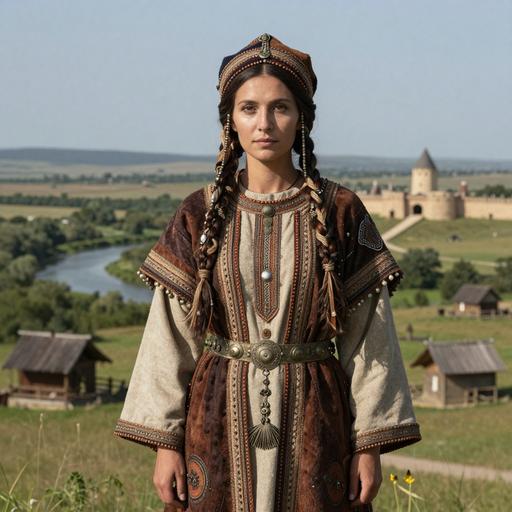
הדיוקנאות הם איורים שנוצרו בבינה מלאכותית. שמות הדגימות ומזהי ההפקדה מזהים את רשומות הייחוס.

דיוקן הדגימה המדינה התקופה התאריך התרבות mtDNA סוג ההתאמה
שחזור אמנותי שנוצר בבינה מלאכותית של הדגימה Avar-o Low East Asia individual, Rákóczifalva-Bagi-földek (Jász-Nagykun-Szolnok Coiunty, Szolnok), Hungary (550-850 CE)
מזהה דגימה: RKF187
Hungary Hungary Avar 550-850 CE Avar H5g התאמה ישירה
ענף אימהי · DNA קדום

מפת ראיות קדומות לענף השושלת

עקבו אחר ענפי המקור המובילים לענף זה, וגלו היכן נמצאו הדגימות הקדומות הקשורות אליו.

טוען תצפיות קדומות...

הסימונים מציינים מקומות מציאה ארכאולוגיים. קו מקווקו הוא מעבר גאוגרפי מוצע ולא ודאי בין ענפים עוקבים, הנתמך בכמה תצפיות מתוארכות. אין זה מסלול מדויק, מקום לידה או הוכחה לירידה ישירה. דגימות מענפי המקור עשויות להשתייך לענפי צאצאים אחרים. הפערים נשארים במקום שבו הראיות אינן מספיקות. תאריכי הדגימות שונים מתאריכי היווצרות ההפלוגרופ.

פרופיל הייחוס

מפת תפוצת הדגימות

התפוצה הגאוגרפית של דגימות דנ"א עתיק בהתאמה ישירה לקבוצה H5G או לתת-הענפים שלה. מספר דגימות: 1

דגימה בהתאמה ישירה
סינון לפי תקופה
כל התקופות
כל הדגימות מוצגות
פרופיל הייחוס

תפוצה בזמן

תפוצת הדגימות על פני התקופות הארכאולוגיות

פרופיל הייחוס

תפוצה גאוגרפית

מספר הדגימות לפי המדינה המתועדת שלהן. הספירות משקפות את דגימות הייחוס הזמינות, בלי למדוד את תדירות הקבוצות ההפלוגרופיות באוכלוסייה.

פרופיל הייחוס

תפוצת הדגימות לפי מדינה ותקופה

השוו את מספר הדגימות המתועדות לפי מדינות ותקופות ארכאולוגיות. בחרו תא עם תוצאות כדי לראות אחת מהדגימות.

הנתונים

הנתונים ומקורותיהם

מידע על המקורות ואיכות הנתונים

עדכון אחרון 2026-02-16
רמת ביטחון 50/100
כיסוי Low

מקור הנתונים

הסיווג, התאריכים המשוערים וההקשר הגאוגרפי משקפים את נתוני הייחוס המתועדים, והם עשויים להשתנות כשהראיות נבדקות מחדש. כיסוי הדגימות משתנה, ומיקומים מתועדים וקשרים ארכאולוגיים אינם מוכיחים מוצא אישי או זהות תרבותית.

קבוצה הפלוגרופית מייצגת שושלת אחת מצד האם או מצד האב. הענף שאפשר לחזות תלוי בסמנים הגנטיים שבקובץ הדנ״א. איך אנחנו מנתחים דנ״א