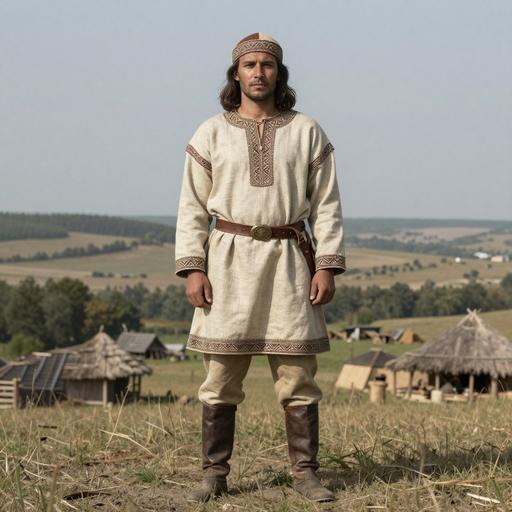
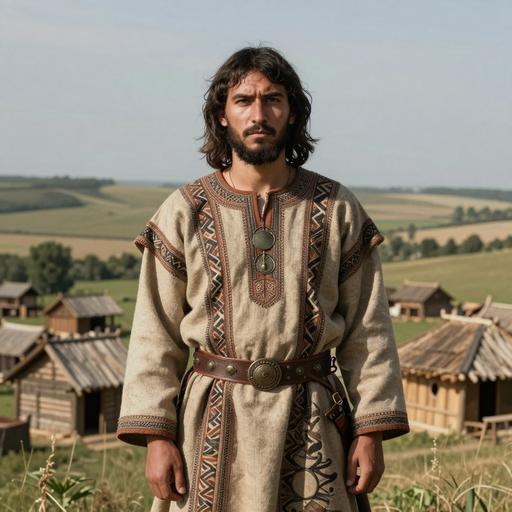
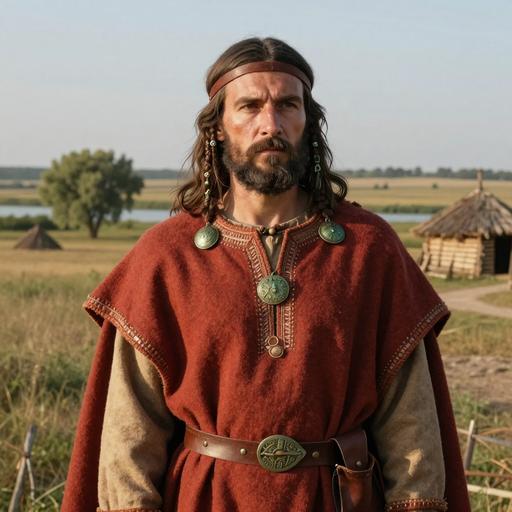
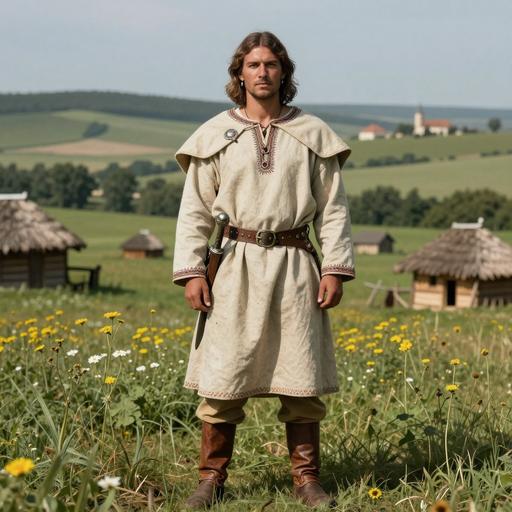
ื“ื™ืœื•ื’ ืœืชื•ื›ืŸ ื”ืจืืฉื™
Y-DNA ยท ืฉื•ืฉืœืช אבהית

N1A1A1A1A3A

Y-DNA Haplogroup N1A1A1A1A3A

ืคืจื•ืคื™ืœ ื™ื™ื—ื•ืก ืฉืœ ืขื ืฃ ืฉื•ืฉืœืช ืื—ื“. ืงื‘ื•ืฆื” ื”ืคืœื•ื’ืจื•ืคื™ืช ืžืฉื•ืชืคืช ืื™ื ื” ืงื•ื‘ืขืช ืงืฉืจ ืžืฉืคื—ืชื™ ื•ืื™ื ื” ืžื’ื“ื™ืจื” ื–ื”ื•ืช ืชืจื‘ื•ืชื™ืช.

ืคืจื•ืคื™ืœ ื”ื™ื™ื—ื•ืก

ืจืงืข ื”ืขื ืฃ

ื”ื”ืงืฉืจ ื”ื”ื™ืกื˜ื•ืจื™ ืฉืœ ืขื ืฃ N1A1A1A1A3A ื‘ืฉื•ืฉืœืช Y-DNA

Origins and Evolution

Y-DNA haplogroup N1A1A1A1A3A is a terminal subclade within the broader northern Eurasian lineage N, and more specifically within a branch that appears to have diversified among forest-zone populations of northeastern Europe and western Siberia. Because it sits well downstream of haplogroup Nโ€™s ancient Siberian origins, this clade likely represents a relatively recent paternal founder lineage that expanded during the late Holocene rather than an early basal branch of the tree.

The phylogenetic position of N1A1A1A1A3A is consistent with the broader history of haplogroup N1a lineages, which are strongly associated with populations of northern Eurasia and the Uralic-speaking world. The distribution of this clade is best explained by a combination of regional continuity, drift in small forest populations, and later demographic expansions across the circum-Baltic and Ural regions.

Subclades

As a downstream lineage, N1A1A1A1A3A is itself a terminal or near-terminal branch under N1A1A1A1A3. In practice, lineages at this depth often show strong geographic concentration and may be defined by a small number of modern carriers or by limited ancient DNA observations. Additional sampling may reveal further private branches or closely related sister lines within the same regional paternal network.

Broadly related branches in the same phylogenetic neighborhood often include other N1a subclades found in Baltic-Finnic, Sรกmi, Samoyedic, Ob-Ugric, and other Uralic-associated groups, reflecting a complex history of separation and founder effects across northern Eurasia.

Geographical Distribution

The highest concentrations of this lineage are expected in the circum-Baltic and western Siberian forest zones, especially among populations with strong historical continuity in the north. Its presence in modern populations is typically patchy, reflecting the stochastic nature of paternal inheritance and local founder events.

This haplogroup is most plausibly encountered in:

  • Finnish and other Baltic-Finnic populations
  • Sรกmi populations of northern Fennoscandia
  • Estonian, Latvian, and Lithuanian populations
  • Uralic-speaking populations such as the Khanty, Mansi, Nenets, and Komi
  • Western Siberian and broader northern Siberian populations
  • Some East European populations with northern ancestry components
  • Ancient and modern populations of the circum-Baltic and Ural forest zones

Because this clade is rare compared with the major founding haplogroups of Europe and Asia, its frequency is expected to be low overall, but can be locally elevated in genetically drifted or historically isolated populations.

Historical and Cultural Significance

Haplogroup N1A1A1A1A3A is relevant to the study of Uralic ethnogenesis, north Eurasian population structure, and the long-term demographic history of the boreal and forest-steppe zones. Its distribution is compatible with the spread and interaction of populations speaking early Uralic languages, though Y-DNA alone cannot prove language affiliation.

In historical terms, the lineage likely participated in the paternal ancestry of populations shaped by:

  • Fennoscandian and Baltic regional continuity
  • Siberian forest-zone mobility
  • Medieval and early modern population movements around the Baltic and White Sea regions
  • Founder effects in small, isolated northern communities

This haplogroup is therefore useful as a marker of northern Eurasian paternal continuity rather than of any single archaeological culture. Its deeper ancestry links to the ancient spread of haplogroup N across Eurasia, while its more recent structure reflects localized diversification in the north.

Conclusion

N1A1A1A1A3A is a rare but informative Y-DNA subclade representing a narrow slice of the broader northern Eurasian haplogroup N phylogeny. Its likely origin in the forest-zone populations of North Eurasia, together with its concentration in Uralic- and Siberian-linked populations, points to a history shaped by drift, isolation, and regional expansions across the circum-Baltic and western Siberian north.

ื ืงื•ื“ื•ืช ืขื™ืงืจื™ื•ืช

  • Origins and Evolution
  • Subclades
  • Geographical Distribution
  • Historical and Cultural Significance
  • Conclusion
ืคืจื•ืคื™ืœ ื”ื™ื™ื—ื•ืก

ืขืฅ ื”ืฉื•ืฉืœืช ื•ื”ืขื ืคื™ื ื”ืงืฉื•ืจื™ื

ืžืงื•ื ื”ืขื ืฃ ื‘ืขืฅ ื”ืฉื•ืฉืœืช ื•ืชืช-ื”ืขื ืคื™ื ืฉืœื•

ืžืกืœื•ืœ ื”ื”ืชืคืฆืœื•ืช ืฉืœ ื”ืฉื•ืฉืœืช

ืขืงื‘ื• ืื—ืจ ืขื ืคื™ ื”ืื‘ ื”ืžืชื•ืขื“ื™ื ืขื“ N1A1A1A1A3A. ื”ืชืืจื™ื›ื™ื ื”ื ืื•ืžื“ื ื™ื ื•ืขืฉื•ื™ื™ื ืœื”ืฉืชื ื•ืช ื›ืฉื ืชื•ื ื™ ื”ื™ื™ื—ื•ืก ืžืชืขื“ื›ื ื™ื.

ืฉืœื‘ื™ ื”ืชืคืฆืœื•ืช ื”ืงื‘ื•ืฆื” ื”ื”ืคืœื•ื’ืจื•ืคื™ืช ื’ื™ืœ ืžืฉื•ืขืจ ื”ืชืงื•ืคื” ื”ืืจื›ืื•ืœื•ื’ื™ืช ื”ื–ืžืŸ ืฉื—ืœืฃ ืขื ืคื™ื ื™ืฉื™ืจื™ื ื“ื’ื™ืžื•ืช ืžื•ื“ืจื ื™ื•ืช ืฉื ื‘ื“ืงื• ืงื™ืฉื•ืจื™ื ืขืชื™ืงื™ื
1 N1A1A1A1A3A ื”ืขื ืฃ ื”ื ื•ื›ื—ื™ ~2,000 years ago Classical Antiquity 2,500 שנים 1 1 11
2 N1A1A1A1A3 ~2,000 years ago Classical Antiquity 2,500 שנים 1 3 0
3 N1A1A1A1A ~4,000 years ago Bronze Age 3,500 שנים 4 45 3
4 N1A1A1A1 ~4,000 years ago Bronze Age 4,500 שנים 1 50 0
5 N1A1A1A ~8,000 years ago Neolithic 8,000 שנים 1 50 0
6 N1A1A1 ~12,000 years ago Neolithic 12,000 שנים 1 50 0
7 N1A1A ~20,000 years ago Mesolithic 20,000 שנים 2 50 1
8 N1A1 ~20,000 years ago Mesolithic 20,000 שנים 1 50 0
9 N1A ~20,000 years ago Mesolithic 20,000 שנים 2 59 0
10 N1 ~25,000 years ago Paleolithic 25,000 שנים 2 80 14
11 N ~45,000 years ago Paleolithic 45,000 שנים 2 172 17
12 NO ~45,000 years ago Paleolithic 45,000 שנים 4 801 12

ืชืช-ืขื ืคื™ื (1)

ืคืจื•ืคื™ืœ ื”ื™ื™ื—ื•ืก

ื”ื™ื›ืŸ ื”ืขื ืฃ ืžื•ืคื™ืข

ืชืคื•ืฆื” ื’ืื•ื’ืจืคื™ืช ื•ื ื•ื›ื—ื•ืช ื ื•ื›ื—ื™ืช

ืžื•ืฆื ืžืชื•ืขื“

North Eurasia

ืชืคื•ืฆื” ื ื•ื›ื—ื™ืช

The populations where Y-DNA haplogroup N1A1A1A1A3A is found include:

  1. Finnish and other Baltic-Finnic populations
  2. Sรกmi populations of northern Fennoscandia
  3. Estonian, Latvian, and Lithuanian populations
  4. Uralic-speaking populations such as the Khanty, Mansi, Nenets, and Komi
  5. Western Siberian and broader northern Siberian populations
  6. Some East European populations with northern ancestry components
  7. Ancient and modern populations of the circum-Baltic and Ural forest zones

ื ื•ื›ื—ื•ืช ืœืคื™ ืื–ื•ืจ

Northern Europe (Fennoscandia) High
Eastern Europe (Northwest Russia, Baltic fringes) Moderate
Northern Asia / Arctic Siberia Low
Northern Asia Moderate
Central Asia Low
ื”ืงืฉืจ ื”ื™ืกื˜ื•ืจื™

ืขื ืฃ ืœืื•ืจืš ื–ืžืŸ

ืื•ืžื“ืŸ ื”ื™ื•ื•ืฆืจื•ืช ื‘ืฆื™ืจ ื–ืžืŸ ื”ื™ืกื˜ื•ืจื™ ืจื—ื‘. ืกืžื ื™ ื”ืชืงื•ืคื•ืช ื ื•ืชื ื™ื ื”ืงืฉืจ ื•ืื™ื ื ืžืจืžื–ื™ื ืขืœ ืงืฉืจ ืœืชืจื‘ื•ื™ื•ืช ืžืกื•ื™ืžื•ืช.

  1. ~10k שנים לפני

    המהפכה הנאוליתית

    ראשית החקלאות והתגבשות קהילות יושבות קבע

  2. ~5k שנים לפני

    תקופת הברונזה

    עיבוד מתכות, כתב וציוויליזציות מוקדמות

  3. ~3k שנים לפני

    תקופת הברזל

    כלי ברזל ורשתות מסחר מורחבות

  4. ~2.5k שנים לפני

    העת העתיקה הקלאסית

    שגשוג הציוויליזציות היוונית והרומית

  5. ~2.5k שנים לפני

    קבוצה הפלוגרופית N1A1A1A1A3A

    אומדן להיווצרות ענף Y-DNA זה. תאריכים ומיקומים הם אומדני ייחוס.

    ื”ืขื ืฃ ื”ื–ื”
  6. Present

    ימינו

    העידן המודרני

ืคืจื•ืคื™ืœ ื”ื™ื™ื—ื•ืก

ื”ืงืฉืจ ืืจื›ืื•ืœื•ื’ื™

ื”ืงืฉืจื™ื ืืจื›ืื•ืœื•ื’ื™ื™ื ืžืชื•ืขื“ื™ื ืฉืœ ืขื ืฃ N1A1A1A1A3A ืž-Y-DNA

ื”ืงืฉืจื™ื ืžืชื•ืขื“ื™ื

ืชื•ื•ื™ื•ืช ืืœื” ืžืชืืจื•ืช ื”ืงืฉืจื™ื ืืจื›ืื•ืœื•ื’ื™ื™ื ืžืชื•ืขื“ื™ื ืฉืœ ื“ื’ื™ืžื•ืช ื”ื™ื™ื—ื•ืก ื”ืžืงื•ืฉืจื•ืช ืœ-N1A1A1A1A3A. ื”ืงื™ืฉื•ืจ ืื™ื ื• ืžื•ื›ื™ื— ืฉื›ืœ ื ื•ืฉืื™ ื”ืขื ืฃ ื”ืฉืชื™ื™ื›ื• ืœืชืจื‘ื•ืช ืžืกื•ื™ืžืช ืื• ื”ืœื›ื• ื‘ืžืกืœื•ืœ ื ื“ื™ื“ื” ืžืกื•ื™ื.

Avar Culture Early Avar Late Avar Medieval Khuvsgul Middle Avar
ืกื™ื•ื•ื’ ื”ืชืจื‘ื•ื™ื•ืช ืžื‘ื•ืกืก ืขืœ ื”ื”ืงืฉืจ ื”ืืจื›ืื•ืœื•ื’ื™ ืฉืœ ื“ื’ื™ืžื•ืช ื“ื "ื ืขืชื™ืง, ื•ื”ื•ื ืขืฉื•ื™ ืœืฉืงืฃ ืงืฉืจื™ื ืื–ื•ืจื™ื™ื ื‘ืชืงื•ืคื•ืช ืžืกื•ื™ืžื•ืช.
ืคืจื•ืคื™ืœ ื”ื™ื™ื—ื•ืก

ืื™ื ื“ืงืก ื“ื’ื™ืžื•ืช

ื“ื’ื™ืžื•ืช ืฉืœ ื”ืงื‘ื•ืฆื” ื”ื”ืคืœื•ื’ืจื•ืคื™ืช N1A1A1A1A3A: 10 ื‘ื”ืชืืžื” ื™ืฉื™ืจื” ื•-1 ืžืชืช-ืขื ืคื™ื

10 ืžื•ืฆื’ื•ืช ยท 11 ื“ื’ื™ืžื•ืช ืชื•ืืžื•ืช

ื”ื“ื™ื•ืงื ืื•ืช ื”ื ืื™ื•ืจื™ื ืฉื ื•ืฆืจื• ื‘ื‘ื™ื ื” ืžืœืื›ื•ืชื™ืช. ืฉืžื•ืช ื”ื“ื’ื™ืžื•ืช ื•ืžื–ื”ื™ ื”ื”ืคืงื“ื” ืžื–ื”ื™ื ืืช ืจืฉื•ืžื•ืช ื”ื™ื™ื—ื•ืก.

ื“ื™ื•ืงืŸ ื”ื“ื’ื™ืžื” ื”ืžื“ื™ื ื” ื”ืชืงื•ืคื” ื”ืชืืจื™ืš ื”ืชืจื‘ื•ืช Y-DNA ืกื•ื’ ื”ื”ืชืืžื”
ืฉื—ื–ื•ืจ ืืžื ื•ืชื™ ืฉื ื•ืฆืจ ื‘ื‘ื™ื ื” ืžืœืื›ื•ืชื™ืช ืฉืœ ื”ื“ื’ื™ืžื” Late Avar-o High East Asia individual, Danube-Tisza Interfluve. Kunszállás-Fülöpjakab, Hungary (600-800 CE)
ืžื–ื”ื” ื“ื’ื™ืžื”: A1813
Hungary Late Avar Period Danube-Tisza, Hungary 600-800 CE Late Avar N1a1a1a1a3a התאמה ישירה
ืฉื—ื–ื•ืจ ืืžื ื•ืชื™ ืฉื ื•ืฆืจ ื‘ื‘ื™ื ื” ืžืœืื›ื•ืชื™ืช ืฉืœ ื”ื“ื’ื™ืžื” Early Avar-o High East Asia individual, Danube-Tisza Interfluve. Kunbábony, Hungary (630-670 CE)
ืžื–ื”ื” ื“ื’ื™ืžื”: A1802
Hungary Early Avar Period Danube-Tisza, Hungary 600-700 CE Early Avar N1a1a1a1a3a התאמה ישירה
ืฉื—ื–ื•ืจ ืืžื ื•ืชื™ ืฉื ื•ืฆืจ ื‘ื‘ื™ื ื” ืžืœืื›ื•ืชื™ืช ืฉืœ ื”ื“ื’ื™ืžื” Middle Avar-o High East Asia individual, Danube-Tisza Interfluve. Kunszállás-Fülöpjakab, Hungary (630-670 CE)
ืžื–ื”ื” ื“ื’ื™ืžื”: A1812
Hungary Middle Avar Period Danube-Tisza, Hungary 600-700 CE Middle Avar N1a1a1a1a3a התאמה ישירה
ืฉื—ื–ื•ืจ ืืžื ื•ืชื™ ืฉื ื•ืฆืจ ื‘ื‘ื™ื ื” ืžืœืื›ื•ืชื™ืช ืฉืœ ื”ื“ื’ื™ืžื” Early Avar-o Low East Asia individual, Danube-Tisza Interfluve. Kunpeszér - Felsőpeszéri út, Hungary (630-670 CE)
ืžื–ื”ื” ื“ื’ื™ืžื”: A1817
Hungary Early Avar Period Danube-Tisza, Hungary 600-700 CE Early Avar N1a1a1a1a3a התאמה ישירה
ืฉื—ื–ื•ืจ ืืžื ื•ืชื™ ืฉื ื•ืฆืจ ื‘ื‘ื™ื ื” ืžืœืื›ื•ืชื™ืช ืฉืœ ื”ื“ื’ื™ืžื” Early Avar-o High East Asia individual, Danube-Tisza Interfluve. Petőfiszállás, Hungary (630-670 CE)
ืžื–ื”ื” ื“ื’ื™ืžื”: A1819
Hungary Early Avar Period Danube-Tisza, Hungary 600-700 CE Early Avar N1a1a1a1a3a התאמה ישירה
ืฉื—ื–ื•ืจ ืืžื ื•ืชื™ ืฉื ื•ืฆืจ ื‘ื‘ื™ื ื” ืžืœืื›ื•ืชื™ืช ืฉืœ ื”ื“ื’ื™ืžื” Early Avar individual, Danube-Tisza Interfluve. Kunpeszér - Felsőpeszéri út, Hungary (630-670 CE)
ืžื–ื”ื” ื“ื’ื™ืžื”: A1821
Hungary Early Avar Period Danube-Tisza, Hungary 600-700 CE Early Avar N1a1a1a1a3a התאמה ישירה
ืฉื—ื–ื•ืจ ืืžื ื•ืชื™ ืฉื ื•ืฆืจ ื‘ื‘ื™ื ื” ืžืœืื›ื•ืชื™ืช ืฉืœ ื”ื“ื’ื™ืžื” Early Avar individual, Danube-Tisza Interfluve. Kunpeszér - Felsőpeszéri út, Hungary (630-670 CE)
ืžื–ื”ื” ื“ื’ื™ืžื”: A1822
Hungary Early Avar Period Danube-Tisza, Hungary 600-700 CE Early Avar N1a1a1a1a3a התאמה ישירה
ืฉื—ื–ื•ืจ ืืžื ื•ืชื™ ืฉื ื•ืฆืจ ื‘ื‘ื™ื ื” ืžืœืื›ื•ืชื™ืช ืฉืœ ื”ื“ื’ื™ืžื” Early Avar-o High East Asia individual, Danube-Tisza Interfluve. Kecskemét-Sallai út, Hungary (630-670 CE)
ืžื–ื”ื” ื“ื’ื™ืžื”: A1823
Hungary Early Avar Period Danube-Tisza, Hungary 600-700 CE Early Avar N1a1a1a1a3a התאמה ישירה
ืฉื—ื–ื•ืจ ืืžื ื•ืชื™ ืฉื ื•ืฆืจ ื‘ื‘ื™ื ื” ืžืœืื›ื•ืชื™ืช ืฉืœ ื”ื“ื’ื™ืžื” Late Avar-o High East Asia individual, Danube-Tisza Interfluve. Kunszállás-Fülöpjakab, Hungary (700-800 CE)
ืžื–ื”ื” ื“ื’ื™ืžื”: A1815
Hungary Late Avar Period Danube-Tisza, Hungary 700-800 CE Late Avar N1a1a1a1a3a התאמה ישירה
ืฉื—ื–ื•ืจ ืืžื ื•ืชื™ ืฉื ื•ืฆืจ ื‘ื‘ื™ื ื” ืžืœืื›ื•ืชื™ืช ืฉืœ ื”ื“ื’ื™ืžื” Late Avar-o High East Asia individual, Danube-Tisza Interfluve. Kunszállás-Fülöpjakab, Hungary (750-800 CE)
ืžื–ื”ื” ื“ื’ื™ืžื”: A1814
Hungary Late Avar Period Danube-Tisza, Hungary 750-800 CE Late Avar N1a1a1a1a3a התאמה ישירה
ענף אבהי ยท DNA ืงื“ื•ื

ืžืคืช ืจืื™ื•ืช ืงื“ื•ืžื•ืช ืœืขื ืฃ ื”ืฉื•ืฉืœืช

ืขืงื‘ื• ืื—ืจ ืขื ืคื™ ื”ืžืงื•ืจ ื”ืžื•ื‘ื™ืœื™ื ืœืขื ืฃ ื–ื”, ื•ื’ืœื• ื”ื™ื›ืŸ ื ืžืฆืื• ื”ื“ื’ื™ืžื•ืช ื”ืงื“ื•ืžื•ืช ื”ืงืฉื•ืจื•ืช ืืœื™ื•.

ื˜ื•ืขืŸ ืชืฆืคื™ื•ืช ืงื“ื•ืžื•ืช...

ื”ืกื™ืžื•ื ื™ื ืžืฆื™ื™ื ื™ื ืžืงื•ืžื•ืช ืžืฆื™ืื” ืืจื›ืื•ืœื•ื’ื™ื™ื. ืงื• ืžืงื•ื•ืงื• ื”ื•ื ืžืขื‘ืจ ื’ืื•ื’ืจืคื™ ืžื•ืฆืข ื•ืœื ื•ื“ืื™ ื‘ื™ืŸ ืขื ืคื™ื ืขื•ืงื‘ื™ื, ื”ื ืชืžืš ื‘ื›ืžื” ืชืฆืคื™ื•ืช ืžืชื•ืืจื›ื•ืช. ืื™ืŸ ื–ื” ืžืกืœื•ืœ ืžื“ื•ื™ืง, ืžืงื•ื ืœื™ื“ื” ืื• ื”ื•ื›ื—ื” ืœื™ืจื™ื“ื” ื™ืฉื™ืจื”. ื“ื’ื™ืžื•ืช ืžืขื ืคื™ ื”ืžืงื•ืจ ืขืฉื•ื™ื•ืช ืœื”ืฉืชื™ื™ืš ืœืขื ืคื™ ืฆืืฆืื™ื ืื—ืจื™ื. ื”ืคืขืจื™ื ื ืฉืืจื™ื ื‘ืžืงื•ื ืฉื‘ื• ื”ืจืื™ื•ืช ืื™ื ืŸ ืžืกืคื™ืงื•ืช. ืชืืจื™ื›ื™ ื”ื“ื’ื™ืžื•ืช ืฉื•ื ื™ื ืžืชืืจื™ื›ื™ ื”ื™ื•ื•ืฆืจื•ืช ื”ื”ืคืœื•ื’ืจื•ืค.

ืคืจื•ืคื™ืœ ื”ื™ื™ื—ื•ืก

ืžืคืช ืชืคื•ืฆืช ื”ื“ื’ื™ืžื•ืช

ื”ืชืคื•ืฆื” ื”ื’ืื•ื’ืจืคื™ืช ืฉืœ ื“ื’ื™ืžื•ืช ื“ื "ื ืขืชื™ืง ื‘ื”ืชืืžื” ื™ืฉื™ืจื” ืœืงื‘ื•ืฆื” N1A1A1A1A3A ืื• ืœืชืช-ื”ืขื ืคื™ื ืฉืœื”. ืžืกืคืจ ื“ื’ื™ืžื•ืช: 11

ื“ื’ื™ืžื” ื‘ื”ืชืืžื” ื™ืฉื™ืจื” ื“ื’ื™ืžื” ืžืชืช-ืขื ืฃ
ืกื™ื ื•ืŸ ืœืคื™ ืชืงื•ืคื”
ื›ืœ ื”ืชืงื•ืคื•ืช
ื›ืœ ื”ื“ื’ื™ืžื•ืช ืžื•ืฆื’ื•ืช
ืคืจื•ืคื™ืœ ื”ื™ื™ื—ื•ืก

ืชืคื•ืฆื” ื‘ื–ืžืŸ

ืชืคื•ืฆืช ื”ื“ื’ื™ืžื•ืช ืขืœ ืคื ื™ ื”ืชืงื•ืคื•ืช ื”ืืจื›ืื•ืœื•ื’ื™ื•ืช

ืคืจื•ืคื™ืœ ื”ื™ื™ื—ื•ืก

ืชืคื•ืฆื” ื’ืื•ื’ืจืคื™ืช

ืžืกืคืจ ื”ื“ื’ื™ืžื•ืช ืœืคื™ ื”ืžื“ื™ื ื” ื”ืžืชื•ืขื“ืช ืฉืœื”ืŸ. ื”ืกืคื™ืจื•ืช ืžืฉืงืคื•ืช ืืช ื“ื’ื™ืžื•ืช ื”ื™ื™ื—ื•ืก ื”ื–ืžื™ื ื•ืช, ื‘ืœื™ ืœืžื“ื•ื“ ืืช ืชื“ื™ืจื•ืช ื”ืงื‘ื•ืฆื•ืช ื”ื”ืคืœื•ื’ืจื•ืคื™ื•ืช ื‘ืื•ื›ืœื•ืกื™ื™ื”.

ืคืจื•ืคื™ืœ ื”ื™ื™ื—ื•ืก

ืชืคื•ืฆืช ื”ื“ื’ื™ืžื•ืช ืœืคื™ ืžื“ื™ื ื” ื•ืชืงื•ืคื”

ื”ืฉื•ื• ืืช ืžืกืคืจ ื”ื“ื’ื™ืžื•ืช ื”ืžืชื•ืขื“ื•ืช ืœืคื™ ืžื“ื™ื ื•ืช ื•ืชืงื•ืคื•ืช ืืจื›ืื•ืœื•ื’ื™ื•ืช. ื‘ื—ืจื• ืชื ืขื ืชื•ืฆืื•ืช ื›ื“ื™ ืœืจืื•ืช ืื—ืช ืžื”ื“ื’ื™ืžื•ืช.

ื”ื ืชื•ื ื™ื

ื”ื ืชื•ื ื™ื ื•ืžืงื•ืจื•ืชื™ื”ื

ืžื™ื“ืข ืขืœ ื”ืžืงื•ืจื•ืช ื•ืื™ื›ื•ืช ื”ื ืชื•ื ื™ื

ืขื“ื›ื•ืŸ ืื—ืจื•ืŸ 2026-06-17
ืจืžืช ื‘ื™ื˜ื—ื•ืŸ 50/100
ื›ื™ืกื•ื™ Low

ืžืงื•ืจ ื”ื ืชื•ื ื™ื

ื”ืกื™ื•ื•ื’, ื”ืชืืจื™ื›ื™ื ื”ืžืฉื•ืขืจื™ื ื•ื”ื”ืงืฉืจ ื”ื’ืื•ื’ืจืคื™ ืžืฉืงืคื™ื ืืช ื ืชื•ื ื™ ื”ื™ื™ื—ื•ืก ื”ืžืชื•ืขื“ื™ื, ื•ื”ื ืขืฉื•ื™ื™ื ืœื”ืฉืชื ื•ืช ื›ืฉื”ืจืื™ื•ืช ื ื‘ื“ืงื•ืช ืžื—ื“ืฉ. ื›ื™ืกื•ื™ ื”ื“ื’ื™ืžื•ืช ืžืฉืชื ื”, ื•ืžื™ืงื•ืžื™ื ืžืชื•ืขื“ื™ื ื•ืงืฉืจื™ื ืืจื›ืื•ืœื•ื’ื™ื™ื ืื™ื ื ืžื•ื›ื™ื—ื™ื ืžื•ืฆื ืื™ืฉื™ ืื• ื–ื”ื•ืช ืชืจื‘ื•ืชื™ืช.