פרופיל ייחוס של ענף שושלת אחד. קבוצה הפלוגרופית משותפת אינה קובעת קשר משפחתי ואינה מגדירה זהות תרבותית.
פרופיל הייחוס
רקע הענף
ההקשר ההיסטורי של ענף R1B1A1B1A1 בשושלת Y-DNA
Origins and Evolution
Y-DNA haplogroup R1b1a1b1a1 is a deep subclade within the broader R1b paternal lineage, which is one of the major Y-chromosome branches of western Eurasia. Because it sits beneath earlier R1b nodes and above many of the well-known later expansions, it is best understood as an old regional offshoot that likely formed during the late Upper Paleolithic or early Holocene, before the major demographic expansions associated with Bronze Age R1b lineages.
The estimated origin for the broader ancestral context is around 14 thousand years ago, in West Eurasia, possibly spanning areas influenced by post-glacial hunter-gatherer and early Holocene populations. Its present-day rarity suggests that it did not participate in the large founder expansions that made some later R1b branches highly frequent in western Europe, but instead persisted at low frequency in multiple regions.
Subclades
As an intermediate and relatively deep branch, R1b1a1b1a1 is important for connecting ancestral and derived lineages in the R1b tree. Its internal structure may contain additional rare branches, but public datasets and broad population surveys often have limited resolution for very low-frequency clades. This means the haplogroup is frequently discussed in relation to its parent lineages and neighboring subclades rather than through a large, well-characterized star-like expansion.
Geographical Distribution
This haplogroup is generally found at low frequency across a wide arc of Eurasia, reflecting ancient continuity and localized survival rather than a dominant migration pattern. Reported occurrences are compatible with:
Western Europe, including the British Isles, France, Iberia, and the Low Countries
Southern Europe, including Italy and the Balkans
Southwest Asia, especially the Caucasus, Anatolia, and parts of the Levant
North Africa, likely through historical gene flow from the Mediterranean and Near East
Central Asia and steppe-adjacent populations, where older western Eurasian paternal lineages can persist at low levels
The broad but sparse distribution is typical of a lineage that predates later ethnolinguistic expansions and has been retained through drift, founder effects, and regional continuity in several populations.
Historical and Cultural Significance
Unlike high-frequency R1b branches associated with major Bronze Age demographic events, R1b1a1b1a1 is not strongly tied to a single archaeological culture. Instead, it is best interpreted as part of the deep ancestral background of western Eurasian male lineages that may have been present among late hunter-gatherer groups and early Holocene populations before the rise of farming and steppe-derived expansions.
Its sporadic presence in modern populations may reflect a combination of:
survival of pre-Bronze Age paternal diversity
later assimilation into expanding farming and pastoralist societies
regional persistence in geographically structured populations
occasional founder effects in isolated communities
In a historical context, such lineages are valuable because they preserve genetic evidence for the complex paternal landscape of ancient Eurasia, which included many rare branches later overshadowed by large successful lineages.
Conclusion
R1b1a1b1a1 is a rare, deep subclade of R1b that likely emerged in West Eurasia around the late Pleistocene to early Holocene transition. Its low-frequency, broad distribution across Europe, the Near East, the Caucasus, and nearby regions points to long-term survival of ancient paternal diversity rather than a major population expansion.
Interpretation in Population Genetics
From a population genetics perspective, this haplogroup is significant because it helps reconstruct the fine structure of early R1b diversification. While much public attention focuses on later dominant R1b branches, rare clades such as R1b1a1b1a1 provide important evidence for the deeper and more heterogeneous ancestry of western Eurasian male populations.
נקודות עיקריות
Origins and Evolution
Subclades
Geographical Distribution
Historical and Cultural Significance
Conclusion
פרופיל הייחוס
עץ השושלת והענפים הקשורים
מקום הענף בעץ השושלת ותת-הענפים שלו
מסלול ההתפצלות של השושלת
עקבו אחר ענפי האב המתועדים עד R1B1A1B1A1. התאריכים הם אומדנים ועשויים להשתנות כשנתוני הייחוס מתעדכנים.
The populations where Y-DNA haplogroup R1b1a1b1a1 is found include:
Irish and British populations
French, Iberian, and Low Countries populations
Italian and Balkan populations
Caucasus and Anatolian populations
Levantine and North African populations
Some Central Asian and steppe-related populations
נוכחות לפי אזור
Western EuropeHigh
Southern Europe (Iberia)High
Central EuropeModerate
Eastern EuropeLow
North Africa (coastal)Low
Near East / CaucasusLow
Central AsiaLow
North America (diaspora)Low
North AfricaLow
הקשר היסטורי
ענף לאורך זמן
אומדן היווצרות בציר זמן היסטורי רחב. סמני התקופות נותנים הקשר ואינם מרמזים על קשר לתרבויות מסוימות.
~20k שנים לפני
שיא עידן הקרח האחרון
שיא עידן הקרח האחרון, ואוכלוסיות שנותרו מבודדות
~14k שנים לפני
קבוצה הפלוגרופית R1B1A1B1A1
אומדן להיווצרות ענף Y-DNA זה. תאריכים ומיקומים הם אומדני ייחוס.
הענף הזה
~10k שנים לפני
המהפכה הנאוליתית
ראשית החקלאות והתגבשות קהילות יושבות קבע
~5k שנים לפני
תקופת הברונזה
עיבוד מתכות, כתב וציוויליזציות מוקדמות
~3k שנים לפני
תקופת הברזל
כלי ברזל ורשתות מסחר מורחבות
~2.5k שנים לפני
העת העתיקה הקלאסית
שגשוג הציוויליזציות היוונית והרומית
Present
ימינו
העידן המודרני
פרופיל הייחוס
הקשר ארכאולוגי
הקשרים ארכאולוגיים מתועדים של ענף R1B1A1B1A1 מ-Y-DNA
הקשרים מתועדים
תוויות אלה מתארות הקשרים ארכאולוגיים מתועדים של דגימות הייחוס המקושרות ל-R1B1A1B1A1. הקישור אינו מוכיח שכל נושאי הענף השתייכו לתרבות מסוימת או הלכו במסלול נדידה מסוים.
Bell BeakerCorded WareEarly Bronze Age SwissLingolsheim CultureLos MillaresYamnaya
סיווג התרבויות מבוסס על ההקשר הארכאולוגי של דגימות דנ"א עתיק, והוא עשוי לשקף קשרים אזוריים בתקופות מסוימות.
פרופיל הייחוס
אינדקס דגימות
דגימות של הקבוצה ההפלוגרופית R1B1A1B1A1: 2 בהתאמה ישירה ו-98 מתת-ענפים
10 מוצגות · 50 דגימות תואמות
אין דגימות שתואמות למסננים. נסו תווית, מיקום או תקופה אחרים.
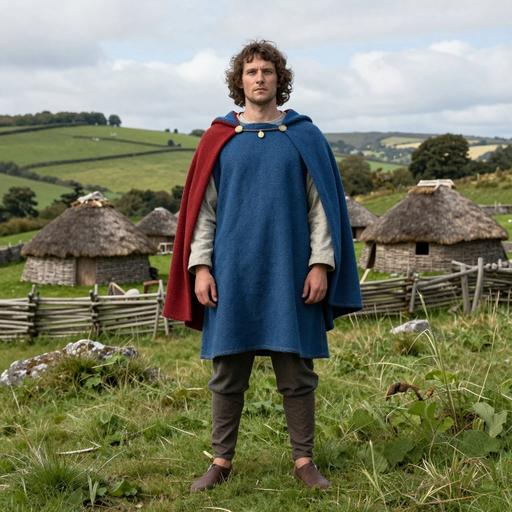
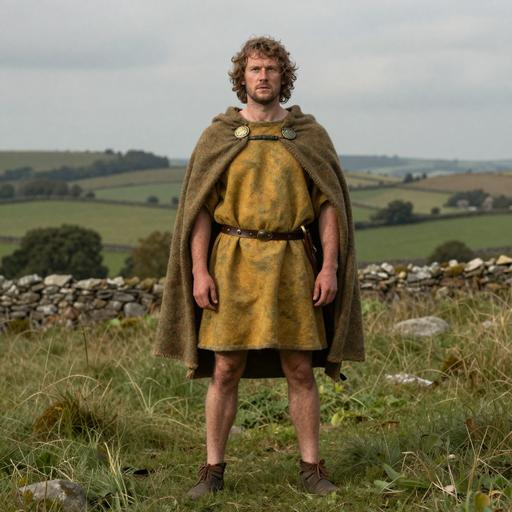
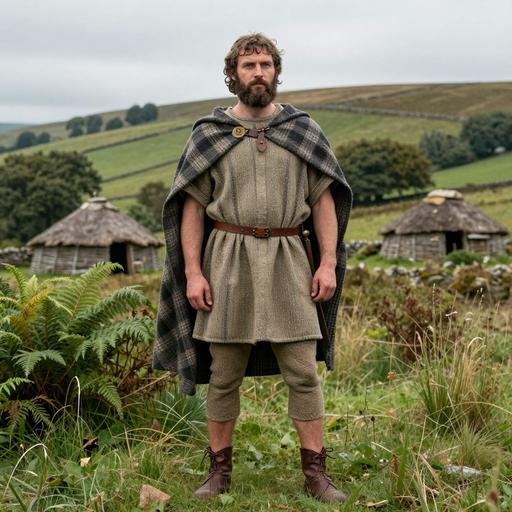
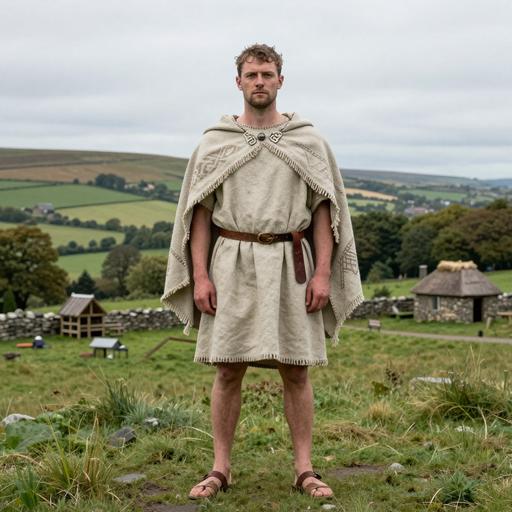
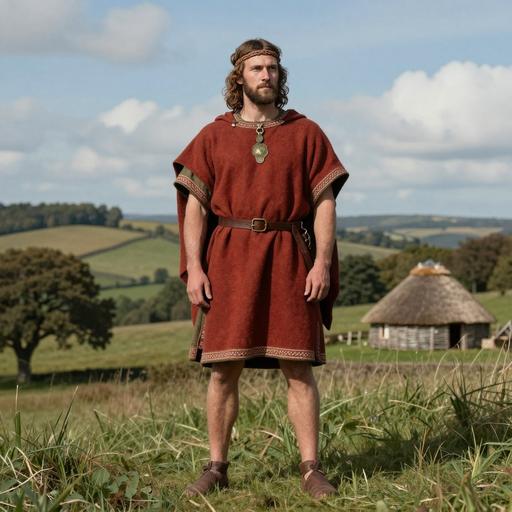
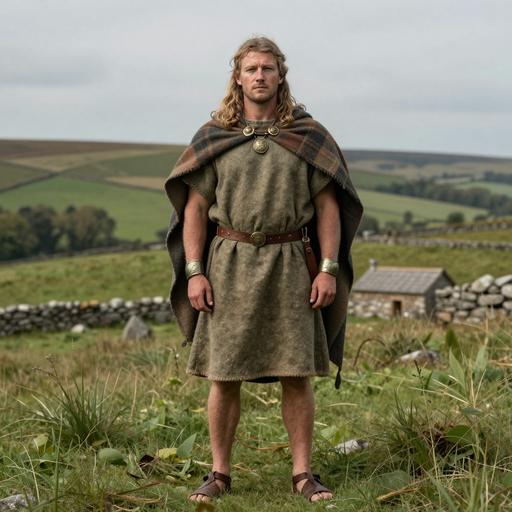
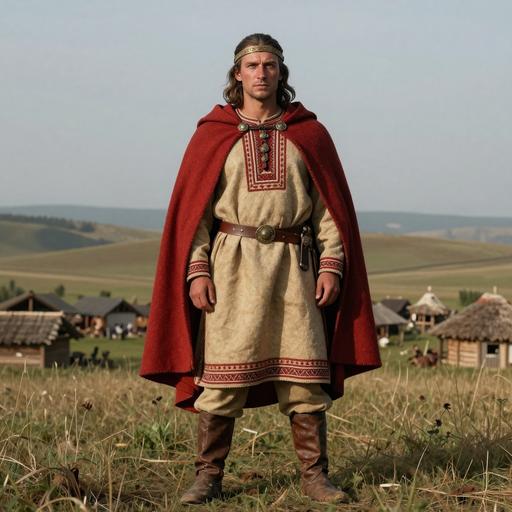
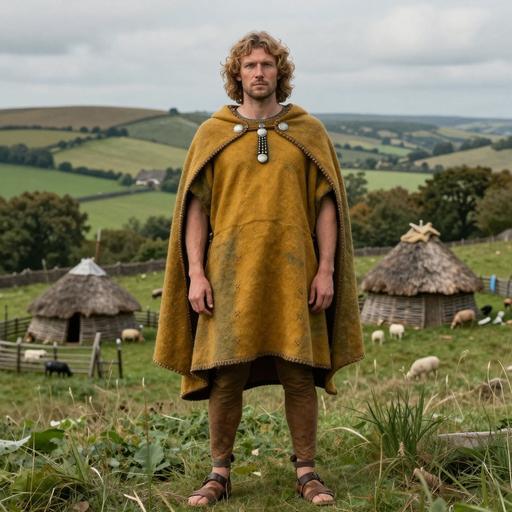
הדיוקנאות הם איורים שנוצרו בבינה מלאכותית. שמות הדגימות ומזהי ההפקדה מזהים את רשומות הייחוס.
Middle to Late Iron Age England - United Kingdom - England. Wiltshire. Battlesbury Bowl
United Kingdom Middle to Late Iron Age England 346-52 calBCE (2134±27 BP, SUERC-97430)
R1b1a1b1a1התאמה ישירה
מזהה דגימה: I3083
Middle Iron Age England - United Kingdom - England. London. River Thames. Putney Foreshore
United Kingdom England MIA 387-201 calBCE (2232±29 BP, OxA-14730)
R1b1a1b1a1התאמה ישירה
מזהה דגימה: I16504
Iron Age Scotland - United Kingdom - Scotland. East Lothian. Broxmouth
United Kingdom Scotland IA 42 calBCE - 116 calCE (1983±24 BP, SUERC-97411)
R1b1a1b1a1a2c1תת-ענף
מזהה דגימה: I3568
Late Iron Age Scotland - United Kingdom - Scotland. Highland. Applecross
United Kingdom Scotland LIA 8-155 calCE (1946±22 BP) [R_combine: (1980±28 BP, SUERC-73992), (1901±32 BP, SUERC-67661)]
R1b1a1b1a1a2c1a4b2b1תת-ענף
מזהה דגימה: I27385
Late Iron Age Scotland - United Kingdom - Scotland. West Lothian. House of Binns
United Kingdom Scotland LIA 43 calBCE - 117 calCE (1984±28 BP, SUERC-50519)
R1b1a1b1a1a2c1תת-ענף
מזהה דגימה: I21302
Late Iron Age England - United Kingdom - England. South Somerset. South Cadbury
United Kingdom England LIA 46 calBCE - 117 calCE (1989±30 BP, SUERC-94994)
R1b1a1b1a1a2c1תת-ענף
מזהה דגימה: I22062
Late Iron Age East Yorkshire, England - United Kingdom - England. East Riding of Yorkshire. Thornholme. Town Pasture
United Kingdom Late Iron Age East Yorkshire, England 50 calBCE - 116 calCE (1997±31 BP, SUERC-52038)
R1b1a1b1a1a2c1תת-ענף
מזהה דגימה: I12927
Late Iron Age England - United Kingdom - England. Gloucestershire. Bishop's Cleeve. Cleevelands
United Kingdom England LIA 50-200 CE
R1b1a1b1a1a2c1a6a1תת-ענף
מזהה דגימה: 6DT3
Iron Age to Roman England - United Kingdom - England. Yorkshire. Driffield Terrace
United Kingdom Iron Age to Roman England 50 CE - 350 CE
R1b1a1b1a1a1c1a1תת-ענף
מזהה דגימה: 6DT21
Iron Age to Roman England - United Kingdom - England. Yorkshire. Driffield Terrace
United Kingdom Iron Age to Roman England 50 CE - 350 CE
R1b1a1b1a1a2c1b1תת-ענף
מזהה דגימה: 6DT22
Iron Age to Roman England - United Kingdom - England. Yorkshire. Driffield Terrace
United Kingdom Iron Age to Roman England 50 CE - 350 CE
R1b1a1b1a1a2b1תת-ענף
מזהה דגימה: 6DT18
Iron Age to Roman England - United Kingdom - England. Yorkshire. Driffield Terrace
United Kingdom Iron Age to Roman England 50 CE - 350 CE
R1b1a1b1a1a2c1a1iתת-ענף
מזהה דגימה: 3DT16
Iron Age to Roman England - United Kingdom - England. Yorkshire. Driffield Terrace
United Kingdom Iron Age to Roman England 50 CE - 350 CE
R1b1a1b1a1a1c1a2תת-ענף
מזהה דגימה: 6DT23
Iron Age to Roman England - United Kingdom - England. Yorkshire. Driffield Terrace
United Kingdom Iron Age to Roman England 50 CE - 350 CE
R1b1a1b1a1a2e1תת-ענף
מזהה דגימה: VK203
The Viking Age in Scotland - United Kingdom - Scotland. Orkney. Brough Road Birsay
United Kingdom Scotland Viking 54 CE - 668 CE
R1b1a1b1a1a2c1תת-ענף
מזהה דגימה: I27384
Late Iron Age Scotland - United Kingdom - Scotland. West Lothian. House of Binns
United Kingdom Scotland LIA 90 calBCE - 110 calCE (2010±30 BP, SUERC-50518)
R1b1a1b1a1a2c1תת-ענף
מזהה דגימה: I14096
Late Iron Age England - United Kingdom - England. North Yorkshire. Scorton Quarry
United Kingdom England LIA 101 calBCE - 59 calCE (2035±22 BP) [R_combine: (2056±30 BP, SUERC-95019), (2013±31 BP, SUERC-52144)]
R1b1a1b1a1a2c1תת-ענף
מזהה דגימה: I0156
Iron Age to Early Roman England - United Kingdom - England. South Cambridgeshire. East Anglia. Hinxton
United Kingdom Iron Age to Early Roman England 149 calBCE - 60 calCE (2039±27 BP, OxA-29573)
R1b1a1b1a1a2c1תת-ענף
מזהה דגימה: I11144
Late Iron Age England - United Kingdom - England. Somerset. North Perrott. North Perrott Manor
United Kingdom England LIA 149 calBCE - 65 calCE (2035±30 BP, SUERC-94968)
R1b1a1b1a1a2c1a1i3תת-ענף
מזהה דגימה: I2799
Late Iron Age Scotland - United Kingdom - Scotland. Orkney. Howe of Howe
United Kingdom Scotland LIA 152 calBCE - 22 calCE (2052±26 BP, SUERC-68732)
R1b1a1b1a1a2c1a1aתת-ענף
מזהה דגימה: I14097
Late Iron Age England - United Kingdom - England. North Yorkshire. Scorton Quarry
United Kingdom England LIA 162 calBCE - 26 calCE (2051±32 BP, SUERC-56654)
R1b1a1b1a1a2b1תת-ענף
מזהה דגימה: I0160
Iron Age England - United Kingdom - England. South Cambridgeshire. East Anglia. Hinxton
United Kingdom England IA 166 calBCE - 116 calCE (2029±49 BP, Wk- - 12599)
R1b1a1b1a1a2c1a5b1a1aתת-ענף
מזהה דגימה: I11145
Late Iron Age England - United Kingdom - England. Somerset. North Perrott. North Perrott Manor
United Kingdom England LIA 166 calBCE - 14 calCE (2064±30 BP, SUERC-94969)
R1b1a1b1a1a2c1תת-ענף
מזהה דגימה: I3566
Late Iron Age Scotland - United Kingdom - Scotland. Highland. Applecross
United Kingdom Scotland LIA 170 BCE - 10 BCE
R1b1a1b1a1a2c1תת-ענף
מזהה דגימה: I3567
Late Iron Age Scotland - United Kingdom - Scotland. Highland. Applecross
United Kingdom Scotland LIA 173 BCE - 8 BCE
R1b1a1b1a1a2c1תת-ענף
מזהה דגימה: I27379
Late Iron Age England - United Kingdom - England. Sussex. North Bersted
United Kingdom England LIA 174-51 calBCE (2109±17 BP, SUERC-80747)
R1b1a1b1a1a2c1תת-ענף
מזהה דגימה: I5502
Late Iron Age East Yorkshire, England - United Kingdom - England. East Riding of Yorkshire. Nunburnholme Wold
United Kingdom Late Iron Age East Yorkshire, England 196-4 calBCE (2090±30 BP, Beta-520210)
R1b1a1b1a1a2תת-ענף
מזהה דגימה: I11142
Late Iron Age England - United Kingdom - England. Somerset. Worlebury
United Kingdom England LIA 197-44 calBCE (2103±27 BP, SUERC-94960)
R1b1a1b1a1a2c1a6a1תת-ענף
מזהה דגימה: I2693
Late Iron Age Scotland - United Kingdom - Scotland. East Lothian. Broxmouth
United Kingdom Scotland LIA 197 calBCE - 1 calCE (2095±30 BP, SUERC-24248)
R1b1a1b1a1aתת-ענף
מזהה דגימה: I12785
Late Iron Age England - United Kingdom - England. Gloucestershire. Bourton-on-the-water. Greystones Farm
United Kingdom England LIA 200-1 BCE
R1b1a1b1a1a2c1a5תת-ענף
מזהה דגימה: I16450
Middle to Late Iron Age England - United Kingdom - England. Cornwall. Newquay. Trethellan Farm
United Kingdom Middle to Late Iron Age England 300 BCE - 100 CE
R1b1a1b1a1a2aתת-ענף
מזהה דגימה: I16455
Middle to Late Iron Age England - United Kingdom - England. Cornwall. Newquay. Trethellan Farm
United Kingdom Middle to Late Iron Age England 300 BCE - 100 CE
R1b1a1b1a1a2cתת-ענף
מזהה דגימה: I16458
Middle to Late Iron Age England - United Kingdom - England. Cornwall. Newquay. Trethellan Farm
United Kingdom Middle to Late Iron Age England 300 BCE - 100 CE
R1b1a1b1a1a2c1a6aתת-ענף
מזהה דגימה: I16387
Middle to Late Iron Age England - United Kingdom - England. Cornwall. Newquay. Trethellan Farm
United Kingdom Middle to Late Iron Age England 300 BCE - 100 CE
R1b1a1b1a1a2תת-ענף
מזהה דגימה: VK418
Iron Age Norway - Norway - Nor North. Nordland
Norway Norway IA 300 CE - 400 CE
R1b1a1b1a1a1bתת-ענף
מזהה דגימה: I16499
Middle to Late Iron Age Scotland - United Kingdom - Scotland. East Lothian. North Berwick. Law Road
United Kingdom Middle to Late Iron Age Scotland 337-43 calBCE (2103±30 BP, SUERC-94958)
R1b1a1b1a1a2c1a1aתת-ענף
מזהה דגימה: I14327
East Yorkshire Iron Age - United Kingdom - England. East Riding of Yorkshire. Thornholme. East Coast Pipeline (field 16)
United Kingdom East Yorkshire Iron Age 340-47 calBCE (2113±29 BP, SUERC-52028)
R1b1a1b1a1a2aתת-ענף
מזהה דגימה: I22060
East Yorkshire Iron Age - United Kingdom - England. East Riding of Yorkshire. East Coast Pipeline (field 9)
United Kingdom East Yorkshire Iron Age 343-1 calBCE (2105±35 BP, SUERC-33543)
R1b1a1b1a1a2c1a1a1a1aתת-ענף
מזהה דגימה: I11992
Middle to Late Iron Age England - United Kingdom - England. Somerset. Worlebury
United Kingdom Middle to Late Iron Age England 343-50 calBCE (2122±30 BP, SUERC-94963)
R1b1a1b1a1a2c1תת-ענף
מזהה דגימה: I21312
Middle to Late Iron Age England - United Kingdom - England. Wiltshire. Casterley Camp
United Kingdom Middle to Late Iron Age England 343-51 calBCE (2124±27 BP, SUERC-97418)
R1b1a1b1a1a2c1תת-ענף
מזהה דגימה: I16416
Middle to Late Iron Age Scotland - United Kingdom - Scotland. East Lothian. Broxmouth
United Kingdom Middle to Late Iron Age Scotland 346-51 calBCE (2130±30 BP, SUERC-21991)
R1b1a1b1a1a2תת-ענף
מזהה דגימה: I11991
Middle to Late Iron Age England - United Kingdom - England. Somerset. Worlebury
United Kingdom Middle to Late Iron Age England 349-50 calBCE (2133±30 BP, SUERC-94962)
R1b1a1b1a1a2c1תת-ענף
מזהה דגימה: I14353
Middle to Late Iron Age England - United Kingdom - England. West Yorkshire. Wattle Syke
United Kingdom Middle to Late Iron Age England 349-51 calBCE (2135±30 BP, SUERC-27295)
R1b1a1b1a1a2c1תת-ענף
מזהה דגימה: I16503
Middle to Late Iron Age Scotland - United Kingdom - Scotland. East Lothian. Broxmouth
United Kingdom Middle to Late Iron Age Scotland 349-51 calBCE (2135±30 BP, SUERC-24257)
R1b1a1b1a1a2תת-ענף
מזהה דגימה: A181023
Early Hun Period Sarmatian Transtisza, Hungary - Hungary - Transtisza region. Hajdúnánás-Fürj-halom-dűlő 2. site. M3/40A
Hungary Early Hun Period Sarmatian Transtisza, Hungary 350-450 CE
R1b1a1b1a1a2bתת-ענף
מזהה דגימה: I22065
East Yorkshire Iron Age - United Kingdom - England. East Riding of Yorkshire. Burstwick
United Kingdom East Yorkshire Iron Age 351-55 calBCE (2147±24 BP, SUERC-80670)
R1b1a1b1a1a2תת-ענף
מזהה דגימה: I21306
Late Iron Age England - United Kingdom - England. Somerset. Tickenham. Diamond Cottage
United Kingdom England LIA 351-54 calBCE (2146±24 BP, SUERC-104564)
R1b1a1b1a1a2a1a2תת-ענף
מזהה דגימה: I13726
Middle to Late Iron Age England - United Kingdom - England. Somerset. Worlebury
United Kingdom Middle to Late Iron Age England 351-52 calBCE (2141±30 BP, SUERC-94964)
R1b1a1b1a1a2c1תת-ענף
מזהה דגימה: I20628
Middle to Late Iron Age England - United Kingdom - England. Derbyshire. Fin Cop
United Kingdom Middle to Late Iron Age England 351-52 calBCE (2140±30 BP, SUERC-31499)
R1b1a1b1a1a2c1a5cתת-ענף
מזהה דגימה: I11143
Middle to Late Iron Age England - United Kingdom - England. Somerset. Worlebury
United Kingdom Middle to Late Iron Age England 352-53 calBCE (2146±30 BP, SUERC-94961)
R1b1a1b1a1a2aתת-ענף
ענף אבהי · DNA קדום
מפת ראיות קדומות לענף השושלת
עקבו אחר ענפי המקור המובילים לענף זה, וגלו היכן נמצאו הדגימות הקדומות הקשורות אליו.
טוען תצפיות קדומות...
תנועה מופחתת פעילה. השתמשו בציר הזמן או בכפתור הצגת הכול כדי לעיין בקצב שלכם.
קריאת התצפיות כטבלה
התצפיות הקדומות המוצגות לפי ענף, תקופה ואמצע טווח התאריך
ענף
תקופה
טווח תאריכים
דגימה
מזהה דגימה
מיקום
הפלוגרופ
סוג הקשר
הסימונים מציינים מקומות מציאה ארכאולוגיים. קו מקווקו הוא מעבר גאוגרפי מוצע ולא ודאי בין ענפים עוקבים, הנתמך בכמה תצפיות מתוארכות. אין זה מסלול מדויק, מקום לידה או הוכחה לירידה ישירה. דגימות מענפי המקור עשויות להשתייך לענפי צאצאים אחרים. הפערים נשארים במקום שבו הראיות אינן מספיקות. תאריכי הדגימות שונים מתאריכי היווצרות ההפלוגרופ.
קיבוץ לפי תקופה היסטורית משקף מתי חי כל אדם קדום, על פני כל הענפים בשרשרת שושלת זו. אין זה רצף נדידה או ציר זמן אישי בין תקופות.
פרופיל הייחוס
מפת תפוצת הדגימות
התפוצה הגאוגרפית של דגימות דנ"א עתיק בהתאמה ישירה לקבוצה R1B1A1B1A1 או לתת-הענפים שלה. מספר דגימות: 100
דגימה בהתאמה ישירה דגימה מתת-ענף
סינון לפי תקופה
כל התקופות
כל הדגימות מוצגות
פרופיל הייחוס
תפוצה בזמן
תפוצת הדגימות על פני התקופות הארכאולוגיות
פרופיל הייחוס
תפוצה גאוגרפית
מספר הדגימות לפי המדינה המתועדת שלהן. הספירות משקפות את דגימות הייחוס הזמינות, בלי למדוד את תדירות הקבוצות ההפלוגרופיות באוכלוסייה.
פרופיל הייחוס
תפוצת הדגימות לפי מדינה ותקופה
השוו את מספר הדגימות המתועדות לפי מדינות ותקופות ארכאולוגיות. בחרו תא עם תוצאות כדי לראות אחת מהדגימות.
הנתונים
הנתונים ומקורותיהם
מידע על המקורות ואיכות הנתונים
עדכון אחרון2026-06-17
רמת ביטחון50/100
כיסויLow
מקור הנתונים
הסיווג, התאריכים המשוערים וההקשר הגאוגרפי משקפים את נתוני הייחוס המתועדים, והם עשויים להשתנות כשהראיות נבדקות מחדש. כיסוי הדגימות משתנה, ומיקומים מתועדים וקשרים ארכאולוגיים אינם מוכיחים מוצא אישי או זהות תרבותית.