דילוג לתוכן הראשי
תיקי DNA

Anatolian Neolithic: Seeds of Farming

Early farmers of central Anatolia whose pottery, obsidian trade, and genes reshaped Eurasia

8226 CE - 5600 BCE
Central & NW Anatolia (Turkey)
32 דגימות קדומות

הסיפור

From Aşıklı Höyük to Çatalhöyük (8226–5600 BCE), Anatolian Neolithic communities pioneered farming, craft networks, and formed a genetic source for later European farmers. Ancient DNA (97 samples) reveals a distinct Anatolian farmer ancestry with notable Y and mtDNA lineages.

Time Period

8226–5600 BCE

Region

Central & NW Anatolia (Turkey)

Common Y-DNA

G (20), C (6), H (3), I (3), J (2)

Common mtDNA

K (37), N (19), T (7), HV (6), H (4)

מיקומי הדגימות

המפה האינטראקטיבית אינה זמינה. אפשר לראות את המיקומים הרשומים בקטלוג הדגימות.

ציר הזמן

8226 BCE

Early occupation at Aşıklı Höyük

Earliest layers at Aşıklı Höyük show village living, early cultivation, and obsidian use around 8226 BCE.

7100 BCE

Expansion at Çatalhöyük

Çatalhöyük flourishes as a dense, symbol-rich settlement reflecting mature Neolithic lifeways.

5600 BCE

Late Neolithic Barcın phases

Barcın and Marmara sites record ceramic Neolithic traditions near the end of this dataset (ca. 5600 BCE).

Origins & Emergence

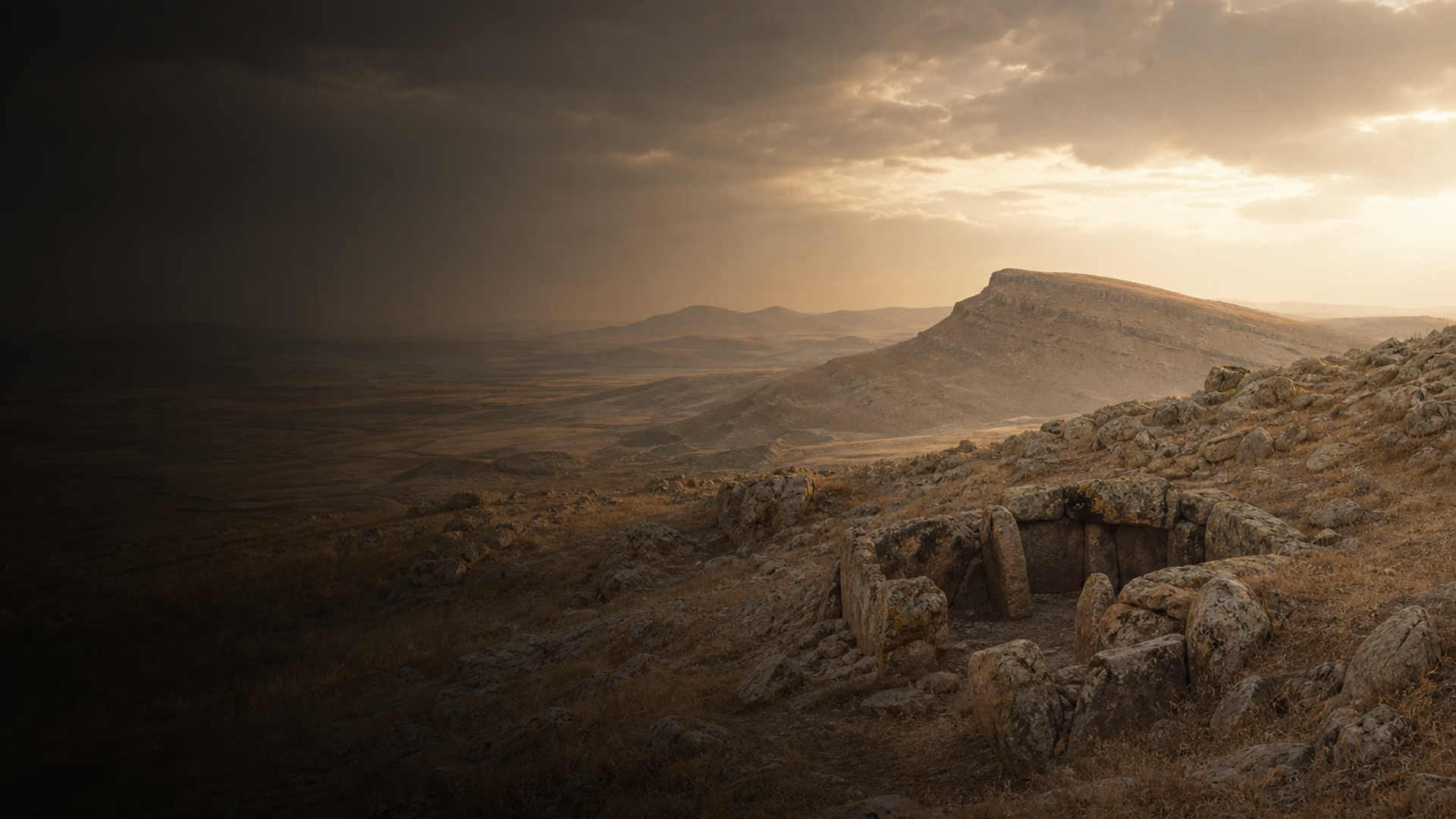
Across the volcanic plains and steppe-steeped valleys of Central Anatolia, the first village life emerges in the early Holocene. Sites such as Aşıklı Höyük (Aksaray province, earliest layers ca. 8226 BCE), Tepecik Çiftlik, and Barcın in the Marmara record a long arc from preceramic settlements to fully ceramic Neolithic communities. Archaeological layers show an increasingly deliberate management of wild cereals and pulses, the domestication of sheep and goats, and the adoption of pottery and permanent houses.

Stone tool industries and long-distance exchange in obsidian — especially from central Anatolian sources — mark burgeoning craft specializations and regional networks. Çatalhöyük (Konya plain) becomes emblematic of dense, closely-packed houses and rich symbolic contexts in the later part of this sequence (ca. 7100–6000 BCE). Archaeological data indicate a mosaic of continuity and innovation: local hunter-gatherer traditions interweave with cropping regimes and new technologies. Limited evidence suggests different communities adopted these changes at varying paces, producing regional diversity within an overarching Anatolian Neolithic phenomenon. The archaeological record provides the stage; ancient genomes help reveal the actors and their movements across Eurasia.

  • Earliest village occupations from ca. 8226 BCE (Aşıklı Höyük)
  • Transition from preceramic to ceramic cultures across Central and NW Anatolia
  • Obsidian trade and early pastoralism link sites across the region

Daily Life & Society

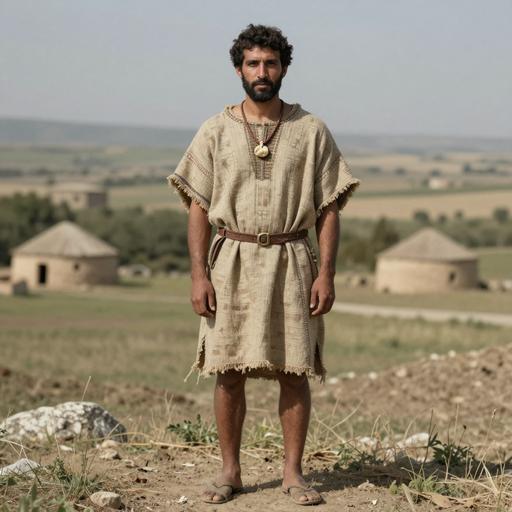
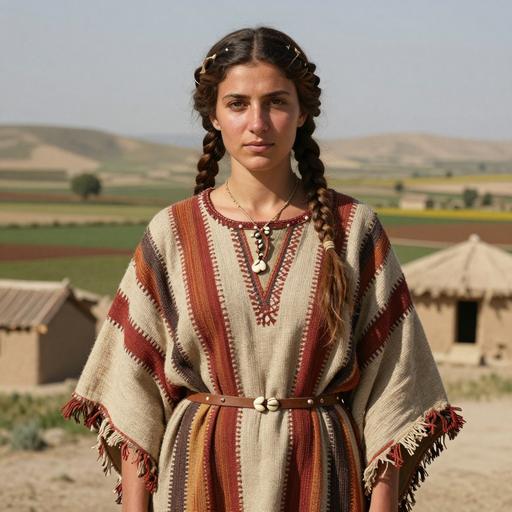
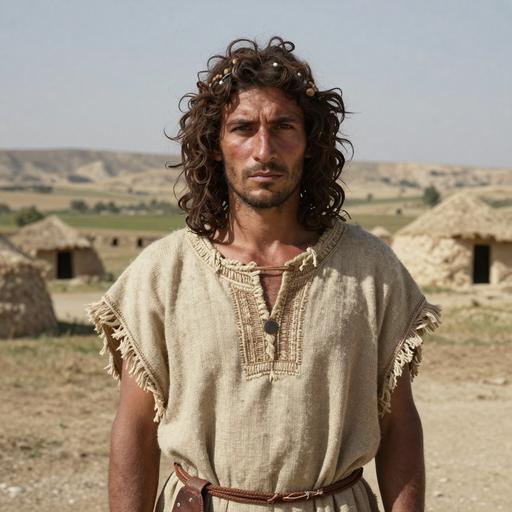
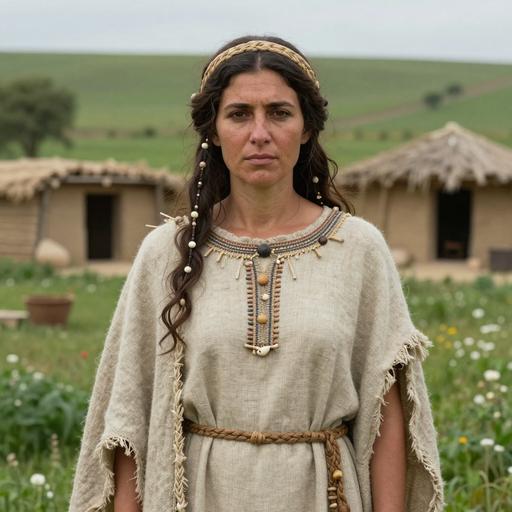
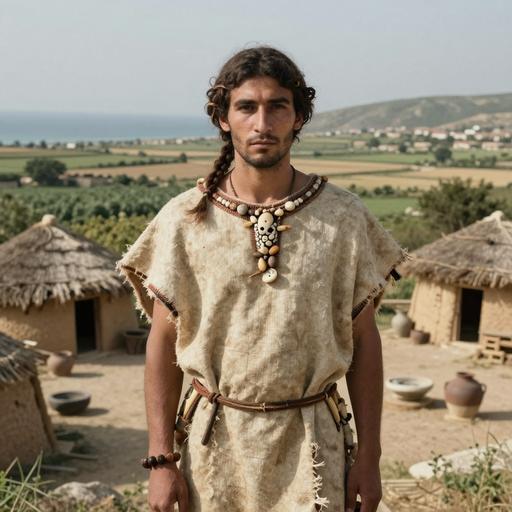
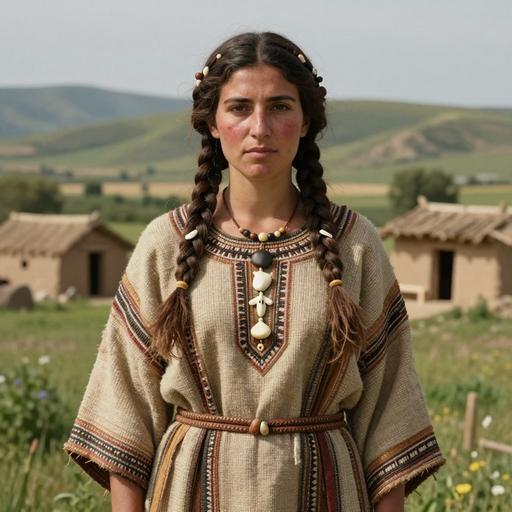
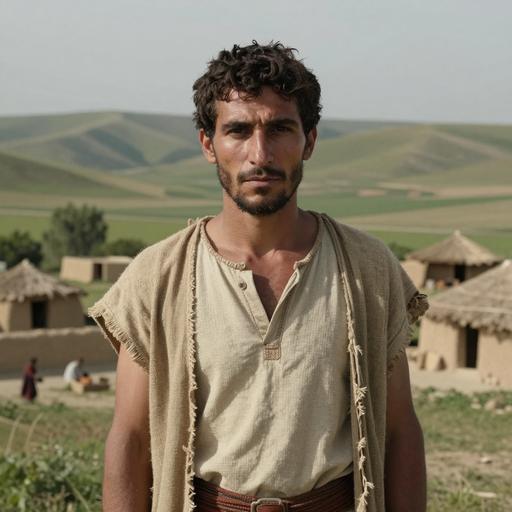
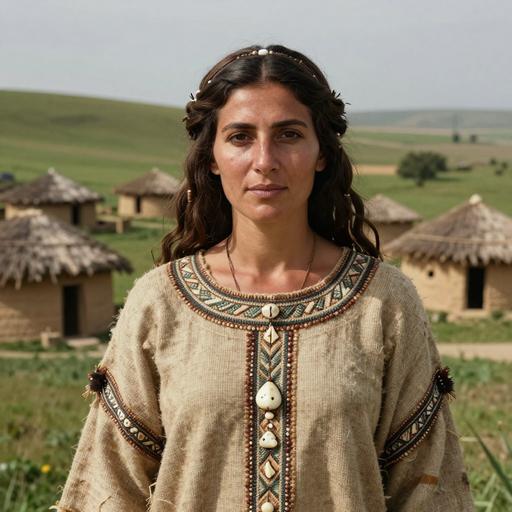
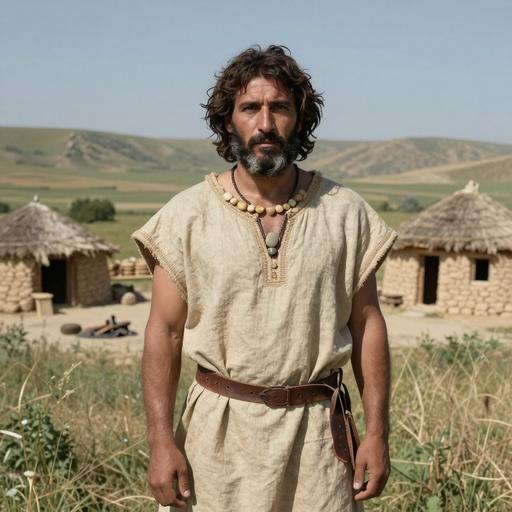
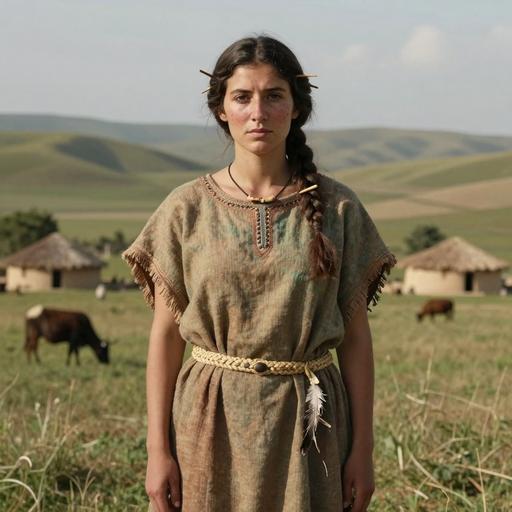
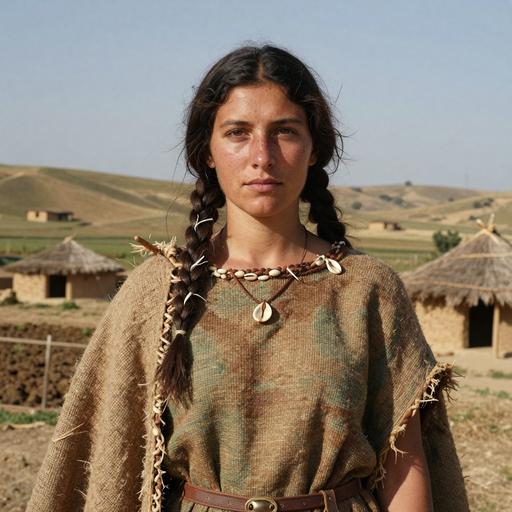
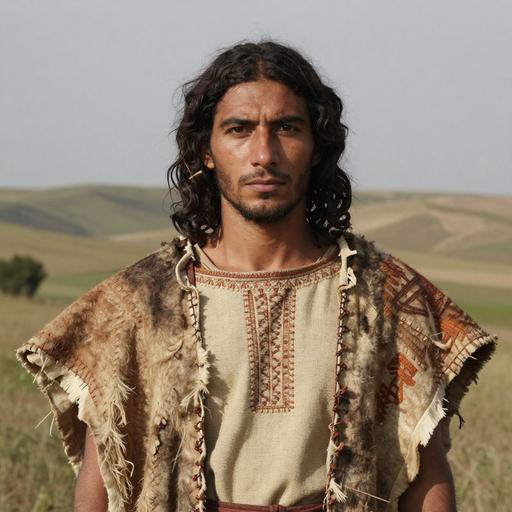
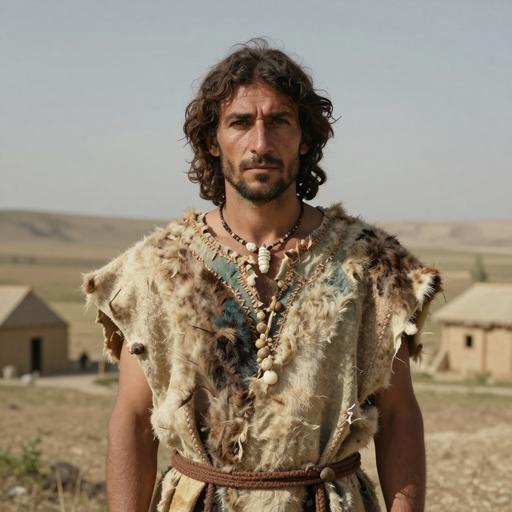
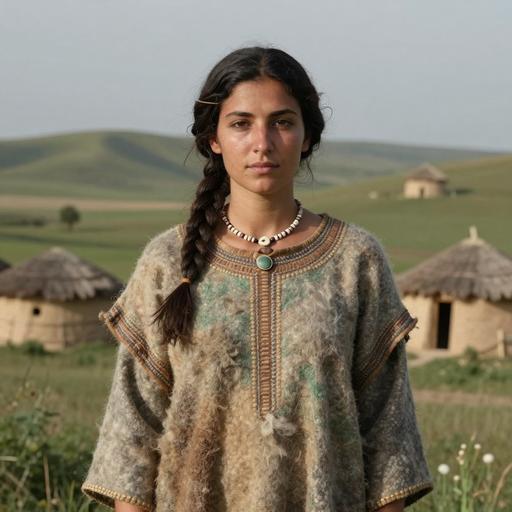
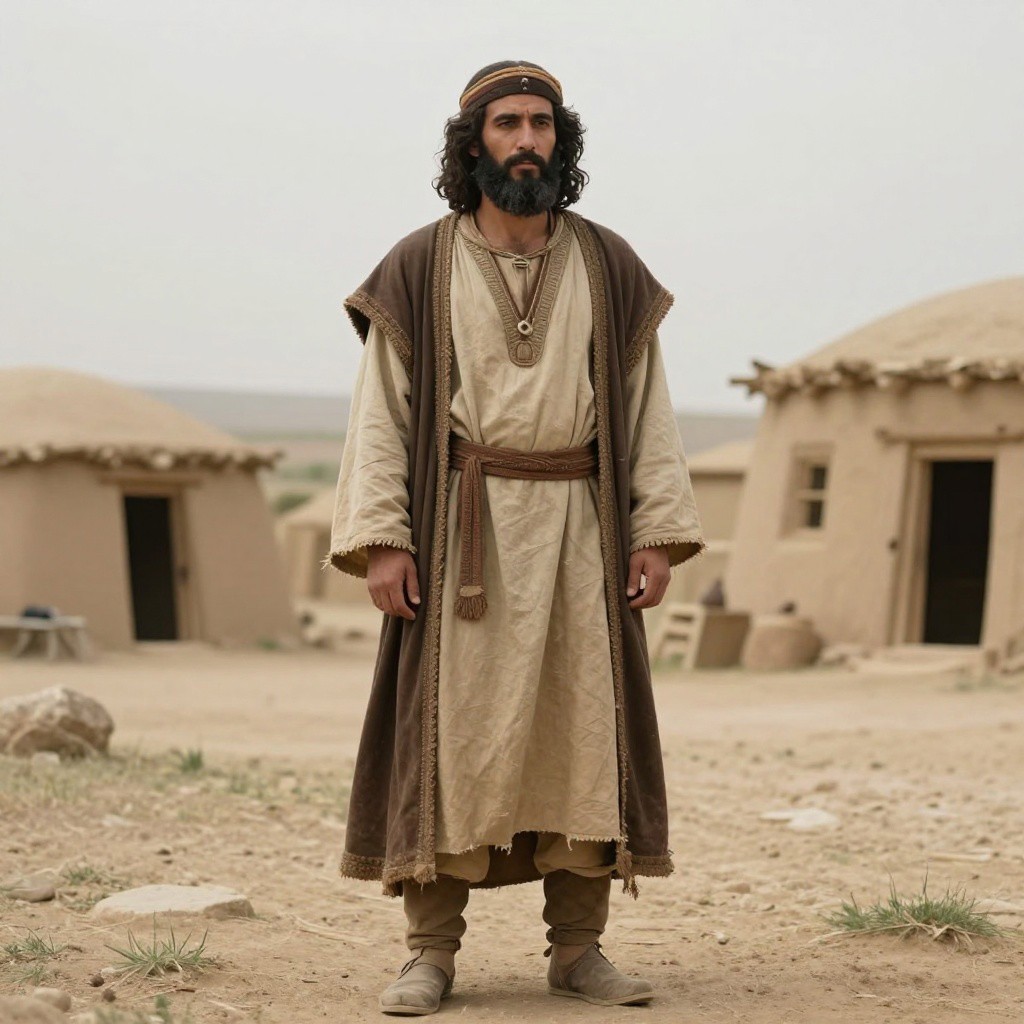
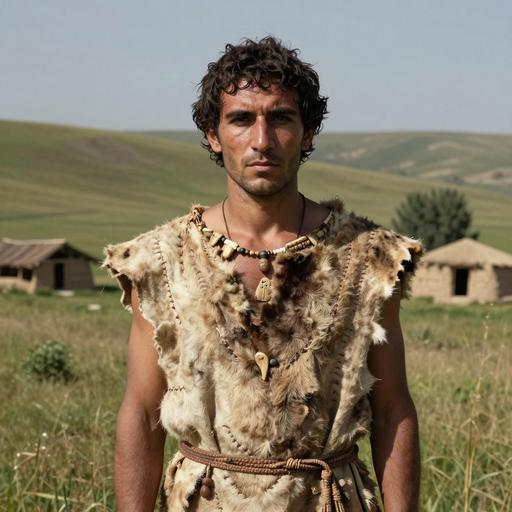
Life in Anatolian Neolithic settlements was tactile and collective: mudbrick and daub houses pressed shoulder-to-shoulder, hearths and storage pits embedded in daily routines, and courtyards where grinding, weaving, and tool-making left traces in living floors. Aşıklı Höyük’s layered floors reveal repeated rebuilding and domestic ritual; Çatalhöyük’s painted walls and figurines evoke a dense social fabric where homes were stages for both work and ceremony.

Economy centered on cultivation of einkorn, emmer, barley and managed herds of sheep and goats. Pottery styles—well-attested at Barcın and Ilıpınar—facilitated storage and cooking, while obsidian workshops attest to specialized production and intercommunity exchange. Burial practices varied: intramural burials, secondary interments, and modest grave goods suggest differing social expressions rather than rigid hierarchies. Craft, food, and symbolic life intertwined: the archaeological traces emphasize resilience and adaptation to changing climates and social circumstances.

Archaeobotanical, zooarchaeological, and material culture studies together sketch a vibrant, tactile world where communities negotiated space, resources, and identity.

  • Household-focused production: grinding, pottery, textile work, and obsidian tools
  • Mixed farming economy: cereals + caprine herding with variable burial customs

Genetic Profile

Ninety-seven genome-wide samples from Central and NW Anatolia provide a robust genetic portrait of Anatolian Neolithic populations. These individuals cluster tightly in ancient DNA space and are widely recognized as the primary ancestry source for early European farmers who expanded into the Balkans and beyond. Mitochondrial lineages are dominated by haplogroup K (37 occurrences), followed by N (19), T (7), HV (6), and H (4), reflecting maternal continuity and links to Near Eastern gene pools.
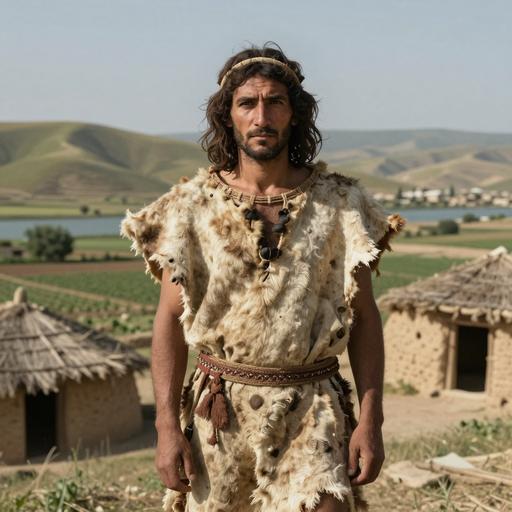
Y-chromosome diversity shows common presence of haplogroup G (20), a marker frequently associated with Neolithic farming groups in the Near East and Europe. Less frequent Y lineages observed include C (6), H (3), I (3), and J (2). While the overall sample size (97) gives confidence in major patterns, smaller counts of some Y haplogroups warrant caution: low-frequency lineages may reflect local admixture, sampling bias, or later male-mediated gene flow. Genomic analyses indicate Anatolian farmers carried a Near Eastern agricultural ancestry component with limited local hunter-gatherer admixture relative to contemporary European foragers.

Archaeogenetic evidence therefore ties the material innovations of Anatolian sites to population movements that reshaped the genetic landscape of Neolithic Europe, even as regional variation within Anatolia remained significant.

  • Anatolian farmer cluster is a major source for European Neolithic ancestry
  • mtDNA dominated by K (37); Y-DNA commonly G (20) but includes diverse low-frequency lineages

Legacy & Modern Connections

The Anatolian Neolithic left both tangible and genetic legacies. Genomes from these early farmers contribute substantially to the maternal and autosomal ancestry of later European populations, underpinning the demographic spread of agriculture. In Anatolia itself, continuity appears in parts of the genetic record, although subsequent millennia brought multiple waves of migration and language change—so modern Turkish populations reflect a complex palimpsest rather than direct one-to-one descent from Neolithic villagers.

Culturally, many hallmarks of settled life—domesticated crops, pottery, village-scale exchange—radiated from Anatolian centers into the Aegean and Balkans. However, archaeological and genetic data together caution against simplistic narratives: the spread of farming involved networks of people, ideas, and goods, and linguistic affiliations (including later Indo-European and Turkic arrivals) are not directly equated with these early farmer genomes. Continued sampling, especially from underrepresented sites and later periods, will refine our understanding of how Neolithic Anatolia shaped the genetic and cultural map of Eurasia.

  • Major genetic source for European Neolithic populations
  • Cultural innovations (farming, pottery, exchange) spread from Anatolia, but later migrations altered regional genetics and languages

קטלוג הדגימות

10 / 32 דגימות
תמונה דגימה מדינה תקופה תאריך תרבות מין Y-DNA mtDNA
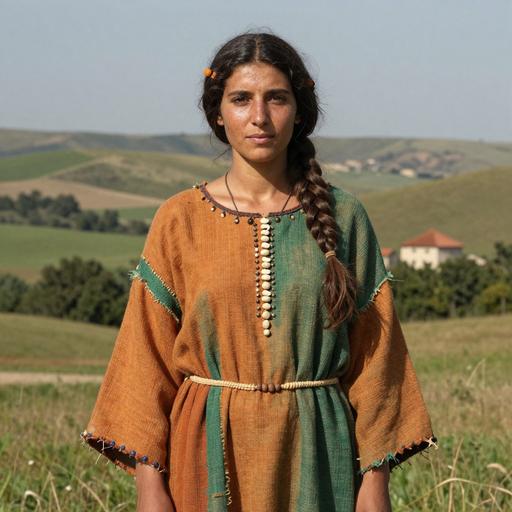
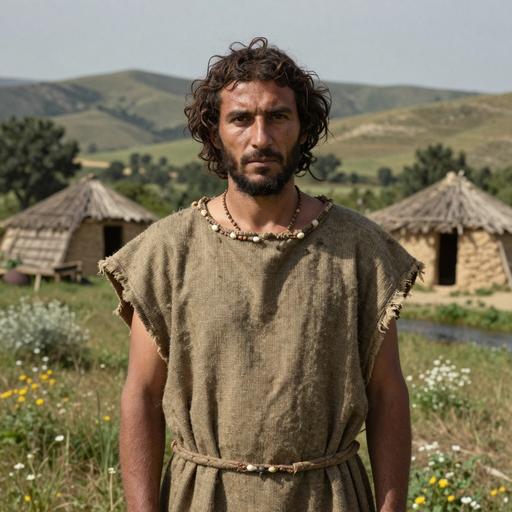
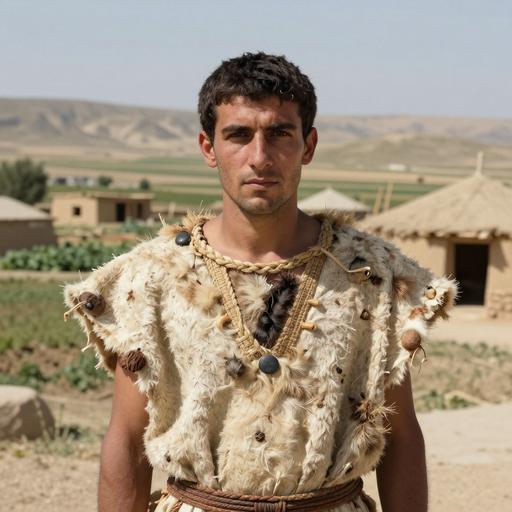
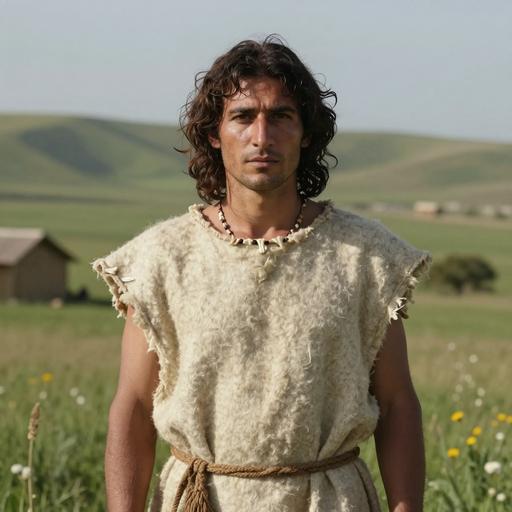
שחזור אמנותי שנוצר בבינה מלאכותית של N individual, Turkey
Turkey Turkey_N 6150-5800 BCE Anatolian Neolithic F - N1a1a1a
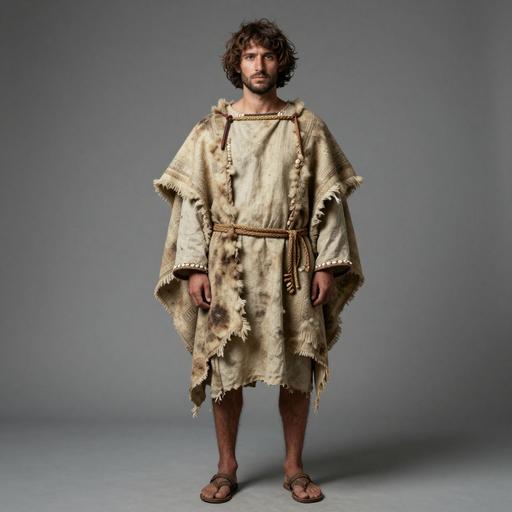
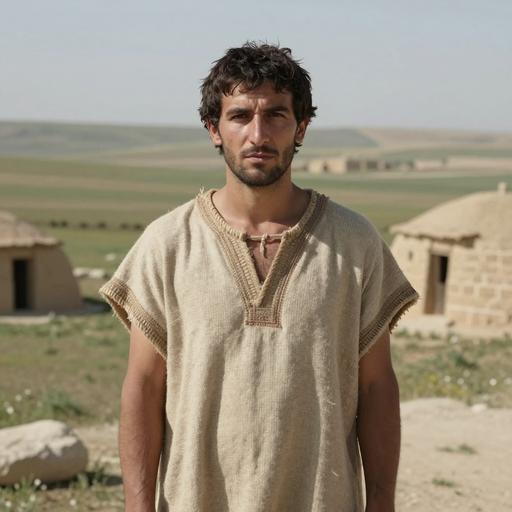
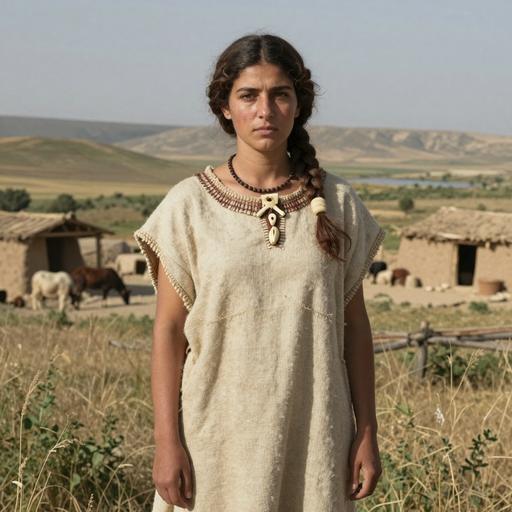
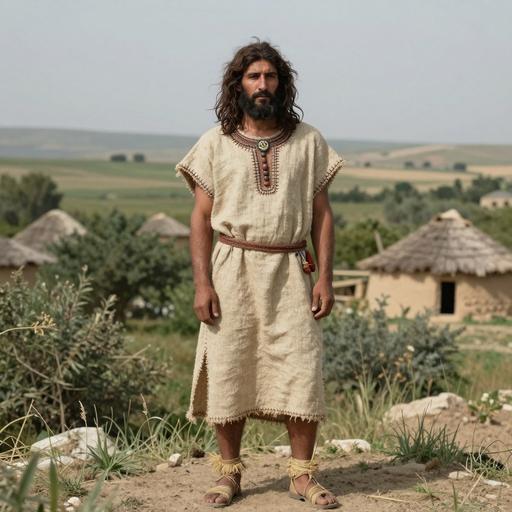
שחזור אמנותי שנוצר בבינה מלאכותית של Anatolian Neolithic individual, Turkey
Turkey Turkey_N 6223 BCE Anatolian Neolithic M H-BY102409 U3
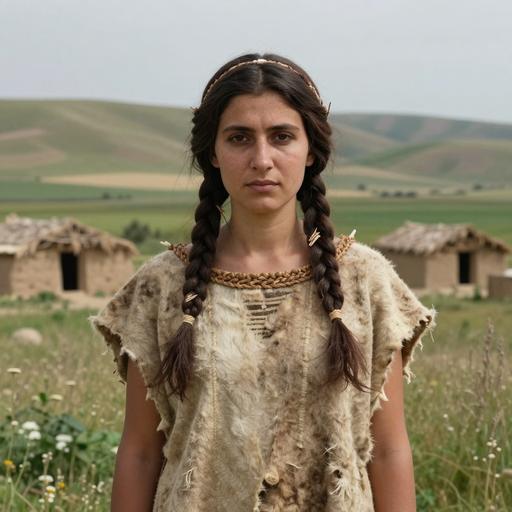
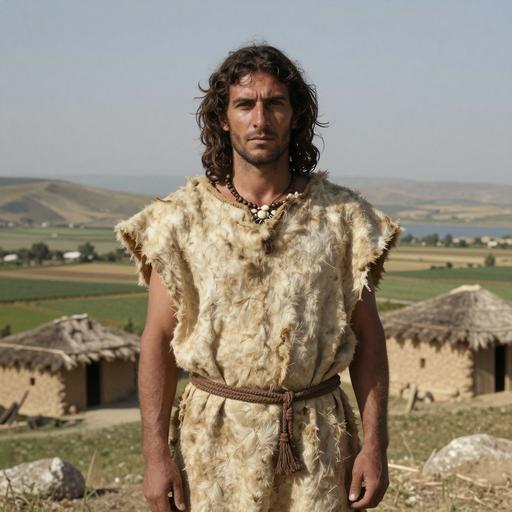
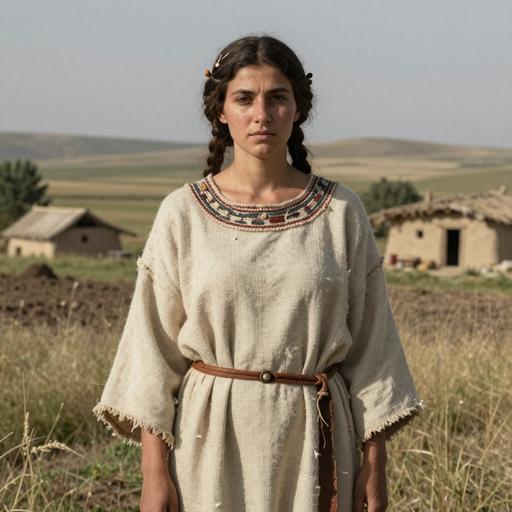
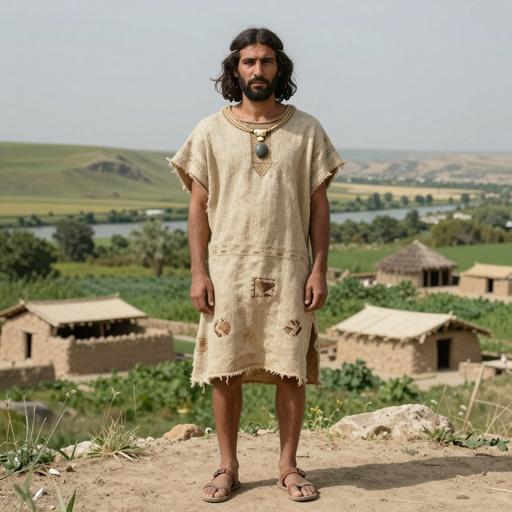
שחזור אמנותי שנוצר בבינה מלאכותית של Anatolian Neolithic individual, Turkey
Turkey Turkey_N 6225 BCE Anatolian Neolithic F - K1a4*
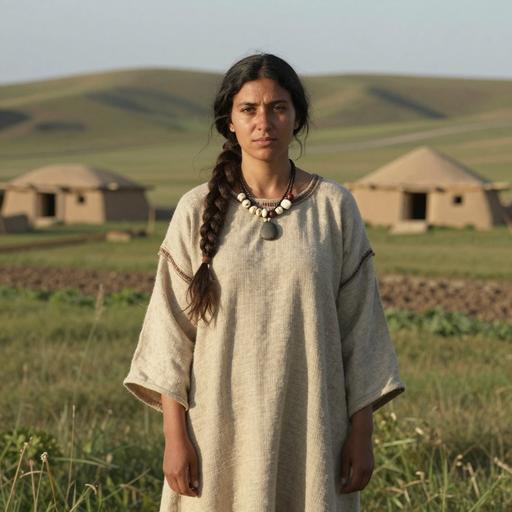
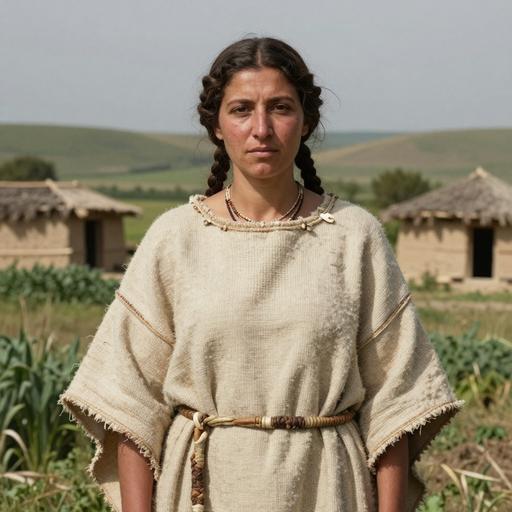
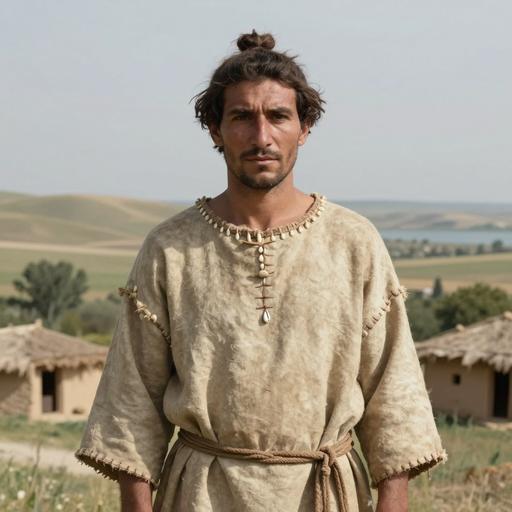
שחזור אמנותי שנוצר בבינה מלאכותית של Anatolian Neolithic individual, Turkey
Turkey Turkey_N 6424 BCE Anatolian Neolithic M G-FGC2315 K1a2e
שחזור אמנותי שנוצר בבינה מלאכותית של N individual, Turkey
Turkey Turkey_N 6070-5888 calBCE (7110±50 BP, Poz-82177) Anatolian Neolithic M G-CTS5990 K1a1*
שחזור אמנותי שנוצר בבינה מלאכותית של N individual, Turkey
Turkey Turkey_N 6387-6111 calBCE (7405±30 BP, PSUAMS-2105) Anatolian Neolithic M H-SK1180 U8b1b1*
שחזור אמנותי שנוצר בבינה מלאכותית של N individual, Turkey
Turkey Turkey_N 6224-6074 calBCE (7285±30 BP, PSUAMS-2103) Anatolian Neolithic M J-Z43590 N1b1a*
שחזור אמנותי שנוצר בבינה מלאכותית של Anatolian Neolithic individual, Turkey
Turkey Turkey_N 6221 BCE Anatolian Neolithic F - J2b1a
שחזור אמנותי שנוצר בבינה מלאכותית של Anatolian Neolithic individual, Turkey
Turkey Turkey_N 6417 BCE Anatolian Neolithic M G-L30 X2m
שחזור אמנותי שנוצר בבינה מלאכותית של Anatolian Neolithic individual, Turkey
Turkey Turkey_N 6217 BCE Anatolian Neolithic F - J/J1c
שחזור אמנותי שנוצר בבינה מלאכותית של Anatolian Neolithic individual, Turkey
Turkey Turkey_N 6419 BCE Anatolian Neolithic F - X2d*
שחזור אמנותי שנוצר בבינה מלאכותית של Anatolian Neolithic individual, Turkey
Turkey Turkey_N 6381 BCE Anatolian Neolithic F - H5*
שחזור אמנותי שנוצר בבינה מלאכותית של N individual, Turkey
Turkey Turkey_N 6500-6200 BCE Anatolian Neolithic M I-L596 N1a1a1
שחזור אמנותי שנוצר בבינה מלאכותית של Anatolian Neolithic individual, Turkey
Turkey Turkey_N 6386 BCE Anatolian Neolithic F - U3b7
שחזור אמנותי שנוצר בבינה מלאכותית של N individual, Turkey
Turkey Turkey_N 6150-5800 BCE Anatolian Neolithic M G2a2a2b N1a1a1
שחזור אמנותי שנוצר בבינה מלאכותית של Anatolian Neolithic individual, Turkey
Turkey Turkey_N 6221 BCE Anatolian Neolithic F - K1a-a
שחזור אמנותי שנוצר בבינה מלאכותית של N individual, Turkey
Turkey Turkey_N 6400-6239 calBCE (7455±30 BP, PSUAMS-2299) Anatolian Neolithic M G-Z6885 J1c*
שחזור אמנותי שנוצר בבינה מלאכותית של N individual, Turkey
Turkey Turkey_N 6500-6200 BCE Anatolian Neolithic F - N1a1a1a
שחזור אמנותי שנוצר בבינה מלאכותית של N individual, Turkey
Turkey Turkey_N 6420-6245 calBCE (7475±30 BP, PSUAMS-2297) Anatolian Neolithic M G-Z6885 W1
שחזור אמנותי שנוצר בבינה מלאכותית של Anatolian Neolithic individual, Turkey
Turkey Turkey_N 6228 BCE Anatolian Neolithic F - N1a1a1a
שחזור אמנותי שנוצר בבינה מלאכותית של N individual, Turkey
Turkey Turkey_N 6500-6200 BCE Anatolian Neolithic M H-P96 T2b
שחזור אמנותי שנוצר בבינה מלאכותית של N individual, Turkey
Turkey Turkey_N 6500-6200 BCE Anatolian Neolithic M G-Z6128 K1b1b1
שחזור אמנותי שנוצר בבינה מלאכותית של Anatolian Neolithic individual, Turkey
Turkey Turkey_N 6500 BCE Anatolian Neolithic M G-FGC2315 T2b
שחזור אמנותי שנוצר בבינה מלאכותית של Anatolian Neolithic individual, Turkey
Turkey Turkey_N 6500 BCE Anatolian Neolithic M C-PH428 K1a3a
שחזור אמנותי שנוצר בבינה מלאכותית של Anatolian Neolithic individual, Turkey
Turkey Turkey_N 6008 BCE Anatolian Neolithic M G-PF3148 X2m2
שחזור אמנותי שנוצר בבינה מלאכותית של Anatolian Neolithic individual, Turkey
Turkey Turkey_N 6500 BCE Anatolian Neolithic F - K1a or K1a6
שחזור אמנותי שנוצר בבינה מלאכותית של N individual, Turkey
Turkey Turkey_N 6400-5600 BCE Anatolian Neolithic F - H or H5-a
שחזור אמנותי שנוצר בבינה מלאכותית של Anatolian Neolithic individual, Turkey
Turkey Turkey_N 6400 BCE Anatolian Neolithic M I-L596 K1a4
שחזור אמנותי שנוצר בבינה מלאכותית של Anatolian Neolithic individual, Turkey
Turkey Turkey_N 6400 BCE Anatolian Neolithic M G-L140 K1a2
שחזור אמנותי שנוצר בבינה מלאכותית של N individual, Turkey
Turkey Turkey_N 6400-5600 BCE Anatolian Neolithic F - N1a1a1
שחזור אמנותי שנוצר בבינה מלאכותית של N individual, Turkey
Turkey Turkey_N 6500-6200 BCE M C T2c1
שחזור אמנותי שנוצר בבינה מלאכותית של Anatolian Neolithic individual, Turkey
Turkey Turkey_N 6500 BCE Anatolian Neolithic M - T2c1

עוזר הבינה המלאכותית

עוזר הבינה המלאכותית מאת DNA Genics

פתיחת התכונה הזו
שאלו שאלות על תרבות Anatolian Neolithic: Seeds of Farming. העוזר יכול להסביר ממצאים גנטיים, הקשר היסטורי, ראיות ארכאולוגיות וקשרים לעת המודרנית.
דוגמה לניתוח בבינה מלאכותית

מבט על תרבות Anatolian Neolithic: Seeds of Farming

דגימות DNA קדום עוזרות לחוקרים לחקור דפוסי נדידה וקשרים גנטיים בין אוכלוסיות קדומות.

זו תצוגה מקדימה של הניתוח. העוזר המלא מאפשר לעיין בנושאים הבאים:

  • הרכב גנטי ודמיון גנטי
  • דפוסי נדידה ומקורות
  • חיי יומיום ומנהגים תרבותיים
  • קשרים גנטיים בני זמננו