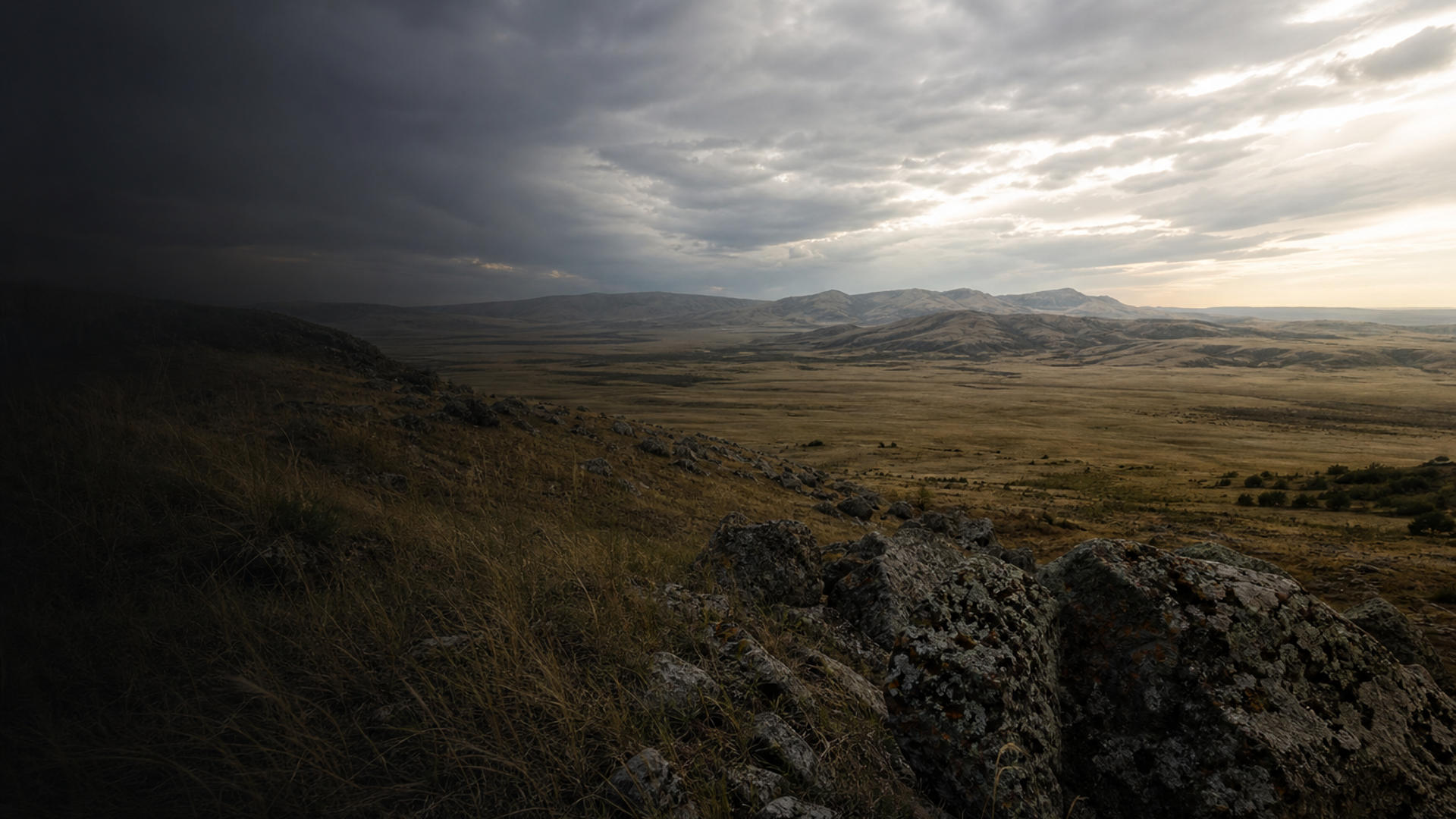
The daily world of Sarmatian communities on the Caspian steppe was shaped by wind, horse, and horizon. Archaeological remains—weaponry, horse gear, metalwork, and grave assemblages—suggest a society organized around mobile pastoralism with strong martial values. Kurgan burials often preserve rich textiles, weapon caches, and personal ornaments that hint at social differentiation and craft networks stretching into the Black Sea and Central Asia.
Seasonal mobility allowed pastoral herds to exploit distant pastures; settlements were often ephemeral, with durable social memory preserved in burial monuments. Women’s burials sometimes contain high-status accoutrements and mounted items, indicating complex gender roles and possibly the celebrated mounted women noted in later classical sources. Trade and conflict introduced objects and styles from Mediterranean, Caucasian, and eastern steppe neighbors, making Sarmatian material culture a palimpsest of localized practices and long-distance connections.
Archaeobotanical and zooarchaeological evidence—where recovered—points to mixed herding economies with sheep, cattle, and horses central to subsistence and status. Nevertheless, preservation bias and uneven excavation mean many aspects of daily life remain opaque.