


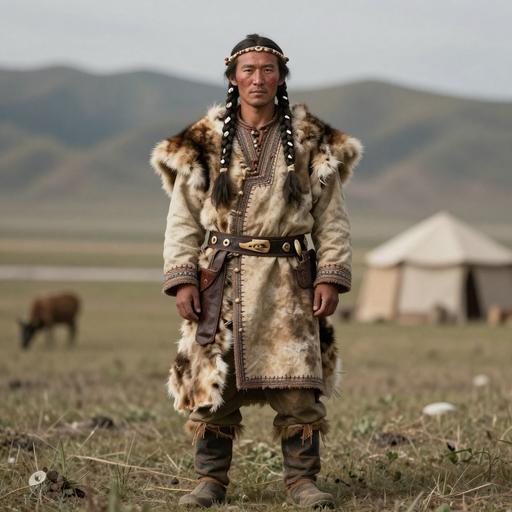
FRS001
Altai-Sayan peoples of Russia
5512 BCE
Firsovo (Altai Krai, Pervomaysky District, Firsovo Village), Russia
FRS002
Altai-Sayan peoples of Russia
5521 BCE
Firsovo (Altai Krai, Pervomaysky District, Firsovo Village), Russia
NVR001
Altai-Sayan peoples of Russia
4333 BCE
.. (Altai Krai, Novoaltaysk municipality), Russia
TZB001
Altai-Sayan peoples of Russia
3495 BCE
Tuzovskie-Bugry-1 (Vasino-5) (Altai Krai, Pervomaysky District), Russia
TZB002
Altai-Sayan peoples of Russia
3983 BCE
Tuzovskie-Bugry-1 (Vasino-5) (Altai Krai, Pervomaysky District), Russia
LM16
Russian Primorsky Krai
4935 BCE
.. (Primorsky Krai, Partizansky District), Russia
KMT001
Itelmens of Kamchatka (450 CE)
550 CE
.. (Kamchatka Krai, Milkovsky District), Russia
KMT002
Itelmens of Kamchatka (450 CE)
404 CE
.. (Kamchatka Krai, Milkovsky District), Russia
KMT003
Itelmens of Kamchatka (450 CE)
774 CE
.. (Kamchatka Krai, Milkovsky District), Russia
| Sample ID | Culture/Period | Date | Location | Action |
|---|---|---|---|---|
| FRS001 | Altai-Sayan peoples of Russia | 5512 BCE | Firsovo (Altai Krai, Pervomaysky District, Firsovo Village), Russia | View |
| FRS002 | Altai-Sayan peoples of Russia | 5521 BCE | Firsovo (Altai Krai, Pervomaysky District, Firsovo Village), Russia | View |
| NVR001 | Altai-Sayan peoples of Russia | 4333 BCE | .. (Altai Krai, Novoaltaysk municipality), Russia | View |
| TZB001 | Altai-Sayan peoples of Russia | 3495 BCE | Tuzovskie-Bugry-1 (Vasino-5) (Altai Krai, Pervomaysky District), Russia | View |
| TZB002 | Altai-Sayan peoples of Russia | 3983 BCE | Tuzovskie-Bugry-1 (Vasino-5) (Altai Krai, Pervomaysky District), Russia | View |
| LM16 | Russian Primorsky Krai | 4935 BCE | .. (Primorsky Krai, Partizansky District), Russia | View |
| KMT001 | Itelmens of Kamchatka (450 CE) | 550 CE | .. (Kamchatka Krai, Milkovsky District), Russia | View |
| KMT002 | Itelmens of Kamchatka (450 CE) | 404 CE | .. (Kamchatka Krai, Milkovsky District), Russia | View |
| KMT003 | Itelmens of Kamchatka (450 CE) | 774 CE | .. (Kamchatka Krai, Milkovsky District), Russia | View |
FRS001
Altai-Sayan peoples of Russia
5512 BCE
Firsovo (Altai Krai, Pervomaysky District, Firsovo Village), Russia
FRS002
Altai-Sayan peoples of Russia
5521 BCE
Firsovo (Altai Krai, Pervomaysky District, Firsovo Village), Russia
NVR001
Altai-Sayan peoples of Russia
4333 BCE
.. (Altai Krai, Novoaltaysk municipality), Russia
TZB001
Altai-Sayan peoples of Russia
3495 BCE
Tuzovskie-Bugry-1 (Vasino-5) (Altai Krai, Pervomaysky District), Russia
TZB002
Altai-Sayan peoples of Russia
3983 BCE
Tuzovskie-Bugry-1 (Vasino-5) (Altai Krai, Pervomaysky District), Russia
| Sample ID | Culture/Period | Date | Location | Action |
|---|---|---|---|---|
| FRS001 | Altai-Sayan peoples of Russia | 5512 BCE | Firsovo (Altai Krai, Pervomaysky District, Firsovo Village), Russia | View |
| FRS002 | Altai-Sayan peoples of Russia | 5521 BCE | Firsovo (Altai Krai, Pervomaysky District, Firsovo Village), Russia | View |
| NVR001 | Altai-Sayan peoples of Russia | 4333 BCE | .. (Altai Krai, Novoaltaysk municipality), Russia | View |
| TZB001 | Altai-Sayan peoples of Russia | 3495 BCE | Tuzovskie-Bugry-1 (Vasino-5) (Altai Krai, Pervomaysky District), Russia | View |
| TZB002 | Altai-Sayan peoples of Russia | 3983 BCE | Tuzovskie-Bugry-1 (Vasino-5) (Altai Krai, Pervomaysky District), Russia | View |