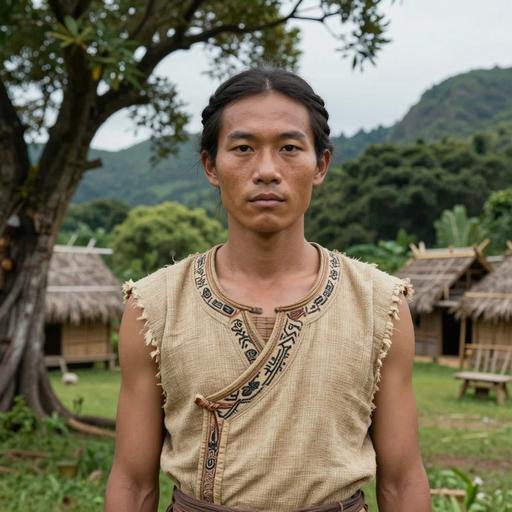
The Gongguan culture is an archaeological culture associated with the Austronesian peoples, found primarily in the region of Taiwan. This culture is crucial to understanding the early development of Austronesian societies, which eventually spread across vast distances in the Pacific and Indian Oceans. The Gongguan culture, situated mainly around the site in Miaoli County, Taiwan, offers significant insights into the prehistoric period of the island and the broader movements of peoples and cultures in Southeast Asia.
Timeline and Chronology
The Gongguan culture flourished during the Neolithic period, approximately from 2500 BCE to 1500 BCE. This era is marked by transitions in technology, social organization, and subsistence strategies, which are reflected in the archaeological findings from this culture.
Material Culture and Artifacts
The artifacts associated with the Gongguan culture include pottery, stone tools, and evidence of early agricultural practices. The pottery is typically characterized by its cord-marked designs, which are indicative of the broader Neolithic trends in the region. These pottery styles suggest a shared cultural heritage with other Southeast Asian groups and imply interaction and trade.
Stone Tools and Technology: Tools from this culture include polished stone axes, adzes, and chipped stone tools that were likely used in woodworking and other activities. The presence of these tools indicates a society engaged in both farming and hunting-gathering.
Pottery: Gongguan pottery tends to be simple in form but is significant for its decoration, which often includes intricate cord-marked patterns. This suggests a level of social complexity where decorative arts held cultural significance.
Subsistence and Economy
The Gongguan culture was primarily agrarian but supplemented its diet with hunting and gathering. Archaeological evidence, such as grinding stones and remnants of cultivated plants, indicates that they practiced early forms of agriculture, likely focusing on rice cultivation given the climatic conditions and historical development patterns in the region.
Social Organization
While direct evidence of social organization is sparse, the artifacts suggest a community-based lifestyle with some division of labor. The presence of decorative pottery and tools implies a society where craftsmanship was valued, and possibly where social stratification had begun to emerge, but not to the extent seen in later societies.
Settlement Patterns
The settlement patterns of the Gongguan culture reveal that people lived in small, scattered communities. These settlements were typically located near rivers or coastal areas, providing access to both agricultural lands and fishing resources. Houses were likely constructed from organic materials, as evidence points to post holes and remnants of structured foundations in key archaeological sites.
Cultural and Linguistic Implications
The Gongguan culture is part of the broader tapestry of Austronesian cultures, whose descendants spread across the Pacific Islands, reaching as far as New Zealand, Hawaii, and Madagascar. The developments in Taiwan during this period are often considered a precursor to the massive Austronesian expansions. Linguistically, the people of the Gongguan culture would likely have been Proto-Austronesian speakers, contributing to the diverse language family known today.
Archaeological Significance
Excavations at Gongguan and similar sites have provided crucial insights into the nature of Neolithic life in Taiwan. These findings help bridge the understanding between the prehistoric cultures of mainland Asia and the subsequent Austronesian expansions. The cultural artifacts and settlement evidence encapsulate the life of a society on the brink of significant maritime dispersal.
In summary, the Gongguan culture represents a vital link in the early history of Austronesian peoples. Its artifacts, subsistence strategies, and social structures offer a glimpse into the Neolithic changes that would lay the foundation for one of the largest and most significant human migrations in prehistoric times. This culture's contributions to agriculture, technology, and proto-language highlight the complexities and innovations of Taiwan's ancient inhabitants.