


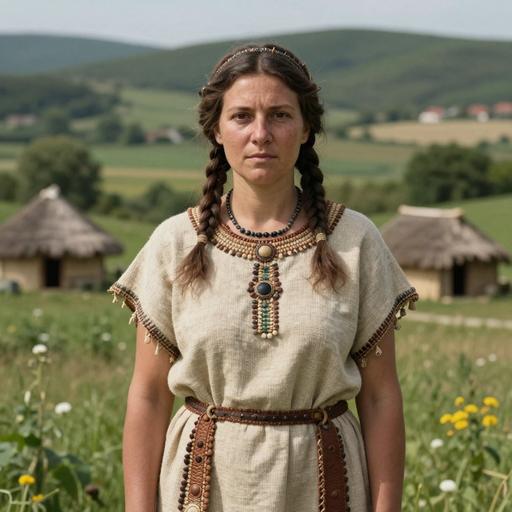
JAG34
Middle Bronze Age Jagodnjak, Croatia
1876 BCE
Osijek. Jagodnjak-Krcevine, Croatia
JAG58
Middle Bronze Age Jagodnjak, Croatia
1800 BCE
Osijek. Jagodnjak-Krcevine, Croatia
JAG78
Middle Bronze Age Jagodnjak, Croatia
1800 BCE
Osijek. Jagodnjak-Krcevine, Croatia
JAG82
Middle Bronze Age Jagodnjak, Croatia
1800 BCE
Osijek. Jagodnjak-Krcevine, Croatia
JAG85
Middle Bronze Age Jagodnjak, Croatia
1800 BCE
Osijek. Jagodnjak-Krcevine, Croatia
JAG93
Middle Bronze Age Jagodnjak, Croatia
1800 BCE
Osijek. Jagodnjak-Krcevine, Croatia
POP02
Middle Neolithic Popova Culture
4700 BCE
Osijek. Beli Manastir-Popova zemlja, Croatia
POP04
Middle Neolithic Popova Culture
4700 BCE
Osijek. Beli Manastir-Popova zemlja, Croatia
POP05
Middle Neolithic Popova Culture
4700 BCE
Osijek. Beli Manastir-Popova zemlja, Croatia
POP06
Middle Neolithic Popova Culture
4700 BCE
Osijek. Beli Manastir-Popova zemlja, Croatia
POP07
Middle Neolithic Popova Culture
4792 BCE
Osijek. Beli Manastir-Popova zemlja, Croatia
POP08
Middle Neolithic Popova Culture
4700 BCE
Osijek. Beli Manastir-Popova zemlja, Croatia
| Sample ID | Culture/Period | Date | Location | Action |
|---|---|---|---|---|
| JAG34 | Middle Bronze Age Jagodnjak, Croatia | 1876 BCE | Osijek. Jagodnjak-Krcevine, Croatia | View |
| JAG58 | Middle Bronze Age Jagodnjak, Croatia | 1800 BCE | Osijek. Jagodnjak-Krcevine, Croatia | View |
| JAG78 | Middle Bronze Age Jagodnjak, Croatia | 1800 BCE | Osijek. Jagodnjak-Krcevine, Croatia | View |
| JAG82 | Middle Bronze Age Jagodnjak, Croatia | 1800 BCE | Osijek. Jagodnjak-Krcevine, Croatia | View |
| JAG85 | Middle Bronze Age Jagodnjak, Croatia | 1800 BCE | Osijek. Jagodnjak-Krcevine, Croatia | View |
| JAG93 | Middle Bronze Age Jagodnjak, Croatia | 1800 BCE | Osijek. Jagodnjak-Krcevine, Croatia | View |
| POP02 | Middle Neolithic Popova Culture | 4700 BCE | Osijek. Beli Manastir-Popova zemlja, Croatia | View |
| POP04 | Middle Neolithic Popova Culture | 4700 BCE | Osijek. Beli Manastir-Popova zemlja, Croatia | View |
| POP05 | Middle Neolithic Popova Culture | 4700 BCE | Osijek. Beli Manastir-Popova zemlja, Croatia | View |
| POP06 | Middle Neolithic Popova Culture | 4700 BCE | Osijek. Beli Manastir-Popova zemlja, Croatia | View |
| POP07 | Middle Neolithic Popova Culture | 4792 BCE | Osijek. Beli Manastir-Popova zemlja, Croatia | View |
| POP08 | Middle Neolithic Popova Culture | 4700 BCE | Osijek. Beli Manastir-Popova zemlja, Croatia | View |
| POP09 | Middle Neolithic Popova Culture | 4700 BCE | Osijek. Beli Manastir-Popova zemlja, Croatia | View |
| POP12 | Middle Neolithic Popova Culture | 4700 BCE | Osijek. Beli Manastir-Popova zemlja, Croatia | View |
| POP13 | Middle Neolithic Popova Culture | 4700 BCE | Osijek. Beli Manastir-Popova zemlja, Croatia | View |
| POP14 | Middle Neolithic Popova Culture | 4777 BCE | Osijek. Beli Manastir-Popova zemlja, Croatia | View |
| POP16 | Middle Neolithic Popova Culture | 4700 BCE | Osijek. Beli Manastir-Popova zemlja, Croatia | View |
| POP19 | Middle Neolithic Popova Culture | 4700 BCE | Osijek. Beli Manastir-Popova zemlja, Croatia | View |
| POP23 | Roman Period Popova, Croatia | 261 CE | Osijek. Beli Manastir-Popova zemlja, Croatia | View |
| POP24 | Middle Neolithic Popova Culture | 4700 BCE | Osijek. Beli Manastir-Popova zemlja, Croatia | View |
POP02
Middle Neolithic Popova Culture
4700 BCE
Osijek. Beli Manastir-Popova zemlja, Croatia
POP04
Middle Neolithic Popova Culture
4700 BCE
Osijek. Beli Manastir-Popova zemlja, Croatia
POP05
Middle Neolithic Popova Culture
4700 BCE
Osijek. Beli Manastir-Popova zemlja, Croatia
POP06
Middle Neolithic Popova Culture
4700 BCE
Osijek. Beli Manastir-Popova zemlja, Croatia
POP07
Middle Neolithic Popova Culture
4792 BCE
Osijek. Beli Manastir-Popova zemlja, Croatia
POP08
Middle Neolithic Popova Culture
4700 BCE
Osijek. Beli Manastir-Popova zemlja, Croatia
POP09
Middle Neolithic Popova Culture
4700 BCE
Osijek. Beli Manastir-Popova zemlja, Croatia
POP12
Middle Neolithic Popova Culture
4700 BCE
Osijek. Beli Manastir-Popova zemlja, Croatia
POP13
Middle Neolithic Popova Culture
4700 BCE
Osijek. Beli Manastir-Popova zemlja, Croatia
POP14
Middle Neolithic Popova Culture
4777 BCE
Osijek. Beli Manastir-Popova zemlja, Croatia
POP16
Middle Neolithic Popova Culture
4700 BCE
Osijek. Beli Manastir-Popova zemlja, Croatia
POP19
Middle Neolithic Popova Culture
4700 BCE
Osijek. Beli Manastir-Popova zemlja, Croatia
| Sample ID | Culture/Period | Date | Location | Action |
|---|---|---|---|---|
| POP02 | Middle Neolithic Popova Culture | 4700 BCE | Osijek. Beli Manastir-Popova zemlja, Croatia | View |
| POP04 | Middle Neolithic Popova Culture | 4700 BCE | Osijek. Beli Manastir-Popova zemlja, Croatia | View |
| POP05 | Middle Neolithic Popova Culture | 4700 BCE | Osijek. Beli Manastir-Popova zemlja, Croatia | View |
| POP06 | Middle Neolithic Popova Culture | 4700 BCE | Osijek. Beli Manastir-Popova zemlja, Croatia | View |
| POP07 | Middle Neolithic Popova Culture | 4792 BCE | Osijek. Beli Manastir-Popova zemlja, Croatia | View |
| POP08 | Middle Neolithic Popova Culture | 4700 BCE | Osijek. Beli Manastir-Popova zemlja, Croatia | View |
| POP09 | Middle Neolithic Popova Culture | 4700 BCE | Osijek. Beli Manastir-Popova zemlja, Croatia | View |
| POP12 | Middle Neolithic Popova Culture | 4700 BCE | Osijek. Beli Manastir-Popova zemlja, Croatia | View |
| POP13 | Middle Neolithic Popova Culture | 4700 BCE | Osijek. Beli Manastir-Popova zemlja, Croatia | View |
| POP14 | Middle Neolithic Popova Culture | 4777 BCE | Osijek. Beli Manastir-Popova zemlja, Croatia | View |
| POP16 | Middle Neolithic Popova Culture | 4700 BCE | Osijek. Beli Manastir-Popova zemlja, Croatia | View |
| POP19 | Middle Neolithic Popova Culture | 4700 BCE | Osijek. Beli Manastir-Popova zemlja, Croatia | View |
| POP24 | Middle Neolithic Popova Culture | 4700 BCE | Osijek. Beli Manastir-Popova zemlja, Croatia | View |
| POP27 | Middle Neolithic Popova Culture | 4700 BCE | Osijek. Beli Manastir-Popova zemlja, Croatia | View |
| POP33 | Middle Neolithic Popova Culture | 4603 BCE | Osijek. Beli Manastir-Popova zemlja, Croatia | View |
| POP36 | Middle Neolithic Popova Culture | 4700 BCE | Osijek. Beli Manastir-Popova zemlja, Croatia | View |