Y-DNA · Paternal lineage

I1A1B1A

Y-DNA Haplogroup I1A1B1A

A reference profile for one lineage branch. Shared haplogroups do not establish a family relationship or cultural identity.

Reference profile

Branch background

Historical context for Y-DNA lineage branch I1A1B1A

Origins and Evolution

Y-DNA haplogroup I1A1B1A is a downstream branch of I1, one of the most characteristic paternal lineages of northern Europe. Because it sits several steps below I1 within the phylogenetic tree, it is best understood as a recent subclade that likely formed through localized founder effects after the last Ice Age, rather than as an ancient deep lineage with broad prehistoric distribution.

The broader I1 lineage is strongly associated with post-glacial northern European population history, especially in Scandinavia and adjacent regions. The most plausible origin for I1A1B1A is therefore Northern Europe, likely within a Scandinavian or nearby northwestern European context around 10 kya. As with many derived Y-DNA lineages in this region, its present-day distribution would have been shaped by repeated bottlenecks, regional expansions, drift, and later historical mobility.

Subclades

As an intermediate-to-downstream branch, I1A1B1A is part of a nested paternal hierarchy that connects broader I1 diversity to more localized regional lineages. In general, subclades of I1 often show strong phylogeographic structure, with some branches enriched in Scandinavia and others spread through the North Sea world, the Baltic, Central Europe, and later diasporas.

Because this is a specific subclade, its exact internal branching pattern may be less well characterized in published literature than major haplogroups such as I1, I2, R1a, or R1b. Nevertheless, its placement strongly suggests a history consistent with northern European male-line continuity, followed by regional diversification.

Geographical Distribution

The expected distribution of I1A1B1A is concentrated in Scandinavia and nearby northwestern and central European populations, with lower frequencies or sporadic occurrences in broader Europe due to historical movements.

Typical population contexts include:

  • Scandinavians as the core region of diversity and highest likely frequency
  • Germans, Dutch, and Austrians through north-central European gene flow
  • British and Irish populations via North Sea and post-medieval migration layers
  • Baltic and East Slavic populations through medieval and early modern contact zones
  • Balkan and Central European populations at lower levels, usually reflecting admixture and dispersal
  • Recent diaspora populations in the Americas, Australia, and New Zealand

Historical and Cultural Significance

Haplogroup I1 is often discussed in relation to Germanic-speaking and Scandinavian population histories, but subclades such as I1A1B1A should not be equated with any single culture. Instead, they reflect paternal descent lines that may have passed through multiple cultural and linguistic contexts over time.

Possible broader cultural associations for the lineage include:

  • Mesolithic northern European hunter-gatherer continuity, as part of the deep background of I-lineage presence in Europe
  • Neolithic and post-Neolithic northern European populations, through later local continuity and admixture
  • Bronze Age and Iron Age northern Europeans, including ancestral populations contributing to later Scandinavian and Germanic expansions
  • Viking Age and medieval North Sea societies, where northern European paternal lineages spread through seafaring, trade, and settlement

These associations are contextual rather than exclusive; the haplogroup’s presence in a population does not imply that all members of that culture carried it, only that the lineage may have been carried by some male lines within those demographic systems.

Conclusion

I1A1B1A is a derived northern European Y-DNA subclade most likely originating in post-glacial northern Europe, with strongest expectations of frequency in Scandinavia and nearby regions. Its distribution reflects the combination of founder effects, regional expansion, and later historical migration, making it a useful marker for studying fine-scale paternal ancestry within northwestern and central Europe.

Key Points

  • Origins and Evolution
  • Subclades
  • Geographical Distribution
  • Historical and Cultural Significance
  • Conclusion
Reference profile

Tree & Relationships

Phylogenetic context and subclades

Evolution Path

Follow the recorded parent branches toward I1A1B1A. Dates are estimates and can change as reference data is revised.

Steps Haplogroup Age Estimate Archaeology Era Time Passed Immediate Descendants Tested Modern Descendants Ancient Connections
1 I1A1B1A Current ~10,000 years ago Neolithic 10,000 years 4 65 6
2 I1A1B1 ~10,000 years ago Neolithic 10,000 years 3 193 0
3 I1A1B ~10,000 years ago Neolithic 10,000 years 1 326 22
4 I1A1 ~10,000 years ago Neolithic 10,000 years 3 410 0
5 I1A ~10,000 years ago Neolithic 10,000 years 5 854 16
6 I1 ~20,000 years ago Mesolithic 20,000 years 3 1,315 2
7 I ~25,000 years ago Paleolithic 25,000 years 4 3,486 79

Siblings (2)

Other branches from the same parent haplogroup

Reference profile

Where in the World

Geographic distribution and modern presence

Recorded origin

Northern Europe

Modern Distribution

The populations where Y-DNA haplogroup I1A1B1A is found include:

  1. Scandinavians
  2. Germans, Austrians, and Dutch populations
  3. British and Irish populations
  4. Baltic populations
  5. East Slavic populations
  6. Central European populations
  7. Balkan populations
  8. Recent diaspora populations in the Americas and Australia

Regional Presence

Northern Europe (Scandinavia) High
Western Europe (British Isles) Moderate
North-Eastern Europe (Baltic / Poland) Low
North America (diaspora) Low
Central Europe Moderate
Eastern Europe Low
Oceania Low
Historical context

A branch through time

Estimated formation in a broad historical timeline. Period markers provide context and do not imply a connection with particular cultures.

  1. ~10k years ago

    Neolithic Revolution

    Agriculture begins, settled communities form

  2. ~10k years ago

    Haplogroup I1A1B1A

    Estimated formation of this Y-DNA branch; dates and locations are reference estimates.

    This branch
  3. ~5k years ago

    Bronze Age

    Metalworking, writing, and early civilizations

  4. ~3k years ago

    Iron Age

    Iron tools, expanded trade networks

  5. ~2.5k years ago

    Classical Antiquity

    Greek and Roman civilizations flourish

  6. Present

    Present Day

    Modern era

Reference profile

Archaeological context

Recorded archaeological associations for Y-DNA branch I1A1B1A

Recorded associations

These labels describe archaeological contexts recorded for reference samples linked to I1A1B1A. An association does not establish that all carriers belonged to a culture or followed a particular migration route.

England_Cambridgeshire_Medieval Norse Pre-Viking Swedish Viking Viking Culture Viking Denmark
Culture assignments are based on archaeological context of ancient DNA samples and may represent regional associations during specific time periods.
Reference profile

Sample Catalog

6 subclade carriers of haplogroup I1A1B1A (no direct carriers in the current reference selection)

6 shown · 6 matching samples

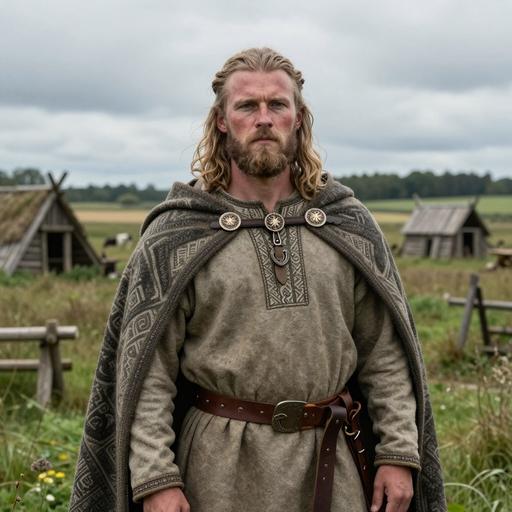
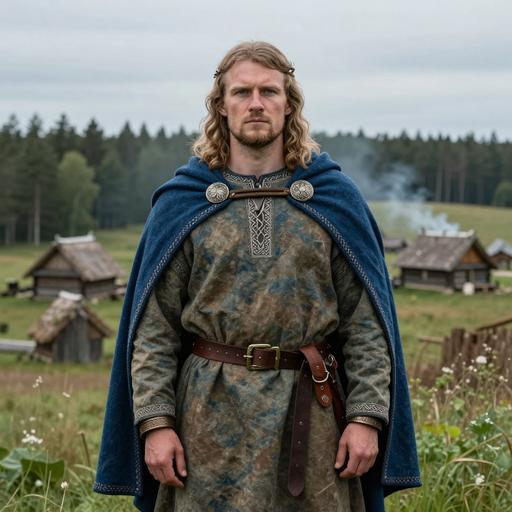
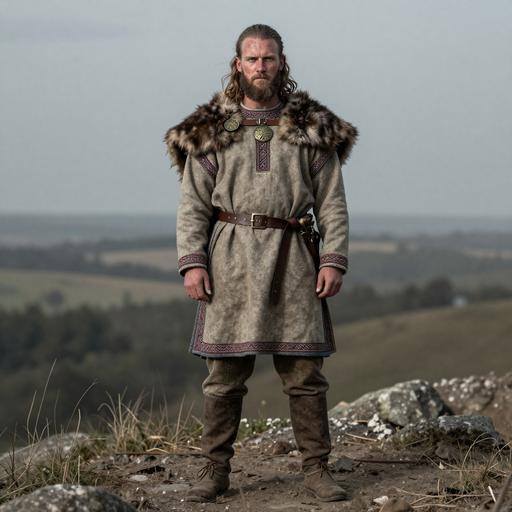
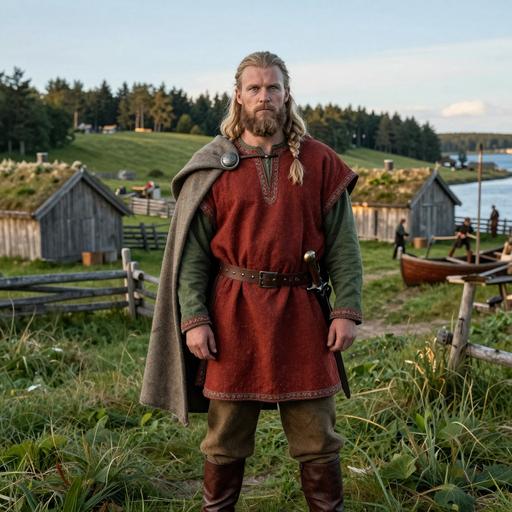
Portraits are AI-generated illustrations. Sample labels and accession IDs identify the reference records.

Portrait Sample Country Era Date Culture Y-DNA Match
AI-generated illustrative portrait of Norse individual, Sealand. Hundstrup Mose, Denmark (660-780 CE)
Sample ID: VK296
Denmark Denmark EarlyViking 660 CE - 780 CE Viking Culture I1a1b1a1 Subclade
AI-generated illustrative portrait of Norse individual, Saaremaa. Salme, Estonia (700-800 CE)
Sample ID: VK511
Estonia Early Viking Age Estonia 700 CE - 800 CE Viking I1a1b1a1 Subclade
AI-generated illustrative portrait of Norse individual, Sealand. Tollemosegard, Denmark (700-1,000 CE)
Sample ID: VK70
Denmark Denmark EarlyViking 700 CE - 1000 CE Viking Culture I1a1b1a1 Subclade
AI-generated illustrative portrait of Norse individual, England. Oxford. St John's College Oxford, United Kingdom (880-1,000 CE)
Sample ID: VK176
United Kingdom England Viking 880 CE - 1000 CE Viking I1a1b1a1 Subclade
AI-generated illustrative portrait of Norse individual, Hofstadir, Iceland (900-1,300 CE)
Sample ID: VK110
Iceland Iceland Viking 900 CE - 1300 CE Norse I1a1b1a1 Subclade
AI-generated illustrative portrait of Norse individual, Sealand. Borse, Denmark (900-1,000 CE)
Sample ID: VK281
Denmark Denmark Viking 900 CE - 1000 CE Viking Denmark I1a1b1a1 Subclade
PATERNAL LINEAGE · ANCIENT DNA

Ancient lineage evidence map

Follow parent clades toward this branch and explore where ancient carriers were found.

Loading ancient observations…

Markers are archaeological find locations. A dashed connector is an uncertain, proposed geographic transition between consecutive branches supported by multiple dated observations; it is not an exact travel route, birthplace or proof of direct descent. Parent-clade samples may belong to other descendant branches. Gaps remain where evidence is insufficient. Sample dates differ from haplogroup formation dates.

Reference profile

Carrier Distribution Map

Geographic distribution of 6 ancient DNA samples (direct and subclade carriers of I1A1B1A)

Subclade carrier
Time Period Filter
All Time Periods
Showing all samples
Reference profile

Temporal Distribution

Distribution of carriers across archaeological periods

Reference profile

Geographic Distribution

Counts by recorded sample country. These reflect the available reference selection, not population frequencies.

Reference profile

Country × Era Distribution

Compare recorded sample counts across countries and archaeological periods. Select a populated cell to inspect a sample.

Data

Data & Provenance

Source information and data quality

Last Updated 2026-06-17
Confidence Score 50/100
Coverage Low

Data Source

Classification, estimated dates and geographic context reflect the recorded reference data and may change as evidence is revised. Sample coverage is uneven; recorded locations and archaeological associations do not establish personal origin or cultural identity.