Menu
Y-DNA Haplogroup • Paternal Lineage

I1A1B

Y-DNA Haplogroup I1A1B

~2,000 years ago
Southern Scandinavia / Northern Europe
1 subclades
22 ancient samples
Scroll to explore
Chapter I

The Story

The journey of Y-DNA haplogroup I1A1B

Origins and Evolution

Y-DNA haplogroup I1A1B is a downstream branch of I1A1, itself part of the Northern European I1 clade. Based on the phylogenetic position beneath I1A1 (which is dated to roughly the late Bronze Age / early Iron Age in southern Scandinavia), I1A1B most plausibly originated in southern Scandinavia during the Iron Age (around 2.0 kya). Its emergence is consistent with local diversification of patrilineal lineages in Scandinavia driven by demographic growth, social structuring, and regional expansions that characterize the Iron Age and later historical periods.

Lineage splits within I1 during the Iron Age and subsequent centuries are commonly observed in many northern European Y-chromosome studies; these splits often reflect relatively recent founder events and rapid expansions of male lineages associated with cultural and migratory episodes.

Subclades (if applicable)

As a downstream clade of I1A1, I1A1B may itself contain further sub-branches defined by additional SNPs (single nucleotide polymorphisms) detected in high-resolution Y-chromosome sequencing or dense SNP-panel testing. Those lower-level subclades, when present, frequently show very localized geographic patterns (for example concentrated in particular regions of Sweden, Norway, or in specific island populations such as Iceland) consistent with founder effects, patrilocality and historical migration.

Genetic genealogical projects and targeted sequencing are the primary routes for discovering and resolving these finer substructure patterns; published population-level aDNA datasets may have limited resolution for very recent branches.

Geographical Distribution

Modern distributions of I1A1B are concentrated in Northern Europe, especially in southern and central parts of Scandinavia. Secondary concentrations occur in regions influenced by Scandinavian mobility and colonization:

  • Scandinavia (Sweden, Norway, Denmark): highest modern frequencies and diversity, consistent with a Scandinavian origin and local diversification.
  • British Isles (England, Scotland, Ireland, Iceland): elevated frequencies in some areas reflecting Viking Age and later Norse settlements and gene flow.
  • Northern Germany and the Netherlands: present in northern-central Europe, likely through both prehistoric contacts and historic movement of Germanic-speaking groups.
  • Baltic region and parts of Poland/Estonia/Latvia: lower-moderate frequencies where Scandinavian contact or shared Iron Age/Germanic-era interactions occurred.
  • Low-frequency occurrences elsewhere: scattered findings in Southern Europe and the Americas reflect recent historical migrations and modern population movements.

Ancient DNA identifications specific to I1A1B are limited by sampling density and resolution; however, its parent clade (I1A1) is observed in Iron Age and later northern European contexts, and the phylogeographic pattern of I1A1B aligns with known Viking Age dispersal routes.

Historical and Cultural Significance

The timing and geography of I1A1B place it squarely within the historical framework of Germanic-speaking Iron Age societies and later Viking Age maritime expansion. The lineage likely rose in frequency locally through a combination of demographic growth, patrilineal social structures (where successful male lines can disproportionately contribute to later generations), and mobility associated with trade, raiding, colonization, and settlement.

Because of the strong Scandinavian signal, I1A1B is frequently encountered in population- and surname-projects focused on Norse, Viking, and early medieval Scandinavian ancestry. Its presence in the British Isles, Iceland, and parts of the Baltic reflects documented historical episodes (Viking settlements, Scandinavian colonization, and cross-Baltic contacts) that redistributed Scandinavian Y-lineages across northern and western Europe.

Conclusion

I1A1B is best understood as a relatively recent, regionally concentrated Scandinavian branch of the broader I1 paternal lineage. It exemplifies how Iron Age diversification and subsequent Viking Age and historic-era migrations shaped the modern northern European Y-chromosome landscape. Continued dense sampling (both modern and ancient) and high-resolution sequencing will refine its internal branching, age estimates, and finer-scale geographic patterns, improving its utility for both academic population history and genetic genealogy.

Key Points

  • Origins and Evolution
  • Subclades (if applicable)
  • Geographical Distribution
  • Historical and Cultural Significance
  • Conclusion
Chapter II

Tree & Relationships

Phylogenetic context and subclades

Evolution Path

This haplogroup's evolutionary journey from its earliest ancestor to the present.

Steps Haplogroup Age Estimate Archaeology Era Time Passed Immediate Descendants Tested Modern Descendants Ancient Connections
1 I1A1B Current ~2,000 years ago 🏛️ Roman Period 2,000 years 1 160 22

Siblings (2)

Other branches from the same parent haplogroup

Chapter III

Where in the World

Geographic distribution and modern presence

Place of Origin

Southern Scandinavia / Northern Europe

Modern Distribution

The populations where Y-DNA haplogroup I1A1B is found include:

  1. Scandinavians (especially populations in Sweden, Norway, and Denmark)
  2. Populations of the British Isles (including England, Scotland, Ireland and Iceland)
  3. Northern Germans and Dutch (northern-central Europe)
  4. Baltic populations and parts of Poland, Latvia, and Estonia
  5. Low-frequency occurrences in Southern Europe and in diaspora populations (e.g., North America) due to recent migration

Regional Presence

Northern Europe (Scandinavia) High
Western Europe (British Isles, Netherlands) Moderate
Eastern Europe (Baltic region, Poland) Low
North America (diaspora) Low
CHAPTER IV

When in Time

Your haplogroup in the context of human history

~10k years ago

Neolithic Revolution

Agriculture begins, settled communities form

~5k years ago

Bronze Age

Metalworking, writing, and early civilizations

~3k years ago

Iron Age

Iron tools, expanded trade networks

~2k years ago

Classical Antiquity

Greek and Roman civilizations flourish

~2k years ago

Haplogroup I1A1B

Your Y-DNA haplogroup emerged in Southern Scandinavia / Northern Europe

Southern Scandinavia / Northern Europe
Present

Present Day

Modern era

Your Haplogroup
Historical Era
Chapter IV-B

Linked Cultures

Ancient cultures associated with Y-DNA haplogroup I1A1B

Cultural Heritage

These ancient cultures have been linked to haplogroup I1A1B based on matching ancient DNA samples from archaeological excavations. The presence of this haplogroup in these cultures provides insights into the migrations and population movements of populations carrying this haplogroup.

Danish Medieval Late Viking Saxon Culture Saxon Drantum Saxon Dunum Viking Viking Culture Viking Denmark
Culture assignments are based on archaeological context of ancient DNA samples and may represent regional associations during specific time periods.
Chapter V

Sample Catalog

12 direct carriers and 10 subclade carriers of haplogroup I1A1B

22 / 22 samples
Portrait Sample Country Era Date Culture Y-DNA Match
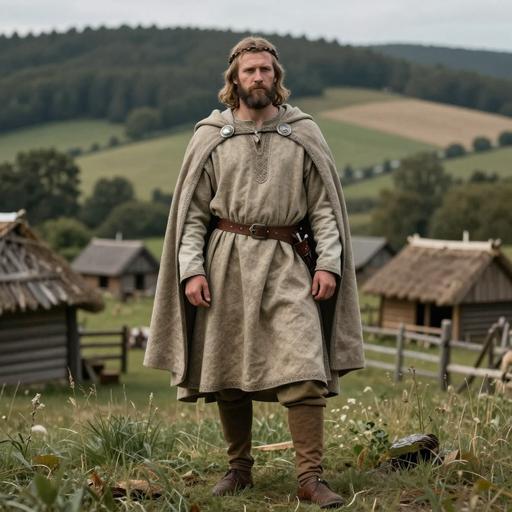
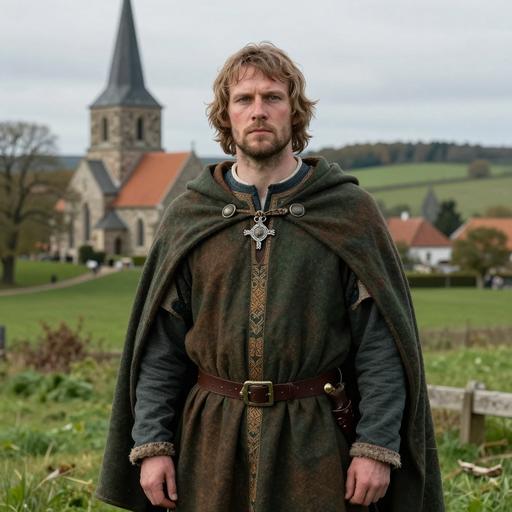
Portrait of ancient individual DRU011 from Germany, dated 600 CE - 900 CE
DRU011
Germany Saxon Medieval Drantum, Germany 600 CE - 900 CE Saxon Drantum I1a1b Direct
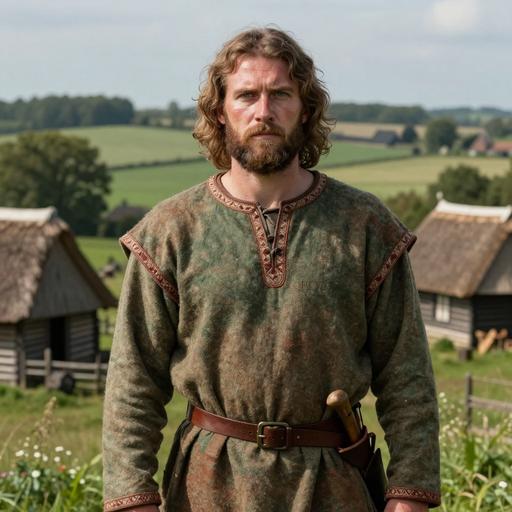
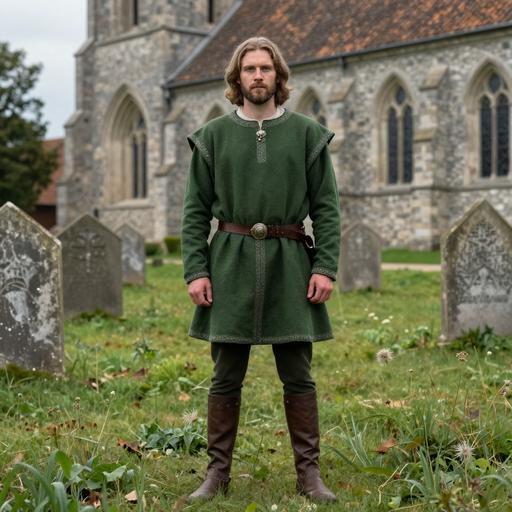
Portrait of ancient individual DUN005 from Germany, dated 800 CE - 1000 CE
DUN005
Germany Saxon Medieval Dunum, Germany 800 CE - 1000 CE Saxon Dunum I1a1b Direct
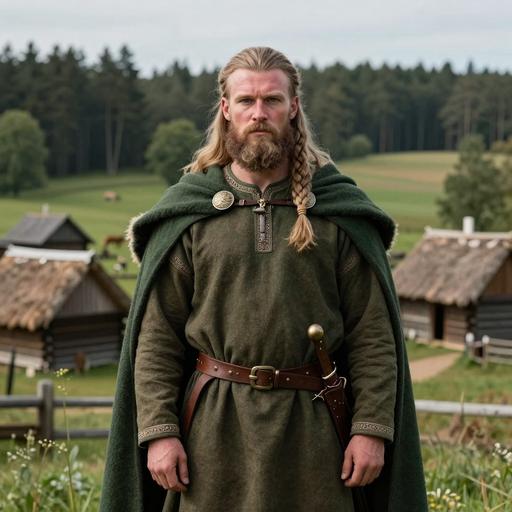
Portrait of ancient individual GRO021 from Netherlands, dated 800 CE - 900 CE
GRO021
Netherlands Saxon Medieval Groningen, Netherlands 800 CE - 900 CE Saxon Culture I1a1b Direct
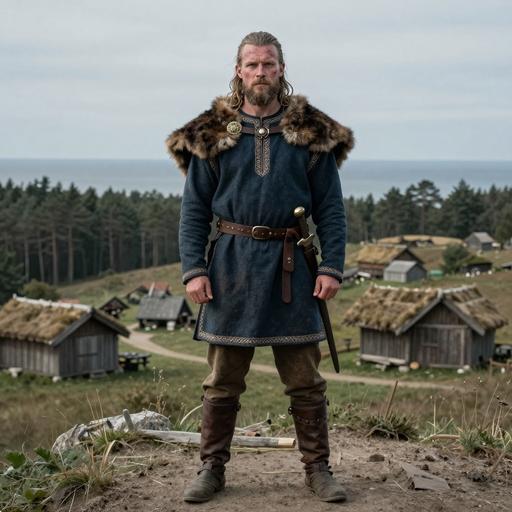
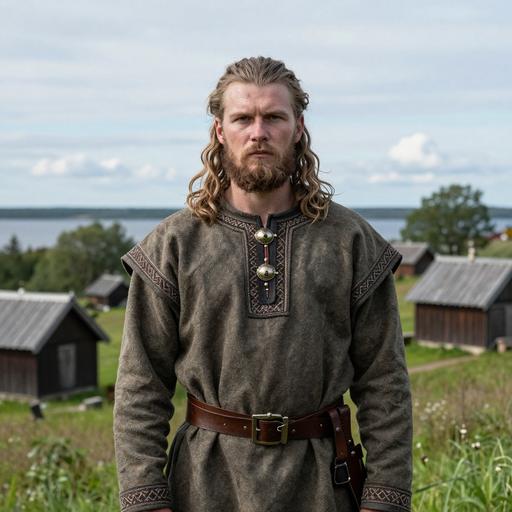
Portrait of ancient individual VK404 from Sweden, dated 900 CE - 1200 CE
VK404
Sweden Viking Age Sweden 900 CE - 1200 CE Viking I1a1b Direct
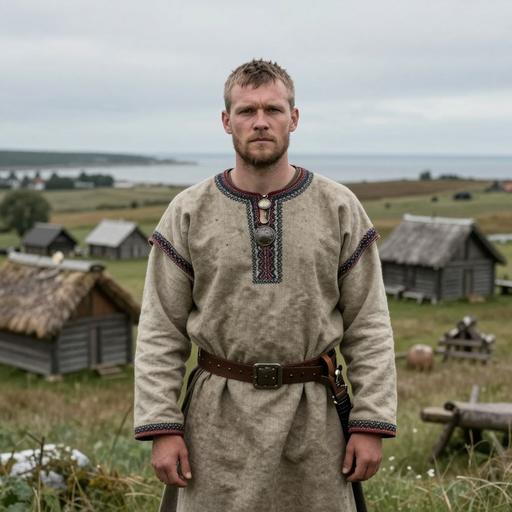
Portrait of ancient individual VK473 from Sweden, dated 900 CE - 1050 CE
VK473
Sweden Viking Age Sweden 900 CE - 1050 CE Viking I1a1b Direct
Portrait of ancient individual VK400 from Sweden, dated 900 CE - 1200 CE
VK400
Sweden Viking Age Sweden 900 CE - 1200 CE Viking I1a1b Direct
Portrait of ancient individual VK279 from Denmark, dated 900 CE - 1000 CE
VK279
Denmark Viking Age Denmark 900 CE - 1000 CE Viking Denmark I1a1b Direct
Portrait of ancient individual VK320 from Denmark, dated 900 CE - 1000 CE
VK320
Denmark Viking Age Denmark 900 CE - 1000 CE Viking Denmark I1a1b Direct
Portrait of ancient individual CGG100683 from Denmark, dated 1000 CE - 1300 CE
CGG100683
Denmark Medieval Danish 1000 CE - 1300 CE Danish Medieval I1a1b Direct
Portrait of ancient individual CGG101837 from Denmark, dated 1000 CE - 1800 CE
CGG101837
Denmark Medieval Danish 1000 CE - 1800 CE Danish Medieval I1a1b Direct
Chapter VI

Carrier Distribution Map

Geographic distribution of 22 ancient DNA samples (direct and subclade carriers of I1A1B)

Direct carrier Subclade carrier
Time Period Filter
All Time Periods
Showing all samples
Chapter VII

Temporal Distribution

Distribution of carriers across archaeological periods

Chapter VIII

Geographic Distribution

Distribution by country of origin (direct and subclade carriers shown by default)

Chapter IX

Country × Era Distribution

Cross-tabulation of carrier countries and archaeological periods (direct and subclade carriers shown by default)

Data

Data & Provenance

Source information and data quality

Last Updated 2026-02-16
Confidence Score 50/100
Coverage Low
Data Source

We use the latest phylotree for YDNA haplogroup classification and data.