פרופיל ייחוס של ענף שושלת אחד. קבוצה הפלוגרופית משותפת אינה קובעת קשר משפחתי ואינה מגדירה זהות תרבותית.
פרופיל הייחוס
רקע הענף
ההקשר ההיסטורי של ענף H2A1 בשושלת mtDNA
Origins and Evolution
mtDNA haplogroup H2A1 is a downstream lineage of H2A, itself a branch of macro-haplogroup H that expanded across West Eurasia after the Last Glacial Maximum and into the Holocene. Based on the parent clade's chronology and the phylogenetic depth of H2A1 relative to H2A, H2A1 most plausibly arose in the Near East / West Asia during the early Holocene (approximately 8–10 kya). Its emergence fits the pattern of diversification seen in maternal lineages associated with post-glacial population expansions and the spread of early farming communities.
Subclades (if applicable)
H2A1 sits as a defined subclade beneath H2A; depending on future dense mitogenome sampling, H2A1 may be further subdivided into younger branches with more localized geography. At present, many reports treat H2A1 as a relatively shallow clade within H2A with limited internal substructure in published datasets. Further full mitogenome sequencing from the Near East, the Caucasus and Neolithic European contexts will refine internal branching and coalescence dates.
Geographical Distribution
The modern distribution of H2A1 mirrors that of its parent H2A but at generally lower or patchy frequencies. It is observed at low-to-moderate frequencies across the Mediterranean and parts of Europe, with stronger representation in the Near East and the Caucasus. H2A1 appears sporadically in North Africa and in some Central and South Asian samples likely reflecting historical gene flow along Mediterranean and overland routes. Archaeological ancient DNA indicates H2A lineages (including H2A1-level diversity) present in Neolithic and later contexts across Europe and West Asia, consistent with demic movements associated with early farming and subsequent regional migrations.
Historical and Cultural Significance
H2A1 is not typically a high-frequency marker that defines any single archaeological culture, but it is informative as part of the maternal genetic signature of early Neolithic farmer-associated populations originating in Anatolia and the Levant and spreading into Europe. Its presence in aDNA from Neolithic sites and in later Bronze Age and historic samples suggests continuity and local persistence rather than sweeping replacement. H2A1 can therefore help trace maternal lineages involved in the Neolithic transition, Mediterranean coastal exchanges, and later demographic processes such as Bronze Age population movements and historic-era migrations across the Near East, Caucasus and North Africa.
Conclusion
H2A1 is a geographically informative, low-to-moderate frequency subclade of H2A that likely arose in the Near East in the early Holocene and dispersed into Europe, the Caucasus and North Africa largely in association with Neolithic and post-Neolithic demographic processes. While not dominant in any single modern population, it provides useful resolution for studies of maternal ancestry tied to Near Eastern farmer expansions and subsequent regional movements. Ongoing dense mitogenome sequencing and expanded ancient DNA sampling will further clarify its internal structure, exact age, and fine-grained geographic history.
נקודות עיקריות
Origins and Evolution
Subclades (if applicable)
Geographical Distribution
Historical and Cultural Significance
Conclusion
פרופיל הייחוס
עץ השושלת והענפים הקשורים
מקום הענף בעץ השושלת ותת-הענפים שלו
מסלול ההתפצלות של השושלת
עקבו אחר ענפי האב המתועדים עד H2A1. התאריכים הם אומדנים ועשויים להשתנות כשנתוני הייחוס מתעדכנים.
Some Central Asian and South Asian communities (lower to moderate frequencies)
Jewish communities (Sephardic and Mizrahi lineages at low frequencies)
הקשר היסטורי
ענף לאורך זמן
אומדן היווצרות בציר זמן היסטורי רחב. סמני התקופות נותנים הקשר ואינם מרמזים על קשר לתרבויות מסוימות.
~10k שנים לפני
המהפכה הנאוליתית
ראשית החקלאות והתגבשות קהילות יושבות קבע
~9k שנים לפני
קבוצה הפלוגרופית H2A1
אומדן להיווצרות ענף mtDNA זה. תאריכים ומיקומים הם אומדני ייחוס.
הענף הזה
~5k שנים לפני
תקופת הברונזה
עיבוד מתכות, כתב וציוויליזציות מוקדמות
~3k שנים לפני
תקופת הברזל
כלי ברזל ורשתות מסחר מורחבות
~2.5k שנים לפני
העת העתיקה הקלאסית
שגשוג הציוויליזציות היוונית והרומית
Present
ימינו
העידן המודרני
פרופיל הייחוס
הקשר ארכאולוגי
הקשרים ארכאולוגיים מתועדים של ענף H2A1 מ-mtDNA
הקשרים מתועדים
תוויות אלה מתארות הקשרים ארכאולוגיים מתועדים של דגימות הייחוס המקושרות ל-H2A1. הקישור אינו מוכיח שכל נושאי הענף השתייכו לתרבות מסוימת או הלכו במסלול נדידה מסוים.
Cernavoda CultureChalcolithic ArmenianCorded Ware CultureFatyanovoKhvalynsk CultureMaikop CultureMoldova_EBA_YamnayaMoldova_Eneolithic_UsatoveRussia_Eneolithic_EBA_CaucasusRussia_MBA_CaucasusRussia_Rostov_EMBA_Don_YamnayaRussia_Saratov_EneolithicRussia_Saratov_Eneolithic_KhvalynskRussia_Volgograd_EBA_Yamnaya
סיווג התרבויות מבוסס על ההקשר הארכאולוגי של דגימות דנ"א עתיק, והוא עשוי לשקף קשרים אזוריים בתקופות מסוימות.
פרופיל הייחוס
אינדקס דגימות
דגימות של הקבוצה ההפלוגרופית H2A1: 67 בהתאמה ישירה ו-33 מתת-ענפים
10 מוצגות · 50 דגימות תואמות
אין דגימות שתואמות למסננים. נסו תווית, מיקום או תקופה אחרים.
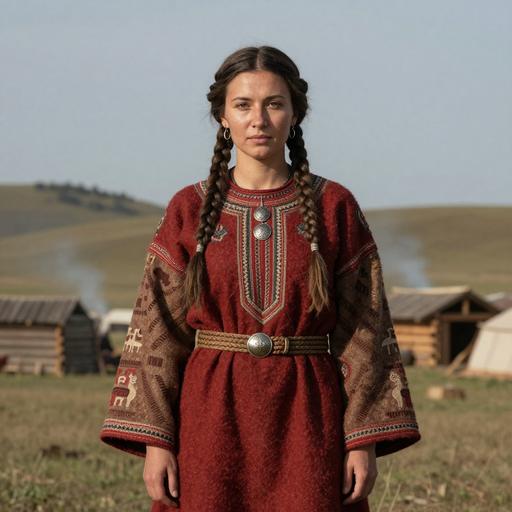
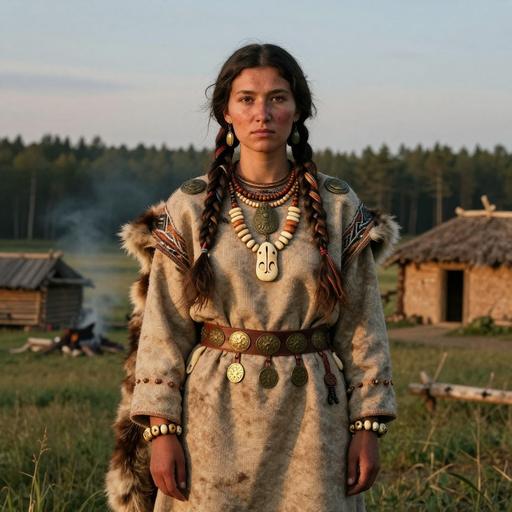
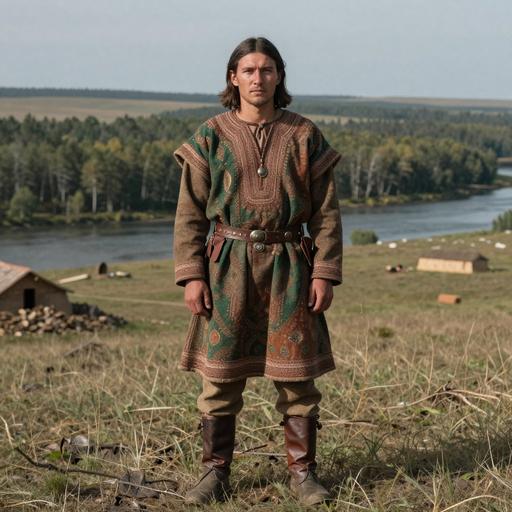
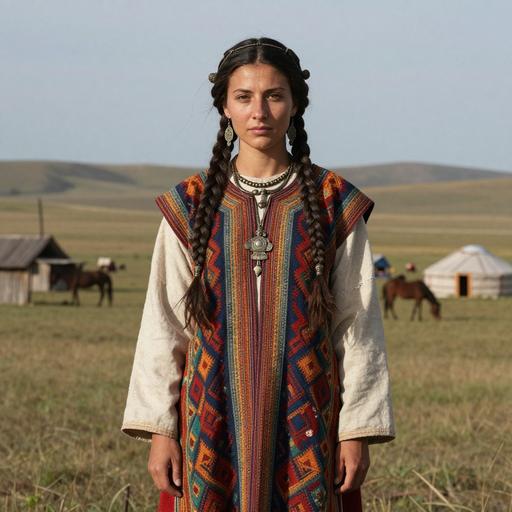
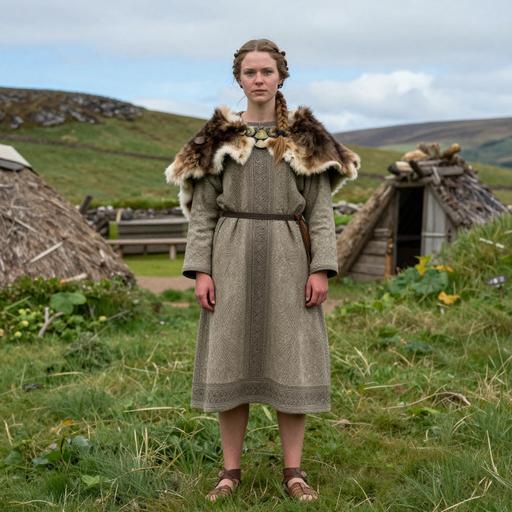
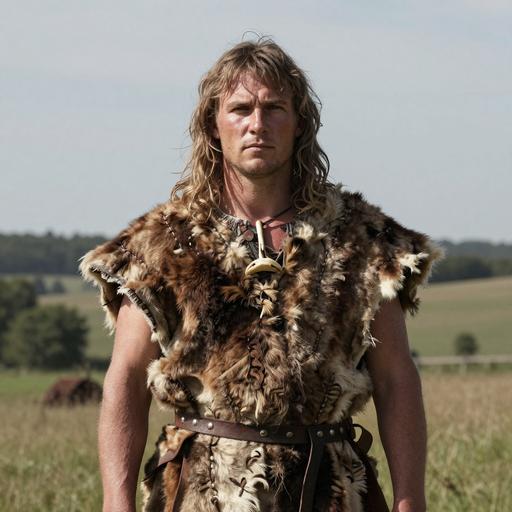
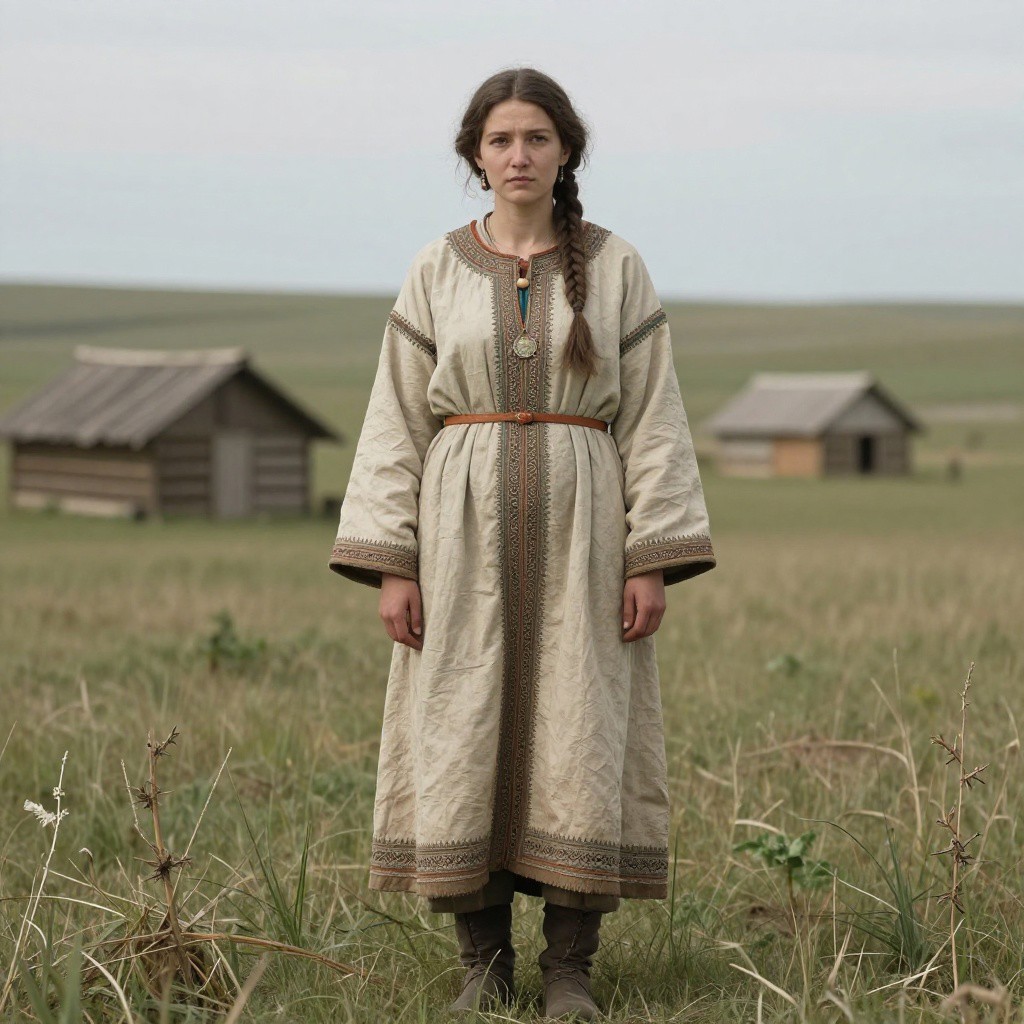
הדיוקנאות הם איורים שנוצרו בבינה מלאכותית. שמות הדגימות ומזהי ההפקדה מזהים את רשומות הייחוס.
דיוקן
הדגימה
המדינה
התקופה
התאריך
התרבות
mtDNA
סוג ההתאמה
מזהה דגימה: chy001
Russia
Russia LateSarmatian
27 CE - 210 CE
Sarmatian Culture
H2a1
התאמה ישירה
מזהה דגימה: chy001
Russia
The Sarmatian Culture
27 CE - 210 CE
H2a1
התאמה ישירה
מזהה דגימה: DA171
Lithuania
Late Antiquity Lithuania
50 CE - 650 CE
Lithuanian Late Antiquity
H2a1
התאמה ישירה
מזהה דגימה: DA171
Lithuania
Late Iron Age Baltic Region
50 CE - 650 CE
H2a1
התאמה ישירה
מזהה דגימה: WBK43
United Kingdom
England IA
160 calBCE - 20 calCE (2057±29 BP, CIRAM-7952)
British Iron Age
H2a1
התאמה ישירה
מזהה דגימה: BGD001
Russia
Iron Age Sargat Culture, Russia
200-1 BCE
Sargat Culture
H2a1
התאמה ישירה
מזהה דגימה: R32
Italy
Late Antiquity Italy
300-700 CE
Late Roman
H2a1
התאמה ישירה
מזהה דגימה: BIY010
Russia
Iron Age Sargat Culture, Russia
300-100 BCE
Sargat Culture
H2a1
התאמה ישירה
מזהה דגימה: I25510
Hungary
Hungary IA LaTene
300-100 BCE
La Tene Culture
H2a1
התאמה ישירה
מזהה דגימה: I30386
Russia
Russia Omsk EIA Irtysh Sargatka
300 BCE - 200 CE
Russia_Omsk_EIA_Irtysh_Sargatka
H2a1
התאמה ישירה
מזהה דגימה: I2695
United Kingdom
Middle to Late Iron Age Scotland
364-121 calBCE (2180±30 BP, SUERC-21990)
Scottish Iron Age
H2a1
התאמה ישירה
מזהה דגימה: I14803
United Kingdom
England MIA
370-175 calBCE (2204±30 BP, SUERC-95011)
Middle Iron Age British
H2a1
התאמה ישירה
מזהה דגימה: DA51
Kyrgyzstan
Kyrgyzstan TianShan Saka
386 BCE - 178 BCE
Saka Culture
H2a1
התאמה ישירה
מזהה דגימה: DA51
Kyrgyzstan
The Scythian and Saka Cultures
386 BCE - 178 BCE
H2a1
התאמה ישירה
מזהה דגימה: I12790
United Kingdom
Middle to Late Iron Age England
400-100 BCE
Late Iron Age British
H2a1
התאמה ישירה
מזהה דגימה: I12793
United Kingdom
Middle to Late Iron Age England
400-100 BCE
Late Iron Age British
H2a1
התאמה ישירה
מזהה דגימה: I12792
United Kingdom
Middle to Late Iron Age England
400-100 BCE
Late Iron Age British
H2a1
התאמה ישירה
מזהה דגימה: snb012
Sweden
Southern Swedish Pre-Viking Culture
450-500 CE
Pre-Viking Swedish
H2a1
התאמה ישירה
מזהה דגימה: CSN005
Italy
Etruscan Grosseto, Italy
600-200 BCE
Etruscan
H2a1
התאמה ישירה
מזהה דגימה: MGS344
Austria
Austria Avar
650-800 CE
Austria_Avar
H2a1
התאמה ישירה
מזהה דגימה: HNJ015
Hungary
Hungary MiddleAvar
650-750 CE
Avar Culture
H2a1+146
התאמה ישירה
מזהה דגימה: HNJ026
Hungary
Hungary MiddleAvar
650-750 CE
Avar Culture
H2a1+146
התאמה ישירה
מזהה דגימה: HNJ011
Hungary
Hungary MiddleAvar
662-672 calCE
Avar Culture
H2a1+146
התאמה ישירה
מזהה דגימה: I2692
United Kingdom
Scotland EIA
727-396 calBCE (2395±30 BP, SUERC-21988)
Scottish Iron Age
H2a1
התאמה ישירה
מזהה דגימה: I16498
United Kingdom
Scotland EIA
750-404 calBCE (2430±30 BP, SUERC-24246)
Scottish Iron Age
H2a1
התאמה ישירה
מזהה דגימה: JHT-30
Hungary
Hungary LateAvar
774-882 calCE (1206±17 BP, DeA-26546)
Avar Culture
H2a1
התאמה ישירה
מזהה דגימה: VPB-307
Hungary
Hungary LateAvar
750-850 CE
Avar Culture
H2a1
התאמה ישירה
מזהה דגימה: I14056
Armenia
Late Bronze Age to Early Iron Age Armenia
800-650 BCE
Armenian LBA-EIA
H2a1
התאמה ישירה
מזהה דגימה: VK342
Sweden
Sweden Viking
800 CE - 1100 CE
Viking
H2a1
התאמה ישירה
מזהה דגימה: VK342
Sweden
The Viking Age
800 CE - 1100 CE
H2a1
התאמה ישירה
מזהה דגימה: VK354
Sweden
Sweden Viking
892 CE - 1153 CE
Viking
H2a1
התאמה ישירה
מזהה דגימה: VK354
Sweden
The Viking Age
892 CE - 1153 CE
H2a1
התאמה ישירה
מזהה דגימה: VK431
Sweden
Sweden Viking
900 CE - 1050 CE
Viking
H2a1
התאמה ישירה
מזהה דגימה: VK182
Greenland
Greenland EarlyNorse
900 CE - 1200 CE
Norse Greenland
H2a1
התאמה ישירה
מזהה דגימה: VK182
Greenland
The Viking Age
900 CE - 1200 CE
H2a1
התאמה ישירה
מזהה דגימה: VK431
Sweden
The Viking Age
900 CE - 1050 CE
H2a1
התאמה ישירה
מזהה דגימה: KPN004
Denmark
Saxon Medieval Zealand, Denmark
1000-1100 CE
Zealand Saxon
H2a1
התאמה ישירה
מזהה דגימה: WEZ57
Germany
Bronze Age Tollense Valley, Germany
1300 BCE - 1200 BCE
Tollense Culture
H2a1
התאמה ישירה
מזהה דגימה: WEZ57
Germany
Middle to Late Bronze Age Central Europe
1300 BCE - 1200 BCE
H2a1
התאמה ישירה
מזהה דגימה: IVLS09KT
Estonia
Estonia Medieval
1570 CE - 1600 CE
Estonian Medieval
H2a1
התאמה ישירה
מזהה דגימה: IVLS09KT
Estonia
Medieval Baltic Region
1570 CE - 1600 CE
H2a1
התאמה ישירה
מזהה דגימה: LAR11
France
Late Paleolithic Southern Provence
1629-1630 CE
Provence Paleolithic
H2a1
התאמה ישירה
מזהה דגימה: mur001
Russia
Srubnaya-Alakul Culture, Russia
1740 BCE - 1539 BCE
Srubnaya-Alakul
H2a1
התאמה ישירה
מזהה דגימה: mur001
Russia
The Srubnaya Culture
1740 BCE - 1539 BCE
H2a1
התאמה ישירה
מזהה דגימה: mur001_srubnaya
Russia
Russia Bashkortostan LBA
1740-1539 calBCE (3360±30 BP, Beta-497470)
Russia_Bashkortostan_LBA
H2a1
התאמה ישירה
מזהה דגימה: I4236
Iran
The Transition from Bronze Age to Iron Age in Iran
2000-1000 BCE
Iranian Bronze-Iron Transition
H2a1
התאמה ישירה
מזהה דגימה: RISE483
Hungary
Hungary MBA Vatya
2000 BCE - 1500 BCE
Vatya Culture
H2a1
התאמה ישירה
מזהה דגימה: RISE483
Hungary
Bronze Age Balkans
2000 BCE - 1500 BCE
H2a1
התאמה ישירה
מזהה דגימה: UNTA58_147
Germany
Early Bronze Age Lech Valley, Germany
2035 BCE - 1891 BCE
Lech Valley Bronze Age
H2a1
התאמה ישירה
מזהה דגימה: UNTA58_147
Germany
Early Bronze Age Central Europe
2035 BCE - 1891 BCE
H2a1
התאמה ישירה
מזהה דגימה: chy001
Late Sarmatian Culture, Russia - Russia - Orenburg Regio. Southern Urals. Cherniy Yar
Russia Russia LateSarmatian 27 CE - 210 CE
H2a1התאמה ישירה
מזהה דגימה: chy001
Russia The Sarmatian Culture 27 CE - 210 CE
H2a1התאמה ישירה
מזהה דגימה: DA171
Late Antiquity Lithuania - Lithuania -
Lithuania Late Antiquity Lithuania 50 CE - 650 CE
H2a1התאמה ישירה
מזהה דגימה: DA171
Lithuania Late Iron Age Baltic Region 50 CE - 650 CE
H2a1התאמה ישירה
מזהה דגימה: WBK43
WBK43
United Kingdom England IA 160 calBCE - 20 calCE (2057±29 BP, CIRAM-7952)
H2a1התאמה ישירה
מזהה דגימה: BGD001
Iron Age Sargat Culture, Russia - Russia - Bashkortostan. Zianchurinsky District. Bogdanovka #228/1
Russia Iron Age Sargat Culture, Russia 200-1 BCE
H2a1התאמה ישירה
מזהה דגימה: R32
Late Antiquity Italy - Italy - Mausoleo di Augusto
Italy Late Antiquity Italy 300-700 CE
H2a1התאמה ישירה
מזהה דגימה: BIY010
Iron Age Sargat Culture, Russia - Russia - Western Siberia. Bitiya Burial Ground. Bitiya#228/26. mound 4
Russia Iron Age Sargat Culture, Russia 300-100 BCE
H2a1התאמה ישירה
מזהה דגימה: I25510
The La Tene Culture in Hungary - Hungary - Somogy county. Kútvölgyi-dűlő. Zamárdi (sites 56 and 89)
Hungary Hungary IA LaTene 300-100 BCE
H2a1התאמה ישירה
מזהה דגימה: I30386
I30386
Russia Russia Omsk EIA Irtysh Sargatka 300 BCE - 200 CE
H2a1התאמה ישירה
מזהה דגימה: I2695
Middle to Late Iron Age Scotland - United Kingdom - Scotland. East Lothian. Broxmouth
United Kingdom Middle to Late Iron Age Scotland 364-121 calBCE (2180±30 BP, SUERC-21990)
H2a1התאמה ישירה
מזהה דגימה: I14803
Middle Iron Age England - United Kingdom - England. Oxfordshire. Thame
United Kingdom England MIA 370-175 calBCE (2204±30 BP, SUERC-95011)
H2a1התאמה ישירה
מזהה דגימה: DA51
Saka Culture in Kyrgyzstan - Kyrgyzstan - Tian Shan. Central Steppe
Kyrgyzstan Kyrgyzstan TianShan Saka 386 BCE - 178 BCE
H2a1התאמה ישירה
מזהה דגימה: DA51
Kyrgyzstan The Scythian and Saka Cultures 386 BCE - 178 BCE
H2a1התאמה ישירה
מזהה דגימה: I12790
Middle to Late Iron Age England - United Kingdom - England. Cornwall. Newquay. Tregunnel
United Kingdom Middle to Late Iron Age England 400-100 BCE
H2a1התאמה ישירה
מזהה דגימה: I12793
Middle to Late Iron Age England - United Kingdom - England. Cornwall. Newquay. Tregunnel
United Kingdom Middle to Late Iron Age England 400-100 BCE
H2a1התאמה ישירה
מזהה דגימה: I12792
Middle to Late Iron Age England - United Kingdom - England. Cornwall. Newquay. Tregunnel
United Kingdom Middle to Late Iron Age England 400-100 BCE
H2a1התאמה ישירה
מזהה דגימה: snb012
Southern Swedish Pre-Viking Culture - Sweden - Sandby Borg (Kalmar län, Mörbylånga)
Sweden Southern Swedish Pre-Viking Culture 450-500 CE
Germany Early Bronze Age Central Europe 2035 BCE - 1891 BCE
H2a1התאמה ישירה
ענף אימהי · DNA קדום
מפת ראיות קדומות לענף השושלת
עקבו אחר ענפי המקור המובילים לענף זה, וגלו היכן נמצאו הדגימות הקדומות הקשורות אליו.
טוען תצפיות קדומות...
תנועה מופחתת פעילה. השתמשו בציר הזמן או בכפתור הצגת הכול כדי לעיין בקצב שלכם.
קריאת התצפיות כטבלה
התצפיות הקדומות המוצגות לפי ענף, תקופה ואמצע טווח התאריך
ענף
תקופה
טווח תאריכים
דגימה
מזהה דגימה
מיקום
הפלוגרופ
סוג הקשר
הסימונים מציינים מקומות מציאה ארכאולוגיים. קו מקווקו הוא מעבר גאוגרפי מוצע ולא ודאי בין ענפים עוקבים, הנתמך בכמה תצפיות מתוארכות. אין זה מסלול מדויק, מקום לידה או הוכחה לירידה ישירה. דגימות מענפי המקור עשויות להשתייך לענפי צאצאים אחרים. הפערים נשארים במקום שבו הראיות אינן מספיקות. תאריכי הדגימות שונים מתאריכי היווצרות ההפלוגרופ.
קיבוץ לפי תקופה היסטורית משקף מתי חי כל אדם קדום, על פני כל הענפים בשרשרת שושלת זו. אין זה רצף נדידה או ציר זמן אישי בין תקופות.
פרופיל הייחוס
מפת תפוצת הדגימות
התפוצה הגאוגרפית של דגימות דנ"א עתיק בהתאמה ישירה לקבוצה H2A1 או לתת-הענפים שלה. מספר דגימות: 100
דגימה בהתאמה ישירה דגימה מתת-ענף
סינון לפי תקופה
כל התקופות
כל הדגימות מוצגות
פרופיל הייחוס
תפוצה בזמן
תפוצת הדגימות על פני התקופות הארכאולוגיות
פרופיל הייחוס
תפוצה גאוגרפית
מספר הדגימות לפי המדינה המתועדת שלהן. הספירות משקפות את דגימות הייחוס הזמינות, בלי למדוד את תדירות הקבוצות ההפלוגרופיות באוכלוסייה.
פרופיל הייחוס
תפוצת הדגימות לפי מדינה ותקופה
השוו את מספר הדגימות המתועדות לפי מדינות ותקופות ארכאולוגיות. בחרו תא עם תוצאות כדי לראות אחת מהדגימות.
הנתונים
הנתונים ומקורותיהם
מידע על המקורות ואיכות הנתונים
עדכון אחרון2026-02-16
רמת ביטחון50/100
כיסויLow
מקור הנתונים
הסיווג, התאריכים המשוערים וההקשר הגאוגרפי משקפים את נתוני הייחוס המתועדים, והם עשויים להשתנות כשהראיות נבדקות מחדש. כיסוי הדגימות משתנה, ומיקומים מתועדים וקשרים ארכאולוגיים אינם מוכיחים מוצא אישי או זהות תרבותית.