ملف مرجعي لفرع واحد من السلالة. لا تثبت المجموعات الفردانية المشتركة صلة عائلية ولا تحدّد الهوية الثقافية.
الملف المرجعي
خلفية الفرع
السياق التاريخي لفرع H2A1 من سلالة mtDNA
Origins and Evolution
mtDNA haplogroup H2A1 is a downstream lineage of H2A, itself a branch of macro-haplogroup H that expanded across West Eurasia after the Last Glacial Maximum and into the Holocene. Based on the parent clade's chronology and the phylogenetic depth of H2A1 relative to H2A, H2A1 most plausibly arose in the Near East / West Asia during the early Holocene (approximately 8–10 kya). Its emergence fits the pattern of diversification seen in maternal lineages associated with post-glacial population expansions and the spread of early farming communities.
Subclades (if applicable)
H2A1 sits as a defined subclade beneath H2A; depending on future dense mitogenome sampling, H2A1 may be further subdivided into younger branches with more localized geography. At present, many reports treat H2A1 as a relatively shallow clade within H2A with limited internal substructure in published datasets. Further full mitogenome sequencing from the Near East, the Caucasus and Neolithic European contexts will refine internal branching and coalescence dates.
Geographical Distribution
The modern distribution of H2A1 mirrors that of its parent H2A but at generally lower or patchy frequencies. It is observed at low-to-moderate frequencies across the Mediterranean and parts of Europe, with stronger representation in the Near East and the Caucasus. H2A1 appears sporadically in North Africa and in some Central and South Asian samples likely reflecting historical gene flow along Mediterranean and overland routes. Archaeological ancient DNA indicates H2A lineages (including H2A1-level diversity) present in Neolithic and later contexts across Europe and West Asia, consistent with demic movements associated with early farming and subsequent regional migrations.
Historical and Cultural Significance
H2A1 is not typically a high-frequency marker that defines any single archaeological culture, but it is informative as part of the maternal genetic signature of early Neolithic farmer-associated populations originating in Anatolia and the Levant and spreading into Europe. Its presence in aDNA from Neolithic sites and in later Bronze Age and historic samples suggests continuity and local persistence rather than sweeping replacement. H2A1 can therefore help trace maternal lineages involved in the Neolithic transition, Mediterranean coastal exchanges, and later demographic processes such as Bronze Age population movements and historic-era migrations across the Near East, Caucasus and North Africa.
Conclusion
H2A1 is a geographically informative, low-to-moderate frequency subclade of H2A that likely arose in the Near East in the early Holocene and dispersed into Europe, the Caucasus and North Africa largely in association with Neolithic and post-Neolithic demographic processes. While not dominant in any single modern population, it provides useful resolution for studies of maternal ancestry tied to Near Eastern farmer expansions and subsequent regional movements. Ongoing dense mitogenome sequencing and expanded ancient DNA sampling will further clarify its internal structure, exact age, and fine-grained geographic history.
أبرز النقاط
Origins and Evolution
Subclades (if applicable)
Geographical Distribution
Historical and Cultural Significance
Conclusion
الملف المرجعي
شجرة السلالة والفروع المرتبطة
موضع الفرع في شجرة السلالة وفروعه الفرعية
مسار تفرّع السلالة
تتبّع الفروع الأصلية المسجّلة وصولًا إلى H2A1. التواريخ تقديرية وقد تتغيّر عند تحديث البيانات المرجعية.
Some Central Asian and South Asian communities (lower to moderate frequencies)
Jewish communities (Sephardic and Mizrahi lineages at low frequencies)
السياق التاريخي
تاريخ الفرع
تقدير زمن نشأة الفرع ضمن تسلسل تاريخي عام. توفّر الفترات سياقًا زمنيًا دون إثبات صلة بثقافات بعينها.
~10k سنة مضت
ثورة العصر الحجري الحديث
ظهور الزراعة وتشكّل المجتمعات المستقرّة
~9k سنة مضت
المجموعة الفردانية H2A1
تقدير نشأة فرع mtDNA. التواريخ والمواقع تقديرات مرجعية.
هذا الفرع
~5k سنة مضت
العصر البرونزي
صناعة المعادن والكتابة والحضارات المبكرة
~3k سنة مضت
العصر الحديدي
أدوات الحديد واتّساع شبكات التجارة
~2.5k سنة مضت
العصور الكلاسيكية القديمة
ازدهار الحضارتين اليونانية والرومانية
Present
الحاضر
العصر الحديث
الملف المرجعي
السياق الأثري
الارتباطات الأثرية المسجّلة لفرع H2A1 من mtDNA
الارتباطات المسجّلة
تصف هذه التسميات السياقات الأثرية المسجّلة للعينات المرجعية المرتبطة بـ H2A1. لا يثبت الارتباط انتماء جميع حاملي الفرع إلى ثقافة بعينها أو اتّباعهم مسار هجرة محدّدًا.
Cernavoda CultureChalcolithic ArmenianCorded Ware CultureFatyanovoKhvalynsk CultureMaikop CultureMoldova_EBA_YamnayaMoldova_Eneolithic_UsatoveRussia_Eneolithic_EBA_CaucasusRussia_MBA_CaucasusRussia_Rostov_EMBA_Don_YamnayaRussia_Saratov_EneolithicRussia_Saratov_Eneolithic_KhvalynskRussia_Volgograd_EBA_Yamnaya
يستند تصنيف الثقافات إلى السياق الأثري لعينات الحمض النووي القديم، وقد يعكس ارتباطات إقليمية خلال فترات محدّدة.
الملف المرجعي
فهرس العينات
عينات المجموعة الفردانية H2A1: 68 مطابقة مباشرة و@downstreamCount من الفروع الفرعية
10 معروضة · 50 عينة مطابقة
لا توجد عينات تطابق عوامل التصفية. جرّب تسمية أو موقعًا أو فترة أخرى.
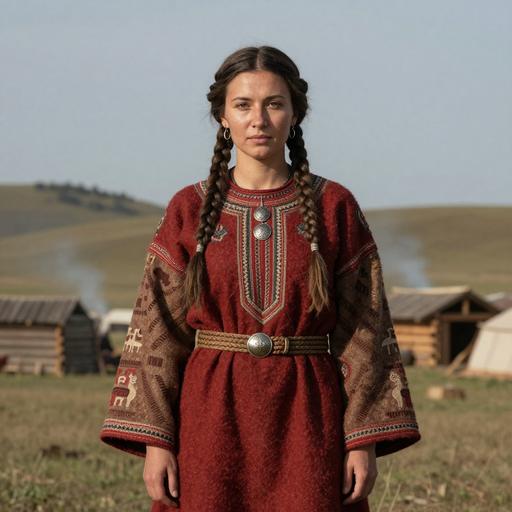
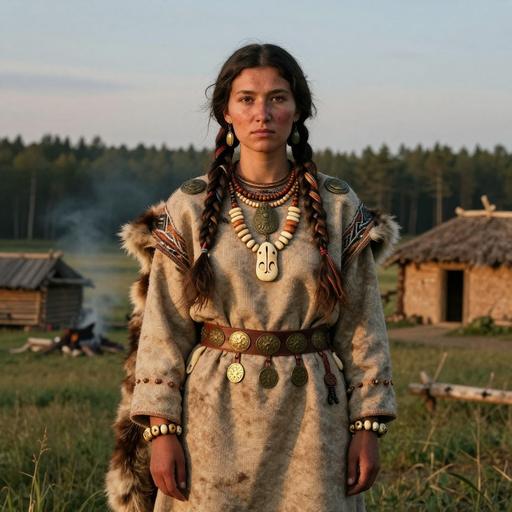
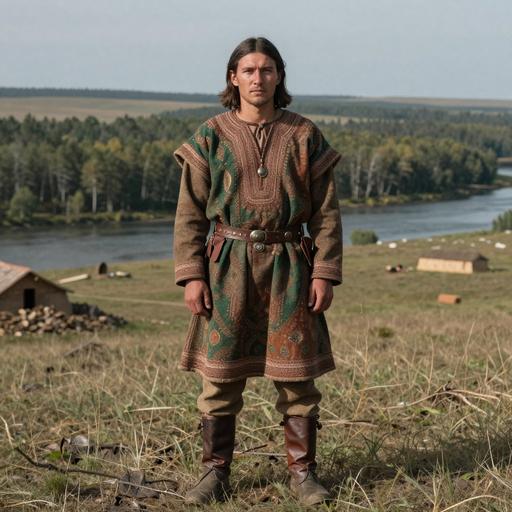
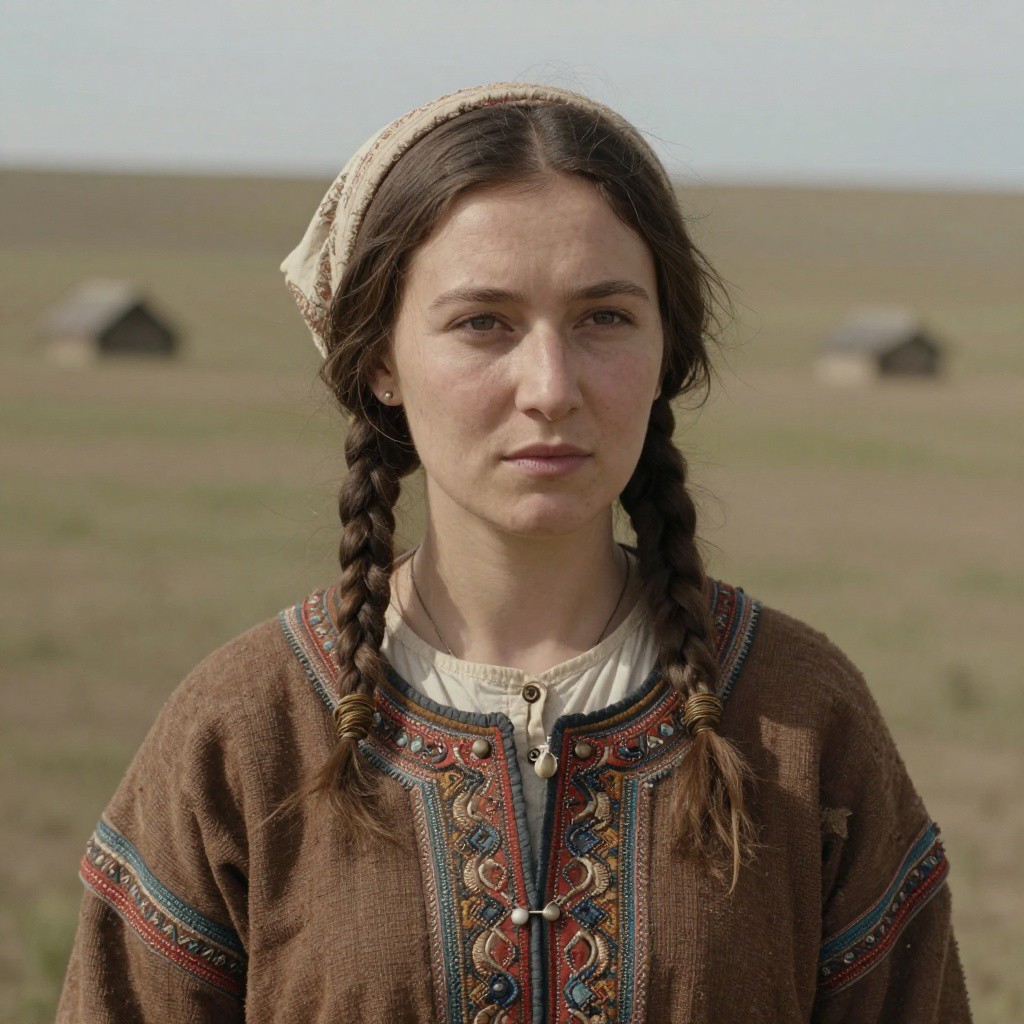
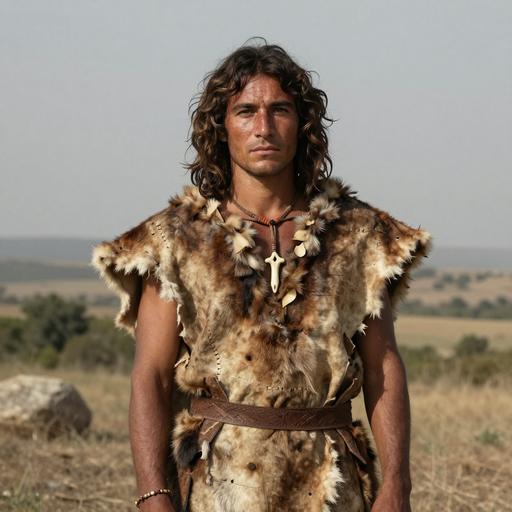
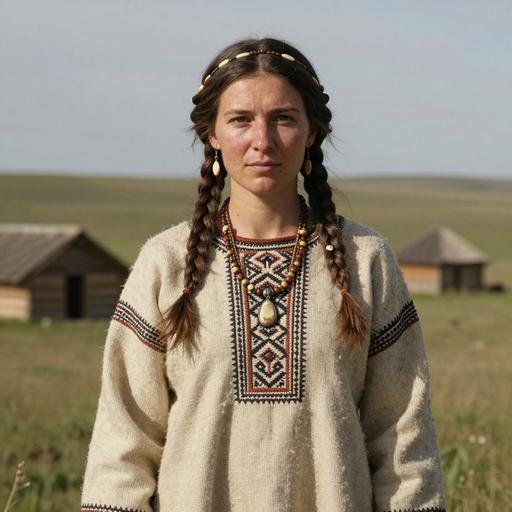
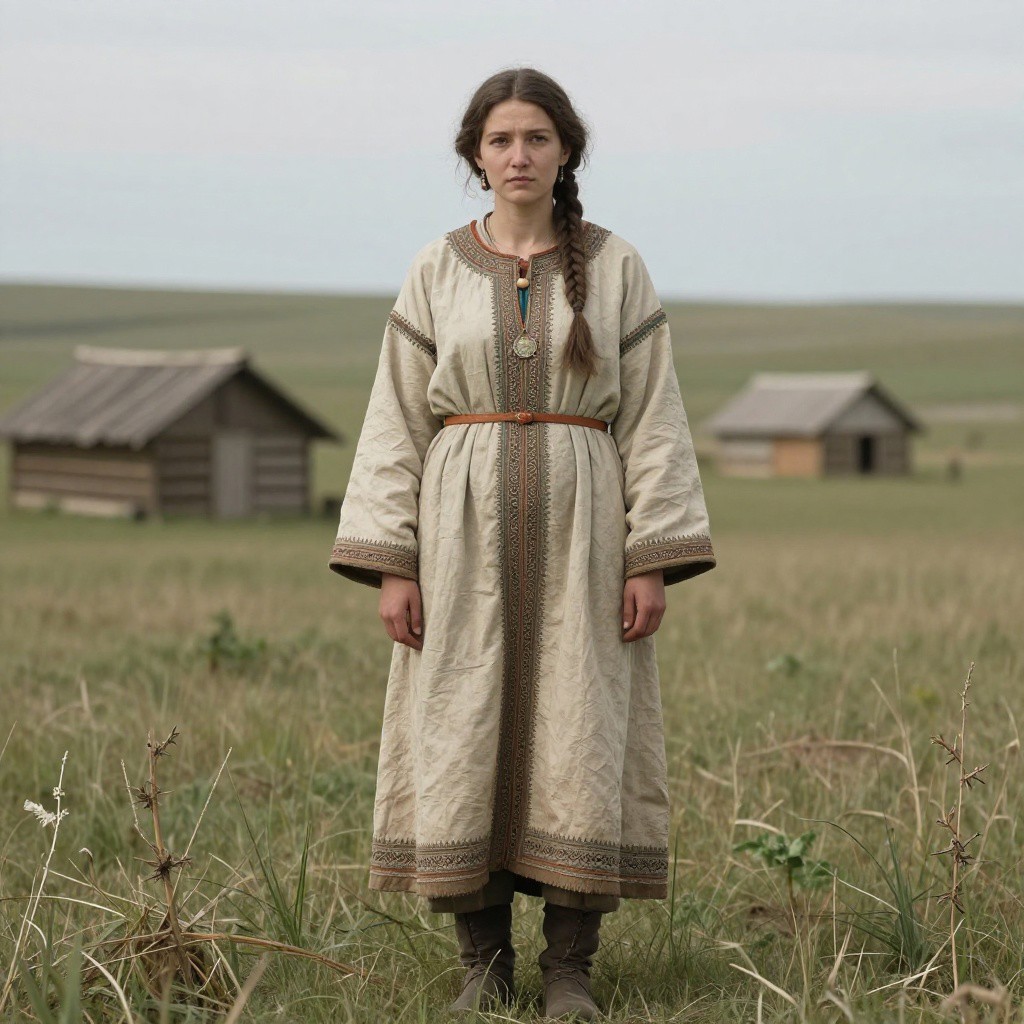
الصور الشخصية رسوم مولّدة بالذكاء الاصطناعي. تحدّد أسماء العينات ومعرّفات الإيداع السجلات المرجعية.
الصورة الشخصية
العينة
البلد
الحقبة
التاريخ
الثقافة
mtDNA
نوع التطابق
معرّف العينة: chy001
Russia
Russia LateSarmatian
27 CE - 210 CE
Sarmatian Culture
H2a1
تطابق مباشر
معرّف العينة: chy001
Russia
The Sarmatian Culture
27 CE - 210 CE
H2a1
تطابق مباشر
معرّف العينة: DA171
Lithuania
Late Antiquity Lithuania
50 CE - 650 CE
Lithuanian Late Antiquity
H2a1
تطابق مباشر
معرّف العينة: DA171
Lithuania
Late Iron Age Baltic Region
50 CE - 650 CE
H2a1
تطابق مباشر
معرّف العينة: WBK43
United Kingdom
England IA
160 calBCE - 20 calCE (2057±29 BP, CIRAM-7952)
British Iron Age
H2a1
تطابق مباشر
معرّف العينة: BGD001
Russia
Iron Age Sargat Culture, Russia
200-1 BCE
Sargat Culture
H2a1
تطابق مباشر
معرّف العينة: R32
Italy
Late Antiquity Italy
300-700 CE
Late Roman
H2a1
تطابق مباشر
معرّف العينة: BIY010
Russia
Iron Age Sargat Culture, Russia
300-100 BCE
Sargat Culture
H2a1
تطابق مباشر
معرّف العينة: I25510
Hungary
Hungary IA LaTene
300-100 BCE
La Tene Culture
H2a1
تطابق مباشر
معرّف العينة: I30386
Russia
Russia Omsk EIA Irtysh Sargatka
300 BCE - 200 CE
Russia_Omsk_EIA_Irtysh_Sargatka
H2a1
تطابق مباشر
معرّف العينة: I2695
United Kingdom
Middle to Late Iron Age Scotland
364-121 calBCE (2180±30 BP, SUERC-21990)
Scottish Iron Age
H2a1
تطابق مباشر
معرّف العينة: I14803
United Kingdom
England MIA
370-175 calBCE (2204±30 BP, SUERC-95011)
Middle Iron Age British
H2a1
تطابق مباشر
معرّف العينة: DA51
Kyrgyzstan
Kyrgyzstan TianShan Saka
386 BCE - 178 BCE
Saka Culture
H2a1
تطابق مباشر
معرّف العينة: DA51
Kyrgyzstan
The Scythian and Saka Cultures
386 BCE - 178 BCE
H2a1
تطابق مباشر
معرّف العينة: I12790
United Kingdom
Middle to Late Iron Age England
400-100 BCE
Late Iron Age British
H2a1
تطابق مباشر
معرّف العينة: I12793
United Kingdom
Middle to Late Iron Age England
400-100 BCE
Late Iron Age British
H2a1
تطابق مباشر
معرّف العينة: I12792
United Kingdom
Middle to Late Iron Age England
400-100 BCE
Late Iron Age British
H2a1
تطابق مباشر
معرّف العينة: snb012
Sweden
Southern Swedish Pre-Viking Culture
450-500 CE
Pre-Viking Swedish
H2a1
تطابق مباشر
معرّف العينة: CSN005
Italy
Etruscan Grosseto, Italy
600-200 BCE
Etruscan
H2a1
تطابق مباشر
معرّف العينة: MGS344
Austria
Austria Avar
650-800 CE
Austria_Avar
H2a1
تطابق مباشر
معرّف العينة: HNJ015
Hungary
Hungary MiddleAvar
650-750 CE
Avar Culture
H2a1+146
تطابق مباشر
معرّف العينة: HNJ026
Hungary
Hungary MiddleAvar
650-750 CE
Avar Culture
H2a1+146
تطابق مباشر
معرّف العينة: HNJ011
Hungary
Hungary MiddleAvar
662-672 calCE
Avar Culture
H2a1+146
تطابق مباشر
معرّف العينة: I2692
United Kingdom
Scotland EIA
727-396 calBCE (2395±30 BP, SUERC-21988)
Scottish Iron Age
H2a1
تطابق مباشر
معرّف العينة: I16498
United Kingdom
Scotland EIA
750-404 calBCE (2430±30 BP, SUERC-24246)
Scottish Iron Age
H2a1
تطابق مباشر
معرّف العينة: JHT-30
Hungary
Hungary LateAvar
774-882 calCE (1206±17 BP, DeA-26546)
Avar Culture
H2a1
تطابق مباشر
معرّف العينة: VPB-307
Hungary
Hungary LateAvar
750-850 CE
Avar Culture
H2a1
تطابق مباشر
معرّف العينة: I14056
Armenia
Late Bronze Age to Early Iron Age Armenia
800-650 BCE
Armenian LBA-EIA
H2a1
تطابق مباشر
معرّف العينة: VK342
Sweden
Sweden Viking
800 CE - 1100 CE
Viking
H2a1
تطابق مباشر
معرّف العينة: VK342
Sweden
The Viking Age
800 CE - 1100 CE
H2a1
تطابق مباشر
معرّف العينة: VK354
Sweden
Sweden Viking
892 CE - 1153 CE
Viking
H2a1
تطابق مباشر
معرّف العينة: VK354
Sweden
The Viking Age
892 CE - 1153 CE
H2a1
تطابق مباشر
معرّف العينة: VK431
Sweden
Sweden Viking
900 CE - 1050 CE
Viking
H2a1
تطابق مباشر
معرّف العينة: VK182
Greenland
Greenland EarlyNorse
900 CE - 1200 CE
Norse Greenland
H2a1
تطابق مباشر
معرّف العينة: VK182
Greenland
The Viking Age
900 CE - 1200 CE
H2a1
تطابق مباشر
معرّف العينة: VK431
Sweden
The Viking Age
900 CE - 1050 CE
H2a1
تطابق مباشر
معرّف العينة: KPN004
Denmark
Saxon Medieval Zealand, Denmark
1000-1100 CE
Zealand Saxon
H2a1
تطابق مباشر
معرّف العينة: WEZ57
Germany
Bronze Age Tollense Valley, Germany
1300 BCE - 1200 BCE
Tollense Culture
H2a1
تطابق مباشر
معرّف العينة: WEZ57
Germany
Middle to Late Bronze Age Central Europe
1300 BCE - 1200 BCE
H2a1
تطابق مباشر
معرّف العينة: IVLS09KT
Estonia
Estonia Medieval
1570 CE - 1600 CE
Estonian Medieval
H2a1
تطابق مباشر
معرّف العينة: IVLS09KT
Estonia
Medieval Baltic Region
1570 CE - 1600 CE
H2a1
تطابق مباشر
معرّف العينة: LAR11
France
Late Paleolithic Southern Provence
1629-1630 CE
Provence Paleolithic
H2a1
تطابق مباشر
معرّف العينة: mur001
Russia
Srubnaya-Alakul Culture, Russia
1740 BCE - 1539 BCE
Srubnaya-Alakul
H2a1
تطابق مباشر
معرّف العينة: mur001
Russia
The Srubnaya Culture
1740 BCE - 1539 BCE
H2a1
تطابق مباشر
معرّف العينة: mur001_srubnaya
Russia
Russia Bashkortostan LBA
1740-1539 calBCE (3360±30 BP, Beta-497470)
Russia_Bashkortostan_LBA
H2a1
تطابق مباشر
معرّف العينة: I4236
Iran
The Transition from Bronze Age to Iron Age in Iran
2000-1000 BCE
Iranian Bronze-Iron Transition
H2a1
تطابق مباشر
معرّف العينة: RISE483
Hungary
Hungary MBA Vatya
2000 BCE - 1500 BCE
Vatya Culture
H2a1
تطابق مباشر
معرّف العينة: RISE483
Hungary
Bronze Age Balkans
2000 BCE - 1500 BCE
H2a1
تطابق مباشر
معرّف العينة: UNTA58_147
Germany
Early Bronze Age Lech Valley, Germany
2035 BCE - 1891 BCE
Lech Valley Bronze Age
H2a1
تطابق مباشر
معرّف العينة: UNTA58_147
Germany
Early Bronze Age Central Europe
2035 BCE - 1891 BCE
H2a1
تطابق مباشر
معرّف العينة: chy001
Late Sarmatian Culture, Russia - Russia - Orenburg Regio. Southern Urals. Cherniy Yar
Russia Russia LateSarmatian 27 CE - 210 CE
H2a1تطابق مباشر
معرّف العينة: chy001
Russia The Sarmatian Culture 27 CE - 210 CE
H2a1تطابق مباشر
معرّف العينة: DA171
Late Antiquity Lithuania - Lithuania -
Lithuania Late Antiquity Lithuania 50 CE - 650 CE
H2a1تطابق مباشر
معرّف العينة: DA171
Lithuania Late Iron Age Baltic Region 50 CE - 650 CE
H2a1تطابق مباشر
معرّف العينة: WBK43
WBK43
United Kingdom England IA 160 calBCE - 20 calCE (2057±29 BP, CIRAM-7952)
H2a1تطابق مباشر
معرّف العينة: BGD001
Iron Age Sargat Culture, Russia - Russia - Bashkortostan. Zianchurinsky District. Bogdanovka #228/1
Russia Iron Age Sargat Culture, Russia 200-1 BCE
H2a1تطابق مباشر
معرّف العينة: R32
Late Antiquity Italy - Italy - Mausoleo di Augusto
Italy Late Antiquity Italy 300-700 CE
H2a1تطابق مباشر
معرّف العينة: BIY010
Iron Age Sargat Culture, Russia - Russia - Western Siberia. Bitiya Burial Ground. Bitiya#228/26. mound 4
Russia Iron Age Sargat Culture, Russia 300-100 BCE
H2a1تطابق مباشر
معرّف العينة: I25510
The La Tene Culture in Hungary - Hungary - Somogy county. Kútvölgyi-dűlő. Zamárdi (sites 56 and 89)
Hungary Hungary IA LaTene 300-100 BCE
H2a1تطابق مباشر
معرّف العينة: I30386
I30386
Russia Russia Omsk EIA Irtysh Sargatka 300 BCE - 200 CE
H2a1تطابق مباشر
معرّف العينة: I2695
Middle to Late Iron Age Scotland - United Kingdom - Scotland. East Lothian. Broxmouth
United Kingdom Middle to Late Iron Age Scotland 364-121 calBCE (2180±30 BP, SUERC-21990)
H2a1تطابق مباشر
معرّف العينة: I14803
Middle Iron Age England - United Kingdom - England. Oxfordshire. Thame
United Kingdom England MIA 370-175 calBCE (2204±30 BP, SUERC-95011)
H2a1تطابق مباشر
معرّف العينة: DA51
Saka Culture in Kyrgyzstan - Kyrgyzstan - Tian Shan. Central Steppe
Kyrgyzstan Kyrgyzstan TianShan Saka 386 BCE - 178 BCE
H2a1تطابق مباشر
معرّف العينة: DA51
Kyrgyzstan The Scythian and Saka Cultures 386 BCE - 178 BCE
H2a1تطابق مباشر
معرّف العينة: I12790
Middle to Late Iron Age England - United Kingdom - England. Cornwall. Newquay. Tregunnel
United Kingdom Middle to Late Iron Age England 400-100 BCE
H2a1تطابق مباشر
معرّف العينة: I12793
Middle to Late Iron Age England - United Kingdom - England. Cornwall. Newquay. Tregunnel
United Kingdom Middle to Late Iron Age England 400-100 BCE
H2a1تطابق مباشر
معرّف العينة: I12792
Middle to Late Iron Age England - United Kingdom - England. Cornwall. Newquay. Tregunnel
United Kingdom Middle to Late Iron Age England 400-100 BCE
H2a1تطابق مباشر
معرّف العينة: snb012
Southern Swedish Pre-Viking Culture - Sweden - Sandby Borg (Kalmar län, Mörbylånga)
Sweden Southern Swedish Pre-Viking Culture 450-500 CE
Germany Early Bronze Age Central Europe 2035 BCE - 1891 BCE
H2a1تطابق مباشر
أمومية · الحمض النووي القديم
خريطة الأدلة القديمة للسلالة
تتبّع الفروع الأصلية المؤدية إلى هذا الفرع واستكشف مواقع العثور على العينات القديمة المرتبطة به.
جارٍ تحميل السجلات القديمة…
الحركة المخفّضة مفعّلة. استخدم التسلسل الزمني أو زر عرض الكل للاستكشاف بالسرعة التي تناسبك.
اعرض السجلات في جدول
السجلات القديمة المعروضة حسب الفرع والفترة ومنتصف النطاق الزمني
الفرع
الفترة
النطاق الزمني
العينة
معرّف العينة
الموقع
المجموعة الفردانية
نوع الارتباط
تشير العلامات إلى مواقع الاكتشافات الأثرية. يشير الخط المتقطّع إلى انتقال جغرافي محتمل بين فرعين متتاليين تدعمه عدة سجلات مؤرّخة. لا يحدّد مسارًا دقيقًا أو مكان نشأة ولا يثبت انحدارًا مباشرًا. قد تنتمي عينات الفروع الأصلية إلى فروع متفرّعة أخرى. تبقى الفجوات حيث لا تكفي الأدلة. تختلف تواريخ العينات عن تواريخ نشأة المجموعات الفردانية.
يجمع التصنيف حسب الحقبة التاريخية العينات من جميع فروع هذه السلسلة وفق زمن عيش كل شخص قديم. لا يمثّل تسلسل هجرة أو مسارًا زمنيًا لشخص عبر الحقب.
الملف المرجعي
خريطة توزيع العينات
التوزيع الجغرافي لعينات الحمض النووي القديم المطابقة مباشرةً للمجموعة H2A1 أو لفروعها الفرعية. عدد العينات: 100
عينة مطابقة مباشرةً عينة من فرع فرعي
التصفية حسب الفترة
جميع الفترات
تُعرض جميع العينات
الملف المرجعي
التوزيع الزمني
توزيع العينات عبر الفترات الأثرية
الملف المرجعي
التوزيع الجغرافي
عدد العينات حسب بلدها المسجّل. تعكس الأعداد العينات المرجعية المتاحة دون قياس تواتر المجموعات الفردانية بين السكان.
الملف المرجعي
توزيع العينات حسب البلد والحقبة
قارن أعداد العينات المسجّلة حسب البلدان والفترات الأثرية. اختر خلية تحتوي على نتائج للاطّلاع على إحدى العينات.
البيانات
البيانات ومصادرها
معلومات المصادر وجودة البيانات
آخر تحديث2026-02-16
درجة الثقة50/100
التغطيةLow
مصدر البيانات
يعكس التصنيف والتواريخ التقديرية والسياق الجغرافي البيانات المرجعية المسجّلة، وقد تتغيّر مع مراجعة الأدلة. تختلف تغطية العينات، ولا تثبت المواقع المسجّلة والارتباطات الأثرية الأصول الشخصية أو الهوية الثقافية.