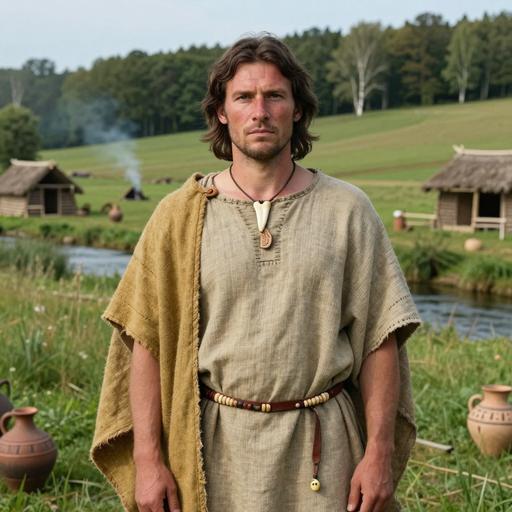
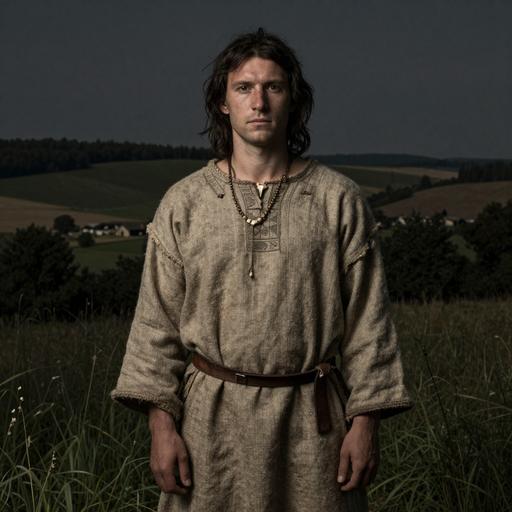
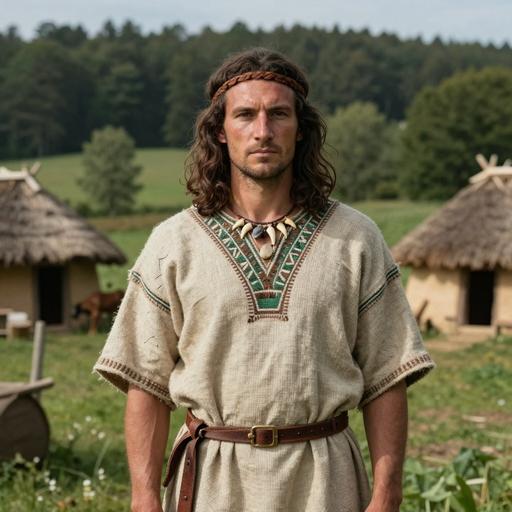
ื“ื™ืœื•ื’ ืœืชื•ื›ืŸ ื”ืจืืฉื™
Y-DNA ยท ืฉื•ืฉืœืช אבהית

G2A2B2B

Y-DNA Haplogroup G2A2B2B

ืคืจื•ืคื™ืœ ื™ื™ื—ื•ืก ืฉืœ ืขื ืฃ ืฉื•ืฉืœืช ืื—ื“. ืงื‘ื•ืฆื” ื”ืคืœื•ื’ืจื•ืคื™ืช ืžืฉื•ืชืคืช ืื™ื ื” ืงื•ื‘ืขืช ืงืฉืจ ืžืฉืคื—ืชื™ ื•ืื™ื ื” ืžื’ื“ื™ืจื” ื–ื”ื•ืช ืชืจื‘ื•ืชื™ืช.

ืคืจื•ืคื™ืœ ื”ื™ื™ื—ื•ืก

ืจืงืข ื”ืขื ืฃ

ื”ื”ืงืฉืจ ื”ื”ื™ืกื˜ื•ืจื™ ืฉืœ ืขื ืฃ G2A2B2B ื‘ืฉื•ืฉืœืช Y-DNA

Origins and Evolution

Y-DNA haplogroup G2A2B2B is a subclade of the larger G2 paternal lineage, which is strongly associated with the spread of early farmers from the Near East into Europe during the Neolithic. Based on its phylogenetic position beneath G2A2B2, this lineage most likely formed during the early to mid-Neolithic, probably in Anatolia or the broader Near Eastern frontier, where agricultural societies were expanding and diversifying.

As a downstream branch, G2A2B2B represents a more localized and later-diverging paternal line than its ancestral clades. Like many internal branches of G2, it is best understood as part of the genetic legacy of early West Eurasian farming populations, with subsequent survival and drift in regional refugia rather than broad expansion across all of Europe.

Subclades

Publicly documented substructure for G2A2B2B may be limited, especially if the branch is rare or recently defined in high-resolution Y-chromosome trees. In practice, its importance lies in connecting more general G2 and G2A phylogeny to localized descendant lineages observed in modern and ancient samples.

Relevant broader branches include:

  • G2: a major West Eurasian Y-DNA lineage with deep roots in the Near East
  • G2A: strongly linked to Neolithic farmers
  • G2A2B2: a later Near Eastern/Anatolian branch associated with farming dispersals and regional persistence

Geographical Distribution

G2A2B2B is expected to be rare and unevenly distributed. Its highest frequencies would most plausibly occur in the Caucasus, Anatolia, and adjacent regions of the Near East, with scattered occurrences in southern Europe where Neolithic farmer ancestry persisted. It may also appear at low frequency in populations shaped by historical movement from the eastern Mediterranean and Near East.

In population-genetic terms, this lineage is consistent with the surviving remnants of an early farming-associated paternal line that became diluted by later demographic events, including Bronze Age expansions, migrations, and founder effects.

Historical and Cultural Significance

The broader G2 and G2A branches are among the classic Y-DNA lineages associated with the Neolithic transformation of Eurasia. While G2A2B2B itself is too fine-grained to be tied securely to a single archaeological culture, its ancestry fits the demographic horizon of the first farming societies in Anatolia and southeastern Europe.

This makes the lineage relevant to discussions of:

  • the spread of agriculture from the Near East into Europe
  • the formation of early village societies in Anatolia and the Balkans
  • later persistence of Neolithic-derived paternal lines in the Caucasus and Mediterranean

Because many ancient Neolithic male burials across Europe carried branches of G2a, especially in early farming contexts, downstream descendants such as G2A2B2B are best interpreted as part of that long-term demographic legacy rather than as markers of a single culture or migration event.

Conclusion

G2A2B2B is a rare, downstream Y-chromosome branch that likely originated in the Anatolian/Near Eastern Neolithic world around 6 thousand years ago. Its present-day distribution probably reflects localized survival in the Caucasus, Anatolia, and southern Europe, making it a useful lineage for tracing the deep paternal ancestry of early farmers and their descendants.

ื ืงื•ื“ื•ืช ืขื™ืงืจื™ื•ืช

  • Origins and Evolution
  • Subclades
  • Geographical Distribution
  • Historical and Cultural Significance
  • Conclusion
ืคืจื•ืคื™ืœ ื”ื™ื™ื—ื•ืก

ืขืฅ ื”ืฉื•ืฉืœืช ื•ื”ืขื ืคื™ื ื”ืงืฉื•ืจื™ื

ืžืงื•ื ื”ืขื ืฃ ื‘ืขืฅ ื”ืฉื•ืฉืœืช ื•ืชืช-ื”ืขื ืคื™ื ืฉืœื•

ืžืกืœื•ืœ ื”ื”ืชืคืฆืœื•ืช ืฉืœ ื”ืฉื•ืฉืœืช

ืขืงื‘ื• ืื—ืจ ืขื ืคื™ ื”ืื‘ ื”ืžืชื•ืขื“ื™ื ืขื“ G2A2B2B. ื”ืชืืจื™ื›ื™ื ื”ื ืื•ืžื“ื ื™ื ื•ืขืฉื•ื™ื™ื ืœื”ืฉืชื ื•ืช ื›ืฉื ืชื•ื ื™ ื”ื™ื™ื—ื•ืก ืžืชืขื“ื›ื ื™ื.

ืฉืœื‘ื™ ื”ืชืคืฆืœื•ืช ื”ืงื‘ื•ืฆื” ื”ื”ืคืœื•ื’ืจื•ืคื™ืช ื’ื™ืœ ืžืฉื•ืขืจ ื”ืชืงื•ืคื” ื”ืืจื›ืื•ืœื•ื’ื™ืช ื”ื–ืžืŸ ืฉื—ืœืฃ ืขื ืคื™ื ื™ืฉื™ืจื™ื ื“ื’ื™ืžื•ืช ืžื•ื“ืจื ื™ื•ืช ืฉื ื‘ื“ืงื• ืงื™ืฉื•ืจื™ื ืขืชื™ืงื™ื
1 G2A2B2B ื”ืขื ืฃ ื”ื ื•ื›ื—ื™ ~6,000 years ago Chalcolithic 6,000 שנים 2 15 4
2 G2A2B2 ~6,000 years ago Chalcolithic 6,500 שנים 2 293 0
3 G2A2B ~8,000 years ago Neolithic 7,500 שנים 2 549 3
4 G2A2 ~8,000 years ago Neolithic 8,500 שנים 2 684 0
5 G2A ~9,000 years ago Neolithic 9,000 שנים 2 910 14
6 G2 ~25,000 years ago Paleolithic 25,000 שנים 2 989 9
7 G ~30,000 years ago Paleolithic 30,000 שנים 3 1,171 7

ืขื ืคื™ื ืื—ื™ื (1)

ืขื ืคื™ื ื ื•ืกืคื™ื ืžืื•ืชื” ืงื‘ื•ืฆื” ื”ืคืœื•ื’ืจื•ืคื™ืช ืื‘

ืคืจื•ืคื™ืœ ื”ื™ื™ื—ื•ืก

ื”ื™ื›ืŸ ื”ืขื ืฃ ืžื•ืคื™ืข

ืชืคื•ืฆื” ื’ืื•ื’ืจืคื™ืช ื•ื ื•ื›ื—ื•ืช ื ื•ื›ื—ื™ืช

ืžื•ืฆื ืžืชื•ืขื“

Anatolia / Near East

ืชืคื•ืฆื” ื ื•ื›ื—ื™ืช

The populations where Y-DNA haplogroup G2A2B2B is found include:

  1. Caucasus populations (for example Georgians, Armenians, Azerbaijanis)
  2. Anatolian populations (modern Turkey and nearby eastern Mediterranean groups)
  3. Southern European populations with Neolithic farmer ancestry (for example Sardinians, Italians, Greeks)
  4. Balkan populations with historical Near Eastern and Neolithic-related ancestry
  5. Selected Jewish and Levantine communities at low frequency
  6. Ancient DNA from Neolithic farming contexts in Europe and western Anatolia

ื ื•ื›ื—ื•ืช ืœืคื™ ืื–ื•ืจ

Western Asia / Near East High
Caucasus High
Southern Europe (Mediterranean) Moderate
Western Europe Low
Central Asia Low
South Asia Low
Anatolia Moderate
Near East Low
Southeastern Europe Low
Caucasus Moderate
ื”ืงืฉืจ ื”ื™ืกื˜ื•ืจื™

ืขื ืฃ ืœืื•ืจืš ื–ืžืŸ

ืื•ืžื“ืŸ ื”ื™ื•ื•ืฆืจื•ืช ื‘ืฆื™ืจ ื–ืžืŸ ื”ื™ืกื˜ื•ืจื™ ืจื—ื‘. ืกืžื ื™ ื”ืชืงื•ืคื•ืช ื ื•ืชื ื™ื ื”ืงืฉืจ ื•ืื™ื ื ืžืจืžื–ื™ื ืขืœ ืงืฉืจ ืœืชืจื‘ื•ื™ื•ืช ืžืกื•ื™ืžื•ืช.

  1. ~10k שנים לפני

    המהפכה הנאוליתית

    ראשית החקלאות והתגבשות קהילות יושבות קבע

  2. ~6k שנים לפני

    קבוצה הפלוגרופית G2A2B2B

    אומדן להיווצרות ענף Y-DNA זה. תאריכים ומיקומים הם אומדני ייחוס.

    ื”ืขื ืฃ ื”ื–ื”
  3. ~5k שנים לפני

    תקופת הברונזה

    עיבוד מתכות, כתב וציוויליזציות מוקדמות

  4. ~3k שנים לפני

    תקופת הברזל

    כלי ברזל ורשתות מסחר מורחבות

  5. ~2.5k שנים לפני

    העת העתיקה הקלאסית

    שגשוג הציוויליזציות היוונית והרומית

  6. Present

    ימינו

    העידן המודרני

ืคืจื•ืคื™ืœ ื”ื™ื™ื—ื•ืก

ื”ืงืฉืจ ืืจื›ืื•ืœื•ื’ื™

ื”ืงืฉืจื™ื ืืจื›ืื•ืœื•ื’ื™ื™ื ืžืชื•ืขื“ื™ื ืฉืœ ืขื ืฃ G2A2B2B ืž-Y-DNA

ื”ืงืฉืจื™ื ืžืชื•ืขื“ื™ื

ืชื•ื•ื™ื•ืช ืืœื” ืžืชืืจื•ืช ื”ืงืฉืจื™ื ืืจื›ืื•ืœื•ื’ื™ื™ื ืžืชื•ืขื“ื™ื ืฉืœ ื“ื’ื™ืžื•ืช ื”ื™ื™ื—ื•ืก ื”ืžืงื•ืฉืจื•ืช ืœ-G2A2B2B. ื”ืงื™ืฉื•ืจ ืื™ื ื• ืžื•ื›ื™ื— ืฉื›ืœ ื ื•ืฉืื™ ื”ืขื ืฃ ื”ืฉืชื™ื™ื›ื• ืœืชืจื‘ื•ืช ืžืกื•ื™ืžืช ืื• ื”ืœื›ื• ื‘ืžืกืœื•ืœ ื ื“ื™ื“ื” ืžืกื•ื™ื.

Alföld Linear Pottery Anatolian Neolithic AVK Etruscan Los Millares Macedonian Neolithic Romania_EN_Cris Romanian Neolithic Sardinian Neolithic Starčevo Culture Tiszapolgár Varna Culture
ืกื™ื•ื•ื’ ื”ืชืจื‘ื•ื™ื•ืช ืžื‘ื•ืกืก ืขืœ ื”ื”ืงืฉืจ ื”ืืจื›ืื•ืœื•ื’ื™ ืฉืœ ื“ื’ื™ืžื•ืช ื“ื "ื ืขืชื™ืง, ื•ื”ื•ื ืขืฉื•ื™ ืœืฉืงืฃ ืงืฉืจื™ื ืื–ื•ืจื™ื™ื ื‘ืชืงื•ืคื•ืช ืžืกื•ื™ืžื•ืช.
ืคืจื•ืคื™ืœ ื”ื™ื™ื—ื•ืก

ืื™ื ื“ืงืก ื“ื’ื™ืžื•ืช

ืžืกืคืจ ื“ื’ื™ืžื•ืช ืชืช-ื”ืขื ืคื™ื ืฉืœ ื”ืงื‘ื•ืฆื” ื”ื”ืคืœื•ื’ืจื•ืคื™ืช G2A2B2B ื”ื•ื 4. ืื™ืŸ ื“ื’ื™ืžื•ืช ื‘ื”ืชืืžื” ื™ืฉื™ืจื” ื‘ืงื‘ื•ืฆืช ื”ื™ื™ื—ื•ืก ื”ื ื•ื›ื—ื™ืช.

4 ืžื•ืฆื’ื•ืช ยท 4 ื“ื’ื™ืžื•ืช ืชื•ืืžื•ืช

ื”ื“ื™ื•ืงื ืื•ืช ื”ื ืื™ื•ืจื™ื ืฉื ื•ืฆืจื• ื‘ื‘ื™ื ื” ืžืœืื›ื•ืชื™ืช. ืฉืžื•ืช ื”ื“ื’ื™ืžื•ืช ื•ืžื–ื”ื™ ื”ื”ืคืงื“ื” ืžื–ื”ื™ื ืืช ืจืฉื•ืžื•ืช ื”ื™ื™ื—ื•ืก.

ื“ื™ื•ืงืŸ ื”ื“ื’ื™ืžื” ื”ืžื“ื™ื ื” ื”ืชืงื•ืคื” ื”ืชืืจื™ืš ื”ืชืจื‘ื•ืช Y-DNA ืกื•ื’ ื”ื”ืชืืžื”
ืฉื—ื–ื•ืจ ืืžื ื•ืชื™ ืฉื ื•ืฆืจ ื‘ื‘ื™ื ื” ืžืœืื›ื•ืชื™ืช ืฉืœ ื”ื“ื’ื™ืžื” European Neolithic individual, Saxony-Anhalt. Mittelelbe-Saaleregion. Derenburg-MeerenstiegII, Germany (5,400-4,600 BCE)
ืžื–ื”ื” ื“ื’ื™ืžื”: DER002
Germany Neolithic Linear Pottery Culture in Saxony, Germany 5400 BCE - 4600 BCE Linear Pottery Culture G2a2b2b2 תת-ענף
ืฉื—ื–ื•ืจ ืืžื ื•ืชื™ ืฉื ื•ืฆืจ ื‘ื‘ื™ื ื” ืžืœืื›ื•ืชื™ืช ืฉืœ ื”ื“ื’ื™ืžื” Derenburg Meerenstieg2 N LBK individual, Saxony-Anhalt. Mittelelbe-Saaleregion. Derenburg-MeerenstiegII, Germany (5,400-4,600 BCE)
ืžื–ื”ื” ื“ื’ื™ืžื”: DER006
Germany Neolithic Linear Pottery Culture in Saxony, Germany 5400-4900 BCE Linear Pottery Culture G2a2b2b2 תת-ענף
ืฉื—ื–ื•ืจ ืืžื ื•ืชื™ ืฉื ื•ืฆืจ ื‘ื‘ื™ื ื” ืžืœืื›ื•ืชื™ืช ืฉืœ ื”ื“ื’ื™ืžื” Derenburg Meerenstieg2 N LBK individual, Saxony-Anhalt. Mittelelbe-Saaleregion. Derenburg-MeerenstiegII, Germany (5,400-4,600 BCE)
ืžื–ื”ื” ื“ื’ื™ืžื”: DER013
Germany Neolithic Linear Pottery Culture in Saxony, Germany 5400-4900 BCE Linear Pottery Culture G2a2b2b2 תת-ענף
ืฉื—ื–ื•ืจ ืืžื ื•ืชื™ ืฉื ื•ืฆืจ ื‘ื‘ื™ื ื” ืžืœืื›ื•ืชื™ืช ืฉืœ ื”ื“ื’ื™ืžื” Germany Saxony Lbk N individual, Saxony-Anhalt. Mittelelbe-Saaleregion. Derenburg-MeerenstiegII, Gernamy (5,400-4,600 BCE)
ืžื–ื”ื” ื“ื’ื™ืžื”: DER002
Gernamy Neolithic Linear Pottery Culture in Saxony, Germany 5400 BCE - 4600 BCE Linear Pottery Culture G2a2b2b2 תת-ענף
ענף אבהי ยท DNA ืงื“ื•ื

ืžืคืช ืจืื™ื•ืช ืงื“ื•ืžื•ืช ืœืขื ืฃ ื”ืฉื•ืฉืœืช

ืขืงื‘ื• ืื—ืจ ืขื ืคื™ ื”ืžืงื•ืจ ื”ืžื•ื‘ื™ืœื™ื ืœืขื ืฃ ื–ื”, ื•ื’ืœื• ื”ื™ื›ืŸ ื ืžืฆืื• ื”ื“ื’ื™ืžื•ืช ื”ืงื“ื•ืžื•ืช ื”ืงืฉื•ืจื•ืช ืืœื™ื•.

ื˜ื•ืขืŸ ืชืฆืคื™ื•ืช ืงื“ื•ืžื•ืช...

ื”ืกื™ืžื•ื ื™ื ืžืฆื™ื™ื ื™ื ืžืงื•ืžื•ืช ืžืฆื™ืื” ืืจื›ืื•ืœื•ื’ื™ื™ื. ืงื• ืžืงื•ื•ืงื• ื”ื•ื ืžืขื‘ืจ ื’ืื•ื’ืจืคื™ ืžื•ืฆืข ื•ืœื ื•ื“ืื™ ื‘ื™ืŸ ืขื ืคื™ื ืขื•ืงื‘ื™ื, ื”ื ืชืžืš ื‘ื›ืžื” ืชืฆืคื™ื•ืช ืžืชื•ืืจื›ื•ืช. ืื™ืŸ ื–ื” ืžืกืœื•ืœ ืžื“ื•ื™ืง, ืžืงื•ื ืœื™ื“ื” ืื• ื”ื•ื›ื—ื” ืœื™ืจื™ื“ื” ื™ืฉื™ืจื”. ื“ื’ื™ืžื•ืช ืžืขื ืคื™ ื”ืžืงื•ืจ ืขืฉื•ื™ื•ืช ืœื”ืฉืชื™ื™ืš ืœืขื ืคื™ ืฆืืฆืื™ื ืื—ืจื™ื. ื”ืคืขืจื™ื ื ืฉืืจื™ื ื‘ืžืงื•ื ืฉื‘ื• ื”ืจืื™ื•ืช ืื™ื ืŸ ืžืกืคื™ืงื•ืช. ืชืืจื™ื›ื™ ื”ื“ื’ื™ืžื•ืช ืฉื•ื ื™ื ืžืชืืจื™ื›ื™ ื”ื™ื•ื•ืฆืจื•ืช ื”ื”ืคืœื•ื’ืจื•ืค.

ืคืจื•ืคื™ืœ ื”ื™ื™ื—ื•ืก

ืžืคืช ืชืคื•ืฆืช ื”ื“ื’ื™ืžื•ืช

ื”ืชืคื•ืฆื” ื”ื’ืื•ื’ืจืคื™ืช ืฉืœ ื“ื’ื™ืžื•ืช ื“ื "ื ืขืชื™ืง ื‘ื”ืชืืžื” ื™ืฉื™ืจื” ืœืงื‘ื•ืฆื” G2A2B2B ืื• ืœืชืช-ื”ืขื ืคื™ื ืฉืœื”. ืžืกืคืจ ื“ื’ื™ืžื•ืช: 4

ื“ื’ื™ืžื” ืžืชืช-ืขื ืฃ
ืกื™ื ื•ืŸ ืœืคื™ ืชืงื•ืคื”
ื›ืœ ื”ืชืงื•ืคื•ืช
ื›ืœ ื”ื“ื’ื™ืžื•ืช ืžื•ืฆื’ื•ืช
ืคืจื•ืคื™ืœ ื”ื™ื™ื—ื•ืก

ืชืคื•ืฆื” ื‘ื–ืžืŸ

ืชืคื•ืฆืช ื”ื“ื’ื™ืžื•ืช ืขืœ ืคื ื™ ื”ืชืงื•ืคื•ืช ื”ืืจื›ืื•ืœื•ื’ื™ื•ืช

ืคืจื•ืคื™ืœ ื”ื™ื™ื—ื•ืก

ืชืคื•ืฆื” ื’ืื•ื’ืจืคื™ืช

ืžืกืคืจ ื”ื“ื’ื™ืžื•ืช ืœืคื™ ื”ืžื“ื™ื ื” ื”ืžืชื•ืขื“ืช ืฉืœื”ืŸ. ื”ืกืคื™ืจื•ืช ืžืฉืงืคื•ืช ืืช ื“ื’ื™ืžื•ืช ื”ื™ื™ื—ื•ืก ื”ื–ืžื™ื ื•ืช, ื‘ืœื™ ืœืžื“ื•ื“ ืืช ืชื“ื™ืจื•ืช ื”ืงื‘ื•ืฆื•ืช ื”ื”ืคืœื•ื’ืจื•ืคื™ื•ืช ื‘ืื•ื›ืœื•ืกื™ื™ื”.

ืคืจื•ืคื™ืœ ื”ื™ื™ื—ื•ืก

ืชืคื•ืฆืช ื”ื“ื’ื™ืžื•ืช ืœืคื™ ืžื“ื™ื ื” ื•ืชืงื•ืคื”

ื”ืฉื•ื• ืืช ืžืกืคืจ ื”ื“ื’ื™ืžื•ืช ื”ืžืชื•ืขื“ื•ืช ืœืคื™ ืžื“ื™ื ื•ืช ื•ืชืงื•ืคื•ืช ืืจื›ืื•ืœื•ื’ื™ื•ืช. ื‘ื—ืจื• ืชื ืขื ืชื•ืฆืื•ืช ื›ื“ื™ ืœืจืื•ืช ืื—ืช ืžื”ื“ื’ื™ืžื•ืช.

ื”ื ืชื•ื ื™ื

ื”ื ืชื•ื ื™ื ื•ืžืงื•ืจื•ืชื™ื”ื

ืžื™ื“ืข ืขืœ ื”ืžืงื•ืจื•ืช ื•ืื™ื›ื•ืช ื”ื ืชื•ื ื™ื

ืขื“ื›ื•ืŸ ืื—ืจื•ืŸ 2026-06-17
ืจืžืช ื‘ื™ื˜ื—ื•ืŸ 50/100
ื›ื™ืกื•ื™ Low

ืžืงื•ืจ ื”ื ืชื•ื ื™ื

ื”ืกื™ื•ื•ื’, ื”ืชืืจื™ื›ื™ื ื”ืžืฉื•ืขืจื™ื ื•ื”ื”ืงืฉืจ ื”ื’ืื•ื’ืจืคื™ ืžืฉืงืคื™ื ืืช ื ืชื•ื ื™ ื”ื™ื™ื—ื•ืก ื”ืžืชื•ืขื“ื™ื, ื•ื”ื ืขืฉื•ื™ื™ื ืœื”ืฉืชื ื•ืช ื›ืฉื”ืจืื™ื•ืช ื ื‘ื“ืงื•ืช ืžื—ื“ืฉ. ื›ื™ืกื•ื™ ื”ื“ื’ื™ืžื•ืช ืžืฉืชื ื”, ื•ืžื™ืงื•ืžื™ื ืžืชื•ืขื“ื™ื ื•ืงืฉืจื™ื ืืจื›ืื•ืœื•ื’ื™ื™ื ืื™ื ื ืžื•ื›ื™ื—ื™ื ืžื•ืฆื ืื™ืฉื™ ืื• ื–ื”ื•ืช ืชืจื‘ื•ืชื™ืช.