Argaric Murcia: Bronze Age Echoes
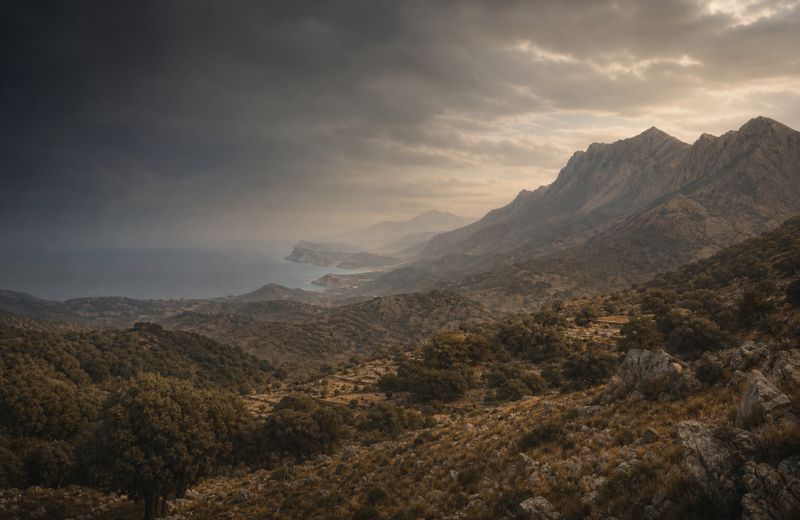
Five genomes from Murcia link hilltop strongholds to shifting Bronze Age lineages

DNA Spotlights · Ancient and Historical Cultures
Download PDF creates a visual, rasterized copy. Use Print for selectable text and better assistive-technology support.
Explore the places, time periods, and published research behind ancient DNA samples and the cultures associated with them.
Browse the collection1,165–1,176 of 1,627 spotlights
Five genomes from Murcia link hilltop strongholds to shifting Bronze Age lineages
Burials and ancient DNA from Granada paint a picture of migration, local continuity, and Mediterranean exchange.
Three genomes and the archaeology of Dutch Saint Martin reveal colonial-era connections.
Burials from Rupert’s Valley (1840–1940 CE) reveal predominantly African maternal ancestry on St. Helena.
Coastal potters and mariners of Cas-en-Bas, 1000–1450 CE — where pots meet DNA
500–1500 CE lives on the Nile — archaeology and maternal genomes reveal movement and memory.
Stone chambers on Gotland and the fragile genetic traces of a maritime Neolithic world
Late Neolithic Sweden seen through Battle Axe cultural traces and ancient genomes
Three ancient genomes from southern Sweden illuminate a coastal Bronze Age at the edge of wider trade networks.
Archaeological and genetic glimpses from Öland’s Early Viking landscapes
A northern Swedish community (3350–2633 BCE) revealed by archaeology and ancient DNA.
Three Neolithic voices from Rossberga and Rössberga, heard through pottery, bones and DNA.