Iberian Neolithic: Farmers of the Atlantic Edge
4700–2500 BCE Spain: caves, tombs and DNA illuminate the first farming communities
DNA Spotlights · Ancient and Historical Cultures
Download PDF creates a visual, rasterized copy. Use Print for selectable text and better assistive-technology support.
Explore the places, time periods, and published research behind ancient DNA samples and the cultures associated with them.
Browse the collection1–10 of 10 spotlights
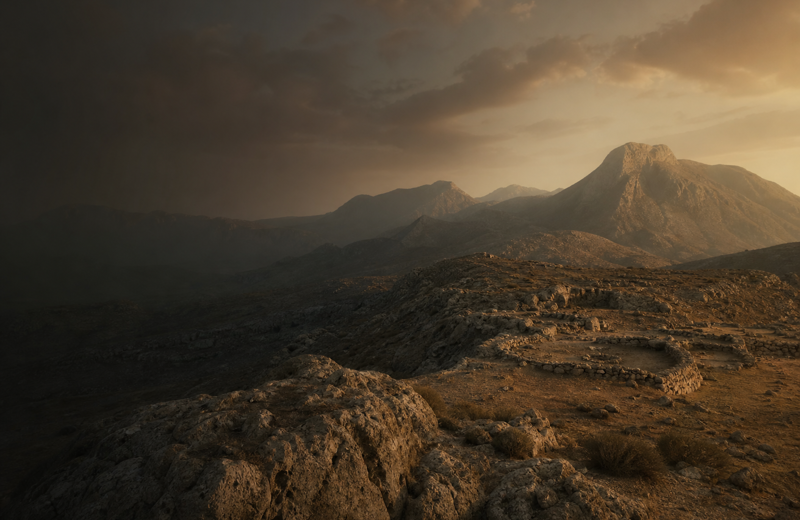
4700–2500 BCE Spain: caves, tombs and DNA illuminate the first farming communities
Cave burials in Camagüey reveal a fragmentary, living story of late precontact Cuba
Middle Neolithic cave burials in Germany illuminated by archaeology and ancient DNA
A Lasithi community (2300–1900 BCE) where cave burials and genomes illuminate Bronze Age lives
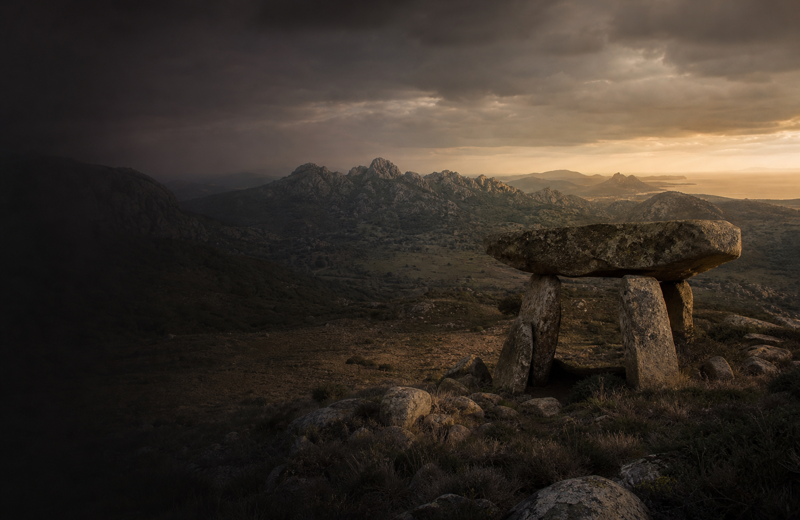
A coastal, cavernous world where farmers and foragers shaped Sardinia’s first villages and genes
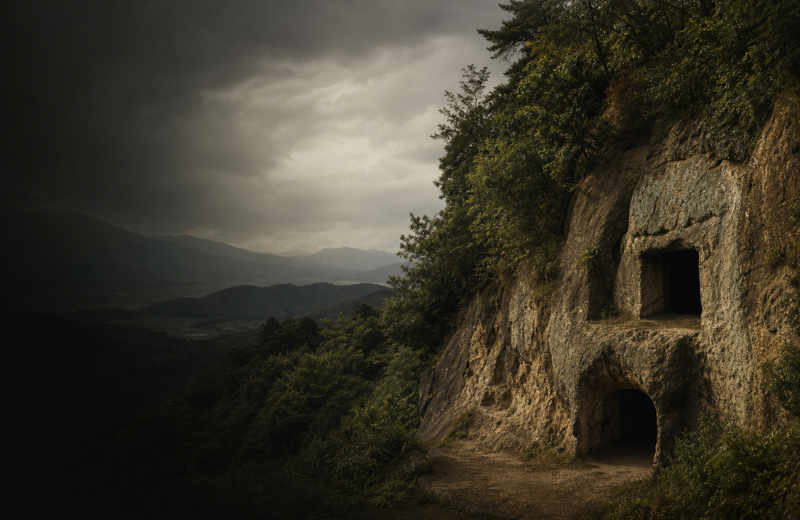
Late Kofun-period burials from Kanazawa that hint at maternal continuity and continental contacts
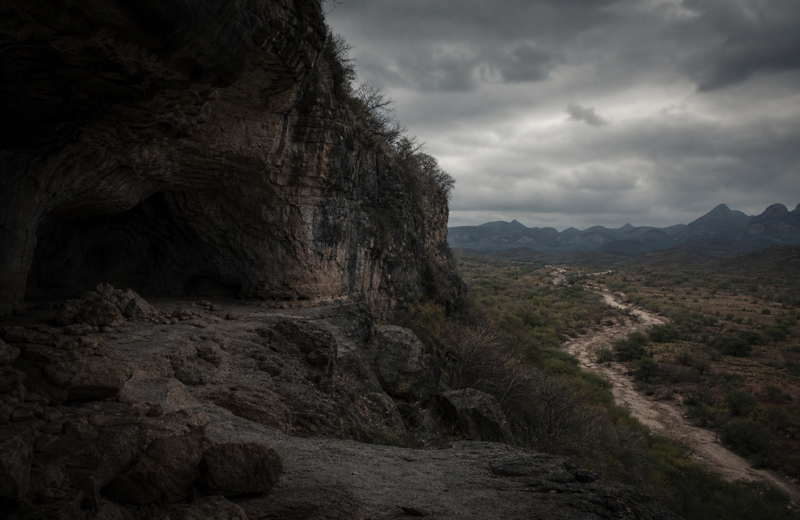
Late Holocene mortuary community in northern Mexico, 100–1400 CE — DNA reveals founding Native American lineages
Human stories from caves and copper, 3300–2146 BCE in southeastern Spain
A single late imperial genome from Guangxi links cave burial archaeology to maternal lineages
Cave burials in Hechi reveal maternal lineages spanning late Ming to early Qing transitions
Our guides explain the methods we use, from population comparisons to matching segments of DNA.