Echoes of the Central Asian Bronze Horizon
Archaeology and DNA from Sappali Tepe to Sarazm reveal a layered Bronze Age world
DNA Spotlights · Ancient and Historical Cultures
Download PDF creates a visual, rasterized copy. Use Print for selectable text and better assistive-technology support.
Explore the places, time periods, and published research behind ancient DNA samples and the cultures associated with them.
Browse the collection1–12 of 13 spotlights
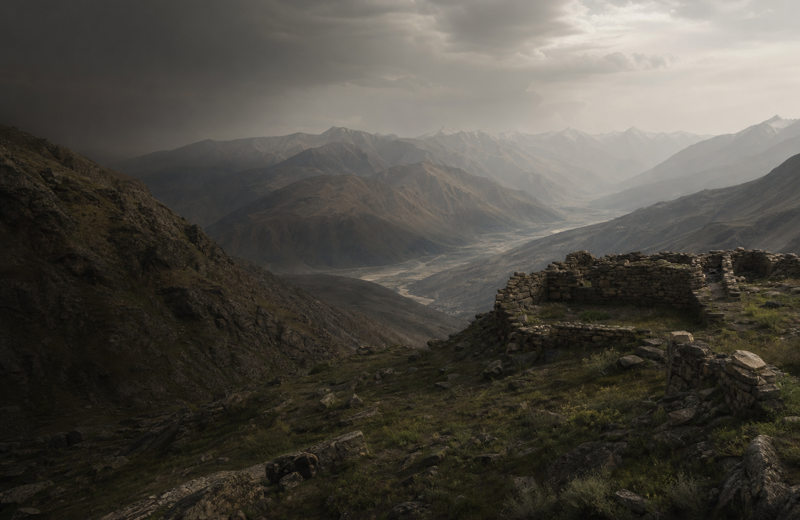
Archaeology and DNA from Sappali Tepe to Sarazm reveal a layered Bronze Age world
A coastal nexus at the edge of Sasanian power, glimpsed through archaeology and ancient DNA
Echoes from a crossroads oasis in Xinjiang, 1042–489 BCE
Five medieval burials from a Christian cemetery in Chüy reveal a fragile genetic portrait of pandemic-era Central Asia.
A concise archaeological and genetic snapshot of Kyrgyzstan in 2000 CE
Archaeology and ancient DNA (406–174 BCE) reveal layered ancestries in the Swat Valley
A genetic and archaeological portrait of the Loebanr Iron Age, Swat Valley (1107–790 BCE)
A brief, evocative portrait of Kushan-era lives from Ksirov, Tajikistan, seen through archaeology and DNA
A Turkmen oasis community at the crossroads of Near Eastern and Central Asian worlds
Archaeology and ancient DNA from Gonur (2500–1600 BCE) illuminate a center of the Bactria–Margiana complex
Bronze Age lives at Bustan (1880–1300 BCE): archaeological shadows meet DNA traces
Bronze Age lives from Kokcha 3 revealed by bones, bronzes, and ancient DNA
Our guides explain the methods we use, from population comparisons to matching segments of DNA.