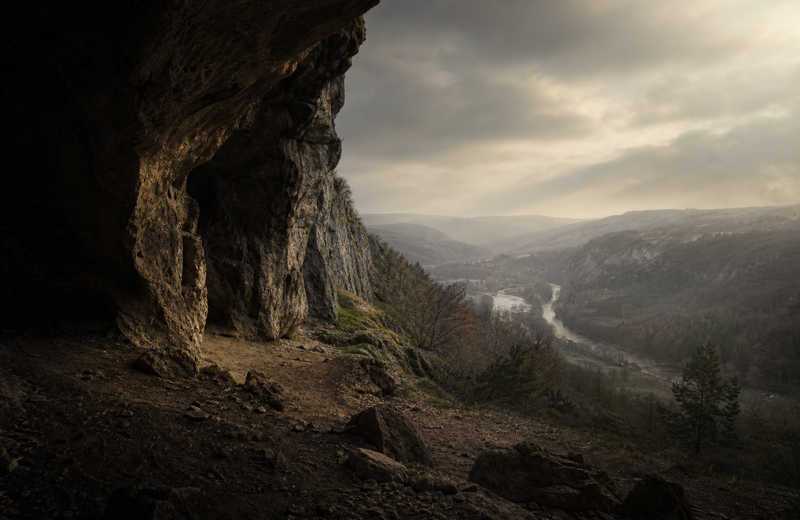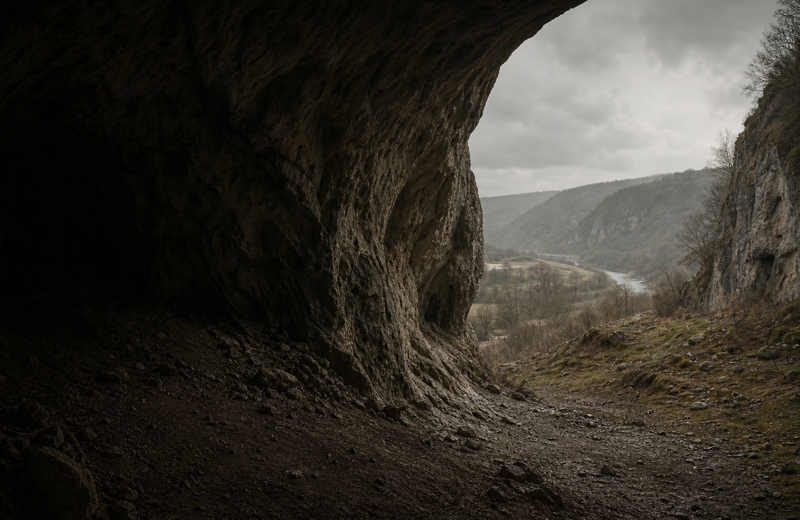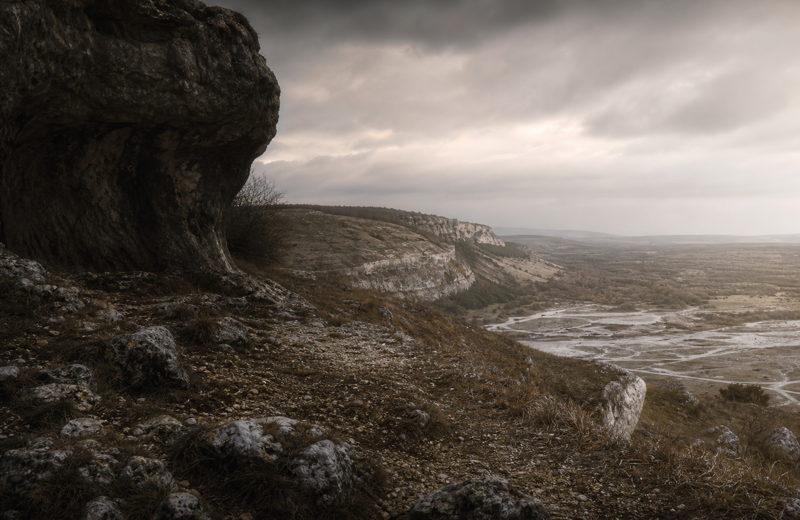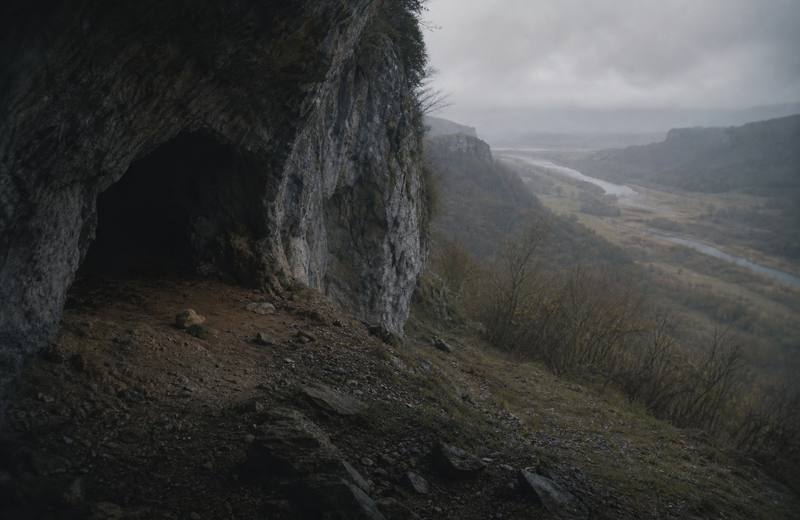
Goyet Q376-19: A Paleolithic Maternal Voice
A single Upper Paleolithic individual from the Troisième caverne of Goyet, Belgium, speaking across 25 millennia

DNA Spotlights · Ancient and Historical Cultures
Download PDF creates a visual, rasterized copy. Use Print for selectable text and better assistive-technology support.
Explore the places, time periods, and published research behind ancient DNA samples and the cultures associated with them.
Browse the collection1–12 of 12 spotlights
A single Upper Paleolithic individual from the Troisième caverne of Goyet, Belgium, speaking across 25 millennia
A single 26,000‑year‑old individual from Goyet cave linking stone, bone and DNA.
A solitary Upper Paleolithic individual from Goyet Cave connects stone, ochre and maternal lineage
Four ancient genomes from Goyet Cave illuminate Gravettian life and early European ancestry, interpreted cautiously.
A single Upper Paleolithic individual from Troisième caverne, connecting stone-age life to deep Eurasian DNA
Single U2-bearing individual from Troisième caverne, Goyet — a frozen strand of deep European prehistory.
Single Upper Paleolithic genome from Goyet cave illuminates life in Belgium ~24.8–24.0k BCE
Ice‑edge hunters of Wallonia whose bones whisper links between art, stone and genes
Early Upper Paleolithic occupants of Goyet Cave, 35.2–34.5k BCE — a fragile genetic window
A single Upper Paleolithic individual from Goyet cave linking archaeology and ancient DNA
A lone Upper Paleolithic genome from Goyet’s Troisieme caverne, Belgium (c. 26,400–25,800 BCE)
A single Upper Paleolithic individual from Goyet cave illuminates deep European hunter‑gatherer history
Our guides explain the methods we use, from population comparisons to matching segments of DNA.