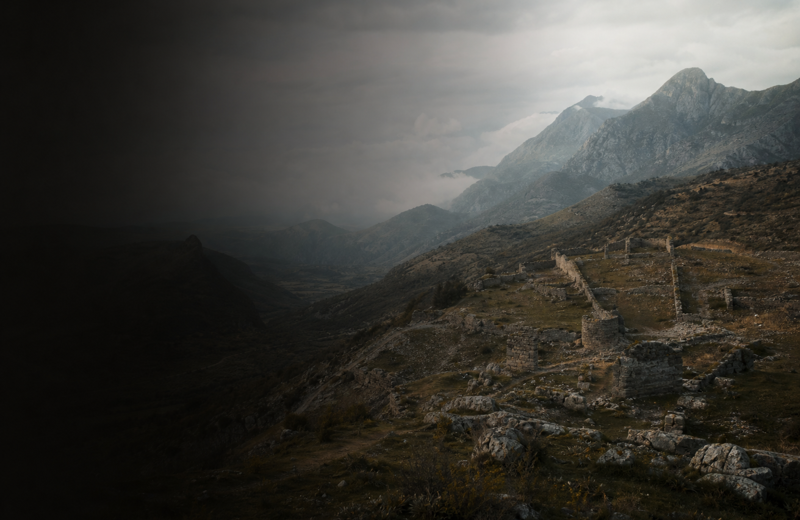
Albania (1400–1700): Maternal Threads
Late medieval–early modern Albanian communities seen through archaeology and maternal DNA

DNA Spotlights · Ancient and Historical Cultures
Download PDF creates a visual, rasterized copy. Use Print for selectable text and better assistive-technology support.
Explore the places, time periods, and published research behind ancient DNA samples and the cultures associated with them.
Browse the collection1–11 of 11 spotlights
Late medieval–early modern Albanian communities seen through archaeology and maternal DNA
Graveyards in Aalborg, Randers and Holbæk reveal centuries of life and lineage, 1000–1800 CE
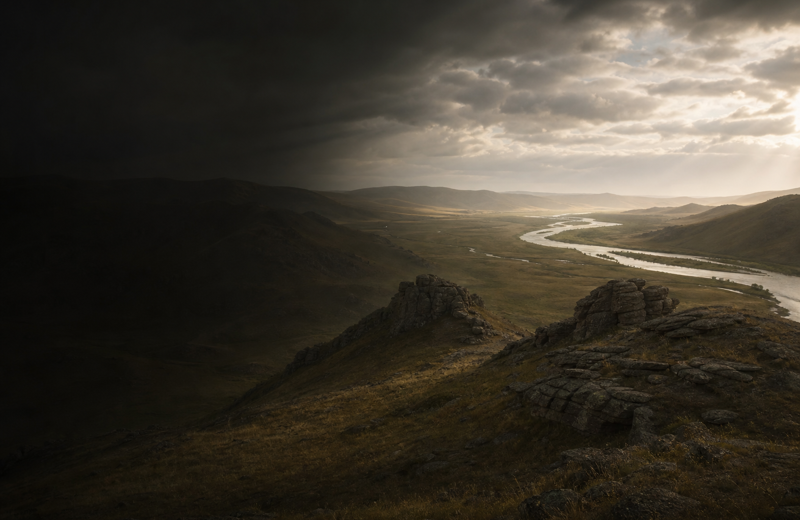
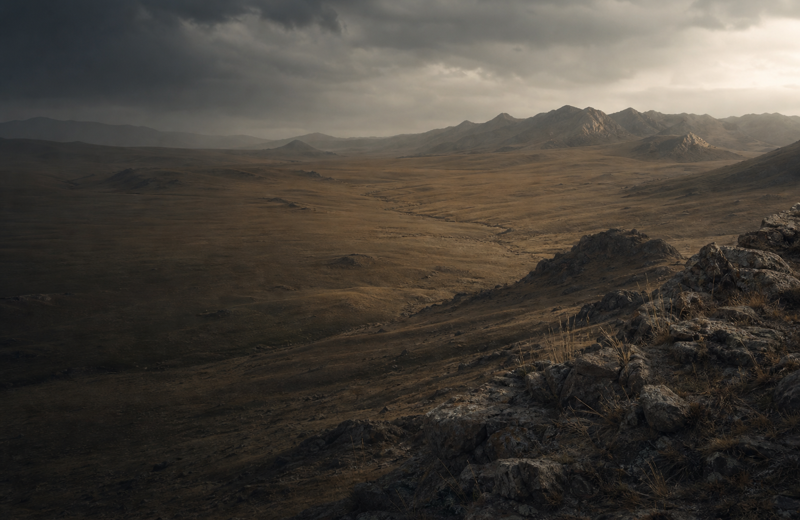
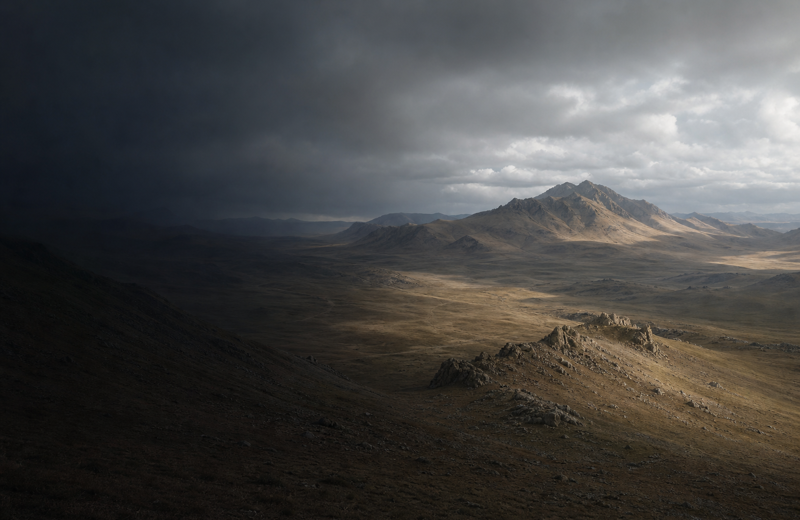
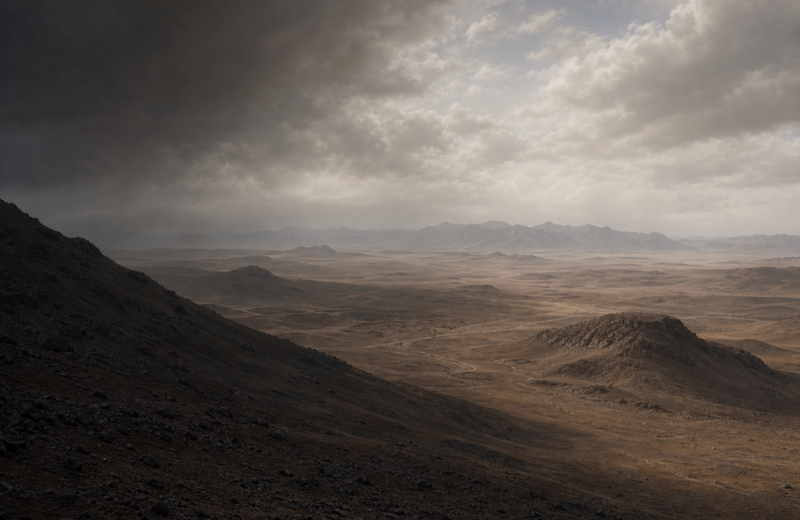
A fleeting glimpse of pastoral life in central Mongolia, 1000–1500 CE
Burials at Tsagaan Chuluut and Ugoomor illuminate Mongolian frontiers, 1000–1500 CE
A portrait of maternal ancestries at a northern Mongolian frontier (1250–1450 CE)
Genetic glimpses from Burgaldain Khundii and Karnikovyn Am (1000–1500 CE), northern Mongolia
Burials from Sukhbaatar (1000–1500 CE) show steppe lives tied to northern and East Asian ancestries
Bones and genomes from Argali Mountain whisper of mobile life on the Mongolian plateau.
A fragmentary portrait of pastoral life and shifting genetics on Mongolia’s Umungobi plateau (1000–1500 CE)
Genomes and graves trace a frontier from Early Iron Age horizons through Xiongnu and Late Medieval lives.
Archaeology and DNA reveal shifting peoples from 2100 BCE to the late medieval Baltic shores.
Our guides explain the methods we use, from population comparisons to matching segments of DNA.