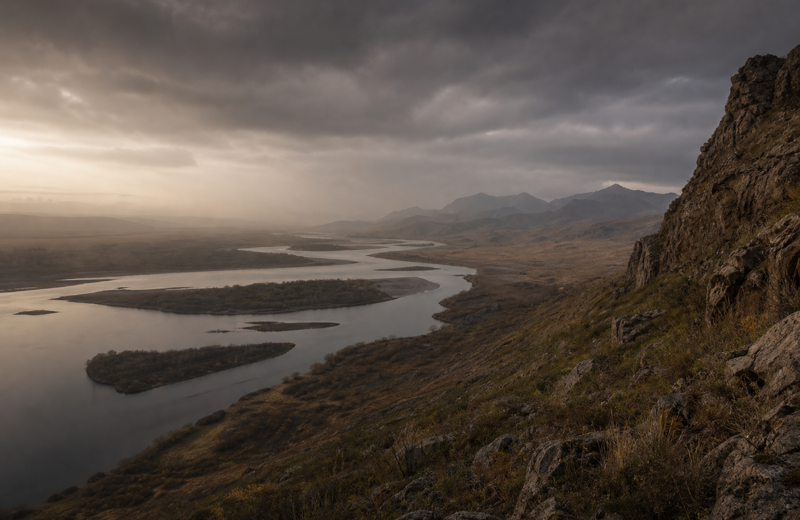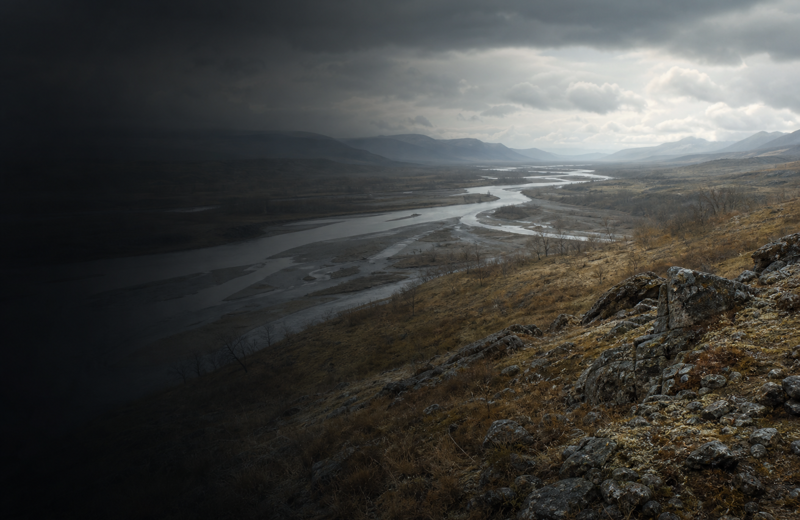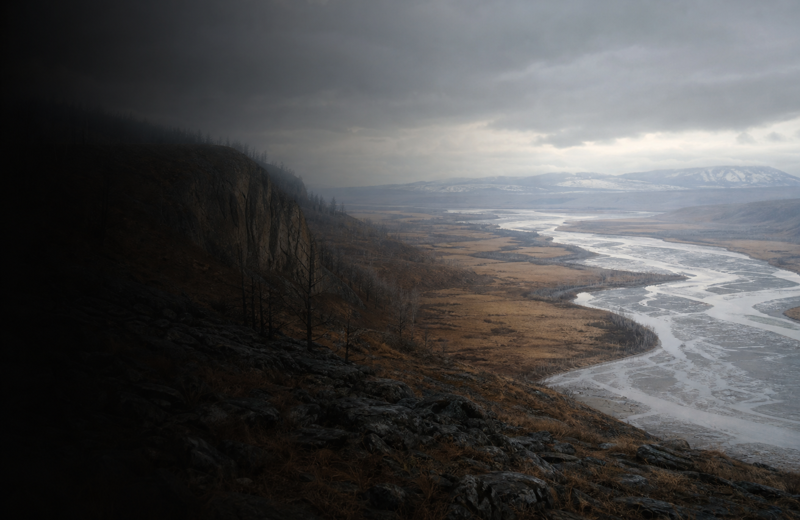
Amur River Late Paleolithic Foragers
Riverine hunter-gatherers of northeast China, 17,605–10,550 BCE

DNA Spotlights · Ancient and Historical Cultures
Download PDF creates a visual, rasterized copy. Use Print for selectable text and better assistive-technology support.
Explore the places, time periods, and published research behind ancient DNA samples and the cultures associated with them.
Browse the collection1–12 of 13 spotlights
Riverine hunter-gatherers of northeast China, 17,605–10,550 BCE
Ten genomes illuminate lives along the Amur River, 6690–4270 BCE
Late Neolithic–early Bronze Age people of Erdaojingzi, Inner Mongolia — genetic glimpses from three individuals
Pottery, shell middens and DNA trace deep Northeast Asian roots in prehistoric Japan.
Eleven genomes from Ulaanzuukh trace millennia of steppe continuity and change
Early Neolithic occupants of Devil's Gate Cave reveal Northeast Asian maternal lineages
Coastal foragers of Primorsky Krai whose bones speak to Neolithic seas and ancient lineages
Maternal lineages from a Gimhae cemetery illuminate local lives in the Three Kingdoms era.
Riverine hunter-gatherers of northeastern China glimpsed through archaeology and DNA
A single 32,000-year-old individual illuminates riverine life on the Amur’s ancient floodplains
Six early Neolithic individuals illuminate coastal lifeways and an early signal of Y haplogroup N
A single ancient voice from Yumin hints at early inland lifeways in Northeast Asia
Our guides explain the methods we use, from population comparisons to matching segments of DNA.