


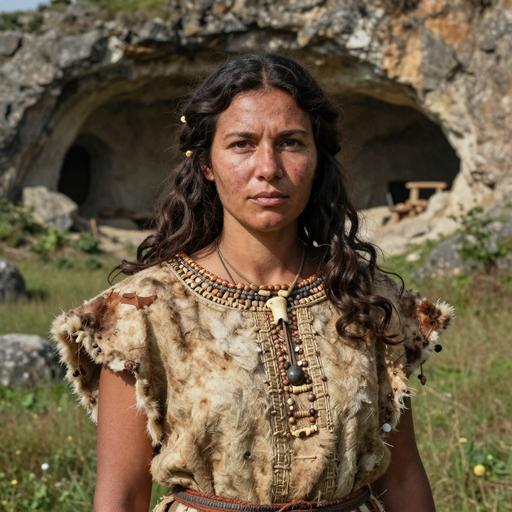
| Individual | Culture/Period | Date | Location | Action |
|---|---|---|---|---|
| Asia East N individual, Russia | 5721 BCE | Devil's Gate Cave. Dalnegorsk Village. Primorsky Krai, Russia | View | |
| Asia East N individual, Russia | 5721 BCE | Devil's Gate Cave. Dalnegorsk Village. Primorsky Krai, Russia | View | |
| Asia East N individual, Russia | 5721 BCE | Devil's Gate Cave. Dalnegorsk Village. Primorsky Krai, Russia | View | |
| Asia East N individual, Russia | 5721 BCE | Devil's Gate Cave. Dalnegorsk Village. Primorsky Krai, Russia | View |
Page 1
| Individual | Culture/Period | Date | Location | Action |
|---|---|---|---|---|
| Asia East N individual, Russia | 5721 BCE | Devil's Gate Cave. Dalnegorsk Village. Primorsky Krai, Russia | View | |
| Asia East N individual, Russia | 5721 BCE | Devil's Gate Cave. Dalnegorsk Village. Primorsky Krai, Russia | View | |
| Asia East N individual, Russia | 5721 BCE | Devil's Gate Cave. Dalnegorsk Village. Primorsky Krai, Russia | View | |
| Asia East N individual, Russia | 5721 BCE | Devil's Gate Cave. Dalnegorsk Village. Primorsky Krai, Russia | View | |
| Asia East N individual, Russia | 5802 BCE | Devil's Gate Cave, Russia | View | |
| Asia East N individual, Russia | 5830 BCE | Devil's Gate Cave, Russia | View | |
| Asia East N individual, Russia | 5721 BCE | Devil's Gate Cave, Russia | View | |
| Asia East N individual, Russia | 5712 BCE | Devil's Gate Cave, Russia | View | |
| Asia East N individual, Russia | 5707 BCE | Devil's Gate Cave, Russia | View | |
| Asia East N individual, Russia | 5625 BCE | Devil's Gate Cave, Russia | View |
Page 1