


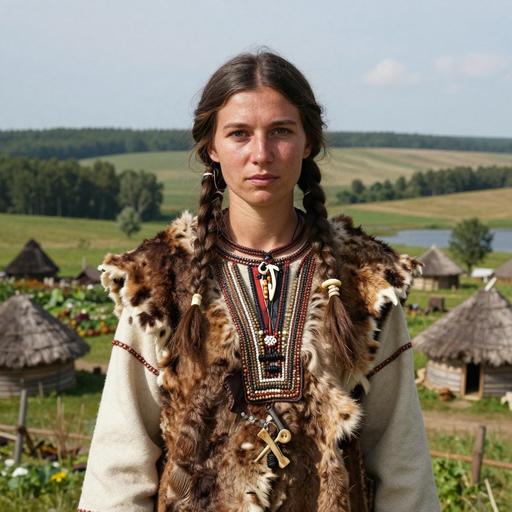
| Individual | Culture/Period | Date | Location | Action |
|---|---|---|---|---|
| Kyiv Eneolithic Serednii Stih individual, Ukraine | Serednii Stih culture | 4049 BCE | Kopachіv (Kyiv Oblast, Obukhiv District, Obukhiv municipality), Ukraine | View |
Page 1
| Individual | Culture/Period | Date | Location | Action |
|---|---|---|---|---|
| Kyiv Eneolithic Serednii Stih individual, Ukraine | Serednii Stih culture | 4049 BCE | Kopachіv (Kyiv Oblast, Obukhiv District, Obukhiv municipality), Ukraine | View |
| Proto-Indo-European individual, Ukraine | Serednii Stih culture | 3701 BCE | Deriivka (Kirovohrad Oblast, Oleksandriia District), Ukraine | View |
| Eneolithic Serednii Stih individual, Ukraine | Serednii Stih culture | 4446 BCE | Deriivka (Kirovohrad Oblast, Oleksandriia District), Ukraine | View |
| Eneolithic Serednii Stih individual, Ukraine | Serednii Stih culture | 4446 BCE | Deriivka (Kirovohrad Oblast, Oleksandriia District), Ukraine | View |
| Eneolithic Serednii Stih individual, Ukraine | Serednii Stih culture | 4342 BCE | Deriivka (Kirovohrad Oblast, Oleksandriia District), Ukraine | View |
Page 1