


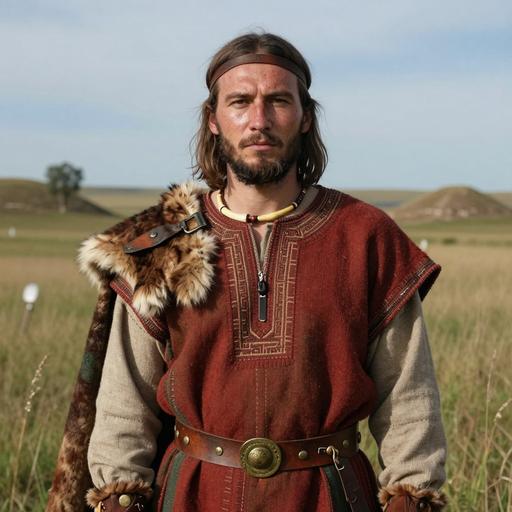
| Individual | Culture/Period | Date | Location | Action |
|---|---|---|---|---|
| IA Sarmatian individual, Kazakhstan | Iron Age Sarmatian, Kazakhstan | 500 BCE | Mangistau Region. Tupkaragan District. Taushyk Village. Aigirly Sanctuary, Kazakhstan | View |
| IA Sarmatian individual, Kazakhstan | Iron Age Sarmatian, Kazakhstan | 500 BCE | Mangistau Region. Tupkaragan District. Taushyk Village. Aigirly Sanctuary, Kazakhstan | View |
| IA Sarmatian individual, Kazakhstan | Iron Age Sarmatian, Kazakhstan | 386 BCE | Mangistau Region. Tupkaragan District. Taushyk Village. Aigirly Sanctuary, Kazakhstan | View |
| IA Sarmatian-4 individual, Kazakhstan | Iron Age Sarmatian, Kazakhstan | 81 CE | Mangistau Region. Tupkaragan District. Taushyk Village. Aigirly Sanctuary, Kazakhstan | View |
| IA Sarmatian individual, Kazakhstan | Iron Age Sarmatian, Kazakhstan | 500 BCE | Mangistau Region. Tupkaragan District. Taushyk Village. Aigirly Sanctuary, Kazakhstan | View |
| EIA Tasmola individual, Kazakhstan | Early Iron Age Tasmola Culture, Kazakhstan | 826 BCE | Central Kazakhstan. Akbeit I. mound 1, Kazakhstan | View |
| Osh IA-o individual, Kyrgyzstan | Iron Age Kyrgyzstan | 248 CE | Osh Province. Alai Valley. Alai/Nura I. II. Tuyuk II Mounds, Kyrgyzstan | View |
| Osh IA individual, Kyrgyzstan | Iron Age Kyrgyzstan | 130 CE | Osh Province. Alai Valley. Alai/Nura I. II. Tuyuk II Mounds, Kyrgyzstan | View |
| Osh IA individual, Kyrgyzstan | Iron Age Kyrgyzstan | 100 CE | Osh Province. Alai Valley. Alai/Nura I. II. Tuyuk II Mounds, Kyrgyzstan | View |
| Osh IA-o individual, Kyrgyzstan | Iron Age Kyrgyzstan | 252 CE | Osh Province. Alai Valley. Alai/Nura I. II. Tuyuk II Mounds, Kyrgyzstan | View |
| Osh IA individual, Kyrgyzstan | Iron Age Kyrgyzstan | 259 CE | Osh Province. Alai Valley. Alai/Nura I. II. Tuyuk II Mounds, Kyrgyzstan | View |
| Osh IA individual, Kyrgyzstan | Iron Age Kyrgyzstan | 749 BCE | Osh Province. Alai Valley. Alai/Nura I. II. Tuyuk II Mounds, Kyrgyzstan | View |
| Osh IA-o individual, Kyrgyzstan | Iron Age Kyrgyzstan | 448 BCE | Osh Province. Alai Valley. Alai/Nura I. II. Tuyuk II Mounds, Kyrgyzstan | View |
| Osh IA individual, Kyrgyzstan | Iron Age Kyrgyzstan | 100 CE | Osh Province. Alai Valley. Alai/Nura I. II. Tuyuk II Mounds, Kyrgyzstan | View |
| Osh IA individual, Kyrgyzstan | Iron Age Kyrgyzstan | 100 CE | Osh Province. Alai Valley. Alai/Nura I. II. Tuyuk II Mounds, Kyrgyzstan | View |
| IA Korgantas-1 individual, Kazakhstan | Iron Age Korgantas 1, Kyrgyzstan | 366 BCE | Central Kazakhstan. Bidayk. mound 5, Kazakhstan | View |
| IA Korgantas-2 individual, Kazakhstan | Iron Age Korgantas 2, Kyrgyzstan | 399 BCE | Central Kazakhstan. Bidayk. mound 1, Kazakhstan | View |
| IA Korgantas-3 individual, Kazakhstan | Iron Age Korgantas 3, Kyrgyzstan | 349 BCE | Central Kazakhstan. Bidayk. mound 3, Kazakhstan | View |
| EIA IA Sargatka individual, Russia | Iron Age Sargat Culture, Russia | 200 BCE | Bashkortostan. Zianchurinsky District. Bogdanovka #228/1, Russia | View |
| EIA IA Sargatka individual, Russia | Iron Age Sargat Culture, Russia | 200 BCE | Bashkortostan. Zianchurinsky District. Bogdanovka #228/2, Russia | View |
| EIA IA Sargatka individual, Russia | Iron Age Sargat Culture, Russia | 200 BCE | Bashkortostan. Zianchurinsky District. Bogdanovka #228/4, Russia | View |
| Nomadic Steppe Cultures individual, Kazakhstan | Early Iron Age Tasmola Culture Birlik, Kazakhstan | 700 BCE | Almaty. Talgar. Birlik, Kazakhstan | View |
| EIA Tasmola individual, Kazakhstan | Early Iron Age Tasmola Culture Birlik, Kazakhstan | 781 BCE | Pavlodar Region. Bayanaul District. Birlik. mound 25, Kazakhstan | View |
| Nomadic Steppe Cultures individual, Kazakhstan | Early Iron Age Tasmola Culture Birlik, Kazakhstan | 776 BCE | Almaty. Talgar. Birlik, Kazakhstan | View |
| Eurasian Steppe individual, Russia | Iron Age Sargat Culture, Russia | 404 BCE | Western Siberia. Bitiya Burial Ground. Bitiya#228/12. mound 1, Russia | View |
| EIA IA Sargatka individual, Russia | Iron Age Sargat Culture, Russia | 300 BCE | Western Siberia. Bitiya Burial Ground. Bitiya#228/14. mound 1, Russia | View |
| EIA IA Sargatka individual, Russia | Iron Age Sargat Culture, Russia | 383 BCE | Western Siberia. Bitiya Burial Ground. Bitiya#228/15. mound 1, Russia | View |
| EIA IA Sargatka individual, Russia | Iron Age Sargat Culture, Russia | 300 BCE | Western Siberia. Bitiya Burial Ground. Bitiya#228/20. mound 3, Russia | View |
| EIA IA Sargatka individual, Russia | Iron Age Sargat Culture, Russia | 300 BCE | Western Siberia. Bitiya Burial Ground. Bitiya#228/21. mound 3, Russia | View |
| EIA IA Sargatka individual, Russia | Iron Age Sargat Culture, Russia | 300 BCE | Western Siberia. Bitiya Burial Ground. Bitiya#228/23. mound 4, Russia | View |
| EIA IA Sargatka individual, Russia | Iron Age Sargat Culture, Russia | 300 BCE | Western Siberia. Bitiya Burial Ground. Bitiya#228/24. mound 4, Russia | View |
| EIA IA Sargatka individual, Russia | Iron Age Sargat Culture, Russia | 300 BCE | Western Siberia. Bitiya Burial Ground. Bitiya#228/25. mound 4, Russia | View |
| EIA IA Sargatka individual, Russia | Iron Age Sargat Culture, Russia | 300 BCE | Western Siberia. Bitiya Burial Ground. Bitiya#228/26. mound 4, Russia | View |
| EIA IA Sargatka individual, Russia | Iron Age Sargat Culture, Russia | 300 BCE | Western Siberia. Bitiya Burial Ground. Bitiya#228/27. mound 4, Russia | View |
| EIA IA Sargatka individual, Russia | Iron Age Sargat Culture, Russia | 396 BCE | Western Siberia. Bitiya Burial Ground. Bitiya#228/31. mound 4, Russia | View |
| EIA Tasmola individual, Kazakhstan | Early Iron Age Tasmola Culture, Kazakhstan | 776 BCE | Central Kazakhstan. Bektauata. mound 1, Kazakhstan | View |
| IA-1 individual, Kazakhstan | Iron Age Kazakhstan | 361 BCE | Central Kazakhstan. Berel Necropolis. mound 5, Kazakhstan | View |
| IA-3 individual, Kazakhstan | Iron Age Kazakhstan | 354 BCE | Central Kazakhstan. Berel Necropolis. mound 44, Kazakhstan | View |
| IA individual, Kazakhstan | Iron Age Kazakhstan | 400 BCE | Central Kazakhstan. Berel Necropolis. object 80A/80E, Kazakhstan | View |
| IA individual, Kazakhstan | Iron Age Kazakhstan | 253 CE | Central Kazakhstan. Berel Necropolis. object 69, Kazakhstan | View |
| IA individual, Kazakhstan | Iron Age Kazakhstan | 32 BCE | Central Kazakhstan. Berel Necropolis. object 80A/80E, Kazakhstan | View |
| IA individual, Kazakhstan | Iron Age Kazakhstan | 400 BCE | Central Kazakhstan. Berel Necropolis. object 67A, Kazakhstan | View |
| IA-2 individual, Kazakhstan | Iron Age Kazakhstan | 234 CE | Central Kazakhstan. Berel Necropolis. object 76, Kazakhstan | View |
| IA-3 individual, Kazakhstan | Iron Age Kazakhstan | 252 CE | Central Kazakhstan. Berel Necropolis. object 90A, Kazakhstan | View |
| IA individual, Kazakhstan | Iron Age Kazakhstan | 35 BCE | Central Kazakhstan. Berel Necropolis. object 105, Kazakhstan | View |
| IA individual, Kazakhstan | Iron Age Kazakhstan | 400 BCE | Central Kazakhstan. Berel Necropolis. object 108A, Kazakhstan | View |
| IA individual, Kazakhstan | Iron Age Kazakhstan | 251 CE | Central Kazakhstan. Berel Necropolis. object 90, Kazakhstan | View |
| IA individual, Kazakhstan | Iron Age Kazakhstan | 35 BCE | Central Kazakhstan. Berel Necropolis. object 76B, Kazakhstan | View |
| IA individual, Kazakhstan | Iron Age Kazakhstan | 132 CE | Central Kazakhstan. Berel Necropolis. object 68. no. 2, Kazakhstan | View |
| IA-3 individual, Kazakhstan | Iron Age Kazakhstan | 250 CE | Central Kazakhstan. Berel Necropolis. object 68. no. 1, Kazakhstan | View |
| IA individual, Kazakhstan | Iron Age Kazakhstan | 200 BCE | Southern Urals. Borovoye Hillfort, Kazakhstan | View |
| IA Sarmatian individual, Kazakhstan | Iron Age Sarmatian, Kazakhstan | 773 BCE | Aktobe Region. Martuk District. Bisoba. mound 3, Kazakhstan | View |
| IA Sarmatian individual, Kazakhstan | Iron Age Sarmatian, Kazakhstan | 500 BCE | Aktobe Region. Martuk District. Bisoba. mound 3, Kazakhstan | View |
| IA Sarmatian individual, Kazakhstan | Iron Age Sarmatian, Kazakhstan | 500 BCE | Aktobe Region. Martuk District. Bisoba. mound 3, Kazakhstan | View |
| IA Sarmatian-3 individual, Kazakhstan | Iron Age Sarmatian, Kazakhstan | 500 BCE | Aktobe Region. Martuk District. Bisoba. mound 8, Kazakhstan | View |
| IA Saka individual, Kyrgyzstan | Iron Age Saka Culture, Kyrgyzstan | 514 BCE | Issyk-Kul Region. Chilpek Village. Chilpek Burial Grounds. mound 2, Kyrgyzstan | View |
| IA Saka individual, Kyrgyzstan | Iron Age Saka Culture, Kyrgyzstan | 750 BCE | Issyk-Kul Region. Chilpek Village. Chilpek Burial Grounds. mound 8, Kyrgyzstan | View |
| IA Saka individual, Kyrgyzstan | Iron Age Saka Culture, Kyrgyzstan | 751 BCE | Issyk-Kul Region. Chilpek Village. Chilpek Burial Grounds. mound 6, Kyrgyzstan | View |
| IA Saka-o individual, Kyrgyzstan | Iron Age Saka Culture, Kyrgyzstan | 709 CE | Issyk-Kul Region. Chilpek Village. Chilpek Burial Grounds. mound 4, Kyrgyzstan | View |
| IA Saka individual, Kyrgyzstan | Iron Age Saka Culture, Kyrgyzstan | 300 BCE | Issyk-Kul Region. Chilpek Village. Chilpek Burial Grounds. mound 7, Kyrgyzstan | View |
| Eurasian Nomadic individual, Kazakhstan | Iron Age Sarmatian, Kazakhstan | 600 BCE | Western Kazakhstan. Chelkar Lake. Chelkar Burial Ground, Kazakhstan | View |
| IA Saka-o individual, Kazakhstan | Iron Age Saka Culture, Kazakhstan | 401 BCE | Almaty Region. Kerbulak District. Kaspan Valley. Kaspan-2. mound 3, Kazakhstan | View |
| Steppe Nomads individual, Kazakhstan | Iron Age Saka Culture, Kazakhstan | 600 BCE | Almaty Region. Kerbulak District. Kaspan Valley. Kaspan-6. mound 1, Kazakhstan | View |
| IA Saka individual, Kazakhstan | Iron Age Saka Culture, Kazakhstan | 1499 BCE | Almaty Region. Kerbulak District. Kaspan Valley. Kaspan-6. mound 4, Kazakhstan | View |
| IA Saka individual, Kazakhstan | Iron Age Saka Culture, Kazakhstan | 600 BCE | Almaty Region. Kerbulak District. Kaspan Valley. Kaspan-6. mound 1, Kazakhstan | View |
| IA Tasmola Saka individual, Kazakhstan | Iron Age Tasmola-Saka Culture, Kazakhstan | 789 BCE | East Kazakhstan Region. Tarbagatai District. Elek Sazy Plateau. Eleke Sazy II. mound 4, Kazakhstan | View |
| IA Tasmola Saka individual, Kazakhstan | Iron Age Tasmola-Saka Culture, Kazakhstan | 770 BCE | East Kazakhstan Region. Tarbagatai District. Elek Sazy Plateau. Eleke Sazy II. mound 9, Kazakhstan | View |
| IA Tasmola Saka individual, Kazakhstan | Iron Age Tasmola-Saka Culture, Kazakhstan | 700 BCE | East Kazakhstan Region. Tarbagatai District. Elek Sazy Plateau. Eleke Sazy II. mound 4, Kazakhstan | View |
| Hunnic Empire individual, Hungary | Iron Age Hun Elite, Hungary | 261 CE | Budapest. Vezér street, Hungary | View |
| IA Korgantas individual, Kazakhstan | Iron Age Korgantas, Kazakhstan | 403 BCE | East Kazakhstan Region. Beskaragai District. Krivinka Village. Karaoba. mound 16, Kazakhstan | View |
| IA Sarmatian individual, Kazakhstan | Iron Age Sarmatian, Kazakhstan | 500 BCE | Western Kazakhstan. Petropavlovka Village. Kaynbulak II. mound 4, Kazakhstan | View |
| IA Sarmatian individual, Kazakhstan | Iron Age Sarmatian, Kazakhstan | 500 BCE | Western Kazakhstan. Petropavlovka Village. Kaynbulak II. mound 4, Kazakhstan | View |
| IA Sarmatian individual, Kazakhstan | Iron Age Sarmatian, Kazakhstan | 500 BCE | Western Kazakhstan. Petropavlovka Village. Kaynbulak II. mound 4, Kazakhstan | View |
| IA Saka individual, Kyrgyzstan | Iron Age Saka Culture, Kyrgyzstan | 356 BCE | Issyk-Kul Region. Ken-Su Village. Ken-Su #551, Kyrgyzstan | View |
| IA Saka individual, Kyrgyzstan | Iron Age Saka Culture, Kyrgyzstan | 540 BCE | Issyk-Kul Region. Ken-Su Village. Ken-Su #651, Kyrgyzstan | View |
| IA Saka individual, Kyrgyzstan | Iron Age Saka Culture, Kyrgyzstan | 400 BCE | Issyk-Kul Region. Ken-Su Village. Ken-Su #556, Kyrgyzstan | View |
| Early Medieval Kudyrge Culture individual, Kazakhstan | Iron Age Sarmatian-Turkic, Kazakhstan | 772 CE | East Kazakhstan. Karakaba River Valley. Karakaba. mound 9, Kazakhstan | View |
| Early Medieval Kudyrge Culture individual, Kazakhstan | Iron Age Sarmatian-Turkic, Kazakhstan | 600 CE | East Kazakhstan. Karakaba River Valley. Karakaba. mound 11, Kazakhstan | View |
| EIA Tasmola individual, Kazakhstan | Early Iron Age Tasmola Culture, Kazakhstan | 700 BCE | Central Kazakhstan. Karakemer. mound 3, Kazakhstan | View |
| Medieval individual, Kazakhstan | Medieval Kazakhstan | 700 CE | Almaty Region. Koylyk Village. Aschy-Bulak River bank. Kayalyk Mausoleum, Kazakhstan | View |
| LIA individual, Kazakhstan | Late Iron Age Kazakhstan | 249 CE | South Kazakhstan. Otrar. Konyrtobe Burial Ground. mound 1, Kazakhstan | View |
| LIA individual, Kazakhstan | Late Iron Age Kazakhstan | 100 CE | South Kazakhstan. Otrar. Konyrtobe Burial Ground. mound 1, Kazakhstan | View |
| LIA individual, Kazakhstan | Late Iron Age Kazakhstan | 100 CE | South Kazakhstan. Otrar. Konyrtobe Burial Ground. mound 1, Kazakhstan | View |
| LIA-o individual, Kazakhstan | Late Iron Age Kazakhstan | 242 CE | South Kazakhstan. Otrar. Konyrtobe Burial Ground. mound 1, Kazakhstan | View |
| LIA-o individual, Kazakhstan | Late Iron Age Kazakhstan | 255 CE | South Kazakhstan. Otrar. Konyrtobe Burial Ground. mound 1, Kazakhstan | View |
| Omsk IA-1 individual, Russia | Iron Age Gorokhov 1, Russia | 400 BCE | Omsk Oblast. Kokonovka. Kokonovka Burial Ground. mound 3, Russia | View |
| Omsk IA-2 individual, Russia | Iron Age Gorokhov 2, Russia | 341 BCE | Omsk Oblast. Kokonovka. Kokonovka Burial Ground. mound 10, Russia | View |
| Omsk IA-3 individual, Russia | Iron Age Gorokhov 3, Russia | 400 BCE | Omsk Oblast. Kokonovka. Kokonovka Burial Ground. mound 11, Russia | View |
| LIA Elite Hun individual, Kazakhstan | Late Iron Age Kazakhstan | 364 CE | Aktobe Region. Kurayly Village. Georgievka Quarry. Kurayly, Kazakhstan | View |
| EIA Tasmola individual, Kazakhstan | Early Iron Age Tasmola Culture, Kazakhstan | 781 BCE | Central Kazakhstan. Karashoky I. mound 1, Kazakhstan | View |
| Steppe Cultures individual, Kazakhstan | Early Iron Age Tasmola Culture, Kazakhstan | 898 BCE | Central Kazakhstan. Karashoky I. mound 8, Kazakhstan | View |
| EIA Tasmola individual, Kazakhstan | Early Iron Age Tasmola Culture, Kazakhstan | 700 BCE | Central Kazakhstan. Karashoky I. mound 6, Kazakhstan | View |
| Steppe Cultures individual, Kazakhstan | Early Iron Age Tasmola Culture, Kazakhstan | 700 BCE | Central Kazakhstan. Karashoky VI. mound 1, Kazakhstan | View |
| IA Sarmatian-1 individual, Kazakhstan | Iron Age Sarmatian, Kazakhstan | 500 BCE | Aqmola Region. Krasnoselsky, Kazakhstan | View |
| EIA Tasmola individual, Kazakhstan | Early Iron Age Tasmola Culture, Kazakhstan | 747 BCE | Pavlodar Region. Bayanaul District. Kyzylshilik. mound 2, Kazakhstan | View |
| EIA Tasmola individual, Kazakhstan | Early Iron Age Tasmola Culture, Kazakhstan | 793 BCE | Pavlodar Region. Bayanaul District. Kyzylshilik. mound 8, Kazakhstan | View |
| EIA Tasmola individual, Kazakhstan | Early Iron Age Tasmola Culture, Kazakhstan | 776 BCE | Karaganda Region. Aktogay District. Mount Begazy on the right bank of Karatal River. Kyzyl. mound 4. left, Kazakhstan | View |
| EIA Tasmola individual, Kazakhstan | Early Iron Age Tasmola Culture, Kazakhstan | 800 BCE | Karaganda Region. Aktogay District. Mount Begazy on the right bank of Karatal River. Kyzyl. mound 4, Kazakhstan | View |
| LBA Tasmola individual, Kazakhstan | Late Bronze Age Tasmola Culture, Kazakhstan | 1436 BCE | Karaganda Region. Aktogay District. Mount Begazy on the right bank of Karatal River. Kyzyl. mound 5, Kazakhstan | View |
| EIA Turkic possible individual, Kazakhstan | Early Iron Age Possible Turkic, Kazakhstan | 700 BCE | East Kazakhstan Region. Katonkaragai District. Mayemer Village. left bank of Narym River. Mayemer II. mound 1, Kazakhstan | View |
| EIA Saka individual, Kazakhstan | Early Iron Age Saka Culture, Kazakhstan | 769 BCE | Almaty Region. Kerbulak District. Kaspan Valley. Kaspan-2. mound 3, Kazakhstan | View |
| EIA Tasmola individual, Kazakhstan | Early Iron Age Tasmola Culture, Kazakhstan | 778 BCE | Central Kazakhstan. Nurken Village. Nurken II. mound 1, Kazakhstan | View |
| IA-2 individual, Kazakhstan | Iron Age Sarmatian, Kazakhstan | 600 BCE | Aktobe Region. Alginskiy District. Ilek River Basin. Sapibulak. mound 7, Kazakhstan | View |
| IA individual, Kazakhstan | Iron Age Sarmatian, Kazakhstan | 375 BCE | Aktobe Region. Wil Village. Wil River bank. Segizsay. mound 1, Kazakhstan | View |
| IA individual, Kazakhstan | Iron Age Sarmatian, Kazakhstan | 500 BCE | Aktobe Region. Wil Village. Wil River bank. Segizsay. mound 2, Kazakhstan | View |
| Kurgan EIA IA individual, Russia | Iron Age Sargat Culture, Russia | 500 BCE | Kurgan. Shadrinsky District. Shadrinsk Burial Ground. mound 3, Russia | View |
| Kurgan EIA IA individual, Russia | Iron Age Sargat Culture, Russia | 500 BCE | Kurgan. Shadrinsky District. Shadrinsk Burial Ground. mound 6, Russia | View |
| Kurgan EIA IA individual, Russia | Iron Age Sargat Culture, Russia | 401 BCE | Kurgan. Ketovsky District. Shmakovo Village. Shmakovo Burial Ground. mound 1, Russia | View |
| Kurgan EIA IA individual, Russia | Iron Age Sargat Culture, Russia | 400 BCE | Kurgan. Ketovsky District. Shmakovo Village. Shmakovo Burial Ground. mound 2, Russia | View |
| EIA individual, Kazakhstan | Early Iron Age Tasmola Culture, Kazakhstan | 800 BCE | Central Kazakhstan. Serekty II. mound 6, Kazakhstan | View |
| EIA Tasmola individual, Kazakhstan | Early Iron Age Tasmola Culture, Kazakhstan | 700 BCE | Central Kazakhstan. Nurken Village. Taldy II. mound 4, Kazakhstan | View |
| Steppe Cultures individual, Kazakhstan | Early Iron Age Tasmola Culture, Kazakhstan | 802 BCE | Central Kazakhstan. Nurken Village. Taldy II. mound 5, Kazakhstan | View |
| EIA Tasmola individual, Kazakhstan | Early Iron Age Tasmola Culture, Kazakhstan | 789 BCE | Central Kazakhstan. Nurken Village. Taldy II. mound 8, Kazakhstan | View |
| Eurasian Steppe individual, Russia | Iron Age Sargat Culture, Russia | 500 BCE | Kurgan. Shadrinsky District. Vorobievo I. mound 2, Russia | View |
| EIA Tasmola individual, Kazakhstan | Early Iron Age Tasmola Culture, Kazakhstan | 755 BCE | Central Kazakhstan. Kurgan 37 Warriors. mound 11, Kazakhstan | View |
| Saka individual, Kazakhstan | 807 BCE | Almaty Region. Kerbulak District. Kaspan Valley. Kaspan-6. mound 1, Kazakhstan | View | |
| Sargat individual, Russia | 500 BCE | Kurgan. Shadrinsky District. Vorobievo I. mound 2, Russia | View |
Page 1
| Individual | Culture/Period | Date | Location | Action |
|---|---|---|---|---|
| EIA IA Sargatka individual, Russia | Iron Age Sargat Culture, Russia | 200 BCE | Bashkortostan. Zianchurinsky District. Bogdanovka #228/1, Russia | View |
| EIA IA Sargatka individual, Russia | Iron Age Sargat Culture, Russia | 200 BCE | Bashkortostan. Zianchurinsky District. Bogdanovka #228/2, Russia | View |
| EIA IA Sargatka individual, Russia | Iron Age Sargat Culture, Russia | 200 BCE | Bashkortostan. Zianchurinsky District. Bogdanovka #228/4, Russia | View |
| Eurasian Steppe individual, Russia | Iron Age Sargat Culture, Russia | 404 BCE | Western Siberia. Bitiya Burial Ground. Bitiya#228/12. mound 1, Russia | View |
| EIA IA Sargatka individual, Russia | Iron Age Sargat Culture, Russia | 300 BCE | Western Siberia. Bitiya Burial Ground. Bitiya#228/14. mound 1, Russia | View |
| EIA IA Sargatka individual, Russia | Iron Age Sargat Culture, Russia | 383 BCE | Western Siberia. Bitiya Burial Ground. Bitiya#228/15. mound 1, Russia | View |
| EIA IA Sargatka individual, Russia | Iron Age Sargat Culture, Russia | 300 BCE | Western Siberia. Bitiya Burial Ground. Bitiya#228/20. mound 3, Russia | View |
| EIA IA Sargatka individual, Russia | Iron Age Sargat Culture, Russia | 300 BCE | Western Siberia. Bitiya Burial Ground. Bitiya#228/21. mound 3, Russia | View |
| EIA IA Sargatka individual, Russia | Iron Age Sargat Culture, Russia | 300 BCE | Western Siberia. Bitiya Burial Ground. Bitiya#228/23. mound 4, Russia | View |
| EIA IA Sargatka individual, Russia | Iron Age Sargat Culture, Russia | 300 BCE | Western Siberia. Bitiya Burial Ground. Bitiya#228/24. mound 4, Russia | View |
| EIA IA Sargatka individual, Russia | Iron Age Sargat Culture, Russia | 300 BCE | Western Siberia. Bitiya Burial Ground. Bitiya#228/25. mound 4, Russia | View |
| EIA IA Sargatka individual, Russia | Iron Age Sargat Culture, Russia | 300 BCE | Western Siberia. Bitiya Burial Ground. Bitiya#228/26. mound 4, Russia | View |
| EIA IA Sargatka individual, Russia | Iron Age Sargat Culture, Russia | 300 BCE | Western Siberia. Bitiya Burial Ground. Bitiya#228/27. mound 4, Russia | View |
| EIA IA Sargatka individual, Russia | Iron Age Sargat Culture, Russia | 396 BCE | Western Siberia. Bitiya Burial Ground. Bitiya#228/31. mound 4, Russia | View |
| Kurgan EIA IA individual, Russia | Iron Age Sargat Culture, Russia | 500 BCE | Kurgan. Shadrinsky District. Shadrinsk Burial Ground. mound 3, Russia | View |
| Kurgan EIA IA individual, Russia | Iron Age Sargat Culture, Russia | 500 BCE | Kurgan. Shadrinsky District. Shadrinsk Burial Ground. mound 6, Russia | View |
| Kurgan EIA IA individual, Russia | Iron Age Sargat Culture, Russia | 401 BCE | Kurgan. Ketovsky District. Shmakovo Village. Shmakovo Burial Ground. mound 1, Russia | View |
| Kurgan EIA IA individual, Russia | Iron Age Sargat Culture, Russia | 400 BCE | Kurgan. Ketovsky District. Shmakovo Village. Shmakovo Burial Ground. mound 2, Russia | View |
| Eurasian Steppe individual, Russia | Iron Age Sargat Culture, Russia | 500 BCE | Kurgan. Shadrinsky District. Vorobievo I. mound 2, Russia | View |
Page 1