


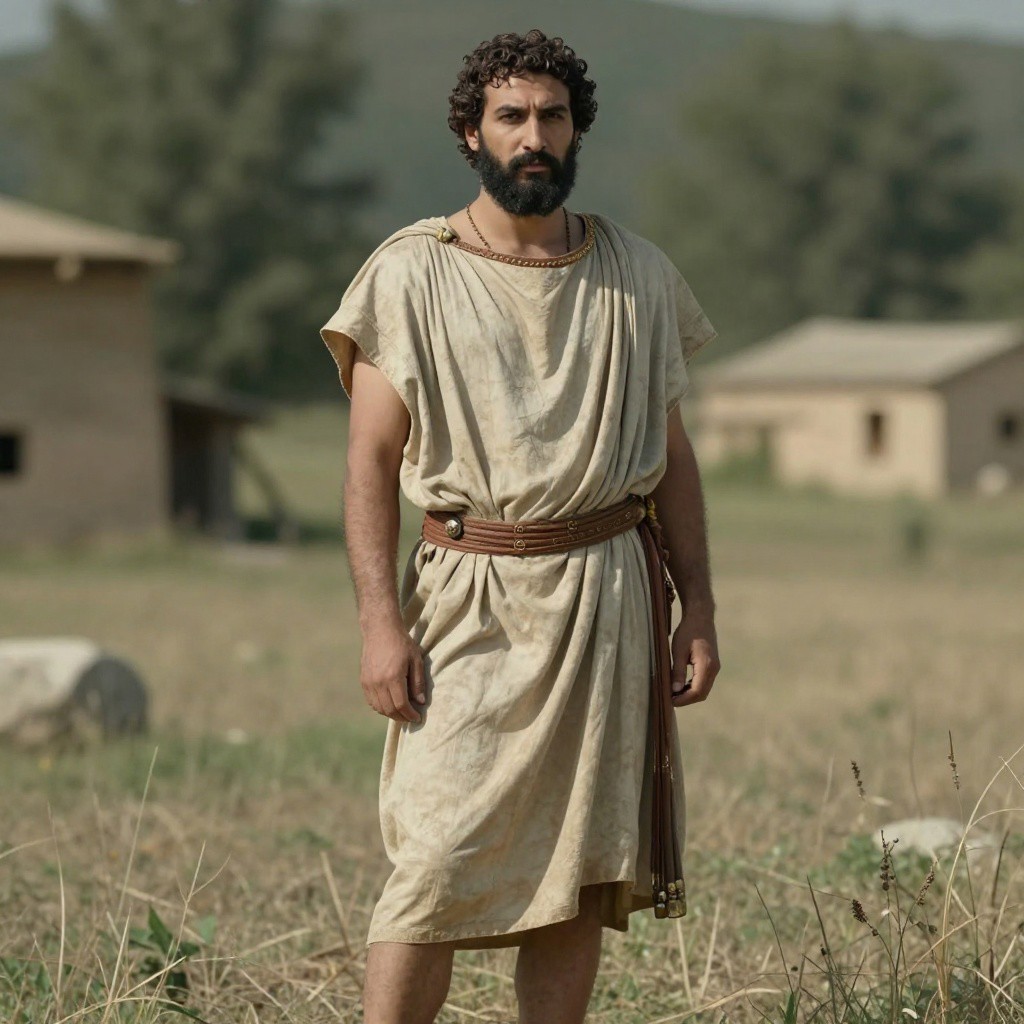
| Individual | Culture/Period | Date | Location | Action |
|---|---|---|---|---|
| Hellenistic-o individual, Turkey | 308 BCE | Octagon (Ephesos), Turkey | View |
Page 1
| Individual | Culture/Period | Date | Location | Action |
|---|---|---|---|---|
| Ancient-1 individual, Turkey | Hellenistic Turkey | 512 BCE | Halikarnassos (Aegean. Bodrum. Yokuşbaşı), Turkey | View |
| Ancient-3 individual, Turkey | Hellenistic Turkey | 323 BCE | Halikarnassos (Aegean. Bodrum. Yokuşbaşı), Turkey | View |
| Ancient-1 individual, Turkey | Hellenistic Turkey | 323 BCE | Halikarnassos (Aegean. Bodrum. Yokuşbaşı), Turkey | View |
| Ancient-1 individual, Turkey | Hellenistic Turkey | 323 BCE | Halikarnassos (Aegean. Bodrum. Yokuşbaşı), Turkey | View |
| Ancient-1 individual, Turkey | Hellenistic Turkey | 323 BCE | Halikarnassos (Aegean. Bodrum. Yokuşbaşı), Turkey | View |
| Ancient individual, Turkey | Hellenistic Turkey | 323 BCE | Gordion (Central. Ankara), Turkey | View |
| Ancient-1 individual, Turkey | Hellenistic Turkey | 323 BCE | Cedit. Basarabya (Black Sea. Samsun. llkadım), Turkey | View |
| Ancient-1 individual, Turkey | Hellenistic Turkey | 340 BCE | Zafer. Azman (Black Sea. Samsun. Tekkeköy), Turkey | View |
| Ancient individual, Turkey | Hellenistic Turkey | 355 BCE | Aktaş Mevki (Southeast. Mardin. Midyat), Turkey | View |
| Ancient individual, Turkey | Hellenistic Turkey | 323 BCE | Gordion (Central. Ankara), Turkey | View |
| Imperial Roman individual, Turkey | Hellenistic Turkey | 323 BCE | Gordion (Central. Ankara), Turkey | View |
| Ancient individual, Turkey | Hellenistic Turkey | 323 BCE | Gordion (Central. Ankara), Turkey | View |
| Hellenic Civilization individual, Turkey | Hellenistic Turkey | 193 BCE | Büyüklü (Black Sea. Samsun. Tekkeköy. Mahmatlı), Turkey | View |
| Ancient individual, Turkey | Hellenistic Turkey | 500 BCE | Halikarnassos (Aegean. Bodrum. Yokuşbaşı), Turkey | View |
| Ancient-2 individual, Turkey | Hellenistic Turkey | 361 BCE | Halikarnassos (Aegean. Bodrum. Yokuşbaşı), Turkey | View |
| Ancient-2 individual, Turkey | Hellenistic Turkey | 323 BCE | Cedit. Basarabya (Black Sea. Samsun. llkadım), Turkey | View |
| Hellenic Civilization individual, Turkey | Hellenistic Turkey | 335 BCE | Kalehöyük, Turkey | View |
| Hellenic Civilization individual, Turkey | Hellenistic Turkey | 335 BCE | Kalehöyük, Turkey | View |
| Hellenistic-o individual, Turkey | 308 BCE | Octagon (Ephesos), Turkey | View |
Page 1