


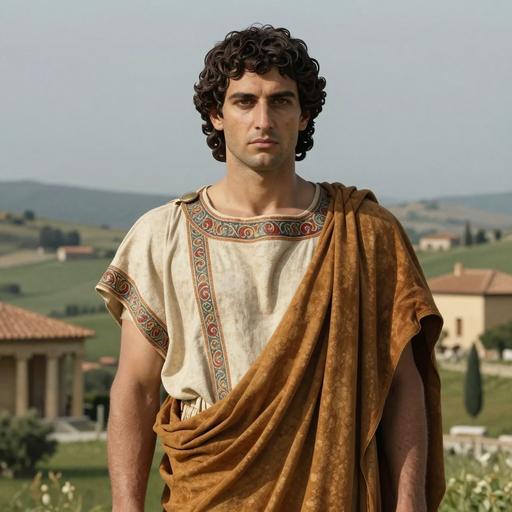
| Individual | Culture/Period | Date | Location | Action |
|---|---|---|---|---|
| Roman Empire individual, Italy | Basilicata Venosa Culture | 650-800 CE | Basilicata. Potenza. Venosa, Italy | View |
| Basilicata Late Antiquity Roman-o individual, Italy | Basilicata Venosa Culture | 650-800 CE | Basilicata. Potenza. Venosa, Italy | View |
| Basilicata Late Antiquity Roman individual, Italy | Basilicata Venosa Culture | 600-800 CE | Basilicata. Potenza. Venosa, Italy | View |
| Basilicata Late Antiquity Roman individual, Italy | Basilicata Venosa Culture | 600-800 CE | Basilicata. Potenza. Venosa, Italy | View |
| Basilicata Late Antiquity Roman individual, Italy | Basilicata Venosa Culture | 600-800 CE | Basilicata. Potenza. Venosa, Italy | View |
| Basilicata Late Antiquity Roman individual, Italy | Basilicata Venosa Culture | 600-800 CE | Basilicata. Potenza. Venosa, Italy | View |
| Basilicata Late Antiquity Roman individual, Italy | Basilicata Venosa Culture | 600-800 CE | Basilicata. Potenza. Venosa, Italy | View |
| Basilicata individual, Italy | Basilicata Venosa Culture | 600-800 CE | Basilicata. Potenza. Venosa, Italy | View |
| Basilicata Late Antiquity Roman individual, Italy | Basilicata Venosa Culture | 600-800 CE | Basilicata. Potenza. Venosa, Italy | View |
| Basilicata Late Antiquity Roman individual, Italy | Basilicata Venosa Culture | 600-800 CE | Basilicata. Potenza. Venosa, Italy | View |
| Basilicata Late Antiquity Roman individual, Italy | Basilicata Venosa Culture | 600-800 CE | Basilicata. Potenza. Venosa, Italy | View |
| Basilicata Late Antiquity Roman individual, Italy | Basilicata Venosa Culture | 600-800 CE | Basilicata. Potenza. Venosa, Italy | View |
| Basilicata Late Antiquity Roman individual, Italy | Basilicata Venosa Culture | 600-800 CE | Basilicata. Potenza. Venosa, Italy | View |
| Basilicata Late Antiquity Roman individual, Italy | Basilicata Venosa Culture | 600-800 CE | Basilicata. Potenza. Venosa, Italy | View |
| Basilicata Late Antiquity Roman individual, Italy | Basilicata Venosa Culture | 600-800 CE | Basilicata. Potenza. Venosa, Italy | View |
| Basilicata Late Antiquity Roman individual, Italy | Basilicata Venosa Culture | 600-800 CE | Basilicata. Potenza. Venosa, Italy | View |
| Lazio Early Medieval individual, Italy | Early Medieval Viterbo, Lazio, Italy | 771-950 CE | Lazio. Viterbo. Tarquinia, Italy | View |
| Lazio Early Medieval individual, Italy | Early Medieval Viterbo, Lazio, Italy | 895-1,028 CE | Lazio. Viterbo. Tarquinia, Italy | View |
| Lazio Early Medieval individual, Italy | Early Medieval Viterbo, Lazio, Italy | 893-1,022 CE | Lazio. Viterbo. Tarquinia, Italy | View |
| Lazio Early Medieval individual, Italy | Early Medieval Viterbo, Lazio, Italy | 1,023-1,156 CE | Lazio. Viterbo. Tarquinia, Italy | View |
| Lazio IA a Etruscan individual, Italy | Etruscan Italy | 99 BCE-72 CE | Lazio. Viterbo. Tarquinia, Italy | View |
| Lazio IA IA d Etruscan individual, Italy | Etruscan Italy | 400-1 BCE | Lazio. Viterbo. Tarquinia, Italy | View |
| Lazio IA IA d Etruscan individual, Italy | Etruscan Italy | 400-1 BCE | Lazio. Viterbo. Tarquinia, Italy | View |
| Lazio IA Etruscan individual, Italy | Etruscan Italy | 391-204 BCE | Lazio. Viterbo. Tarquinia, Italy | View |
| Lazio IA IA d Etruscan individual, Italy | Etruscan Italy | 400-1 BCE | Lazio. Viterbo. Tarquinia, Italy | View |
| Lazio IA IA d Etruscan individual, Italy | Etruscan Italy | 400-1 BCE | Lazio. Viterbo. Tarquinia, Italy | View |
| Lazio IA IA d Etruscan individual, Italy | Etruscan Italy | 400-1 BCE | Lazio. Viterbo. Tarquinia, Italy | View |
| Lazio IA IA d Etruscan individual, Italy | Etruscan Italy | 400-1 BCE | Lazio. Viterbo. Tarquinia, Italy | View |
| Lazio IA IA d Etruscan individual, Italy | Etruscan Italy | 343-49 BCE | Lazio. Viterbo. Tarquinia, Italy | View |
| Lazio IA IA d Etruscan individual, Italy | Etruscan Italy | 400-1 BCE | Lazio. Viterbo. Tarquinia, Italy | View |
| Lazio IA IA d Etruscan individual, Italy | Etruscan Italy | 358-56 BCE | Lazio. Viterbo. Tarquinia, Italy | View |
| Lazio IA Etruscan individual, Italy | Etruscan Italy | 396-209 BCE | Lazio. Viterbo. Tarquinia, Italy | View |
| Lazio IA IA d Etruscan individual, Italy | Etruscan Italy | 354-57 BCE | Lazio. Viterbo. Tarquinia, Italy | View |
| Lazio IA IA d Etruscan individual, Italy | Etruscan Italy | 400-50 BCE | Lazio. Viterbo. Tarquinia, Italy | View |
| Lazio IA IA d Etruscan individual, Italy | Etruscan Italy | 400-1 BCE | Lazio. Viterbo. Tarquinia, Italy | View |
| Lazio IA IA d Etruscan individual, Italy | Etruscan Italy | 400-50 BCE | Lazio. Viterbo. Tarquinia, Italy | View |
| Lazio IA IA d Etruscan individual, Italy | Etruscan Italy | 400-1 BCE | Lazio. Viterbo. Tarquinia, Italy | View |
| Lazio Imperial Roman Roman individual, Italy | Imperial Lazio Viterbo, Italy | 128-243 CE | Lazio. Viterbo. Tarquinia, Italy | View |
| Lazio Late Antiquity Roman individual, Italy | Imperial Lazio Viterbo, Italy | 258-530 CE | Lazio. Viterbo. Tarquinia, Italy | View |
| Tuscany Early Medieval individual, Italy | Early Medieval Grosseto, Tuscany, Italy | 772-972 CE | Tuscany. Grosseto. Poggio Pelliccia, Italy | View |
| Tuscany IA b IA Etruscan individual, Italy | Etruscan Grosseto, Italy | 600-200 BCE | Tuscany. Grosseto. Casenovole, Italy | View |
| Tuscany IA Etruscan individual, Italy | Etruscan Grosseto, Italy | 384-201 BCE | Tuscany. Grosseto. Casenovole, Italy | View |
| Tuscany IA b IA Etruscan individual, Italy | Etruscan Grosseto, Italy | 600-200 BCE | Tuscany. Grosseto. Casenovole, Italy | View |
| Tuscany IA b IA Etruscan individual, Italy | Etruscan Grosseto, Italy | 600-200 BCE | Tuscany. Grosseto. Casenovole, Italy | View |
| Tuscany IA b Etruscan individual, Italy | Etruscan Grosseto, Italy | 539-391 BCE | Tuscany. Grosseto. Casenovole, Italy | View |
| Tuscany IA b IA Etruscan individual, Italy | Etruscan Grosseto, Italy | 600-200 BCE | Tuscany. Grosseto. Casenovole, Italy | View |
| Tuscany IA b IA Etruscan individual, Italy | Etruscan Grosseto, Italy | 600-200 BCE | Tuscany. Grosseto. Casenovole, Italy | View |
| Tuscany IA b IA Etruscan individual, Italy | Etruscan Grosseto, Italy | 450-300 BCE | Tuscany. Grosseto. Casenovole, Italy | View |
| Tuscany IA b IA Etruscan individual, Italy | Etruscan Grosseto, Italy | 395-209 BCE | Tuscany. Grosseto. Casenovole, Italy | View |
| Tuscany IA b IA Etruscan individual, Italy | Etruscan Grosseto, Italy | 600-200 BCE | Tuscany. Grosseto. Casenovole, Italy | View |
| Tuscany Etruscan individual, Italy | Etruscan Grosseto, Italy | 788-549 BCE | Tuscany. Grosseto. Magliano in Toscana, Italy | View |
| Etruscan Civilization individual, Italy | Etruscan Grosseto, Italy | 348-56 BCE | Tuscany. Grosseto. Marsiliana d'Albegna, Italy | View |
| Tuscany IA a IA b Etruscan individual, Italy | Etruscan Grosseto, Italy | 805-567 BCE | Tuscany. Grosseto. Marsiliana d'Albegna, Italy | View |
| Tuscany IA a IA b Etruscan individual, Italy | Etruscan Grosseto, Italy | 750-406 BCE | Tuscany. Grosseto. Vetulonia, Italy | View |
| Tuscany IA a IA b Etruscan individual, Italy | Etruscan Grosseto, Italy | 786-549 BCE | Tuscany. Grosseto. Vetulonia, Italy | View |
| Tuscany IA a IA b Etruscan individual, Italy | Etruscan Grosseto, Italy | 804-591 BCE | Tuscany. Grosseto. Vetulonia, Italy | View |
| Tuscany IA Etruscan-o Steppe individual, Italy | Etruscan Grosseto, Italy | 373-198 BCE | Tuscany. Grosseto. Vetulonia, Italy | View |
| Tuscany IA IA d Etruscan-o East Mediterranean individual, Italy | Etruscan Grosseto, Italy | 361-175 BCE | Tuscany. Grosseto. Vetulonia, Italy | View |
| Tuscany IA a IA b Etruscan individual, Italy | Etruscan Grosseto, Italy | 806-595 BCE | Tuscany. Grosseto. Vetulonia, Italy | View |
| Tuscany IA Etruscan-o East Mediterranean individual, Italy | Etruscan Grosseto, Italy | 384-197 BCE | Tuscany. Grosseto. Vetulonia, Italy | View |
| Tuscany IA a IA b Etruscan individual, Italy | Etruscan Grosseto, Italy | 780-545 BCE | Tuscany. Grosseto. Vetulonia, Italy | View |
| Tuscany IA a IA b Etruscan individual, Italy | Etruscan Grosseto, Italy | 750-413 BCE | Tuscany. Grosseto. Vetulonia, Italy | View |
| Tuscany IA a IA b Etruscan individual, Italy | Etruscan Grosseto, Italy | 786-549 BCE | Tuscany. Grosseto. Vetulonia, Italy | View |
| Tuscany IA b IA Etruscan-o Steppe individual, Italy | Etruscan Grosseto, Italy | 459-235 BCE | Tuscany. Grosseto. Casenovole, Italy | View |
| Tuscany IA Etruscan-o Steppe individual, Italy | Etruscan Grosseto, Italy | 400-200 BCE | Tuscany. Grosseto. Casenovole, Italy | View |
| Tuscany Late Antiquity Imperial Roman Roman individual, Italy | Imperial Tuscany Grosseto, Italy | 245-381 CE | Tuscany. Grosseto. Marsiliana d'Albegna, Italy | View |
| Tuscany IA d Etruscan individual, Italy | Etruscan Pisa, Italy | 195-50 BCE | Tuscany. Pisa. Volterra, Italy | View |
| Tuscany Early Medieval individual, Italy | Early Medieval Siena, Tuscany, Italy | 997-1,153 CE | Tuscany. Siena. Chiusi, Italy | View |
| Tuscany Early Medieval individual, Italy | Early Medieval Siena, Tuscany, Italy | 700-1,200 CE | Tuscany. Siena. Chiusi, Italy | View |
| Tuscany Early Medieval individual, Italy | Early Medieval Siena, Tuscany, Italy | 773-888 CE | Tuscany. Siena. Chiusi, Italy | View |
| Tuscany Early Medieval individual, Italy | Early Medieval Siena, Tuscany, Italy | 772-957 CE | Tuscany. Siena. Chiusi, Italy | View |
| Tuscany Early Medieval individual, Italy | Early Medieval Siena, Tuscany, Italy | 700-1,200 CE | Tuscany. Siena. Chiusi, Italy | View |
| Tuscany Early Medieval individual, Italy | Early Medieval Siena, Tuscany, Italy | 700-1,200 CE | Tuscany. Siena. Chiusi, Italy | View |
| Tuscany Early Medieval individual, Italy | Early Medieval Siena, Tuscany, Italy | 896-1,023 CE | Tuscany. Siena. Chiusi, Italy | View |
| Tuscany Early Medieval individual, Italy | Early Medieval Siena, Tuscany, Italy | 987-1,030 CE | Tuscany. Siena. Chiusi, Italy | View |
| Tuscany IA a IA b Etruscan individual, Italy | Etruscan Siena, Italy | 775-544 BCE | Tuscany. Siena. Campiglia dei Foci, Italy | View |
| Tuscany IA a IA b Etruscan individual, Italy | Etruscan Siena, Italy | 770-520 BCE | Tuscany. Siena. Campiglia dei Foci, Italy | View |
| Tuscany IA a IA b Etruscan individual, Italy | Etruscan Siena, Italy | 773-542 BCE | Tuscany. Siena. Campiglia dei Foci, Italy | View |
| Tuscany IA a Etruscan individual, Italy | Etruscan Siena, Italy | 805-773 BCE | Tuscany. Siena. Chiusi, Italy | View |
| Tuscany IA a IA b Etruscan individual, Italy | Etruscan Siena, Italy | 791-544 BCE | Tuscany. Siena. Poggio Renzo, Italy | View |
| Tuscany IA a IA b Etruscan individual, Italy | Etruscan Siena, Italy | 772-477 BCE | Tuscany. Siena. Poggio Renzo, Italy | View |
Page 1
| Individual | Culture/Period | Date | Location | Action |
|---|---|---|---|---|
| Lazio IA a Etruscan individual, Italy | Etruscan Italy | 99 BCE-72 CE | Lazio. Viterbo. Tarquinia, Italy | View |
| Lazio IA IA d Etruscan individual, Italy | Etruscan Italy | 400-1 BCE | Lazio. Viterbo. Tarquinia, Italy | View |
| Lazio IA IA d Etruscan individual, Italy | Etruscan Italy | 400-1 BCE | Lazio. Viterbo. Tarquinia, Italy | View |
| Lazio IA Etruscan individual, Italy | Etruscan Italy | 391-204 BCE | Lazio. Viterbo. Tarquinia, Italy | View |
| Lazio IA IA d Etruscan individual, Italy | Etruscan Italy | 400-1 BCE | Lazio. Viterbo. Tarquinia, Italy | View |
| Lazio IA IA d Etruscan individual, Italy | Etruscan Italy | 400-1 BCE | Lazio. Viterbo. Tarquinia, Italy | View |
| Lazio IA IA d Etruscan individual, Italy | Etruscan Italy | 400-1 BCE | Lazio. Viterbo. Tarquinia, Italy | View |
| Lazio IA IA d Etruscan individual, Italy | Etruscan Italy | 400-1 BCE | Lazio. Viterbo. Tarquinia, Italy | View |
| Lazio IA IA d Etruscan individual, Italy | Etruscan Italy | 343-49 BCE | Lazio. Viterbo. Tarquinia, Italy | View |
| Lazio IA IA d Etruscan individual, Italy | Etruscan Italy | 400-1 BCE | Lazio. Viterbo. Tarquinia, Italy | View |
| Lazio IA IA d Etruscan individual, Italy | Etruscan Italy | 358-56 BCE | Lazio. Viterbo. Tarquinia, Italy | View |
| Lazio IA Etruscan individual, Italy | Etruscan Italy | 396-209 BCE | Lazio. Viterbo. Tarquinia, Italy | View |
| Lazio IA IA d Etruscan individual, Italy | Etruscan Italy | 354-57 BCE | Lazio. Viterbo. Tarquinia, Italy | View |
| Lazio IA IA d Etruscan individual, Italy | Etruscan Italy | 400-50 BCE | Lazio. Viterbo. Tarquinia, Italy | View |
| Lazio IA IA d Etruscan individual, Italy | Etruscan Italy | 400-1 BCE | Lazio. Viterbo. Tarquinia, Italy | View |
| Lazio IA IA d Etruscan individual, Italy | Etruscan Italy | 400-50 BCE | Lazio. Viterbo. Tarquinia, Italy | View |
| Lazio IA IA d Etruscan individual, Italy | Etruscan Italy | 400-1 BCE | Lazio. Viterbo. Tarquinia, Italy | View |
Page 1