


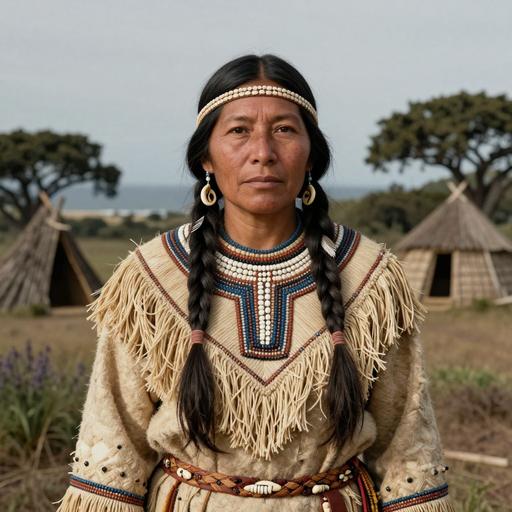
| Individual | Culture/Period | Date | Location | Action |
|---|---|---|---|---|
| Mesoamerican individual, Mexico | Pre-Classic Mesoamerican | 1000 BCE | Coyote Cave (Coahuila, Torreón), Mexico | View |
| Great Basin individual, Mexico | Coyote Cave Culture | 904 CE | Coyote Cave (Coahuila, Torreón), Mexico | View |
| Olmec individual, Mexico | San Lorenzo Olmec | 1229 CE | San Lorenzo Cave (Coahuila, Torreón), Mexico | View |
| California Late Holocene Chumash Barbareno individual, USA | Barbareno Chumash | 1301 CE | CA-SRI-2B (California, Santa Rosa Island, Skull Gulch), USA | View |
| California Late Holocene Chumash Barbareno individual, USA | Barbareno Chumash | 1262 CE | CA-SRI-2B (California, Santa Rosa Island, Skull Gulch), USA | View |
| California Late Holocene Chumash Barbareno individual, USA | Barbareno Chumash | 1277 CE | CA-SRI-2B (California, Santa Rosa Island, Skull Gulch), USA | View |
| California individual, USA | Santa Rosa Island Native American Culture | 1391 BCE | CA-SRI-41 (California, Santa Rosa Island, Cañada Verde Dunes), USA | View |
| California individual, USA | Santa Rosa Island Native American Culture | 3621 BCE | CA-SRI-3 (California, Santa Rosa Island, Tecolote Point), USA | View |
| California individual, USA | Santa Rosa Island Culture | 5982 BCE | CA-SRI-3 (California, Santa Rosa Island, Tecolote Point), USA | View |
| California individual, USA | Santa Rosa Island Culture | 5477 BCE | CA-SRI-3 (California, Santa Rosa Island, Tecolote Point), USA | View |
| California individual, USA | Santa Rosa Island Culture | 5835 BCE | CA-SRI-3 (California, Santa Rosa Island, Tecolote Point), USA | View |
| California individual, USA | Santa Rosa Island Native American Culture | 3339 BCE | CA-SRI-3 (California, Santa Rosa Island, Tecolote Point), USA | View |
| California individual, USA | Santa Rosa Island Native American Culture | 1450 BCE | CA-SRI-41 (California, Santa Rosa Island, Cañada Verde Dunes), USA | View |
| California individual, USA | Santa Rosa Island Native American Culture | 1450 BCE | CA-SRI-41 (California, Santa Rosa Island, Cañada Verde Dunes), USA | View |
| California individual, USA | Santa Rosa Island Native American Culture | 1447 BCE | CA-SRI-41 (California, Santa Rosa Island, Cañada Verde Dunes), USA | View |
| California individual, USA | Santa Rosa Island Native American Culture | 1260 BCE | CA-SRI-41 (California, Santa Rosa Island, Cañada Verde Dunes), USA | View |
| California Late Holocene Chumash Barbareno individual, USA | Barbareno Chumash | 1250 CE | CA-SRI-2B (California, Santa Rosa Island, Skull Gulch), USA | View |
| California Late Holocene Chumash Barbareno individual, USA | Barbareno Chumash | 1250 CE | CA-SRI-2B (California, Santa Rosa Island, Skull Gulch), USA | View |
| Tayopa individual, Mexico | Tayopa Culture | 500 CE | Tayopa (Sonora, Sahuaripa), Mexico | View |
| Tayopa individual, Mexico | Tayopa Culture | 500 CE | Tayopa (Sonora, Sahuaripa), Mexico | View |
| Tayopa individual, Mexico | Tayopa Culture | 500 CE | Tayopa (Sonora, Sahuaripa), Mexico | View |
| Tayopa individual, Mexico | Tayopa Culture | 500 CE | Tayopa (Sonora, Sahuaripa), Mexico | View |
| Tayopa individual, Mexico | Tayopa Culture | 500 CE | Tayopa (Sonora, Sahuaripa), Mexico | View |
| Tayopa individual, Mexico | Tayopa Culture | 500 CE | Tayopa (Sonora, Sahuaripa), Mexico | View |
| Opata individual, Mexico | Tayopa Culture | 500 CE | Tayopa (Sonora, Sahuaripa), Mexico | View |
| Tradicion Trincheras individual, Mexico | Trincheras Culture La Playa 600 Before Present | 1200 CE | La Playa (Sonora, Trincheras), Mexico | View |
| Tradicion Trincheras individual, Mexico | Trincheras Culture La Playa 600 Before Present | 1200 CE | La Playa (Sonora, Trincheras), Mexico | View |
| Tradicion Trincheras individual, Mexico | Trincheras Culture La Playa 600 Before Present | 1200 CE | La Playa (Sonora, Trincheras), Mexico | View |
| California individual, USA | Ohlone (Costanoan) Culture | 3476 BCE | Pacific Grove (California), USA | View |
| California individual, USA | Native American San Clemente Island Culture | 1000 CE | San Clemente Island (California, Los Angeles County), USA | View |
| California individual, USA | Native American San Clemente Island Culture | 1000 CE | San Clemente Island (California, Los Angeles County), USA | View |
| California individual, USA | Native American San Clemente Island Culture | 1157 CE | San Clemente Island (California, Los Angeles County), USA | View |
| California individual, USA | Native American San Clemente Island Culture | 1000 CE | San Clemente Island (California, Los Angeles County), USA | View |
| California individual, USA | Native American San Clemente Island Culture | 1000 CE | San Clemente Island (California, Los Angeles County), USA | View |
| California individual, USA | Native American San Clemente Island Culture | 1000 CE | San Clemente Island (California, Los Angeles County), USA | View |
| California individual, USA | Native American San Clemente Island Culture | 1000 CE | San Clemente Island (California, Los Angeles County), USA | View |
| California individual, USA | Native American San Clemente Island Culture | 1053 CE | San Clemente Island (California, Los Angeles County), USA | View |
| California individual, USA | Native American (Ohlone/Costanoan) | 988 CE | Castroville (California), USA | View |
| California individual, USA | Ohlone (Rumsen) Culture | 897 CE | Monterey (California), USA | View |
| California individual, USA | Chumash Culture | 2191 BCE | CA-SBA-1 (California, Carpinteria, Rincon), USA | View |
| California individual, USA | Chumash | 896 CE | CA-SBA-17 (California, Carpinteria, Shalwaj), USA | View |
| California individual, USA | Chumash | 992 CE | CA-SBA-17 (California, Carpinteria, Shalwaj), USA | View |
| California individual, USA | Chumash | 432 CE | CA-SBA-28 (California, Santa Barbara, Burton Mound), USA | View |
| California individual, USA | Chumash Culture | 2907 BCE | CA-SBA-52 (California, Goleta, Campbell No. 2), USA | View |
| California individual, USA | Chumash Culture | 5250 BCE | CA-SBA-7 (California, Carpinteria, Mishopshnow), USA | View |
| California individual, USA | Chumash Culture | 5250 BCE | CA-SBA-7 (California, Carpinteria, Mishopshnow), USA | View |
| California individual, USA | Chumash Culture | 700 CE | CA-SBA-72 (California, Goleta, Tecolote No. 1), USA | View |
| California individual, USA | Chumash Culture | 428 CE | CA-SBA-73 (California, Goleta, Tecolote No. 2), USA | View |
| California individual, USA | Chumash Culture | 805 BCE | CA-SBA-81 (California, Santa Barbara County, Las Llagas No. 1), USA | View |
| California individual, USA | Native American Culture of Carmel | 1302 CE | Carmel (California), USA | View |
| California individual, USA | Santa Rosa Island Culture | 5726 BCE | CA-SRI-3 (California, Santa Rosa Island, Tecolote Point), USA | View |
| California individual, USA | Santa Rosa Island Culture | 5724 BCE | CA-SRI-3 (California, Santa Rosa Island, Tecolote Point), USA | View |
| California individual, USA | Chumash Culture | 433 CE | CA-VEN-61 (California, Ojai, Soule Park), USA | View |
| California individual, USA | Santa Rosa Island Native American Culture | 1614 BCE | CA-SRI-5A (California, Santa Rosa Island, Survey Point), USA | View |
| California individual, USA | Santa Rosa Island Native American Culture | 1607 BCE | CA-SRI-5A (California, Santa Rosa Island, Survey Point), USA | View |
| California individual, USA | Chumash Culture | 400 CE | CA-VEN-61 (California, Ojai, Soule Park), USA | View |
| Mogollon individual, Mexico | Cueva de los Muertos Chiquitos | 100 CE | Cueva DeLos Muertos Chiquitos (Rio Zape), Mexico | View |
| Mogollon individual, Mexico | Cueva de los Muertos Chiquitos | 706 CE | Cueva DeLos Muertos Chiquitos (Rio Zape), Mexico | View |
| Mogollon individual, Mexico | Cueva de los Muertos Chiquitos | 100 CE | Cueva DeLos Muertos Chiquitos (Rio Zape), Mexico | View |
| Mogollon individual, Mexico | Cueva de los Muertos Chiquitos | 100 CE | Cueva DeLos Muertos Chiquitos (Rio Zape), Mexico | View |
| Mogollon individual, Mexico | Cueva de los Muertos Chiquitos | 650 CE | Cueva DeLos Muertos Chiquitos (Rio Zape), Mexico | View |
| Mogollon individual, Mexico | Cueva de los Muertos Chiquitos | 887 CE | Cueva DeLos Muertos Chiquitos (Rio Zape), Mexico | View |
| Mogollon individual, Mexico | Cueva de los Muertos Chiquitos | 709 CE | Cueva DeLos Muertos Chiquitos (Rio Zape), Mexico | View |
| Mogollon individual, Mexico | Cueva de los Muertos Chiquitos | 773 CE | Cueva DeLos Muertos Chiquitos (Rio Zape), Mexico | View |
| Mogollon individual, Mexico | Cueva de los Muertos Chiquitos | 131 CE | Cueva DeLos Muertos Chiquitos (Rio Zape), Mexico | View |
| California individual, USA | Chumash Culture | 3000 BCE | Santa Barbara (California), USA | View |
| California individual, USA | Chumash Culture | 950 CE | Santa Barbara (California), USA | View |
| California individual, USA | Native American Coastal California | 1377 BCE | Paradise Cove (California, Malibu), USA | View |
| California individual, USA | Native American Coastal California | 1890 BCE | Paradise Cove (California, Malibu), USA | View |
| Chumash individual, USA | Native American Coastal California | 2000 BCE | Paradise Cove (California, Malibu), USA | View |
| Chumash individual, USA | Native American Coastal California | 2000 BCE | Paradise Cove (California, Malibu), USA | View |
| California individual, USA | Chumash Culture | 5213 BCE | CA-SBA-7 (California, Carpinteria, Mishopshnow), USA | View |
| California individual, USA | Native American Culture of Calaveras County (500 CE) | 381 CE | Calveras County (California, Central California), USA | View |
| California individual, USA | Native American Culture of Calaveras County | 1300 CE | Calveras County (California, Central California), USA | View |
| California individual, USA | Native American Culture of Calaveras County | 1300 CE | Calveras County (California, Central California), USA | View |
| California individual, USA | Native American Culture of Calaveras County | 1296 CE | Calveras County (California, Central California), USA | View |
| California individual, USA | Native American Culture of Calaveras County | 1300 CE | Calveras County (California, Central California), USA | View |
| California individual, USA | Native American Culture of Calaveras County | 1300 CE | Calveras County (California, Central California), USA | View |
| California individual, USA | Native American Culture of Calaveras County | 1300 CE | Calveras County (California, Central California), USA | View |
| California individual, USA | Chumash Culture | 5213 BCE | CA-SBA-7 (California, Carpinteria, Mishopshnow), USA | View |
| California individual, USA | Chumash Culture | 5250 BCE | CA-SBA-7 (California, Carpinteria, Mishopshnow), USA | View |
| California individual, USA | Chumash Culture | 1400 BCE | Santa Barbara (California), USA | View |
| California individual, USA | Chumash Culture | 3000 BCE | CA-SBA-52 (California, Goleta, Campbell No. 2), USA | View |
| Tayopa individual, Mexico | Tayopa Culture | 500 CE | Tayopa Site #62 (Sonora, Sahuaripa), Mexico | View |
| Tayopa individual, Mexico | Tayopa (Mexico) | 500 CE | Tayopa Site #60 (Sonora, Sahuaripa), Mexico | View |
| Tayopa individual, Mexico | Tayopa Culture | 500 CE | Tayopa Site #60 (Sonora, Sahuaripa), Mexico | View |
| Tayopa individual, Mexico | Tayopa Culture | 500 CE | Tayopa Site #63 (Sonora, Sahuaripa), Mexico | View |
| Tayopa individual, Mexico | Tayopa Culture | 500 CE | Tayopa Site #63 (Sonora, Sahuaripa), Mexico | View |
| Tayopa individual, Mexico | Tayopa Culture | 500 CE | Tayopa Site #63 (Sonora, Sahuaripa), Mexico | View |
| Tradicion Trincheras individual, Mexico | Trincheras Culture La Playa 550 Before Present | 1311 CE | La Playa (Sonora, Cerro Trincheras, Terraza B9), Mexico | View |
| California Chumash Barbareno individual, USA | Chumash Culture | 800 CE | CA-SBA-46A (California, Goleta, Mescalitan Island), USA | View |
| California Chumash Barbareno individual, USA | Chumash Culture | 800 CE | CA-SBA-46A (California, Goleta, Mescalitan Island), USA | View |
| California Chumash Barbareno individual, USA | Chumash Culture | 800 CE | CA-SBA-46A (California, Goleta, Mescalitan Island), USA | View |
| Tradicion Trincheras individual, Mexico | Trincheras Culture La Playa 1900 Before Present | 15 CE | La Playa (Sonora), Mexico | View |
| Tradicion Trincheras individual, Mexico | Trincheras Culture La Playa 2800 Before Present | 906 BCE | La Playa (Sonora), Mexico | View |
| Tradicion Trincheras individual, Mexico | Trincheras Culture La Playa 600 Before Present | 1305 CE | La Playa (Sonora, Cerro Trincheras, Terraza B2), Mexico | View |
| Tradicion Trincheras individual, Mexico | Trincheras Culture La Playa 1100 Before Present | 1300 CE | La Playa (Sonora, Cerro Trincheras, Terraza B6), Mexico | View |
| Tradicion Trincheras individual, Mexico | Trincheras Culture La Playa 600 Before Present | 1285 CE | La Playa (Sonora, Cerro Trincheras, Terraza B7), Mexico | View |
| Tradicion Trincheras individual, Mexico | Trincheras Culture La Playa 900 Before Present | 994 CE | La Playa (Sonora, Cerro Trincheras, Terraza B11), Mexico | View |
| Tradicion Trincheras individual, Mexico | Trincheras Culture La Playa 600 Before Present | 1200 CE | La Playa (Sonora, Cerro Trincheras, Terraza B4), Mexico | View |
| Chumash individual, USA | Chumash Culture | 41 BCE | CA-SBA-52 (California, Goleta, Campbell No. 2), USA | View |
| Chumash individual, USA | Chumash Culture | 2918 BCE | CA-SBA-52 (California, Goleta, Campbell No. 2), USA | View |
| California individual, USA | Chumash Culture | 5216 BCE | CA-SBA-7 (California, Carpinteria, Mishopshnow), USA | View |
| Mogollon individual, Mexico | Cueva de los Muertos Chiquitos | 100 CE | Cueva DeLos Muertos Chiquitos (Rio Zape), Mexico | View |
| Tradicion Trincheras individual, Mexico | Trincheras Culture La Playa 2500 Before Present | 823 BCE | La Playa (Sonora), Mexico | View |
| Tradicion Trincheras individual, Mexico | Trincheras Culture La Playa 600 Before Present | 1325 CE | La Playa (Sonora, Cerro Trincheras, Terraza B8), Mexico | View |
Page 1
| Individual | Culture/Period | Date | Location | Action |
|---|---|---|---|---|
| California individual, USA | Native American (Ohlone/Costanoan) | 988 CE | Castroville (California), USA | View |
Page 1