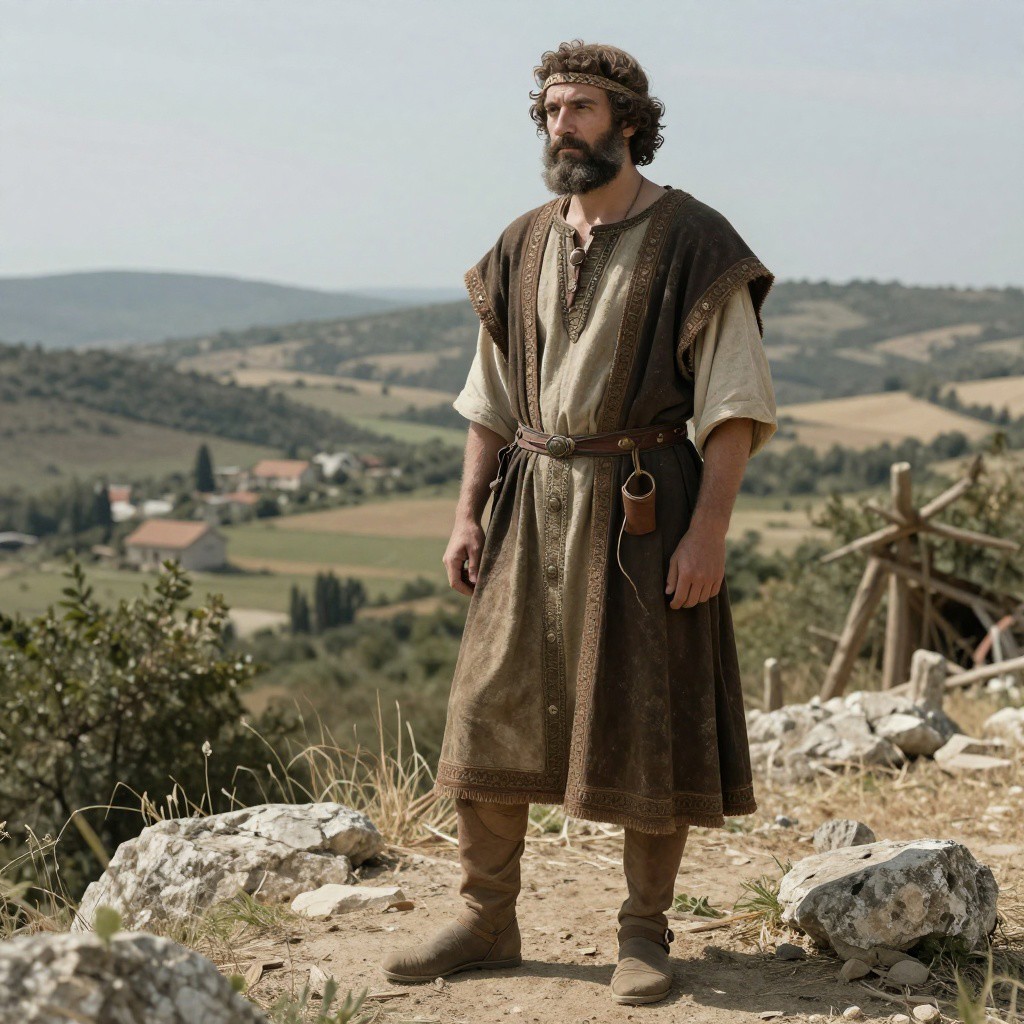
Overview
The Middle Bronze Age in Croatia—here associated with the Cetina region—captures a period when local communities were expanding production and linking their material culture to broader Adriatic and Central Balkan exchange.
Region & Environment
The Cetina region lies in a Mediterranean-influenced part of the western Balkans, where limestone karst landscapes create caves, springs, and narrow river valleys. Travel and communication were often channelled by river corridors and coastal access routes, supporting both upland pasturing and lowland or valley cultivation.
Historical Context
Across the Middle Bronze Age, many parts of the Adriatic and interior Balkans experienced shifts in settlement organization, wealth display, and the movement of prestige goods. In this framework, the Cetina-associated horizon reflects participation in wider Bronze Age networks, where bronze items and raw materials circulated and were locally reworked.
Populations & Lifeways
Populations were likely organized in small communities that combined agriculture with herding, using arable pockets and grazing areas created by the valley system and uplands. Household production would have included weaving and ceramic manufacture, while craft specialists or workshop activity is suggested by the presence of bronze working debris and finished metal objects.
Archaeology & Material Culture
Material culture includes ceramics typical of Bronze Age traditions in the region, alongside metalwork—especially bronze objects—that often serve as key chronological and exchange indicators. Settlement remains and cemeteries (where present) help track changes in building practices, site planning, and mortuary display. The overall pattern suggests growing investment in durable objects and in the technologies required to acquire and cast bronze.
Culture & Society
The Cetina Middle Bronze Age horizon likely involved community-level identities expressed through shared ceramic styles, burial practices, and metal fashions. Access to metal sources and the ability to commission or produce bronze would have shaped social differentiation, with some households better able to obtain imported or high-status items.
Legacy & Transition
As the Bronze Age progressed, regional traditions continued to develop while responding to new connections and influences. The transition beyond the Middle Bronze Age is best understood through archaeological shifts in assemblages—particularly changes in ceramic typology and metal styles—rather than through any single documented historical event.