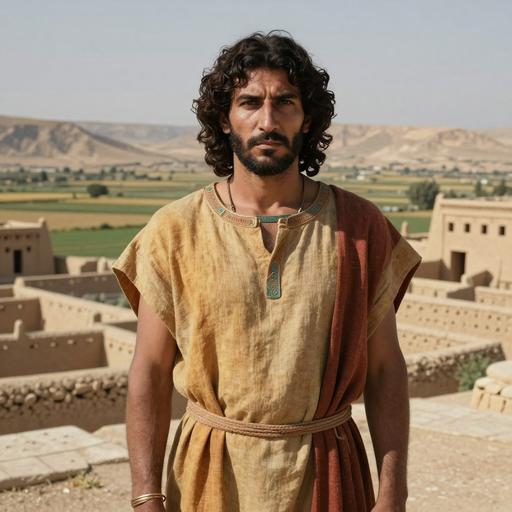
Tell Atchana, also known as ancient Alalakh, is an archaeological site located in the Hatay region of modern-day Turkey. It offers a rich tapestry of cultural and historical data from the Middle to Late Bronze Age (circa 1900–1200 BCE) in the Near East. Its excavation has provided significant insights into the social, political, and economic facets of the era.
Historical Background
Tell Atchana was an important urban center in the kingdom of Mukish, playing a crucial role in the network of city-states and empires in the ancient Near East. Alalakh is referenced in various historical texts, including the famous Amarna letters, which highlight its strategic importance and interactions with neighboring states, such as Mitanni, Egypt, and the Hittites. The site's occupation spans several centuries, making it instrumental in understanding the transitions between the Middle and Late Bronze Ages.
Archaeological Findings
Architecture: The site features elaborate palatial structures, which demonstrate advanced architectural techniques and a complex hierarchical society. Key structures include the Royal Palace of the Late Bronze Age with its multiple rooms, throne room, and administrative areas. The construction methods reveal influences and connections with contemporary cultures, particularly those in Mesopotamia and Anatolia.
Artifacts: A wealth of artifacts has been recovered, including pottery, tools, weapons, and luxury goods. The pottery styles show both local and foreign influences, reflecting trade relations and cultural exchanges. Metal objects, especially those made from bronze, underscore the technological advancements of the period.
Tablets and Writing: Among the most significant finds are the cuneiform tablets, which provide a glimpse into the administrative and economic workings of the city. They include legal texts, trade agreements, and diplomatic correspondence, offering invaluable insights into the bureaucratic sophistication and literacy levels of the time.
Economy and Trade
Tell Atchana was a hub of economic activity, facilitated by its location along key trade routes. The economy was bolstered by agriculture, animal husbandry, and the production of goods like textiles. Furthermore, the site was integral in the trade of tin and copper, critical components for bronze-making. This extensive trade network connected Alalakh with regions as far as Egypt, the Aegean, and Mesopotamia.
Society and Culture
The society of Tell Atchana was stratified, with a ruling elite overseeing a diverse population that included merchants, artisans, and farmers. The culture was characterized by a rich tradition of art and craftsmanship, reflected in the intricately designed pottery and metalwork. Religious practices during this period were polytheistic, with various deities worshipped in local temples.
Political Landscape
Tell Atchana's political landscape was marked by its interactions and alliances with surrounding powers. Throughout its history, the city faced numerous sieges and military campaigns, reflecting the turbulent nature of the period. The fluctuating dominance of powers like the Hittites and Mitanni influenced the city's political status and autonomy.
Decline and Legacy
The decline of Tell Atchana coincided with the widespread upheavals around the Late Bronze Age collapse, a time marked by the fall of several major civilizations in the Eastern Mediterranean. Factors contributing to the decline likely included invasions, economic disruptions, and possibly environmental changes.
Despite its eventual downfall, the legacy of Tell Atchana endures through its contributions to our understanding of Bronze Age civilization in the Near East. The findings from Tell Atchana continue to shed light on the complexities of ancient societies and their interconnected worlds.