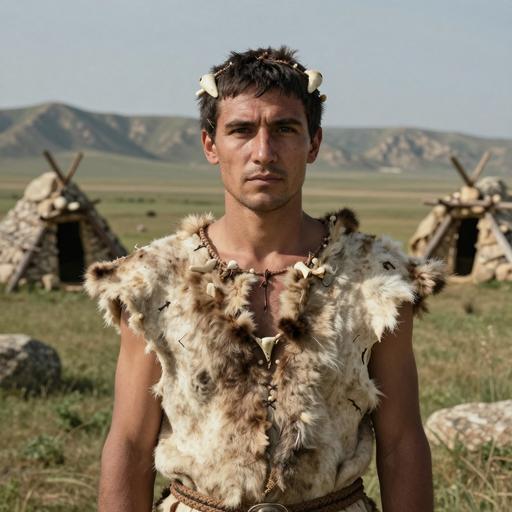
The Eastern Upper Paleolithic period at Buran-Kaya, located in the Crimean Peninsula, represents a fascinating chapter in prehistoric anthropology and archaeology. The archaeological site of Buran-Kaya, which consists of several rock shelters, has yielded a wealth of information about the Late Upper Paleolithic period, particularly during the time frame between approximately 28,000 and 18,000 years ago. This era is notable for exhibiting complex human behaviors and advanced tool-making techniques that underscore the adaptability and cultural sophistication of Homo sapiens during this time.
Geography and Environment
Buran-Kaya is situated in the Crimean Mountains, which form a part of the northern foothills of the peninsula, offering a diverse and rich environment. The climatic conditions during the Upper Paleolithic were variable due to the fluctuations of the last Ice Age. During colder periods, the landscape was likely dominated by steppe and tundra environments, while warmer interglacial periods might have seen forests encroach on the region. This variety would have significantly influenced human subsistence strategies, providing a mixture of large game hunting and foraging opportunities.
Cultural Characteristics
Tool-Making
One of the defining features of this era at Buran-Kaya is the advanced lithic technology. The tool assemblages from the site show a sophisticated mastery of stone, bone, and antler materials. The inhabitants of Buran-Kaya utilized what is known as the Gravettian tool technology, characterized by the production of small, pointed blades and microliths. These tools demonstrate an increased efficiency in hunting tactics and versatility in usage, serving as projectiles and in processing animal hides.
Art and Symbolism
Although direct evidence of artistic expression at Buran-Kaya is limited compared to sites like Lascaux or Altamira, the presence of engraved stones and bone objects suggests an appreciation for symbolic representation. These artifacts hint at spiritual or cultural beliefs, underscoring the cognitive development of these early modern humans.
Subsistence and Diet
The inhabitants of Buran-Kaya practiced a mixed subsistence strategy that was highly adaptable to the changing environments of the Upper Paleolithic. They primarily focused on hunting large fauna such as mammoths, bison, horses, and reindeer. Evidence from faunal remains suggests that these early humans were skilled hunters, capable of coordinating group hunts. Additionally, they likely gathered plant resources, berries, and nuts, supplementing their diet with seasonal vegetation when available.
Social Structure and Living Arrangements
The evidence from Buran-Kaya suggests that these societies were organized in small, mobile groups or bands, which is typical of hunter-gatherer societies. The rock shelters provided ideal temporary habitation during different seasons or as base camps from which hunting and gathering activities were coordinated. The spatial organization within these shelters indicates a degree of social complexity, with dedicated areas for tool-making, food processing, and communal activities.
Archaeological Significance
The Eastern Upper Paleolithic site of Buran-Kaya provides insight into the technological and adaptive strategies of Upper Paleolithic humans in Eastern Europe. The well-preserved archaeological layers have allowed for detailed analysis of temporal changes in material culture, offering a chronological framework for understanding human activity in the region. Studies of human remains found at the site contribute to our knowledge of the physical characteristics, health, and even genetic makeup of these prehistoric communities.
Conclusion
The Buran-Kaya site represents a critical point in the study of human evolution and prehistoric culture. Through advanced tool-making, strategic subsistence practices, and early forms of artistic expression, the inhabitants of this region demonstrated remarkable adaptability and cultural sophistication. This era offers a window into the lives of our ancestors, highlighting their resilience and ingenuity in facing the challenges of a variable Ice Age environment. The ongoing research and discoveries at Buran-Kaya continue to enrich our understanding of human prehistory during the Eastern Upper Paleolithic.