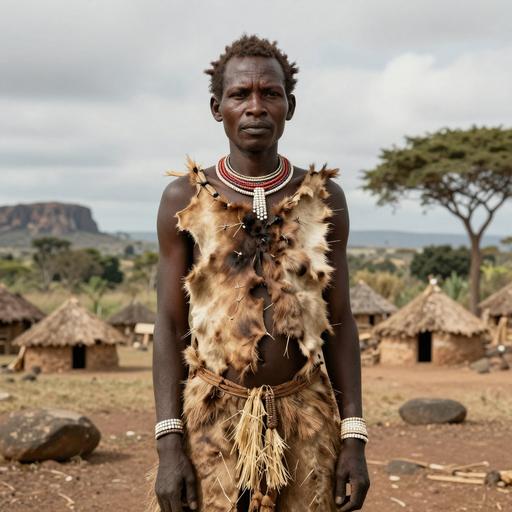
The Late Stone Age (LSA) in Malawi, specifically around 6000 Before Present (BP), represents a dynamic period characterized by significant cultural and technological transformations. This era predates the arrival of Bantu-speaking peoples, who migrated into the region much later, bringing with them agricultural practices and new societal structures. The period around 6000 BP in Malawi was marked by the presence of hunter-gatherer communities with distinct cultural attributes.
Environment and Climate
Around 6000 BP, the climatic conditions in Malawi were relatively stable following the upheavals of the African Humid Period. The environment was characterized by a mosaic of woodlands, grasslands, and patches of open savannah. Lake Malawi and its surrounding rivers and wetlands provided abundant water sources and supported diverse ecosystems. These rich environments were crucial for the hunter-gatherer communities, providing ample resources for sustenance.
Subsistence Strategies
The inhabitants of Late Stone Age Malawi around 6000 BP primarily engaged in hunting and gathering. This period was marked by a reliance on the rich natural resources like fish, large and small game, fruits, nuts, and tubers. Evidence suggests the use of advanced hunting techniques and tools such as microlithic stone tools, which were effective in hunting and processing game. Fishing was also likely a prominent activity, given the proximity to Lake Malawi and other bodies of water.
Technology and Tools
The technological hallmark of the LSA in Malawi during this period was the microlithic toolkit. These stone tools were generally small, finely crafted, and included blades, scrapers, and points. The use of bone and wood for tool-making was also prevalent, though these materials are less likely to survive in the archaeological record. The production of these tools indicates advanced knowledge of raw materials and sophisticated craftsmanship.
Social Structure and Cultural Practices
The social structure of LSA communities in Malawi was likely organized around small, mobile family groups or bands. These groups were probably egalitarian, with leadership roles being temporary and based on skills such as hunting or tool-making. Social gatherings and exchanges likely occurred, providing opportunities for cultural transmission and inter-group communication.
Artistic expression during this time might have included rock art, though direct evidence from Malawi during this specific era is sparse. However, comparative studies with neighboring regions suggest that symbolic communication through art and decorations played a role in these societies.
Interaction and Trade
Although largely self-sufficient, Late Stone Age communities in Malawi likely engaged in trade and interaction with neighboring groups, exchanging goods like stone tools, pigments, or other valuable items. Such interactions would have facilitated the spread of ideas and technologies, contributing to the cultural dynamism of the region.
Transition and Legacy
This period set the stage for later transitions in Malawi. While Bantu-speaking peoples would arrive much later, the foundations laid by LSA communities, in terms of tool-making, resource utilization, and social organization, would have influenced subsequent cultures. The Bantu migrations, which began around 2000 years ago, introduced new agricultural practices and iron-working technologies, blending with the existing hunter-gatherer traditions to create a diverse cultural landscape.
The Late Stone Age of Malawi around 6000 BP reflects a resilient and adaptive culture, capable of thriving in diverse environments while developing sophisticated tools and social networks. This era is a testament to human ingenuity and adaptability, providing a crucial chapter in the prehistoric narrative of southeastern Africa.