


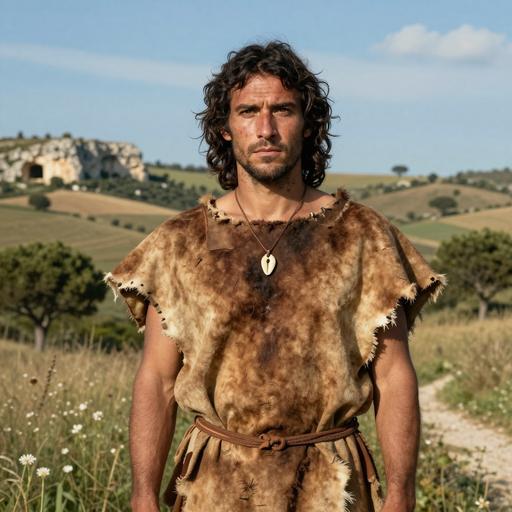
| Individual | Culture/Period | Date | Location | Action |
|---|---|---|---|---|
| Paleolithic individual, France | Rochedane Site, France | 11,207-10,955 BCE | Rochedane, France | View |
| Kostenki UP individual, Russia | Kostenki 12 Site, Russia | 31,300-30,100 BCE | Kostenki, Russia | View |
| Czechia Gravettian individual, Czech Republic | Vestonice 16 Site, Czech Republic | 28,500-27,200 BCE | Dolni Vestonice, Czech Republic | View |
| Paleolithic individual, Russia | Kostenki 14 Site, Russia | 37,426-34,726 BCE | Kostenki, Russia | View |
| Czechia Gravettian individual, Czech Republic | Pavlov 1 Site, Czech Republic | 29,300-27,500 BCE | Dolni Vestonice, Czech Republic | View |
| UP individual, Romania | Peștera Muierii Site, Romania | 32,735-32,181 BCE | Muierii 2, Romania | View |
| Czechia Gravettian individual, Czech Republic | Vestonice 13 Site, Czech Republic | 29,200-28,500 BCE | Dolni Vestonice, Czech Republic | View |
| European Paleolithic individual, Czech Republic | Vestonice 15 Site, Czech Republic | 29,200-28,500 BCE | Dolni Vestonice, Czech Republic | View |
| Czechia Gravettian individual, Czech Republic | Vestonice 43 Site, Czech Republic | 28,500-27,200 BCE | Dolni Vestonice, Czech Republic | View |
| Apulia Gravettian individual, Italy | Ostuni 2 Hunter-Gatherer, Southern Italy | 27,546-26,837 BCE | Apulia. Ostuni, Italy | View |
| Apulia Gravettian individual, Italy | Ostuni 1 Hunter-Gatherer, Southern Italy | 25,860-25,426 BCE | Apulia. Ostuni, Italy | View |
| Czechia Gravettian individual, Czech Republic | Vestonice 14 Site, Czech Republic | 29,196-28,917 BCE | Dolni Vestonice, Czech Republic | View |
| Magdalenian individual, Spain | El Mirón Cave, Spain | 16,898-16,747 BCE | El Miron, Spain | View |
| European Paleolithic individual, Austria | Krems-Wachtberg 3 Site, Austria | 29,500-28,500 BCE | Krems-Wachtberg, Austria | View |
| Paleolithic Cultures of Siberia individual, Russia | Afontova Gora 3 Site, Russia | 16,257-15,905 BCE | Afontova Gora, Russia | View |
| Paleolithic individual, Romania | Cioclovina Cave, Romania | 31,343-30,064 BCE | Cioclovina, Romania | View |
| European Paleolithic individual, Italy | Villabruna Hunter-Gatherer, Northern Italy | 12,268-11,851 BCE | Veneto. Villabruna, Italy | View |
| Paleolithic European individual, Italy | Paglicci 133 Hunter-Gatherer, Southern Italy | 33,150-29,250 BCE | Apulia. Paglicci, Italy | View |
| Mediterranean Hunter-Gatherers individual, Italy | Southern Italy Hunter-Gatherer | 9,300-8,550 BCE | Abruzzo. Grotta de Continenza, Italy | View |
| Paleolithic European individual, Italy | Paglicci 108 Hunter-Gatherer, Southern Italy | 26,700-25,200 BCE | Apulia. Paglicci, Italy | View |
| Aurignacian individual, Germany | Hohle Fels 49 Site, Germany | 13,771-13,317 BCE | Swabian Jura. Baden-Wurttemberg. Hohle Fels. Ach Valley, Germany | View |
| Paleolithic individual, Germany | Burkhardtshohle Cave, Germany | 13,127-12,211 BCE | Swabian Jura. Baden-Wurttemberg. Burkhardtshöhle. Westerheim, Germany | View |
| Western European Hunter-Gatherers individual, Germany | Bockstein Cave, Germany | 6,450-6,060 BCE | Swabian Jura. Baden-Wurttemberg. Bockstein-Höhle. Lone valley, Germany | View |
| Paleolithic individual, Germany | Brillenhohle Cave, Germany | 13,167-12,525 BCE | Swabian Jura. Baden-Wurttemberg. Brillenhöhle. Ach Valley, Germany | View |
| Aurignacian individual, Germany | Hohle Fels 79 Site, Germany | 13,101-12,356 BCE | Swabian Jura. Baden-Wurttemberg. Hohle Fels. Ach Valley, Germany | View |
| European Hunter-Gatherers individual, Germany | Ofnet Caves, Germany | 6,472-6,091 BCE | Ofnet, Germany | View |
| Western European Hunter-Gatherers individual, France | Ranchot 88 Site, France | 8,290-7,968 BCE | Ranchot, France | View |
| Western European Hunter-Gatherers individual, France | Chaudardes Site, France | 6,400-6,086 BCE | Chaudardes, France | View |
| Western European Hunter-Gatherers individual, France | Berry-au-Bac Site, France | 5,368-5,216 BCE | Berry Au Bac, France | View |
| Paleolithic individual, France | Rigney 1 Site, France | 13,696-13,321 BCE | Rigney, France | View |
| European Paleolithic individual, France | Iboussieres 39 Site, France | 9,992-9,456 BCE | Aven des Iboussières à Malataverne. Rhône-Alpes, France | View |
| Western European Hunter-Gatherers individual, France | Les Closeaux 13 Site, France | 8,282-7,608 BCE | Les Closeaux, France | View |
| European Paleolithic individual, Belgium | Upper Paleolithic Goyet Cave Q116-1, Belgium | 33,678-32,771 BCE | Troisieme caverne of Goyet cave, Belgium | View |
| European Paleolithic individual, Belgium | Upper Paleolithic Goyet Cave Q376-19, Belgium | 25,771-25,348 BCE | Troisieme caverne of Goyet cave, Belgium | View |
| European Paleolithic individual, Belgium | Upper Paleolithic Goyet Cave Q53-1, Belgium | 26,440-25,823 BCE | Troisieme caverne of Goyet cave, Belgium | View |
| European Paleolithic individual, Belgium | Upper Paleolithic Goyet Cave Q56-16, Belgium | 24,847-24,025 BCE | Troisieme caverne of Goyet cave, Belgium | View |
| Palaeolithic Gravettian individual, Italy | 26,700-25,200 BCE | Apulia. Paglicci, Italy | View | |
| Palaeolithic Gravettian individual, Belgium | 26,440-25,823 BCE | Troisieme caverne of Goyet cave, Belgium | View | |
| Palaeolithic Gravettian individual, Belgium | 24,847-24,025 BCE | Troisieme caverne of Goyet cave, Belgium | View | |
| Palaeolithic Magdalenian individual, France | 13,696-13,321 BCE | Rigney, France | View | |
| Palaeolithic Magdalenian individual, Germany | 13,127-12,211 BCE | Swabian Jura. Baden-Wurttemberg. Burkhardtshöhle. Westerheim, Germany | View | |
| Palaeolithic France individual, France | 9,992-9,456 BCE | Aven des Iboussières à Malataverne. Rhône-Alpes, France | View | |
| Palaeolithic Epigravettian individual, Italy | 9,300-8,550 BCE | Abruzzo. Grotta de Continenza, Italy | View | |
| Afontovagora individual, Russia | 16,257-15,905 BCE | Afontova Gora, Russia | View | |
| Palaeolithic Magdalenian individual, Belgium | 13,305-12,976 BCE | Troisieme caverne of Goyet cave, Belgium | View | |
| Palaeolithic Gravettian individual, Belgium | 33,678-32,771 BCE | Troisieme caverne of Goyet cave, Belgium | View | |
| Ceu Lm individual, Germany | 6,472-6,091 BCE | Ofnet, Germany | View | |
| France Hg individual, France | 8,282-7,608 BCE | Les Closeaux, France | View | |
| Palaeolithic Magdalenian individual, Germany | 13,101-12,356 BCE | Swabian Jura. Baden-Wurttemberg. Hohle Fels. Ach Valley, Germany | View | |
| Palaeolithic Gravettian individual, Romania | 31,343-30,064 BCE | Cioclovina, Romania | View | |
| Palaeolithic Magdalenian individual, Germany | 13,167-12,525 BCE | Swabian Jura. Baden-Wurttemberg. Brillenhöhle. Ach Valley, Germany | View | |
| Ceu Lm individual, Germany | 6,450-6,060 BCE | Swabian Jura. Baden-Wurttemberg. Bockstein-Höhle. Lone valley, Germany | View | |
| Palaeolithic Gravettian individual, Belgium | 25,771-25,348 BCE | Troisieme caverne of Goyet cave, Belgium | View | |
| Palaeolithic Magdalenian individual, Germany | 13,771-13,317 BCE | Swabian Jura. Baden-Wurttemberg. Hohle Fels. Ach Valley, Germany | View | |
| Ceu Hg individual, Germany | 7,472-7,042 BCE | Swabian Jura. Baden-Wurttemberg. Falkenstein-Höhle, Germany | View | |
| France Hg individual, France | 6,400-6,086 BCE | Chaudardes, France | View | |
| France Hg individual, France | 8,290-7,968 BCE | Ranchot, France | View | |
| Ceu Hg individual, Germany | 7,472-7,042 BCE | Swabian Jura. Baden-Wurttemberg. Falkenstein-Höhle, Germany | View | |
| France Hg individual, France | 5,368-5,216 BCE | Berry Au Bac, France | View | |
| Palaeolithic Gravettian individual, Belgium | 33,678-32,771 BCE | Troisieme caverne of Goyet cave, Belgium | View | |
| Italy Hg individual, Italy | 33,150-29,250 BCE | Apulia. Paglicci, Italy | View | |
| West European Hunter Gatherer individual, France | 11,207-10,955 BCE | Rochedane, France | View | |
| Europe North East Hg individual, Russia | 7,050-5,950 BCE | Karelia. Yuzhnyy Oleni Ostrov, Russia | View | |
| Palaeolithic Epigravettian individual, Italy | 12,268-11,851 BCE | Veneto. Villabruna, Italy | View |
Page 1
| Individual | Culture/Period | Date | Location | Action |
|---|---|---|---|---|
| Paleolithic European individual, Italy | Paglicci 133 Hunter-Gatherer, Southern Italy | 33,150-29,250 BCE | Apulia. Paglicci, Italy | View |
Page 1