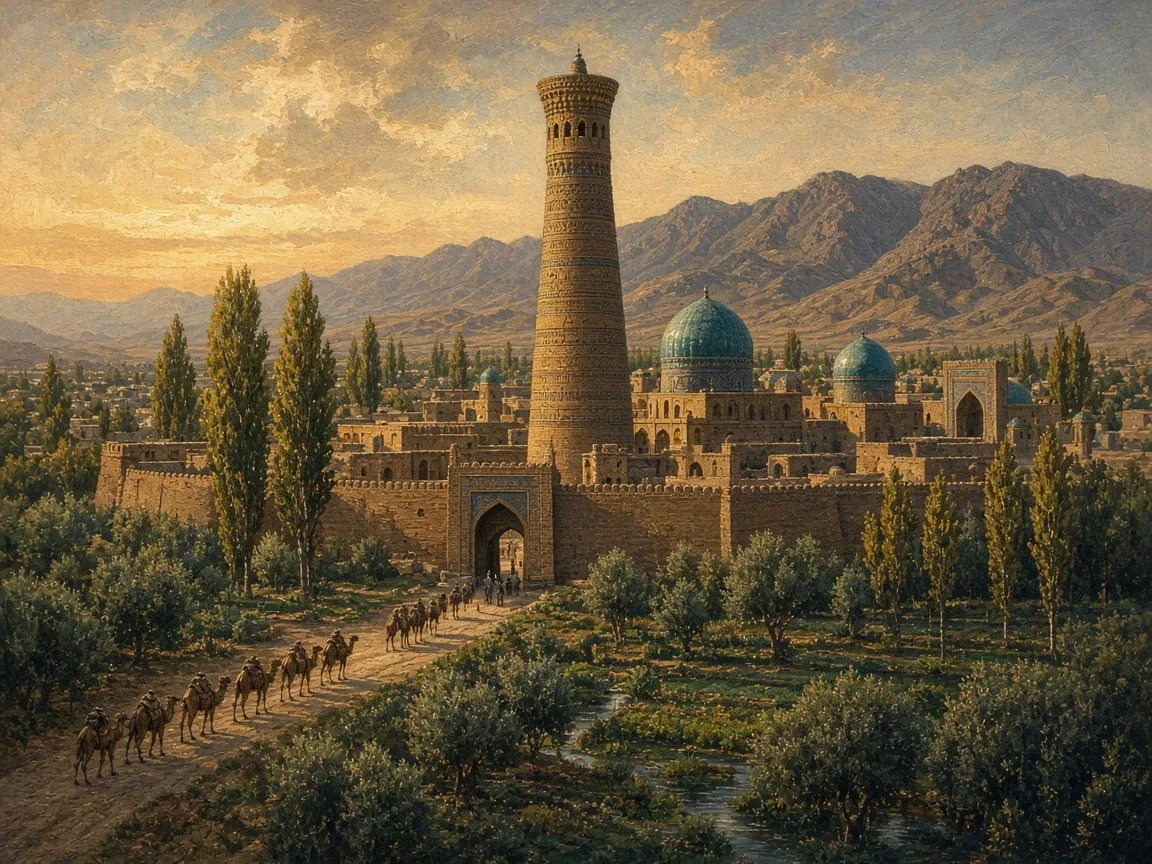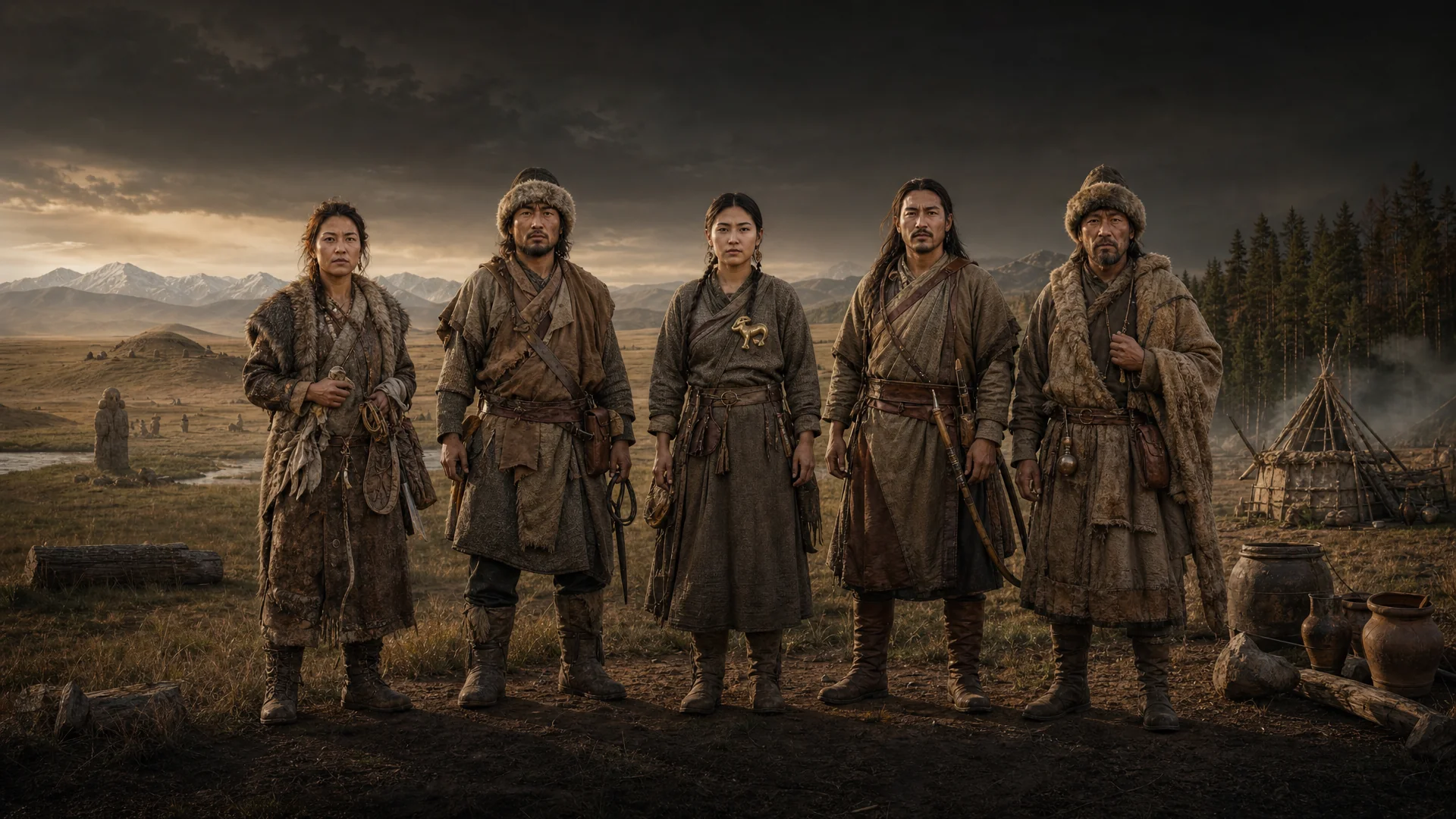
Your Genetic Story - Ancient Steppe & Siberia

Download PDF creates a visual, rasterized copy. Use Print for selectable text and better assistive-technology support.

Ancient Steppe & Siberia

Your Genetic Story

Analyzing your genetic similarity to ancient Central Asian reference samples...

Preparing your genetic-similarity report

Ancient Steppe & Siberia

Your Genetic Story Through Time

A chronological reading of your similarity to ancient reference populations of Central Asia, from the earliest period to the most recent.

(FNJEOQ) Central Asian Generated Oct 7, 2026

Central Asia connects Steppe, mountain, and oasis populations across a long history of migration and exchange.

Ancient Steppe & Siberia

Your similarity, chapter by chapter

Your strongest regional connections fall within early foundations.

Central Asia connects Steppe, mountain, and oasis populations across a long history of migration and exchange.

Ancient Steppe & Siberia

Your Story at a Glance

8 chapters, from the earliest period to the most recent, showing how your similarity maps onto the history of Central Asia.

  1. 1 Copper Age 5,000 BCE to 3,300 BCE
  2. 2 Early Bronze Age 3,300 BCE to 2,000 BCE
  3. 3 Middle / Late Bronze Age 2,000 BCE to 1,200 BCE
  4. 4 Late Bronze Age 1,200 BCE to 800 BCE
  5. 5 Iron Age 800 BCE to 300 CE
  6. 6 Sarmatian / Hunnic 300 CE to 600 CE
  7. 7 Turkic Khaganate 600 CE to 900 CE
  8. 8 Medieval 900 CE to 1,500 CE
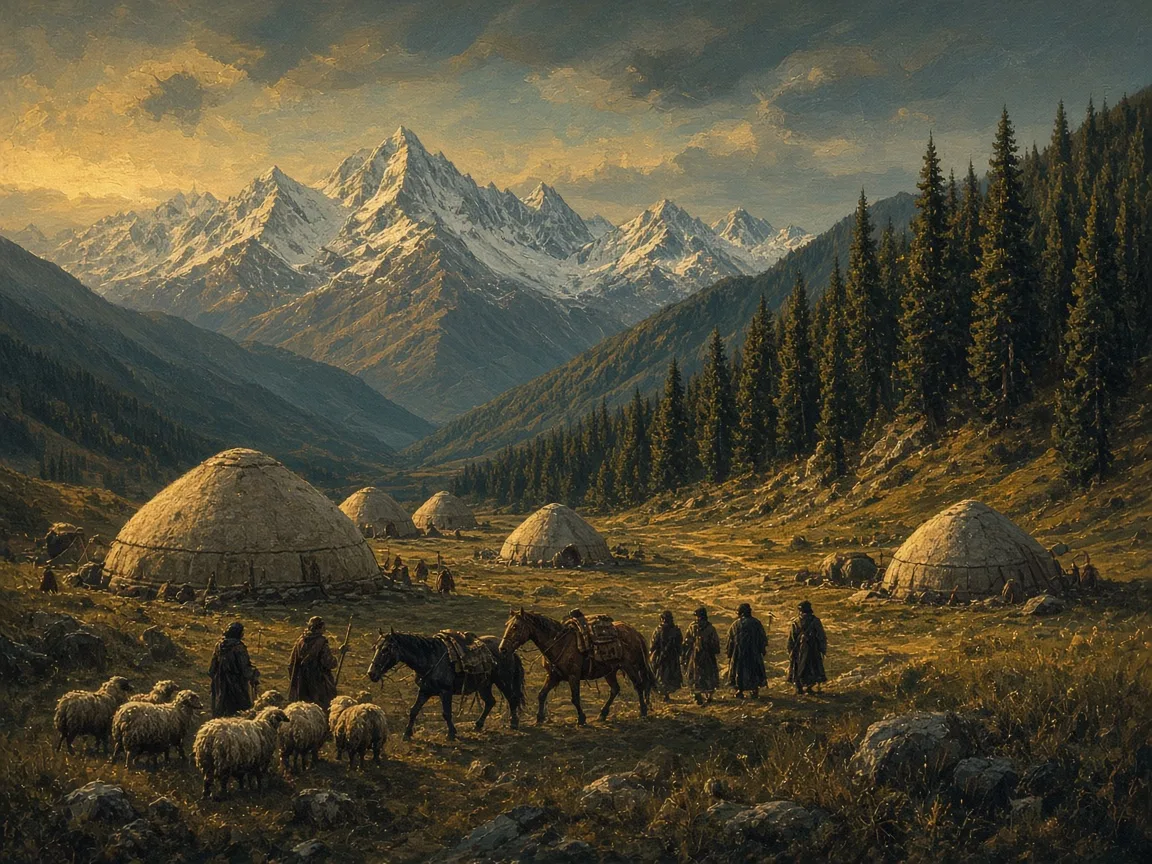
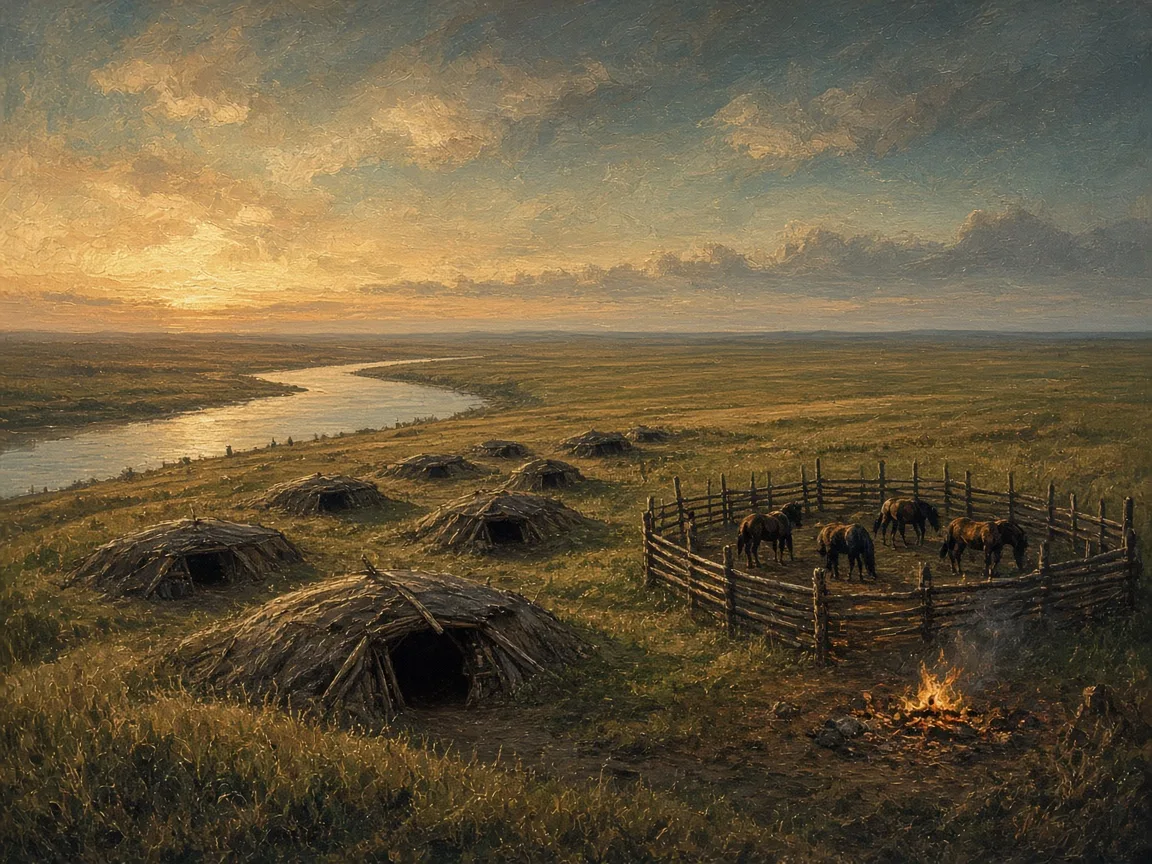
Illustration of Copper Age landscape
Chapter 1

Copper Age

5,000 BCE to 3,300 BCE

Early metalworking communities.

Explore this period

The Botai Complex in Kazakhstan provides important evidence for how Eneolithic communities lived on the steppe, including key aspects of animal economies.

Region & Environment

Botai-era sites are situated in Kazakhstan’s steppe and forest-steppe environments, where grasslands and seasonal water availability supported herding. River systems and open steppe corridors facilitated movement between pastures and supported predictable access to resources.

Historical Context

During the third millennium BCE, steppe societies developed increasingly complex pastoral strategies, while surrounding regions saw ongoing changes in agriculture and metallurgy. In Kazakhstan, the Botai horizon is defined archaeologically by recurring settlement and artifact patterns rather than by named polities.

Populations & Lifeways

Botai communities are best described as herders with a mobile or semi-mobile rhythm tied to seasonal pasture. Daily life would have included livestock management, the production and repair of leather and wooden goods, and household-based craft work. The material record also reflects a distinctive relationship to horses, documented through site evidence that bears on early horse exploitation.

Archaeology & Material Culture

Archaeological remains include settlement features and artifact assemblages such as stone tools, ceramic vessels, and organic-material indicators preserved under favorable conditions at some sites. The Botai Complex is particularly noted in scholarship for evidence connected to horse use at certain locations, alongside typical pastoral material culture.

Culture & Society

Recurring patterns in settlement organization and material choices suggest shared learning and practical traditions within the Botai horizon. Differences between sites point to local adaptations—such as varying degrees of permanence or herd-management strategies—within a broader cultural framework.

Legacy & Transition

As the Eneolithic period progressed and later Bronze Age developments unfolded, steppe pastoralism continued, while technologies and exchange networks changed. The Botai horizon’s importance lies in how it illuminates early pastoral strategies that precede later steppe cultural phases across Kazakhstan and neighboring regions.
What your data actually shows

78/100 period similarity Strongest period
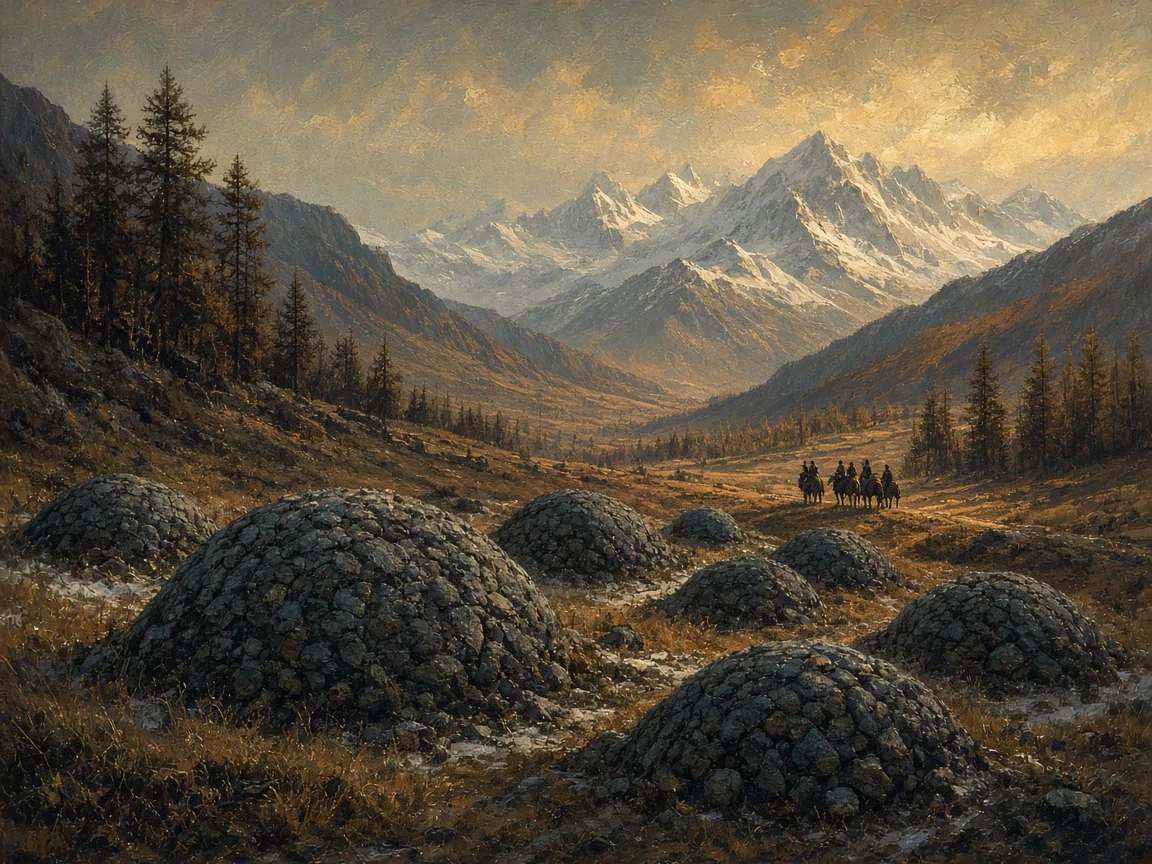
Illustration of Early Bronze Age landscape
Chapter 2

Early Bronze Age

3,300 BCE to 2,000 BCE

Early Bronze Age Steppe and oasis societies.

Explore this period

The Early Bronze Age (EBA) in the Khovd region of Mongolia is a fascinating period characterized by significant cultural and technological transitions among the communities inhabiting the Eurasian Steppe. This era, roughly spanning from the late 3rd millennium to early 2nd millennium BCE, marks the evolution of nomadic pastoral societies that were instrumental in shaping the dynamics of Eurasia.

Environmental and Geographical Context

The Khovd region is positioned in western Mongolia, prominently situated within the greater expanse of the Eurasian Steppe. This vast grassland region provided a unique environment that supported the development of pastoralism due to its open landscapes, which were ideal for grazing livestock. The climate during the Early Bronze Age was likely similar to today—characterized by harsh winters and dry summers, necessitating a mobile lifestyle to access resources efficiently.

Cultural Characteristics

Subsistence and Economy

The Early Bronze Age communities in Khovd were primarily pastoral, relying heavily on the herding of animals such as sheep, goats, cattle, and horses. This form of subsistence was well-suited to the region's ecological conditions and allowed these groups to exploit different pastures seasonally. Animal husbandry led to a highly mobile lifestyle, which was reflected in their material culture and settlement patterns.

The adoption and domestication of the horse, evident in this period, played a crucial role in the economic and social life of these communities, ushering in new means for transportation, trade, and warfare.

Social Structure and Organization

The social organization of Early Bronze Age Khovd was likely based on kinship ties, with clans or extended family groups forming the fundamental social units. Hierarchies perhaps existed, likely determined by wealth in livestock, martial prowess, or spiritual roles. Evidence suggests the presence of social stratification, as indicated by variations in burial practices and grave goods.

Material Culture

Material culture from this era reflects a blend of local traditions and interactions with neighboring cultures. Pottery from this period, typically handmade and fired at low temperatures, exhibits simple geometric decorations. The emergence of metalwork, though limited, marks significant technological progress. Tools and ornaments made from bronze and other metals indicate connections with broader Eurasian metallurgical traditions.

Stone tools and weapons, such as knives and arrowheads, were prevalent, highlighting the continued importance of hunting and warfare alongside pastoral activities. Textile remnants suggest knowledge of weaving, although evidence is sparse due to the perishable nature of materials.

Mortuary Practices

Burial practices were complex and varied, indicating a rich spiritual and ritual life. Graves often contain goods reflective of the deceased's status or occupation, including tools, weapons, and ornaments. The presence of kurgans, or burial mounds, is widespread, suggesting a practice of venerating individuals of high social or spiritual importance.

Artistic and Religious Expressions

Artistic expressions are observed in petroglyphs and carvings, depicting animals, hunting scenes, and abstract designs, offering insights into the symbolic and aesthetic values of these communities. Religious beliefs likely involved shamanistic elements, emphasizing the interconnectedness between humans, animals, and the spiritual world, although detailed evidence is limited.

Interactions and Influence

The Early Bronze Age in Khovd was a dynamic period of cross-cultural interaction facilitated by the region's position along the ancient trade routes of the Eurasian Steppe. This connectivity allowed for the exchange of goods, ideas, and technologies with neighboring cultures, such as those in Central Asia, Siberia, and further west.

In conclusion, the Early Bronze Age in Khovd, Mongolia, reflects a critical period of cultural development in the Eurasian Steppe, with significant advancements in pastoralism, metallurgy, and social organization. The communities of this era laid foundational aspects for the later, more complex societies that would emerge in Mongolia and across the steppes, influencing the region's historical trajectory for millennia to come.

What your data actually shows

0/100 period similarity
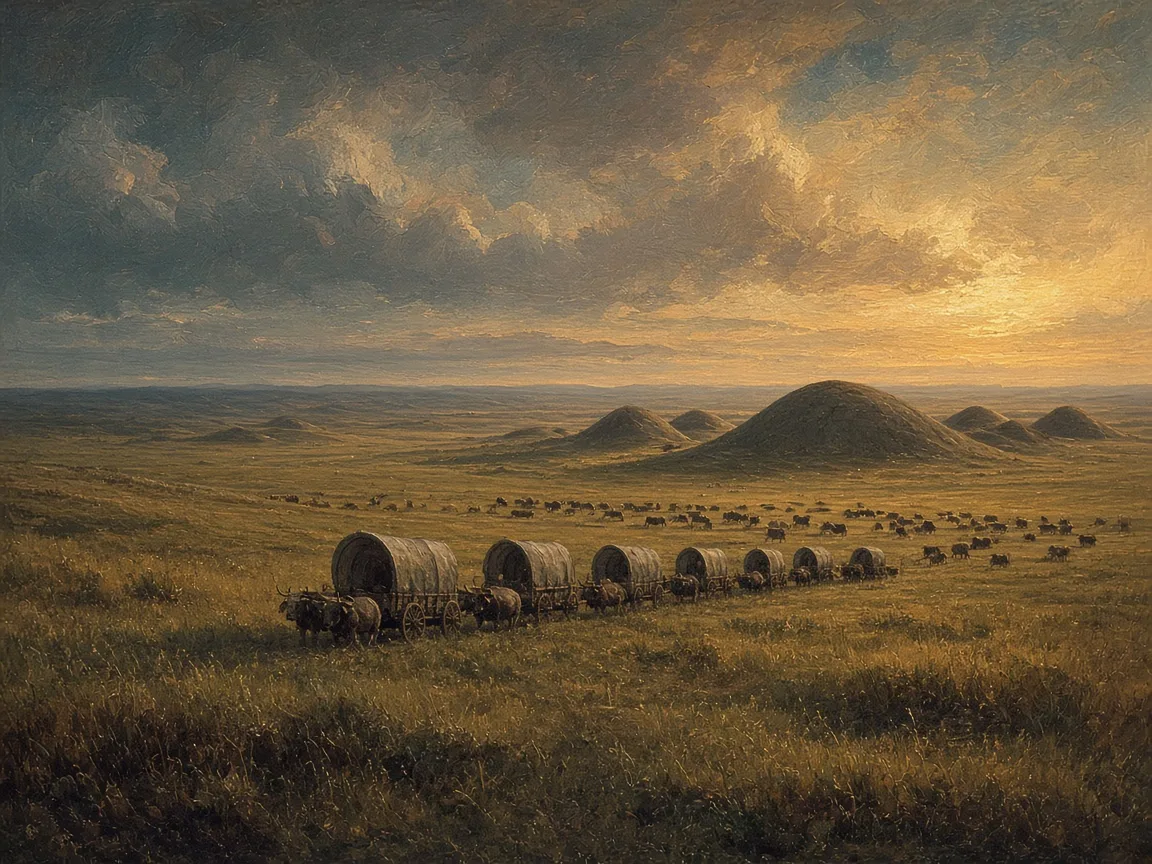
Illustration of Middle / Late Bronze Age landscape
Chapter 3

Middle / Late Bronze Age

2,000 BCE to 1,200 BCE

Middle and Late Bronze Age networks.

What your data actually shows

2/100 period similarity
Illustration of Late Bronze Age landscape
Chapter 4

Late Bronze Age

1,200 BCE to 800 BCE

Late Bronze Age population movements.

Explore this period

The Ak-Moustafa phase of the Mid-Late Bronze Age is a significant period within the Andronovo culture, which spanned across the steppes of Central Asia. This era is roughly dated between 1800 to 1400 BCE and is characterized by unique developments in social structure, technology, and cultural practices among the peoples inhabiting modern-day Kazakhstan and surrounding regions.

Geographic Context

The Andronovo culture, including the Ak-Moustafa phase, was primarily located in the vast steppes of Central Asia. These regions offered fertile lands and resources necessary for pastoral nomadism, which was a predominant way of life. The Ak-Moustafa communities were part of a broader cultural network that extended from the Ural Mountains in the west to the Yenisei River in the east, and from Siberia in the north to Central Asia in the south.

Social Structure

The Ak-Moustafa phase featured a complex social hierarchy primarily driven by kinship and clan-based systems. Society was likely composed of extended familial groups and tribes, each led by a chieftain or a council of elders. These leaders governed not only through hereditary positions but also demonstrated prowess in areas such as warfare, diplomacy, and spiritual leadership. There is evidence suggesting that burial practices were elaborate and reflected the social status of individuals, with grave goods indicating wealth and influence.

Economy and Subsistence

The economy of the Ak-Moustafa period was largely based on transhumant pastoralism. This involved the seasonal movement of livestock, including cattle, sheep, and horses, to find suitable pasturelands. The people of this era were expert horsemen, and horses played a crucial role not only in agriculture but also in trade, transport, and warfare. There is also evidence of limited agriculture that complemented their pastoral lifestyle, with communities cultivating crops such as barley and wheat.

Trade was significant in this period, as the Ak-Moustafa people engaged in long-distance exchange of goods such as metal artifacts, textiles, and pottery, linking them with distant cultures. It was through these networks that they acquired tin and copper, essential resources for bronze-making.

Technological and Cultural Achievements

Technologically, the Ak-Moustafa phase saw significant advancements in metallurgy. The people were proficient in bronze work, creating tools, weapons, and ornaments that reflected both functional and ceremonial purposes. The metalwork from this era is noted for its intricate design, showcasing the craftsmanship and artistic skills of the culture.

Pottery of this period exhibited a transformation with more sophisticated forms and decorative patterns. The ceramics often featured geometric motifs and were used in both daily life and ritual contexts.

Culturally, the Ak-Moustafa phase was rich with traditions and practices that involved spiritual and religious elements. Ancestor worship and belief in a pantheon of deities governing natural forces were likely prevalent. Ritualistic sites, possibly used for communal gatherings and spiritual ceremonies, have been identified, underscoring the cultural and religious depth of the society.

Interaction and Influence

The Ak-Moustafa people were part of the larger Andronovo culture, which itself interacted with other contemporary cultures across Eurasia. These interactions were facilitated by trade routes that connected them with the civilizations of the Indus Valley, Mesopotamia, and even areas of Eastern Europe. Through these contacts, the Ak-Moustafa phase experienced both influences from and contributions to neighboring cultures, leading to a dynamic exchange of ideas and practices.

Architectural Practices

Archaeological evidence from the Ak-Moustafa period suggests that the people constructed various forms of dwellings, ranging from temporary tent-like structures suited for their nomadic lifestyle to more permanent stone or timber structures for settled communities. Defensive architecture, such as fortified settlements, may also have been developed in response to inter-tribal conflicts or external threats.

Conclusion

The Ak-Moustafa phase of the Mid-Late Bronze Age represents a vibrant and dynamic period within the Andronovo culture. It showcases an era of significant social organization, technological prowess, and cultural richness. The legacy of this era is embedded in the archaeological record, offering insights into the life, beliefs, and achievements of these ancient peoples who played a pivotal role in the cultural evolution of Central Asia.

What your data actually shows

0/100 period similarity
Illustration of Iron Age landscape
Chapter 5

Iron Age

800 BCE to 300 CE

Iron Age nomadic and settled populations.

Explore this period

The Iron Age in Kazakhstan, particularly the Berel culture, is a fascinating period that forms part of the broader tapestry of Steppe cultures. This era is marked by significant developments in social organization, technological advancements, and cultural expressions.

Geographical Context

Kazakhstan is located in Central Asia, a region characterized by vast steppes, mountains, and deserts. During the Iron Age, the area was home to nomadic tribes whose economies and lifestyles were largely shaped by the geography and climate.

The Berel Culture

The Berel culture is a part of the broader Scytho-Siberian cultural sphere. It is named after the Berel Burial Mounds located in the Altai Mountains, which have provided much of the archaeological evidence for this culture. These mounds are part of the Pazyryk culture, which is known for its elaborate burial practices and has connections to the nomadic tribes of the Scythians and the Saka.

Social and Economic Life

  1. Nomadic Economy: The Berel culture was predominantly nomadic, focusing on pastoralism. People moved across the steppes with their herds of horses, sheep, and cattle, seeking pastures and water. This nomadic lifestyle influenced social structures, which were likely organized in clans or tribes led by chieftains.

  2. Trade and Interaction: There is evidence of interaction with neighboring regions, such as Persia and China. These interactions facilitated trade, cultural exchange, and the spread of technologies such as metallurgy.

Technological and Material Culture

  1. Metallurgy: Iron was a significant resource, and the Berel people were skilled metalworkers. They produced tools, weapons, and ornate objects. The use of iron improved agricultural tools and weaponry, contributing to economic and military developments.

  2. Textiles and Art: The Berel culture is particularly noted for its advanced textile production, including felt and woolen garments. Artistic expression is evident in intricate animal style motifs, which are seen in metalwork and textiles.

  3. Horse Domestication: Horses played a central role, being crucial for mobility, warfare, and status. The Berel culture is known for elaborate horse burials where horses were interred alongside human remains, demonstrating their importance in life and death.

Burial Practices and Religion

  1. Kurgans: The Berel culture is especially famous for its kurgans, or burial mounds. These large mounds were constructed for elite members of society and contained richly adorned bodies, sacrificial horses, and a plethora of grave goods, ranging from weapons to ornate jewelry and clothing.

  2. Spiritual Beliefs: While details about the religious beliefs are sparse, the elaborate burial rituals suggest a strong belief in an afterlife. The inclusion of grave goods implies that the dead were expected to maintain a level of status in the next world.

Art and Symbolism

  1. Scythian Animal Style: Art from this period prominently features the animal style common to Scythian cultures, which involves dynamic representations of animals. This style is believed to have held symbolic meanings, possibly related to shamanistic practices or beliefs in animal spirits.

Influence and Legacy

The Berel culture has contributed significantly to our understanding of Iron Age societies in the Eurasian steppes. Their interactions with other cultures laid the groundwork for cultural blending and the spread of innovations. The archaeological findings from kurgans, including well-preserved mummies, have offered profound insights into the life and beliefs of these ancient people, showcasing the richness of nomadic cultures that thrived in the harsh environments of the steppe.

In summary, the Iron Age Berel culture of Kazakhstan exemplifies the dynamic and sophisticated nature of Steppe nomadic societies. Their innovations in metallurgy, art, and social organization reflect a complex culture well-adapted to their environment and influential in the broader context of Central Asian history.

What your data actually shows

2/100 period similarity
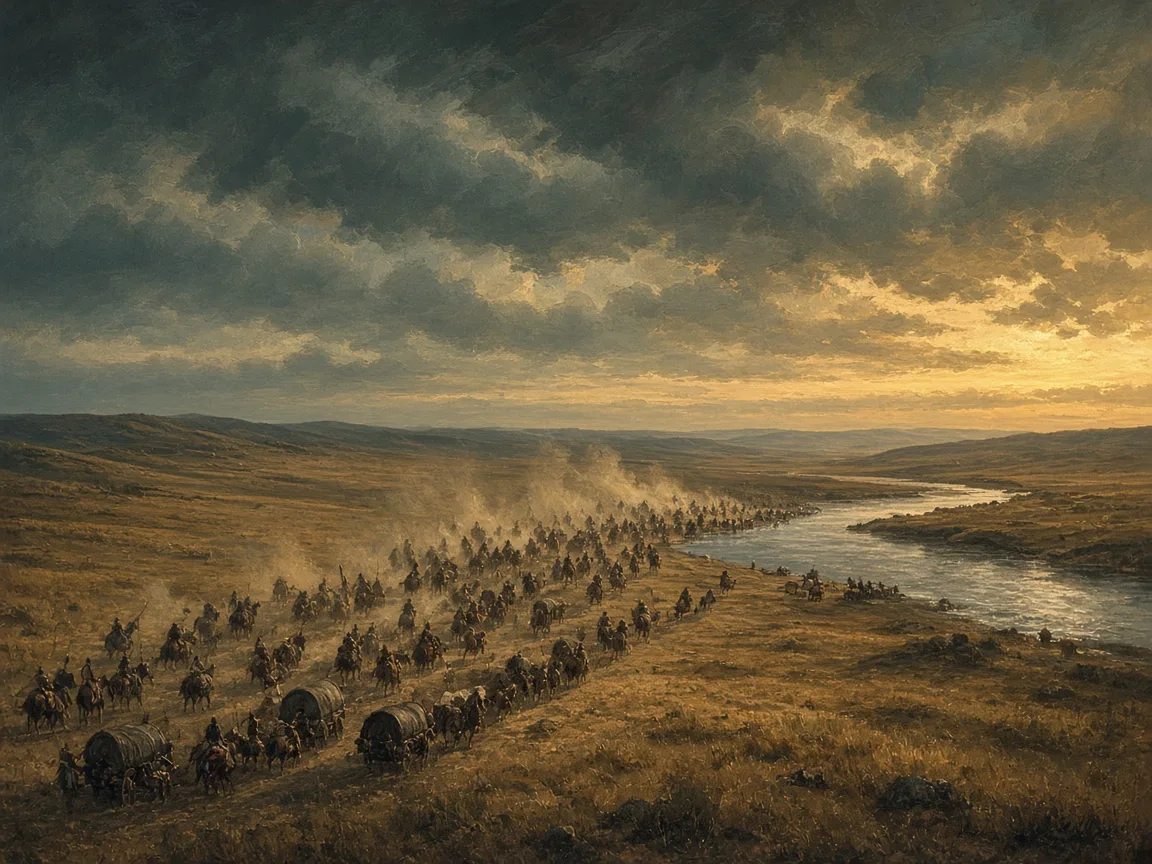
Illustration of Sarmatian / Hunnic landscape
Chapter 6

Sarmatian / Hunnic

300 CE to 600 CE

Sarmatian, Hunnic, and related Steppe populations.

What your data actually shows

5/100 period similarity
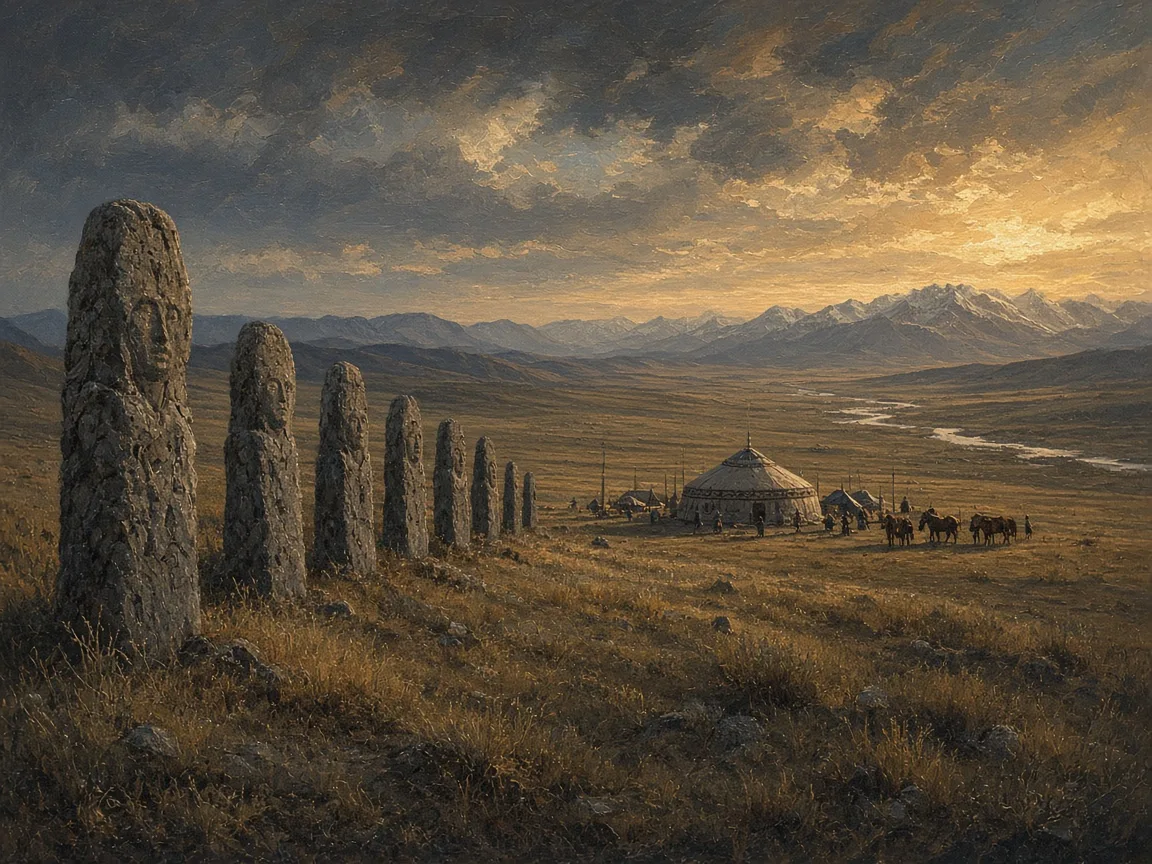
Illustration of Turkic Khaganate landscape
Chapter 7

Turkic Khaganate

600 CE to 900 CE

Turkic-period migrations and states.

Explore this period

Region & Environment

The First Turkic Khaganate occupied much of the Inner Asian steppe, with major landscapes in and around Mongolia. Seasonal grasslands supported mobile herding and hunting, while mountain ranges and river valleys helped structure movement, pasture access, and communication routes.

Historical Context

In the centuries after the Xiongnu era and amid shifting Central Asian powers, Turkic-speaking groups expanded and reorganized political authority on the steppe. By 552 CE a Turkic khaganate (commonly associated with the early Göktürk polity) emerged with enough cohesion to project power across large distances, later facing fragmentation and changing alliances through the 7th and early 8th centuries.

Populations & Lifeways

Most people were mobile pastoralists engaged in herding (including livestock suited to steppe environments) and seasonal rounds. Households and clans maintained networks for pasture, marriage alliances, and political support, while elites coordinated tribute collection and military campaigns.

Archaeology & Material Culture

Archaeological signatures across Mongolia’s steppe include burial practices with grave goods, metalwork, and evidence for riding and transport technologies consistent with steppe mobility. Material culture commonly reflects a mobile economy and long-distance contacts, seen in categories of crafted objects and regional variations in funerary and prestige items.

Culture & Society

Steppe polities relied on kin-based leadership, hierarchy within ruling lineages, and the mobilization of mounted forces. Political legitimacy was tied to the khagan’s ability to manage resources, arbitrate alliances, and maintain control of tribute relationships that linked communities across the steppe.

Legacy & Transition

The First Turkic Khaganate was followed by shifting Turkic and steppe political formations, as authority fragmented and reassembled in response to internal dynamics and external pressures. Its emergence and later transformations helped shape the political landscape of Inner Asia in the centuries leading toward later Turkic khanates.

What your data actually shows

0/100 period similarity
Illustration of Medieval landscape
Chapter 8

Medieval

900 CE to 1,500 CE

Medieval Central Asian communities.

Explore this period

Medieval Kazakhstan during the era of Turkic civilization represents a fascinating period marked by the intersection of nomadic cultures, burgeoning trade routes, and the spread of Islamic traditions. This epoch, roughly spanning from the 6th to the 15th centuries, is characterized by a rich tapestry of political, economic, and cultural transformations.

Geopolitical Landscape: Medieval Kazakhstan was central to the massive pastoral-nomadic empires that dominated the Eurasian steppe. The area was a crossroads for numerous empires and tribes, notably the Göktürks, the Karluks, and later the Khwarazmian, Kara-Khanid, and eventually Mongol Empire. Each of these groups contributed to the dynamic and sometimes volatile political landscape. The Göktürk Khaganate, established in the 6th century, laid the foundation for Turkic dominance, unifying various nomadic tribes under a centralized rule, albeit loose and tribal in nature.

Economic Influence: The medieval period in Kazakhstan witnessed flourishing trade, largely due to its strategic position along the Silk Road. This sprawling trade network facilitated the exchange of goods, ideas, and cultures between the East and West. Cities like Otrar, Taraz, and Kayalyk became vibrant trade hubs where merchants traded silk, spices, precious metals, and textiles. The wealth generated from trade contributed to the development of urban centers, with markets, caravanserais, and fortifications characterizing the urban landscape.

Culture and Society: The Turkic peoples of medieval Kazakhstan were primarily nomadic, although urbanization increased due to trade and political stability during certain periods. Society was organized around tribal affiliations, with khans or tribal leaders wielding political authority. Kinship and clan ties were crucial, influencing social structure and alliances. The nomadic lifestyle dictated a culture centered on horseback riding, animal husbandry, and migratory patterns in search of pasture.

This period also saw significant cultural exchanges that enriched local traditions with Islamic influences, particularly after the Arab conquests in the 7th and 8th centuries. The gradual adoption of Islam facilitated the integration of the Turkic people into the broader Islamic world, influencing everything from law to education and art. The Islamic Golden Age brought advancements in technology, science, and philosophy to the region.

Religion and Cultural Practices: Before the widespread adoption of Islam, the Turkic tribes practiced Tengriism, a shamanistic and animistic belief system centered around sky worship and reverence for the ancestors and nature. The gradual conversion to Islam brought new religious paradigms, including the construction of mosques, madrasas, and the adoption of the Arabic script.

Islam's influence also marked changes in art and architecture. Artistic expressions in pottery, metalwork, and textiles began to reflect Islamic motifs, blending indigenous styles with Islamic artistic traditions. Linguistically, the Turkic languages started incorporating Arabic and Persian lexicon due to religious, commercial, and scholarly interactions.

Conclusion: Medieval Kazakhstan's Turkic civilization represents an era of dynamic transition and confluence, encapsulating the essence of nomadic life and urban development fostered by trade and cultural exchange. It stands as a testament to the resilience and adaptability of the Kazakh people amidst the shifting sands of political power and cultural influence. This rich historical tapestry set the stage for future developments in Kazakh identity and statehood, laying foundational elements that persist in Kazakhstan’s heritage today.

What your data actually shows

3/100 period similarity

What this means

Your results show similarity to reference populations across several periods of Central Asia's past, with the strongest similarity in the Copper Age period. This pattern reflects how later populations mixed with and partly replaced earlier ones. It describes statistical similarity between your DNA and ancient reference samples from each period, not a record of your personal ancestors or family tree, and as with all genetic research there is still much we do not know.

Explore the individuals
  • ContinuitySimilarity that persists across periods
  • MigrationLayers added by new arrivals
  • UncertaintyReference panels keep evolving
Use code for 35% off • Expires Oct 09