Mesolithic
12,000 BCE to 4,000 BCE
Post-glacial hunter-gatherers.
Explore this period
Overview
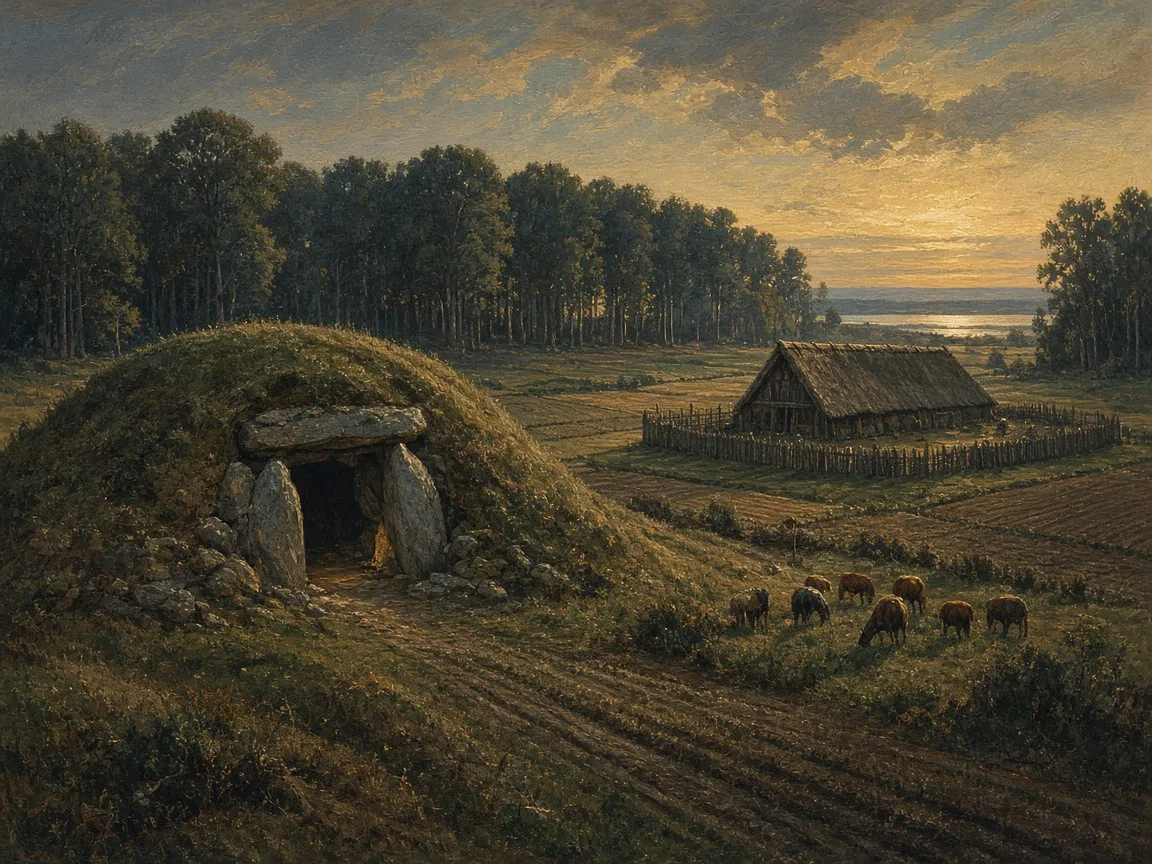
Syltholm Late Mesolithic to Early Neolithic Denmark represents a transitional phase in southern Scandinavia when communities with hunter-gatherer traditions increasingly intersected with farming practices. The period is known from regional sequences that include both Mesolithic and early Neolithic elements rather than a single abrupt change.
Region & Environment
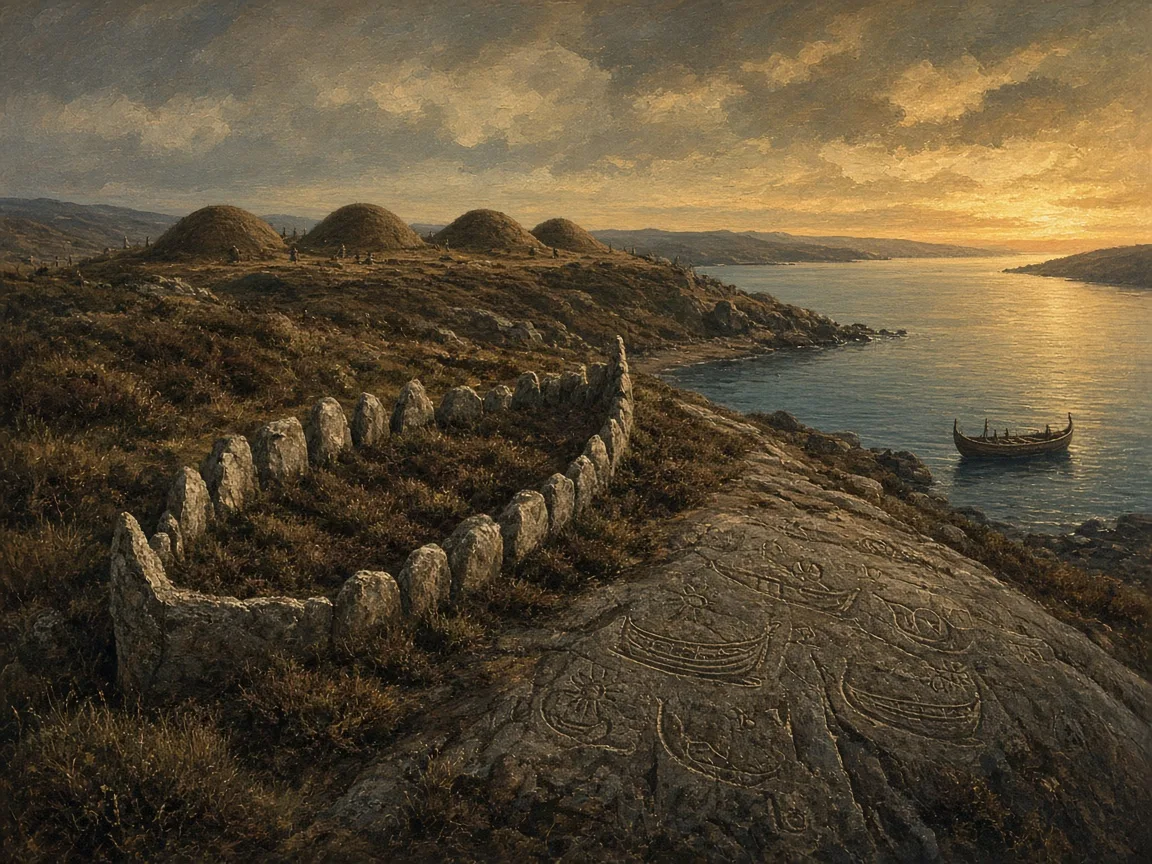
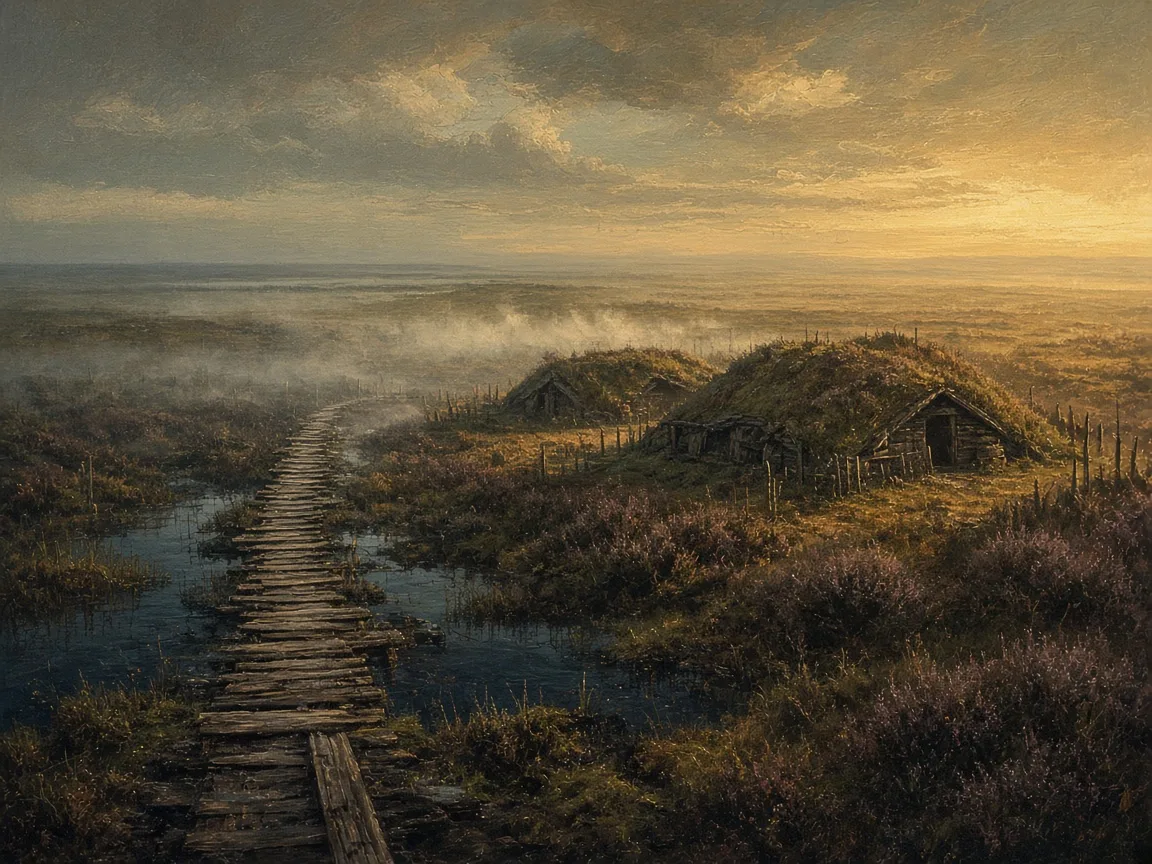
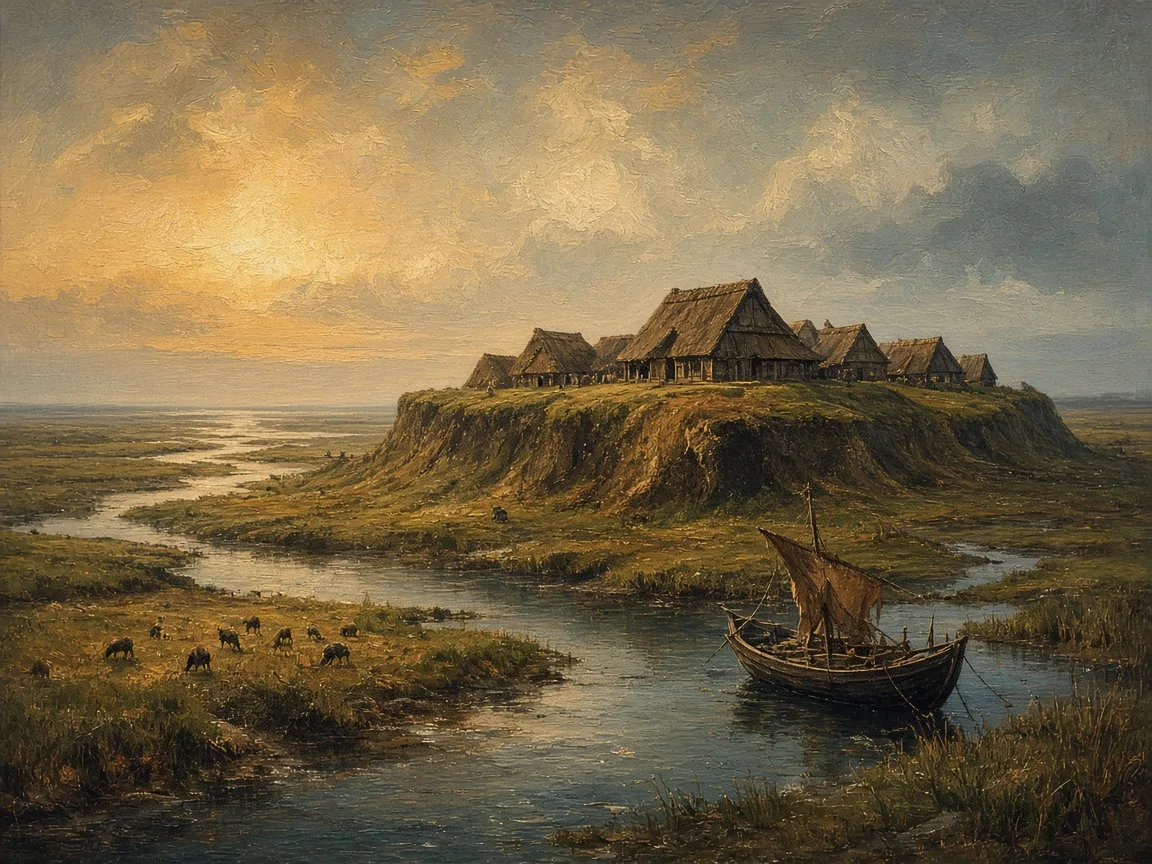
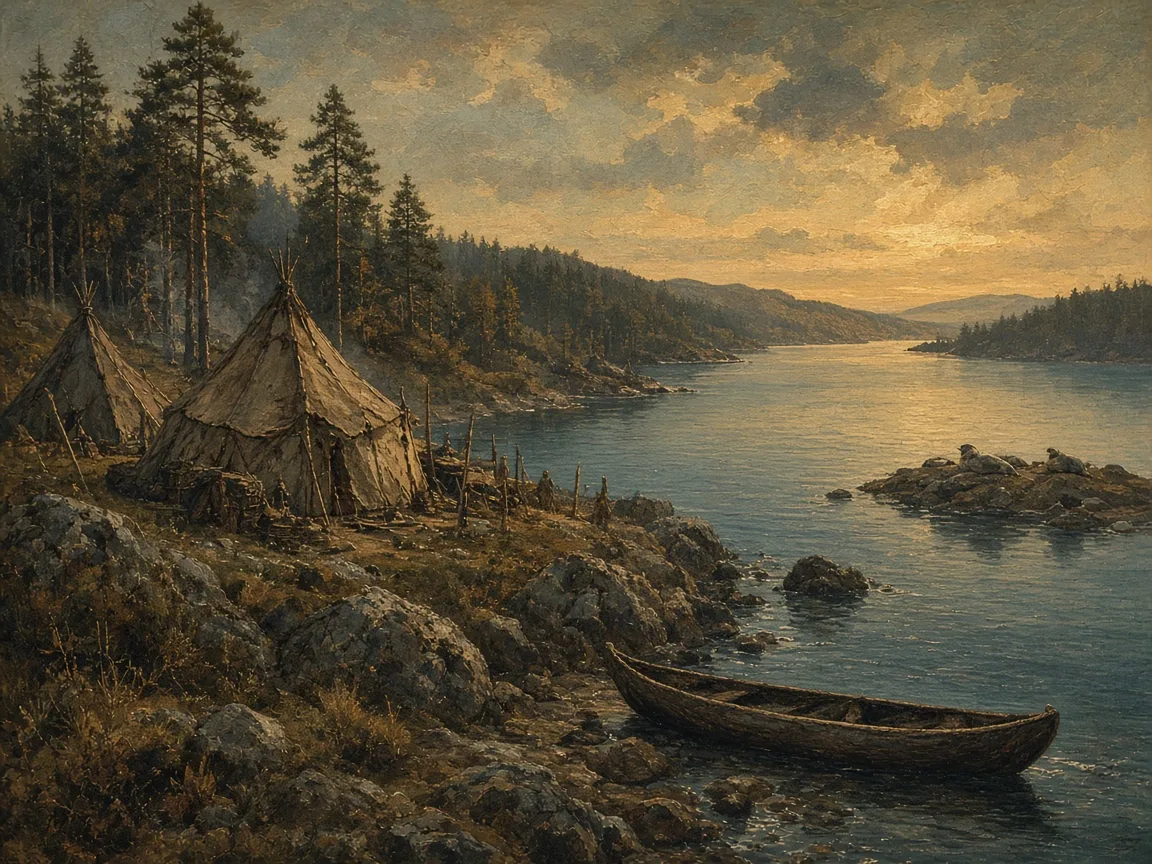
Denmark’s environment at this time was influenced by the late stages of post-glacial landscape change, producing a mosaic of coastlines, wetlands, and fertile lowlands. Water access was central: marine and freshwater resources supported dense seasonal use of the shore. These settings favored repeated occupation near rich hunting, fishing, and plant-gathering zones, while also allowing plots for early cultivators where soils and drainage permitted.
Historical Context
In the broader European context, the Neolithic began as farming spread through interaction and population movement. In Denmark, the earliest Neolithic does not erase local lifeways; instead, it blends new practices—such as domesticates and pottery traditions—with older routines. The Syltholm phase fits this pattern of gradual adoption and local adaptation.
Populations & Lifeways
Populations likely included mobile foragers who also experimented with or adopted Neolithic food production. Diets would have combined wild resources (fish and other aquatic foods, hunted game, and gathered plants) with domesticated crops and animals introduced through contact networks. Settlements tended to emphasize proximity to productive landscapes, and land use would have varied with local environmental conditions and social ties.
Archaeology & Material Culture
Archaeological signatures for this era include stone-tool technologies typical of Mesolithic traditions alongside early Neolithic material. Pottery styles connect local developments to wider “Funnel Beaker” horizons in the region, with the Syltholm Culture treated as part of this transitional landscape. Finds of worked stone, pottery, and evidence for habitation near waterways illustrate daily activities ranging from food processing to tool maintenance.
Culture & Society
Social organization is difficult to reconstruct in fine detail, but material culture indicates participation in broader cultural networks. Pottery and other shared practices suggest exchange and communication over distance, while the continued importance of coastal lifeways points to strong local ecological knowledge. As farming ideas spread, communities would have managed new forms of labor, land use, and interdependence alongside existing traditions.
Legacy & Transition
This period laid foundations for later Neolithic developments in Denmark, including more stable farming communities and increasingly prominent ceremonial or architectural traditions associated with subsequent Funnel Beaker phases. Rather than a single replacement, the transition reflects layered changes—new technologies and foodways joining long-standing strategies for living in Denmark’s watery coastal environments.