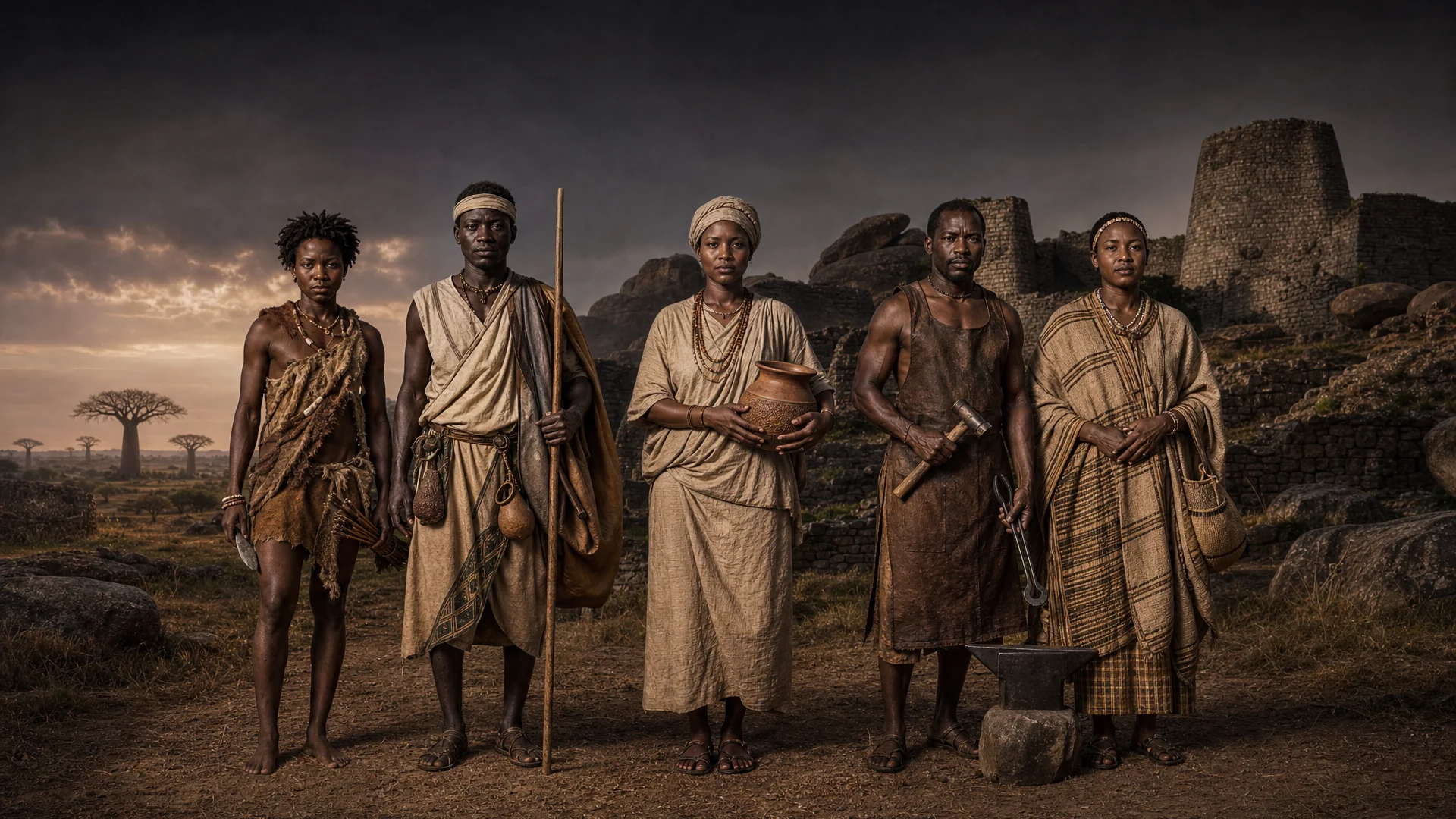

Your Genetic Story - Ancient Sub-Saharan Africa

Download PDF creates a visual, rasterized copy. Use Print for selectable text and better assistive-technology support.

Ancient Sub-Saharan Africa

Your Genetic Story

Analyzing your genetic similarity to ancient Sub-Saharan African reference samples...

Preparing your genetic-similarity report

Ancient Sub-Saharan Africa

Your Genetic Story Through Time

A chronological reading of your similarity to ancient reference populations of Sub-Saharan Africa, from the earliest period to the most recent.

(KJBJHL) Subsaharan Generated Oct 7, 2026

Sub-Saharan Africa contains the deepest and most diverse population histories represented in the human story.

Ancient Sub-Saharan Africa

Your similarity, chapter by chapter

Your strongest regional connections fall within formative transformations.

Sub-Saharan Africa contains the deepest and most diverse population histories represented in the human story.

Ancient Sub-Saharan Africa

Your Story at a Glance

8 chapters, from the earliest period to the most recent, showing how your similarity maps onto the history of Sub-Saharan Africa.

  1. 1 Stone Age 40,000 BCE to 5,000 BCE
  2. 2 Pastoral Neolithic 5,000 BCE to 1,500 BCE
  3. 3 Bronze Age 1,500 BCE to 500 BCE
  4. 4 Iron Age 500 BCE to 500 CE
  5. 5 Swahili Coast 500 CE to 1,500 CE
  6. 6 Great Kingdoms 500 CE to 1,500 CE
  7. 7 Protohistoric 500 CE to 1,500 CE
  8. 8 Historic 1,000 CE to 1,900 CE
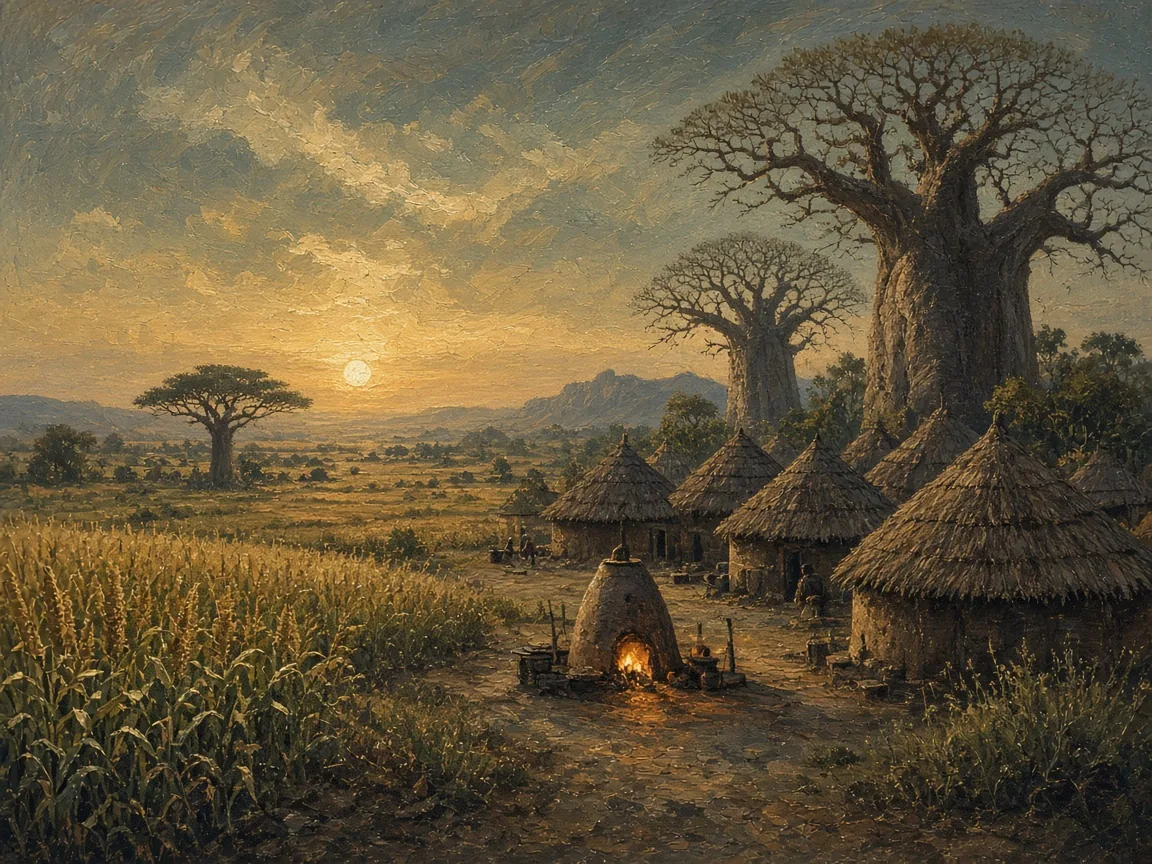
Illustration of Stone Age landscape
Chapter 1

Stone Age

40,000 BCE to 5,000 BCE

Ancient African forager communities.

Explore this period

The Kakapel site in Kenya is one of the key archaeological locations for understanding the transition from hunter-gatherer societies to more settled pastoral lifestyles in East Africa, particularly during the Late Stone Age and the subsequent shift toward the Pastoral Neolithic. Located in Western Kenya, near Lake Victoria, Kakapel provides valuable insights into the Kansyore cultural tradition, which is characterized by a blend of fishing, foraging, and early pastoralism.

Geographic and Environmental Context

Kakapel is situated in a region that would have experienced a rich variety of ecological zones, providing a diversity of resources. The proximity to Lake Victoria and its associated river systems would have offered abundant fishing opportunities, supplemented by available terrestrial resources in adjacent savannas and woodlands. This rich environmental context played a significant role in shaping the lifeways of the Kansyore people.

Kansyore Culture

The Kansyore culture is known for its distinctive ceramics, which are some of the oldest pottery traditions in East Africa. These ceramics, characterized by their intricate decorations and distinctive wicker impressions, are evidence of an evolving culture with sophisticated artisanal skills. The Kansyore pottery is notable not just for its aesthetic qualities, but also for its functional utility in storage and food preparation, reflecting a more sedentary lifestyle than previously seen.

Subsistence Strategies

The Kansyore people's subsistence strategies were diverse and included fishing, hunting, gathering, and early pastoralism. Archaeological evidence, including fish bones and shellfish remains, indicates that aquatic resources played a significant role in their diet. Terrestrial resources such as wild game and gathered plant materials also contributed significantly.

The beginnings of pastoralism, evident from osteological remains of domesticated animals such as cattle and caprines, indicate a strategic diversification of subsistence strategies. This incorporation of pastoralism marks a significant cultural shift, reflecting adaptability to changing climate conditions or social factors that favored herding.

Social Organization and Settlement Patterns

The Kansyore culture's settlement patterns suggest semi-permanent habitation sites, which were likely organized around access to water sources and fertile areas suitable for both foraging and grazing. As seen in many transitional societies, these settlement sites often indicate both communal and individual activities, pointing to an adaptable social structure capable of supporting both communal resource sharing and individual family units.

Technological and Material Culture

Alongside pottery, other material culture elements from the Kansyore period include a variety of lithic tools. These tools range from microliths to more robust implements used in fishing, hunting, and processing plant materials. The technology reflects a deep understanding of the local environment and resources, demonstrating innovations that are purposefully suited to their multifaceted lifestyle.

Interaction and Trade

The Kansyore culture exhibits signs of interaction with neighboring cultural groups, as evidenced by exchanged goods like obsidian and other exotic materials. These interactions likely facilitated the exchange of ideas, technologies, and genes, thus enriching the cultural fabric of the region during the Late Stone Age and into the Pastoral Neolithic.

Transition to Pastoral Neolithic

As the Kansyore culture transitioned into what is termed the Pastoral Neolithic, there is evidence of increasing reliance on domesticated animals and a gradual shift away from foraging-centric lifestyles. This transition reflects broader patterns of social, economic, and environmental change across Eastern Africa.

In summary, the Kakapel site and the Kansyore culture represent a pivotal period in East African prehistory, illustrating the complexities involved in human adaptation and cultural evolution. From their mastery of pottery and fishing to the integration of pastoralism, the Kansyore people exemplify the rich and dynamic history of human societies in the region during the transition from the Late Stone Age to the Pastoral Neolithic.
What your data actually shows

27/100 period similarity
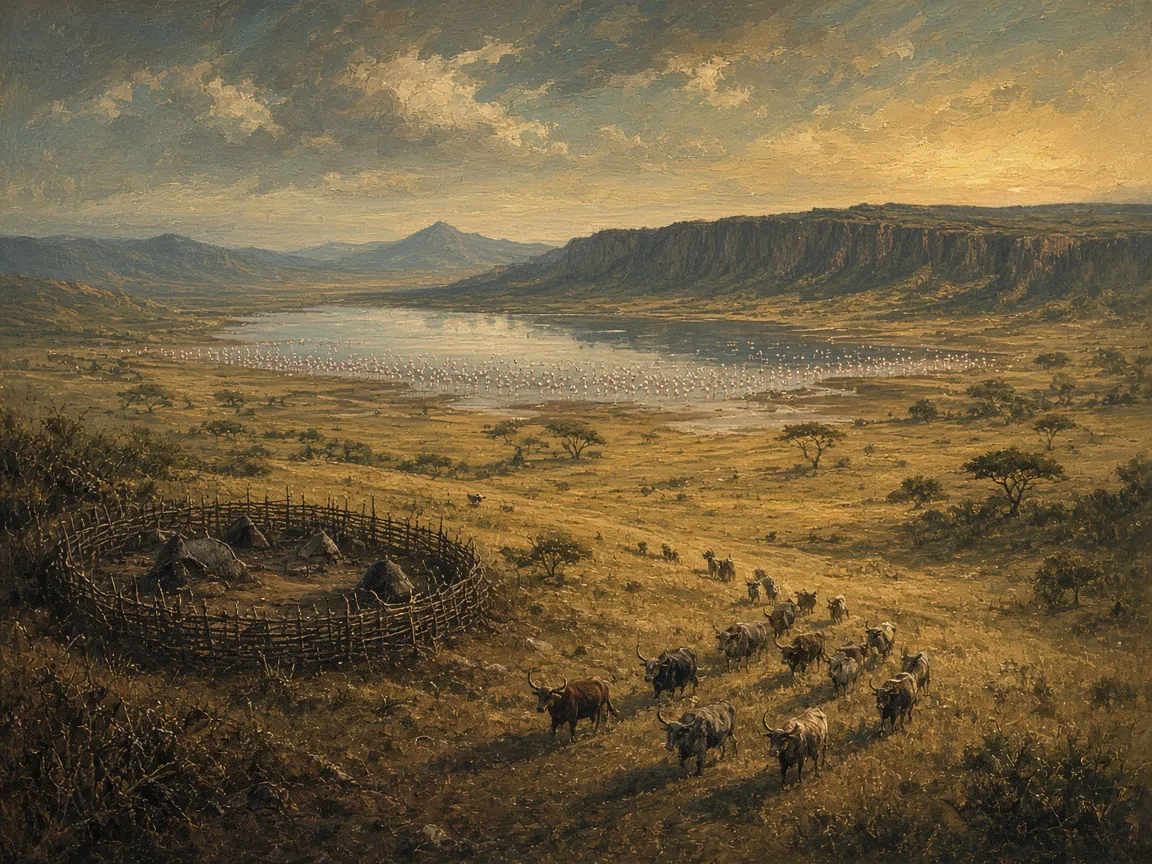
Illustration of Pastoral Neolithic landscape
Chapter 2

Pastoral Neolithic

5,000 BCE to 1,500 BCE

Early herding societies.

Explore this period

Region & Environment

This era is associated with Kenya’s savanna environments where seasonal rainfall and grassland resources supported grazing. Landscapes included open grasslands and near-water zones suitable for herding, with local variations affecting where people camped and how they organized movement.

Historical Context

The Early Pastoral Neolithic marks a stage in East African prehistory when pastoralism and related subsistence practices became more prominent alongside foraging and, in some places, cultivation. Rather than a single “event,” the transition reflects gradual changes in economy, demography, and landscape use over time.

Populations & Lifeways

People practiced pastoral lifeways—managing domesticated animals—while also depending on hunting and gathering and, in some local contexts, on plant resources. Settlement patterns likely mixed short-term camps with areas repeatedly used for activities linked to herding and resource collection.

Archaeology & Material Culture

Archaeological identification commonly relies on ceramics and lithic scatters that reflect daily tasks and site function. In pastoral contexts, site distribution and artifact types can suggest how people organized space—such as repeated occupation near water sources and areas suitable for herding. The ceramic traditions associated with this horizon are used to distinguish regional patterns.

Culture & Society

Social life is usually approached through patterns in material remains: the organization of camps, repeated use of particular places, and the consistency of tool and pottery traditions. These patterns can indicate shared practices across communities, even when mobility meant that artifacts were deposited in dispersed localities.

Legacy & Transition

Later East African prehistory continued to elaborate pastoral economies and their integration with broader regional networks. This early pastoral phase contributes to the longer-term trajectory of how savanna environments were managed, with increasing reliance on domesticated herds alongside continuing foraging strategies.

What your data actually shows

4/100 period similarity
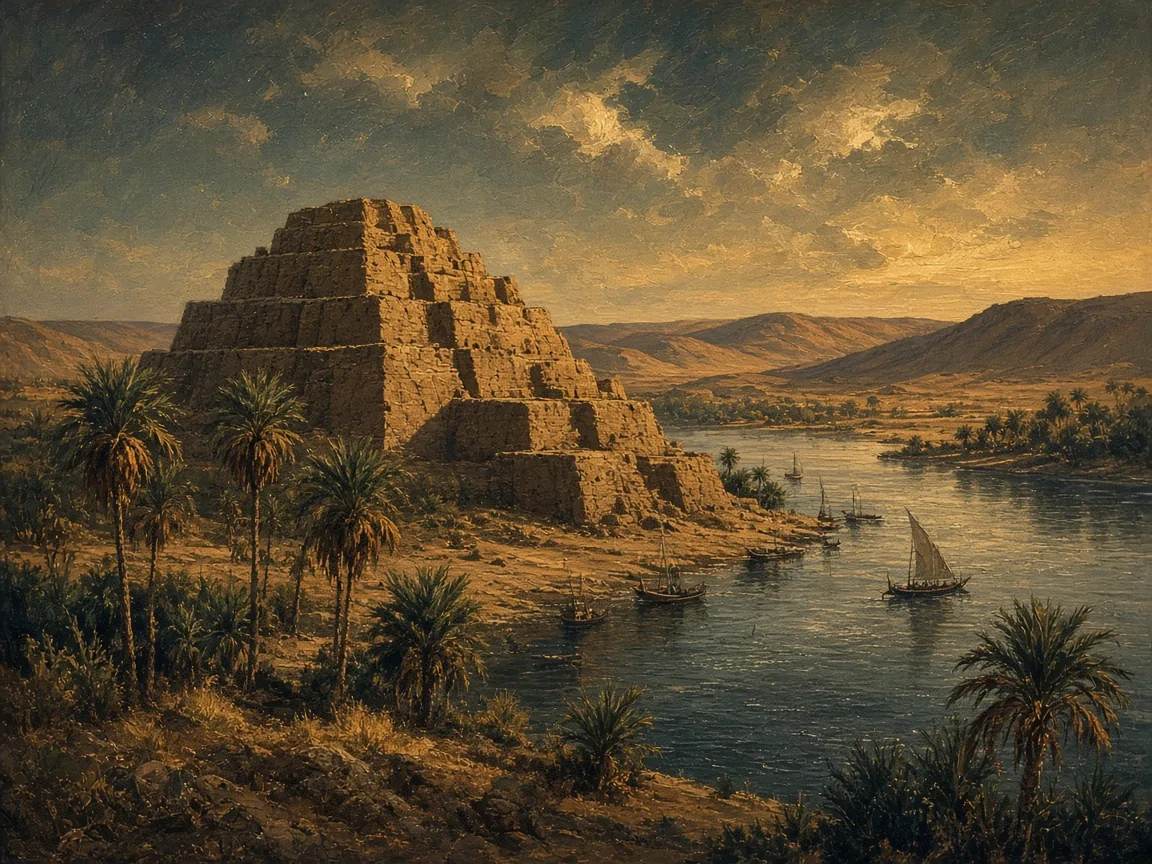
Illustration of Bronze Age landscape
Chapter 3

Bronze Age

1,500 BCE to 500 BCE

Bronze Age communities.

Explore this period

Overview

Around 2500–2000 BCE, parts of Ethiopia were occupied by farming and herding communities living in varied landscapes. Material remains reflect increasing long-term settlement and regional differences in how people built, worked, and used everyday goods.

Region & Environment

The Ethiopian highlands and adjacent lowlands offered diverse ecologies. Highlands could support crop cultivation and long-term habitation, while surrounding environments provided grazing and seasonal resources. This environmental mosaic shaped where people settled, how they obtained water, and how they timed agricultural and pastoral activities.

Historical Context

This era belongs to the broader pre-Aksumite sequence in the Horn of Africa, before the emergence of later states and written traditions associated with Aksumite Ethiopia. In the centuries around 2500 BCE, communities were not isolated: exchange networks and shared technologies across the region are suggested by recurring material styles and by similarities in domestic and craft practices.

Populations & Lifeways

People likely combined crop-growing with animal husbandry, alongside hunting and gathering where conditions supported them. Settlement patterns indicate that many groups practiced enduring residence rather than purely mobile lifeways, though seasonal movement within local landscapes cannot be ruled out. Daily life would have included food processing, tool-making, and maintaining domestic spaces.

Archaeology & Material Culture

Archaeological signatures for this timeframe commonly emphasize domestic debris, settlement traces, and craft production rather than monumental architecture. Finds often include pottery used for cooking and storage, ground stone tools for processing plant foods, and working debris related to everyday manufacturing. Over time, regional trends in ceramic and other artifact forms can help distinguish local traditions.

Culture & Society

Social organization is inferred mainly from household-scale evidence and regional artifact patterning. Craft and household production likely played a central role in provisioning communities, while patterned exchange—suggested by shared material traits—may have connected groups across environmental zones. Emphasis on durable domestic technologies points to stable routines of food production and storage.

Legacy & Transition

The material foundations of earlier pre-Aksumite lifeways helped set the stage for later developments in Ethiopian history: changes in settlement scale, craft specialization, and regional interaction. As subsequent periods unfolded, archaeological visibility and the diversity of material culture increased, culminating in later phases that are better documented through additional evidence.

What your data actually shows

0/100 period similarity
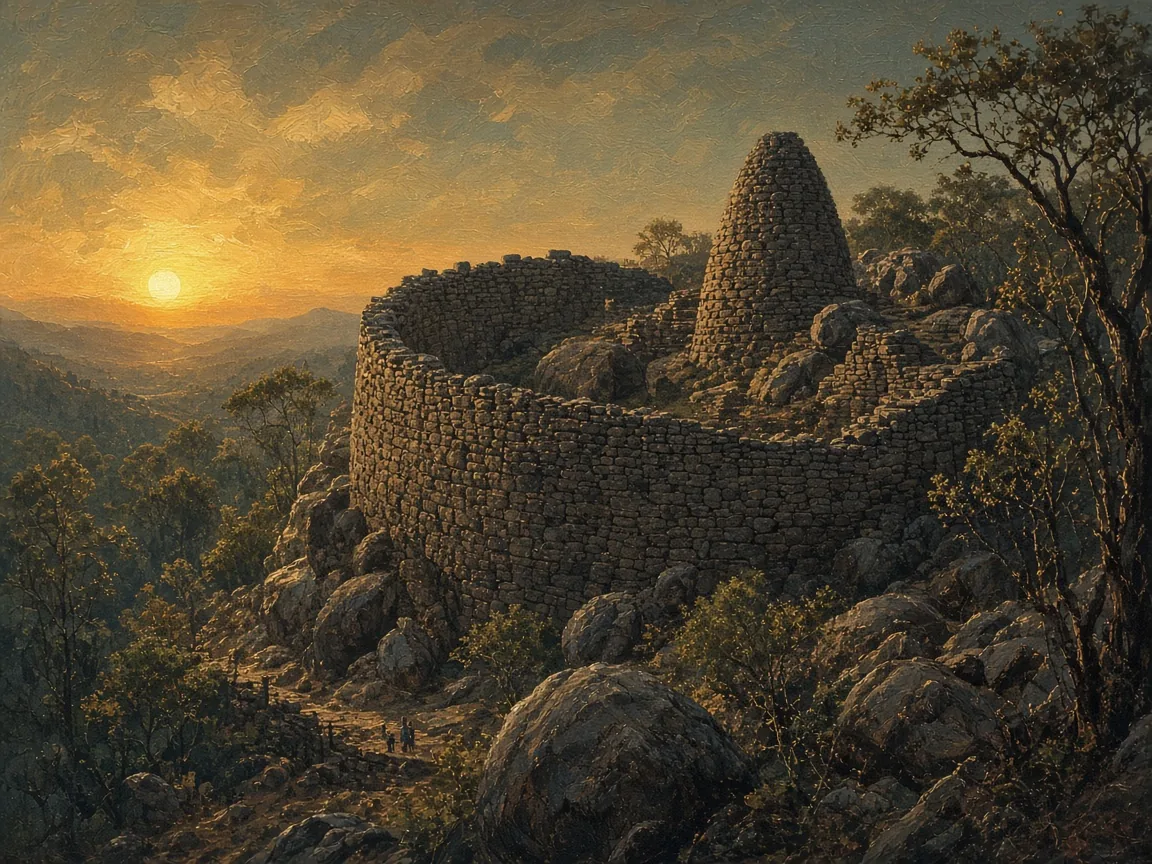
Illustration of Iron Age landscape
Chapter 4

Iron Age

500 BCE to 500 CE

Iron Age and early farming societies.

Explore this period

Region & Environment

Nqoma Early Iron Age communities lived in Botswana’s interior, in landscapes shaped by seasonal rainfall and river systems. The environment supported mixed livelihoods that could draw on cultivated crops where soils and water allowed, as well as herding and hunting in surrounding woodlands and grasslands.

Historical Context

This era falls within the early Iron Age in southern Africa, when iron production and tool use became increasingly widespread alongside expanding agricultural and pastoral practices. Across the region, changing settlement patterns and material practices reflect both local developments and connections with wider cultural trends.

Populations & Lifeways

The people associated with the Nqoma tradition were part of Bantu-speaking populations in the broader region, organizing daily life around farming and livestock management while also relying on hunting and foraging to supplement diets. Households typically produced the equipment they needed for work and daily tasks, and community networks likely supported exchanges of metal goods, livestock, and other resources.

Archaeology & Material Culture

Archaeological identification of Nqoma-related remains typically relies on patterns in ceramics and the presence of iron tools. Pottery forms, firing and temper choices, and vessel decoration (where preserved) help distinguish this tradition from neighboring ones. Ironworking is evidenced by the production and use of domestic and agricultural implements, though the specifics of production technology can vary and are often inferred from artifact assemblages.

Culture & Society

Material culture indicates organized household production and shared technical knowledge, particularly in ceramic manufacture and the working of iron. Social life would have been structured through kinship and community obligations, with labor coordinated for land use, herding, and maintenance of settlement infrastructure. Distinctive pottery styles and metal tool kits suggest that communities maintained recognizable traditions while interacting with neighbors.

Legacy & Transition

As the early Iron Age continued, material practices in Botswana likely changed gradually through interaction, movement of groups, and evolving economic strategies. The Nqoma tradition contributes to a longer sequence that shows how iron technology, farming, and herding were integrated into regional lifeways over time, eventually giving way to later Iron Age developments.

What your data actually shows

56/100 period similarity Strongest period
Illustration of Swahili Coast landscape
Chapter 5

Swahili Coast

500 CE to 1,500 CE

Indian Ocean coastal trading societies.

Explore this period

Region & Environment

Manda Island lies along the Kenya coast within an environment shaped by the Western Indian Ocean—its marine resources, sheltered coastal zones, and navigation routes. Coastal conditions supported both fishing and trade-related provisioning, while nearby hinterlands offered opportunities for cultivation and resource access.

Historical Context

Between 800 and 1500 CE, the Swahili coast formed part of a broader Indian Ocean world connecting East Africa with traders and travelers from across the region. Sites like Manda Island are interpreted through archaeological sequences that show sustained coastal settlement and changing material connections over time.

Populations & Lifeways

Swahili coastal lifeways combined maritime activities with terrestrial provisioning. Communities likely included households engaged in fishing, craft production, and cultivation in suitable areas, supported by networks for exchanging goods and people.

Archaeology & Material Culture

Archaeological evidence from Swahili contexts frequently includes ceramics, building or occupation traces, and artifacts that reflect both local traditions and traded items. For Manda Island, material culture helps document how residents participated in wider exchange systems while maintaining recognizable local coastal styles.

Culture & Society

Swahili society is commonly characterized by urban or nucleated settlement patterns and distinctive material traditions. Social identity would have been expressed through everyday consumption, craft practices, and the built environment, with varying degrees of influence from distant trading partners.

Legacy & Transition

As the medieval period progressed, coastal exchange networks and regional politics continued to evolve. By the end of the 15th century, these changes contributed to new configurations of settlement and trade along the Swahili coast, building on the earlier foundations represented by sites such as Manda Island.

What your data actually shows

0/100 period similarity
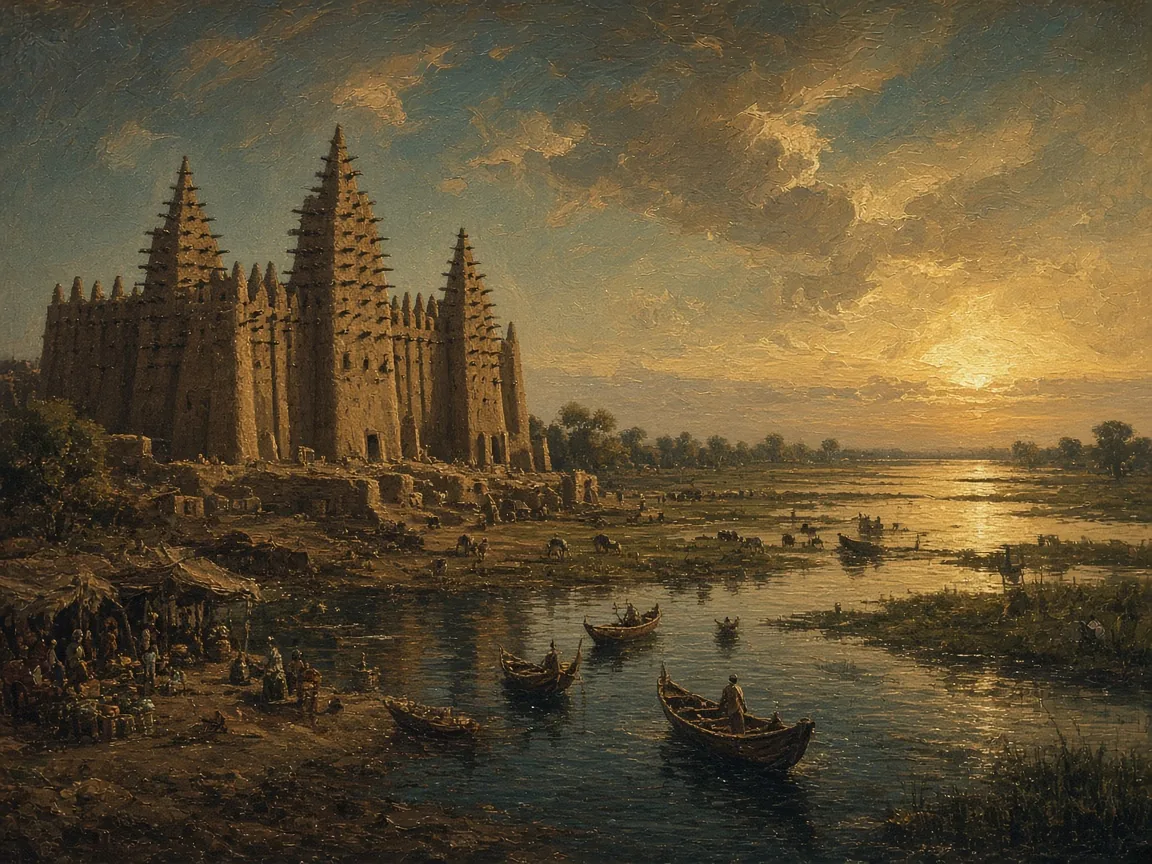
Illustration of Great Kingdoms landscape
Chapter 6

Great Kingdoms

500 CE to 1,500 CE

African kingdoms and urban centers.

Explore this period

Region & Environment

Kenya includes coastlines, highlands, and interior savannas, producing varied rainfall patterns and ecological niches. Such diversity supported multiple subsistence strategies, ranging from pastoral mobility in parts of the interior to more sedentary farming in favorable zones.

Historical Context

In 1600–1700 CE, eastern Africa was shaped by changing networks across the Indian Ocean and within the region. Along the Kenyan coast, Swahili communities participated in long-distance maritime exchange, while inland populations followed region-specific economic systems that could include pastoralism and cultivation.

Populations & Lifeways

A pastoral emphasis is suggested for some areas by archaeological patterns that fit animal-management strategies and seasonal resource use. In coastal and near-coastal settings, Swahili-linked lifeways are associated with villages and trade-oriented economies, though the precise balance between farming, herding, fishing, and craft production can vary by locality.

Archaeology & Material Culture

Archaeological evidence for this period may include iron-related artifacts and pastoral-era cultural signatures, as well as material associated with Swahili-linked communities in coastal contexts. Surviving features such as settlement remains, burial practices, and artifact assemblages help indicate household activities—tools, craft debris, and domestic goods—and can reveal connections to broader regional exchange.

Culture & Society

Where Swahili-influenced communities are present, culture is often expressed through craft traditions and trade goods, reflecting social organization tied to maritime exchange. Inland societies show patterns consistent with pastoral and/or mixed economies, with social difference expressed through settlement organization and variability in artifact assemblages.

Legacy & Transition

By the 17th century, Kenyan regional histories continued to develop under the influence of both long-distance trade and changing local political and economic conditions. The material record of 1600–1700 CE is part of these longer transitions, linking earlier Iron Age lifeways and exchange patterns to later historical developments.

What your data actually shows

0/100 period similarity
Illustration of Protohistoric landscape
Chapter 7

Protohistoric

500 CE to 1,500 CE

Late precolonial population histories.

What your data actually shows

0/100 period similarity
Illustration of Historic landscape
Chapter 8

Historic

1,000 CE to 1,900 CE

Historic-period communities.

Explore this period

Overview

This entry provides a very wide prehistoric bracket for Tanzania labeled by MajorCategory and era as an “Africa East Pastoralist” context. Within such a broad timeframe (100,000–1000 BCE), the archaeological emphasis is on stone-based technologies and shifting patterns of movement, subsistence, and site use.

Region & Environment

Tanzania’s environments are highly varied, including grasslands, woodlands, uplands, and lake and river systems. Resource distribution and water availability would have shaped where people could live year-round and where seasonal movement was necessary. Geological conditions also influenced access to suitable raw materials for toolmaking.

Historical Context

Over tens of thousands of years, climatic variation and ecological change likely altered the availability of animals and plant resources. In the long view toward the late Pleistocene and Holocene, archaeological assemblages reflect adaptation—often through changes in stone tool technology and in how landscapes were used.

Populations & Lifeways

Because the timeframe is broad, populations would not have been uniform. However, general expectations for prehistoric Tanzania include mobile foraging and/or early pastoralist strategies in some areas, with households organizing daily tasks around hunting, gathering, and processing, and later incorporating more sustained food production in some contexts.

Archaeology & Material Culture

The archaeological record at this scale is dominated by stone artifacts, including tools made from locally available rock. Ceramics may appear in later parts of the sequence in some regions, but within the provided bracket the most reliable emphasis is on lithic technology, patterns of reduction, and evidence for repeated site occupation when preserved.

Culture & Society

Cultural identity in deep prehistory is inferred through consistent technological practices and recurring patterns in assemblages. Such patterns may represent learned traditions within groups and, at times, interaction among neighboring communities, but the evidence cannot securely map named peoples or political structures.

Legacy & Transition

As later periods unfold toward the second and first millennia BCE, archaeological evidence increasingly reflects diversified lifeways and the beginnings of broader technological shifts. The transition from primarily stone-based signatures to later metal and more structured settlement systems is gradual and regional, building on long-term knowledge of Tanzanian landscapes.

What your data actually shows

0/100 period similarity

What this means

Your results show similarity to reference populations across several periods of Sub-Saharan Africa's past, with the strongest similarity in the Iron Age period. This pattern reflects how later populations mixed with and partly replaced earlier ones. It describes statistical similarity between your DNA and ancient reference samples from each period, not a record of your personal ancestors or family tree, and as with all genetic research there is still much we do not know.

Explore the individuals
  • ContinuitySimilarity that persists across periods
  • MigrationLayers added by new arrivals
  • UncertaintyReference panels keep evolving
Use code for 35% off • Expires Oct 09