Mesolithic
10,000 BCE to 5,000 BCE
Atlantic and inland hunter-gatherer communities.
Explore this period
Overview
The Mesolithic period in France spans roughly 10,000–6,000 BCE, when postglacial climates stabilized and human groups practiced broadly foraging-based lifeways. Archaeological records emphasize stone tool industries, seasonal site use, and diets shaped by local aquatic and terrestrial resources.
Region & Environment
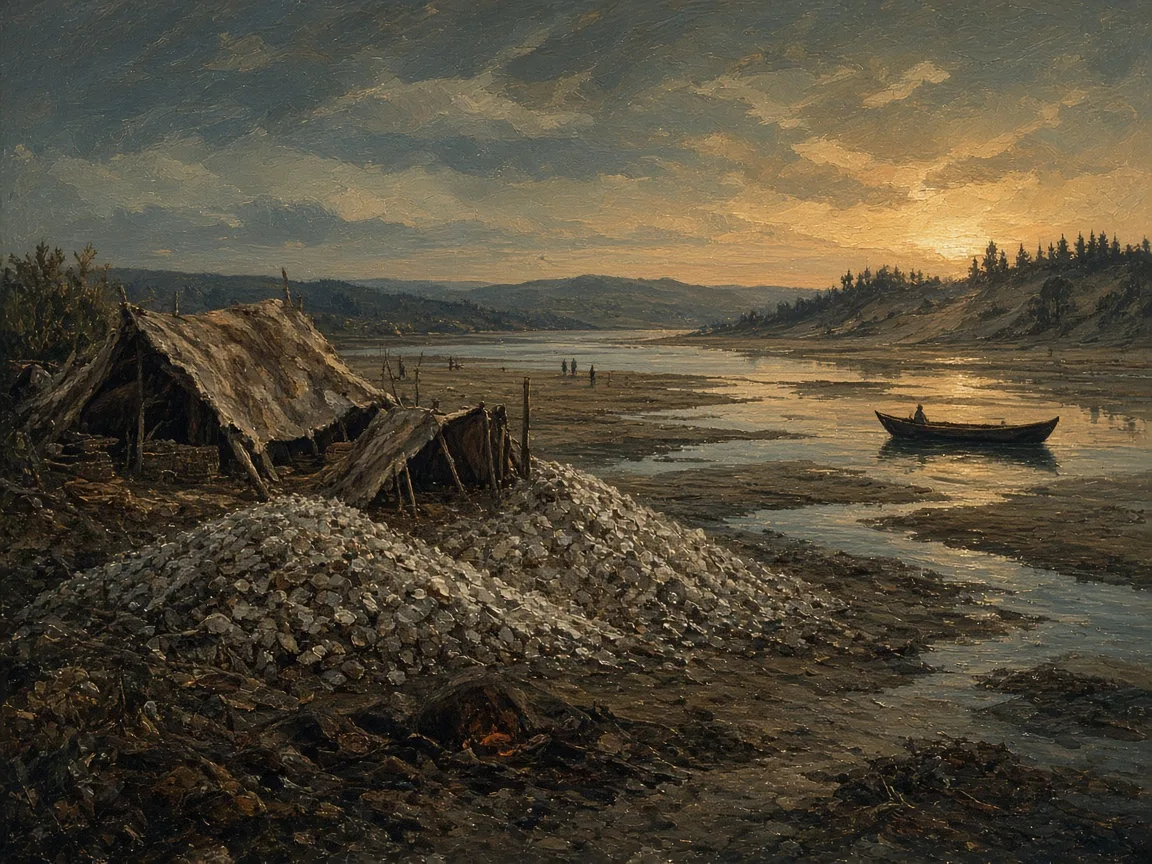
During the Mesolithic, France’s environments varied from coastal zones to river valleys and inland woodlands. As temperatures improved after the last glacial phases, forests expanded and habitats diversified. People could exploit shifting ecological opportunities—such as fish runs in rivers, shellfish in coastal areas, and game and plant resources in wooded landscapes—often leading to repeated seasonal occupation of favorable locations.
Historical Context
The Mesolithic is best understood as a bridge between Palaeolithic hunter-gatherer systems and later Neolithic farming in parts of Europe. In France, this era precedes the widespread introduction of agriculture and pottery traditions associated with the Neolithic. Instead, technological and subsistence strategies reflect adaptation to rapidly changing postglacial conditions.
Populations & Lifeways
Mesolithic communities were generally mobile to semi-mobile, organizing movement around resource availability and seasonal cycles. Subsistence relied on hunting terrestrial animals and on fishing and gathering plant foods; aquatic resources were especially important in many areas. Social organization is difficult to reconstruct in detail, but evidence from repeated site use and shared manufacturing practices suggests stable networks of interaction.
Archaeology & Material Culture
Archaeology for this period is dominated by lithic remains, including microlithic and other shaped stone tools used for cutting, hunting, and processing food. Settlement traces—often low-density scatters or feature-poor sites—reflect short-term occupation rather than permanent villages. Organic materials usually survive poorly, so technological interpretations commonly rely on stone tool typology, wear, and the spatial organization of finds.
Culture & Society
Mesolithic “cultures” in western Europe are frequently defined by patterns in toolmaking rather than by large-scale architectural remains. Shared approaches to stone-working indicate communication or common traditions across regions. Mobility and seasonal practice also imply flexible social arrangements, with people likely coordinating travel and exchange through networks that varied over time.
Legacy & Transition
The Mesolithic ends as farming communities and associated material practices expand across portions of France in the Neolithic. This transition was not instantaneous everywhere: foraging strategies persisted in some localities while agricultural lifeways became increasingly prominent. Archaeological sequences from Mesolithic to Neolithic help track how ecosystems, mobility patterns, and tool traditions changed as agriculture took hold.