Menu
Store
Blog
Skin

Skin

The living canvas of your heritage

Discover what your genetics reveal about your skin. These insights reflect tendencies, not certainties — possibilities shaped by both biology and life experience.

Analyzing: DEMO REPORT
7 Traits
4 High
0 Medium
3 Low

What Are Skin Traits?

Explore how your genetic variations influence characteristics related to skin.

Genetic Markers

Each trait connects to specific genetic variants identified through research

Scientific Evidence

Results backed by peer-reviewed studies with transparent quality ratings

Personal Context

Your results compared to population averages for meaningful perspective

Clear Explanations

Each trait explained in accessible language with supporting details

Key Insights

Genetic Foundation: Environmental factors (sun exposure, humidity), lifestyle habits (skincare, nutrition), and genetics all influence skin health and appearance.

Environmental Factors: Environmental factors (sun exposure, humidity), lifestyle habits (skincare, nutrition), and genetics all influence skin health and appearance.

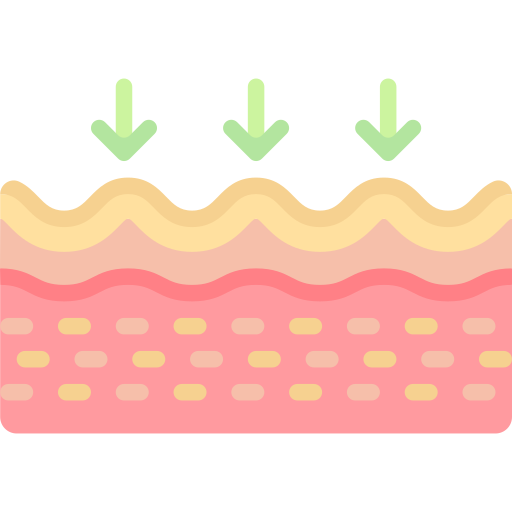
Core Function: In the dermis, collagen and elastin fibers grant strength and elasticity, while networks of blood vessels, sweat glands, and hair follicles regulate temperature and hydration.

Beyond protection, skin performs vital functions: sensory receptors detect touch, pressure, and temperature; immune cells patrol against pathogens; and vitamin D synthesis begins when UV light interacts with skin.

Skin is the body’s largest organ, providing protection, temperature regulation, and a barrier against pathogens.

Your Traits Profile

A summary of your genetic predispositions across 7 traits

7
Total Traits
4
High Predisposition
0
Medium Predisposition
3
Low Predisposition
Psoriasis susceptibility

Higher Psoriasis susceptibility predisposition

Rosacea susceptibility

Higher Rosacea susceptibility predisposition

Scar healing quality

Higher Scar healing quality predisposition

Skin resistance to sun

Higher Skin resistance to sun

Skin youthfulness
Skin youthfulness

Lower Skin youthfulness predisposition

Varicose veins susceptibility

Higher Varicose veins susceptibility predisposition

Wrinkle resistance
Wrinkle resistance

Higher Wrinkle resistance

How to Read Your Traits

Understanding genetic trait reports requires context. Here's what to keep in mind.

1

Genetics Influence, Not Determine

Your genes provide tendencies and predispositions, not fixed outcomes. Most traits emerge from complex interactions between multiple genes and life experiences.

2

Environment Matters Equally

Lifestyle, environment, and personal choices play crucial roles in how genetic tendencies express themselves. Biology provides possibilities; life shapes outcomes.

3

Results Are Associations

These findings represent statistical associations observed in research populations. They indicate tendencies and likelihoods, not certainties about any individual.

4

Science Continues to Evolve

Genetic research advances constantly. Results may be refined as new studies emerge. We update our database regularly to reflect current understanding.

These reports are for educational and informational purposes. They do not constitute medical advice or diagnosis. Consult healthcare professionals for medical decisions.

Your Skin Traits

Click on any trait to view detailed analysis and scientific information

Search Traits
Sort By
0 filters applied

7 traits found

Showing: Skin

Higher Psoriasis susceptibility predisposition
Psoriasis susceptibility refers to your genetic predisposition for developing psoriasis, a chronic skin condition characterized by red, scaly patches. This includes your risk of developing this autoimmune skin disorder.

Your genetic makeup influences how your immune system functions and responds to triggers that can cause psoriasis. Some people are genetically predisposed to have lower psoriasis susceptibility, while others may have genetic variations that affect their risk of developing this condition.

Understanding your psoriasis susceptibility can help explain your skin health characteristics and potentially your skin care needs. People with different susceptibility levels may have different considerations for skin care and potentially different approaches to managing skin health.

It's important to remember that while genetics play a major role in psoriasis susceptibility, other factors such as stress, infections, and environmental triggers also significantly impact your risk of developing psoriasis.
Higher Rosacea susceptibility predisposition
Rosacea susceptibility refers to your genetic predisposition for developing rosacea, a chronic skin condition characterized by facial redness and visible blood vessels. This includes your risk of experiencing rosacea symptoms.

Your genetic makeup influences how your skin responds to environmental triggers and inflammation. Some people are genetically predisposed to have lower rosacea susceptibility, while others may have genetic variations that affect their skin sensitivity.

Understanding your rosacea susceptibility can help explain your skin characteristics and potentially your skincare needs. People with different susceptibility levels may have different approaches to skin care and potentially different strategies for managing skin sensitivity.

It's important to remember that while genetics play a major role in rosacea, other factors such as environmental triggers, skincare routines, and stress levels also significantly impact your skin condition.
Higher Scar healing quality predisposition
Scar healing quality refers to your body's ability to heal wounds and injuries with minimal scarring. Good scar healing results in less visible and more cosmetically appealing scars.

Your genetic makeup influences how your body responds to injury and how it forms scar tissue during the healing process. Some people are genetically predisposed to have better scar healing, while others may have genetic variations that affect their wound healing and scar formation.

Understanding your scar healing quality can help you make informed decisions about potential surgeries or procedures. People with good scar healing may have more confidence in elective procedures, while others may need to be more mindful about scar management.

It's important to remember that while genetics play a role in scar healing, other factors such as wound care, nutrition, and overall health also significantly impact how your scars heal and appear.
Higher Skin resistance to sun
Skin resistance to sun refers to your genetic predisposition for withstanding sun exposure without adverse effects. This includes your skin's natural protection against UV radiation damage.

Your genetic makeup influences how your skin develops protective mechanisms against sun damage. Some people are genetically predisposed to have better skin resistance to sun, while others may have genetic variations that affect their skin's UV protection.

Understanding your skin resistance to sun can help explain your skin characteristics and potentially your sun protection needs. People with different resistance levels may have different approaches to sun exposure and potentially different strategies for skin protection.

It's important to remember that while genetics play a major role in skin resistance to sun, other factors such as sun protection habits, skin care routines, and environmental exposure also significantly impact your skin's health.
Lower Skin youthfulness predisposition
Skin youthfulness refers to genetic factors that help maintain youthful skin characteristics such as firmness, elasticity, and radiance. Good skin youthfulness genes help slow down the visible signs of aging.

Your genetic makeup influences how your skin ages and how quickly it shows signs of aging such as wrinkles, fine lines, and loss of elasticity. Some people are genetically predisposed to have more youthful skin, while others may have genetic variations that affect their skin's aging process.

Understanding your skin youthfulness can help you make informed decisions about your skincare routine and potentially your need for anti-aging treatments. People with good skin youthfulness genes may require less intensive anti-aging regimens, while others may need to be more proactive about skin care.

It's important to remember that while genetics play a role in skin youthfulness, other factors such as sun exposure, diet, skincare habits, and lifestyle choices also significantly impact your skin's appearance and aging process.
Higher Varicose veins susceptibility predisposition
Varicose veins susceptibility refers to your genetic predisposition for developing varicose veins, which are enlarged, twisted veins that commonly occur in the legs. This includes your risk of developing this circulatory condition.

Your genetic makeup influences how your blood vessels develop and function, particularly the valves in your veins. Some people are genetically predisposed to have lower varicose veins susceptibility, while others may have genetic variations that affect their risk of developing this condition.

Understanding your varicose veins susceptibility can help explain your circulatory health characteristics and potentially your vascular care needs. People with different susceptibility levels may have different considerations for circulatory health and potentially different approaches to managing vascular health.

It's important to remember that while genetics play a major role in varicose veins susceptibility, other factors such as age, pregnancy, obesity, and prolonged standing also significantly impact your risk of developing varicose veins.
Higher Wrinkle resistance
Wrinkle resistance refers to genetic factors that help prevent the formation of fine lines and wrinkles. Good wrinkle resistance helps maintain smooth, youthful skin.

Your genetic makeup influences how your skin responds to various factors that can cause wrinkles, including aging, sun exposure, and facial expressions. Some people are genetically predisposed to have better wrinkle resistance, while others may have genetic variations that make them more susceptible to wrinkle formation.

Understanding your wrinkle resistance can help you make informed decisions about your skincare routine and potentially your need for anti-wrinkle treatments. People with good wrinkle resistance may require less intensive anti-aging regimens, while others may need to be more proactive about wrinkle prevention.

It's important to remember that while genetics play a role in wrinkle resistance, other factors such as sun exposure, smoking, diet, and skincare habits also significantly impact your skin's tendency to develop wrinkles.
Lower Anxiety susceptibility predisposition
Anxiety susceptibility refers to your genetic predisposition for experiencing anxiety and tension. This includes your risk of developing anxiety disorders and your general tendency toward anxious feelings.

Your genetic makeup influences how your brain processes stress and emotional responses, particularly in areas related to anxiety regulation. Some people are genetically predisposed to have lower anxiety susceptibility, while others may have genetic variations that affect their emotional regulation.

Understanding your anxiety susceptibility can help explain your emotional characteristics and potentially your stress management approaches. People with different susceptibility levels may have different approaches to emotional regulation and potentially different strategies for managing anxiety.

It's important to remember that while genetics play a major role in anxiety susceptibility, other factors such as environment, upbringing, and stress management techniques also significantly impact your anxiety responses.
Higher Artificially sweetened beverage consumption tendency
Artificially sweetened beverage consumption tendency refers to your genetic predisposition for preferring and consuming drinks with non-nutritive sweeteners like diet sodas and sugar-free beverages. This includes your taste preferences for artificially sweetened drinks.

Your genetic makeup influences how your taste receptors develop and function, particularly those responsible for detecting sweet compounds. Some people are genetically predisposed to have higher artificially sweetened beverage consumption tendencies, while others may have genetic variations that affect their taste preferences.

Understanding your artificially sweetened beverage consumption tendency can help explain your taste preferences and potentially your dietary choices. People with different tendencies may have different beverage preferences and potentially different approaches to nutrition.

It's important to remember that while genetics play a major role in artificially sweetened beverage consumption tendency, other factors such as culture, environment, and personal experience also significantly impact your beverage preferences.
Lower Astigmatism susceptibility predisposition
Astigmatism susceptibility refers to your genetic predisposition for developing astigmatism, a common vision condition that causes blurred vision. This includes your risk of experiencing corneal irregularities.

Your genetic makeup influences how your cornea and eye structures develop during growth. Some people are genetically predisposed to have lower astigmatism susceptibility, while others may have genetic variations that affect their corneal shape.

Understanding your astigmatism susceptibility can help explain your visual characteristics and potentially your eye health needs. People with different susceptibility levels may have different approaches to eye care and potentially different strategies for maintaining visual health.

It's important to remember that while genetics play a major role in astigmatism, other factors such as eye care, corrective lenses, and regular eye exams also significantly impact your visual development.
Higher Attention Deficit Hyperactivity Disorder predisposition
Attention Deficit Hyperactivity Disorder (ADHD) refers to your genetic predisposition for developing symptoms of inattention, hyperactivity, and impulsivity. This includes your risk of experiencing challenges with focus, organization, and self-control.

Your genetic makeup influences how your brain develops and functions, particularly in areas related to attention and impulse regulation. Some people are genetically predisposed to have lower ADHD risk, while others may have genetic variations that affect their attention and behavior.

Understanding your ADHD predisposition can help explain your cognitive and behavioral characteristics and potentially your learning and work preferences. People with different risk levels may have different approaches to managing attention and potentially different strategies for organization.

It's important to remember that while genetics play a major role in ADHD, other factors such as environment, upbringing, and educational support also significantly impact your attention and behavior.
Lower Autism spectrum disorder predisposition
Autism spectrum disorder refers to your genetic predisposition for developing characteristics associated with autism, including differences in social communication, behavior, and sensory processing. This includes your risk of experiencing traits along the autism spectrum.

Your genetic makeup influences how your brain develops and processes information, particularly in areas related to social interaction and communication. Some people are genetically predisposed to have lower autism risk, while others may have genetic variations that affect their neurodevelopment.

Understanding your autism spectrum predisposition can help explain your cognitive and behavioral characteristics and potentially your learning and social preferences. People with different risk levels may have different approaches to social interaction and potentially different strategies for communication.

It's important to remember that while genetics play a major role in autism spectrum disorder, other factors such as environment, early intervention, and support also significantly impact your development.
Lower Bipolar disorder predisposition
Bipolar disorder refers to your genetic predisposition for developing mood swings that include emotional highs (mania or hypomania) and lows (depression). This includes your risk of experiencing symptoms of bipolar disorder.

Your genetic makeup influences how your brain regulates mood and emotional responses. Some people are genetically predisposed to have lower bipolar disorder risk, while others may have genetic variations that affect their mood regulation.

Understanding your bipolar disorder predisposition can help explain your emotional and behavioral characteristics and potentially your mental health needs. People with different risk levels may have different approaches to managing mood and potentially different strategies for emotional regulation.

It's important to remember that while genetics play a major role in bipolar disorder, other factors such as environment, stress, and support systems also significantly impact your mood and mental health.
Higher Bitter alcoholic beverage consumption tendency
Bitter alcoholic beverage consumption tendency refers to your genetic predisposition for preferring and consuming bitter alcoholic drinks like certain beers, wines, and spirits. This includes your taste preferences for bitter flavors in alcoholic beverages.

Your genetic makeup influences how your taste receptors develop and function, particularly those responsible for detecting bitter compounds. Some people are genetically predisposed to have higher bitter beverage consumption tendencies, while others may have genetic variations that affect their taste preferences.

Understanding your bitter alcoholic beverage consumption tendency can help explain your taste preferences and potentially your dietary choices. People with different tendencies may have different beverage preferences and potentially different approaches to alcohol consumption.

It's important to remember that while genetics play a major role in bitter beverage consumption tendency, other factors such as culture, environment, and personal experience also significantly impact your beverage preferences.
Higher Bitter beverage consumption tendency
Bitter beverage consumption tendency refers to your genetic predisposition for preferring and consuming bitter drinks like certain teas, coffees, and herbal beverages. This includes your taste preferences for bitter flavors in beverages.

Your genetic makeup influences how your taste receptors develop and function, particularly those responsible for detecting bitter compounds. Some people are genetically predisposed to have higher bitter beverage consumption tendencies, while others may have genetic variations that affect their taste preferences.

Understanding your bitter beverage consumption tendency can help explain your taste preferences and potentially your dietary choices. People with different tendencies may have different beverage preferences and potentially different approaches to nutrition.

It's important to remember that while genetics play a major role in bitter beverage consumption tendency, other factors such as culture, environment, and personal experience also significantly impact your beverage preferences.
Lower Bone Mineral Density
Bone density, or bone mineral density, is the amount of bone mineral in bone tissue. The concept refers to the mass of mineral per volume of bone, although clinically it is measured by proxy according to optical density per square centimeter of bone surface upon imaging.

Your genetic makeup influences how your body builds and maintains bone density. Some people are genetically predisposed to have better bone density, while others may have genetic variations that affect their bone health and density.

Understanding your bone mineral density can help you make informed decisions about your diet, exercise, and potentially your need for bone health supplements. People with good bone density may have stronger bones and lower risk of fractures, while others may need to be more proactive about bone health.

It's important to remember that while genetics play a role in bone density, other factors such as diet, exercise, calcium intake, and overall health also significantly impact your bone health.
Average genetic predisposition
Bone strength refers to genetic factors that contribute to strong, healthy bones. Good bone strength helps prevent fractures and supports overall skeletal health.

Your genetic makeup influences how your body builds and maintains bone strength. Some people are genetically predisposed to have stronger bones, while others may have genetic variations that affect their bone health and strength.

Understanding your bone strength can help you make informed decisions about your diet, exercise, and potentially your need for bone health supplements. People with good bone strength may have lower risk of fractures and better overall skeletal health, while others may need to be more proactive about bone health.

It's important to remember that while genetics play a role in bone strength, other factors such as diet, exercise, calcium intake, and overall health also significantly impact your bone health and fracture risk.
Lower Bulimia nervosa susceptibility predisposition
Bulimia nervosa susceptibility refers to your genetic predisposition for developing bulimia nervosa, an eating disorder characterized by episodes of binge eating followed by compensatory behaviors. This includes your risk of developing this eating disorder.

Your genetic makeup influences how your brain regulates appetite, impulse control, and emotional responses. Some people are genetically predisposed to have lower bulimia nervosa susceptibility, while others may have genetic variations that affect their eating behaviors.

Understanding your bulimia nervosa susceptibility can help explain your eating and emotional characteristics and potentially your health needs. People with different susceptibility levels may have different approaches to managing eating behaviors and potentially different strategies for emotional regulation.

It's important to remember that while genetics play a major role in bulimia nervosa, other factors such as environment, stress, and support systems also significantly impact your risk of developing this condition.
Higher Bunions susceptibility predisposition
Bunions susceptibility refers to your genetic predisposition for developing bunions, bony bumps that form on the joint at the base of your big toe. This includes your risk of experiencing foot deformities.

Your genetic makeup influences how your foot bones and joints develop and respond to pressure. Some people are genetically predisposed to have lower bunions susceptibility, while others may have genetic variations that affect their foot structure.

Understanding your bunions susceptibility can help explain your foot characteristics and potentially your foot health needs. People with different susceptibility levels may have different approaches to foot care and potentially different strategies for preventing foot problems.

It's important to remember that while genetics play a major role in bunions, other factors such as footwear choices, foot care, and lifestyle habits also significantly impact your foot health.
Calcium Levels
Nutrition

Calcium Levels

215 variants
Higher Calcium Levels
Calcium is a mineral that makes up your bones and also exists as a dissolved salt in your blood that helps regulate various bodily functions. The normal range for blood calcium levels is typically 8.6 to 10.3 mg/dL.

Your body uses hormones to maintain normal calcium levels in your bloodstream. Calcium is essential for building and maintaining strong bones and teeth, and it also plays important roles in muscle function, nerve transmission, and blood clotting.

Your genetic makeup influences how efficiently your body absorbs and utilizes calcium from your diet. Some people are genetically predisposed to have better calcium absorption, while others may have genetic variations that affect their calcium metabolism.

Understanding your calcium levels can help you make informed decisions about your diet and potentially your need for calcium supplements. However, it's important to consult with a healthcare provider before making significant changes to your calcium intake.
Higher Coffee consumption tendency
Coffee consumption tendency refers to your genetic predisposition for preferring and consuming coffee beverages. This includes your taste preferences for coffee and potentially your caffeine sensitivity.

Your genetic makeup influences how your taste receptors develop and function, as well as how your body metabolizes caffeine. Some people are genetically predisposed to have higher coffee consumption tendencies, while others may have genetic variations that affect their coffee preferences and caffeine metabolism.

Understanding your coffee consumption tendency can help explain your taste preferences and potentially your dietary choices. People with different tendencies may have different beverage preferences and potentially different approaches to caffeine consumption.

It's important to remember that while genetics play a major role in coffee consumption tendency, other factors such as culture, environment, and personal experience also significantly impact your beverage preferences.
Higher Conduct disorder predisposition
Conduct disorder refers to your genetic predisposition for developing patterns of disruptive and antisocial behavior. This includes your risk of experiencing symptoms of conduct disorder.

Your genetic makeup influences how your brain regulates impulse control, aggression, and social behavior. Some people are genetically predisposed to have lower conduct disorder risk, while others may have genetic variations that affect their behavioral regulation.

Understanding your conduct disorder predisposition can help explain your behavioral characteristics and potentially your social and emotional needs. People with different risk levels may have different approaches to managing behavior and potentially different strategies for social interaction.

It's important to remember that while genetics play a major role in conduct disorder, other factors such as environment, upbringing, and support systems also significantly impact your behavior.
Higher Depression susceptibility predisposition
Depression susceptibility refers to your genetic predisposition for experiencing depressive symptoms and mood disturbances. This includes your risk of developing depression.

Your genetic makeup influences how your brain regulates mood and emotional responses. Some people are genetically predisposed to have lower depression susceptibility, while others may have genetic variations that affect their mood regulation.

Understanding your depression susceptibility can help explain your emotional and behavioral characteristics and potentially your mental health needs. People with different susceptibility levels may have different approaches to managing mood and potentially different strategies for emotional regulation.

It's important to remember that while genetics play a major role in depression, other factors such as environment, stress, and support systems also significantly impact your mood and mental health.
Higher Embarrassment worry susceptibility predisposition
Embarrassment worry susceptibility refers to your genetic predisposition for worrying excessively after embarrassing experiences. This includes your risk of dwelling on embarrassing moments.

Your genetic makeup influences how your brain processes social anxiety and embarrassment responses. Some people are genetically predisposed to have lower embarrassment worry susceptibility, while others may have genetic variations that affect their social anxiety.

Understanding your embarrassment worry susceptibility can help explain your social characteristics and potentially your approaches to social situations. People with different susceptibility levels may have different approaches to handling embarrassment and potentially different strategies for moving past awkward moments.

It's important to remember that while genetics play a major role in embarrassment worry, other factors such as self-esteem, social skills, and past experiences also significantly impact your social anxiety.
Average genetic predisposition
Emotional quotient (EQ) performance refers to your genetic predisposition for emotional intelligence, including the ability to understand, use, and manage emotions effectively. This includes empathy, social skills, and emotional regulation.

Your genetic makeup influences how you process and respond to emotions. Some people are genetically predisposed to have better EQ performance, while others may have genetic variations that affect their emotional intelligence and social skills.

Understanding your EQ performance can help you optimize your interpersonal relationships and potentially your need for emotional development strategies. People with good EQ may find it easier to navigate social situations, while others may need different approaches to emotional learning.

It's important to remember that while genetics play a role in EQ performance, other factors such as social experiences, emotional education, and overall mental health also significantly impact your emotional intelligence.
Higher Fed-up feelings susceptibility predisposition
Fed-up feelings susceptibility refers to your genetic predisposition for experiencing feelings of frustration, exhaustion, and being overwhelmed. This includes your risk of feeling fed up with daily life or circumstances.

Your genetic makeup influences how your brain processes stress and emotional responses. Some people are genetically predisposed to have lower fed-up feelings susceptibility, while others may have genetic variations that affect their emotional resilience.

Understanding your fed-up feelings susceptibility can help explain your emotional characteristics and potentially your stress management approaches. People with different susceptibility levels may have different approaches to coping with frustration and potentially different strategies for maintaining motivation.

It's important to remember that while genetics play a major role in fed-up feelings, other factors such as environment, stress levels, and support systems also significantly impact your emotional well-being.
Higher Food addiction susceptibility
Food addiction susceptibility refers to your genetic predisposition for developing compulsive eating behaviors and food addiction. This includes the tendency to overeat despite negative consequences and difficulty controlling food intake.

Your genetic makeup influences how your brain responds to food rewards and how you regulate eating behavior. Some people are genetically predisposed to have lower food addiction susceptibility, while others may have genetic variations that affect their eating behavior regulation.

Understanding your food addiction susceptibility can help you make informed decisions about your eating habits and potentially your need for eating behavior management strategies. People with lower susceptibility may find it easier to control their food intake, while others may need different approaches to healthy eating.

It's important to remember that while genetics play a role in food addiction susceptibility, other factors such as environment, stress, and overall mental health also significantly impact your eating behavior.
Lower Frontal fibrosing alopecia susceptibility predisposition
Frontal fibrosing alopecia susceptibility refers to your genetic predisposition for developing frontal fibrosing alopecia, a type of hair loss that affects the front of the scalp. This includes your risk of developing this scarring hair loss condition.

Your genetic makeup influences how your hair follicles develop and function, particularly in response to inflammatory processes. Some people are genetically predisposed to have lower frontal fibrosing alopecia susceptibility, while others may have genetic variations that affect their hair follicle health.

Understanding your frontal fibrosing alopecia susceptibility can help explain your hair characteristics and potentially your hair care needs. People with different susceptibility levels may have different considerations for hair care and potentially different approaches to managing hair health.

It's important to remember that while genetics play a major role in frontal fibrosing alopecia susceptibility, other factors such as age, hormonal changes, and environmental factors also significantly impact your risk of developing this condition.
Lower Gluten tolerance
Gluten tolerance refers to your body's ability to digest and process foods containing gluten without experiencing adverse reactions. Gluten is a protein found in wheat, barley, and rye that gives bread and other baked goods their structure and texture.

People with good gluten tolerance can consume these grains without experiencing digestive discomfort, inflammation, or other symptoms. Your genetic makeup influences how your body processes gluten and whether you're likely to experience sensitivity or intolerance.

While some people have celiac disease, a serious autoimmune condition triggered by gluten, others may have non-celiac gluten sensitivity, which causes similar symptoms but doesn't involve the same immune system response. Your genes help determine your individual response to gluten-containing foods.
Average genetic predisposition
Guilt feelings susceptibility refers to your genetic predisposition for experiencing excessive or persistent guilt feelings. This includes your risk of feeling guilty even when not warranted.

Your genetic makeup influences how your brain processes moral emotions and self-evaluation. Some people are genetically predisposed to have lower guilt feelings susceptibility, while others may have genetic variations that affect their moral sensitivity.

Understanding your guilt feelings susceptibility can help explain your emotional characteristics and potentially your moral decision-making approaches. People with different susceptibility levels may have different approaches to moral reasoning and potentially different strategies for managing guilt.

It's important to remember that while genetics play a major role in guilt feelings, other factors such as upbringing, culture, and personal experiences also significantly impact your moral emotions.
Lower Help-seeking from a doctor predisposition
Help-seeking from a doctor refers to your genetic predisposition for seeking medical help when needed. This includes your tendency to consult healthcare professionals for health concerns.

Your genetic makeup influences how your brain processes health concerns and risk assessment. Some people are genetically predisposed to have higher help-seeking tendencies, while others may have genetic variations that affect their healthcare-seeking behavior.

Understanding your help-seeking tendencies can help explain your health behavior characteristics and potentially your approach to healthcare. People with different tendencies may have different strategies for managing health concerns and potentially different approaches to preventive care.

It's important to remember that while genetics play a major role in help-seeking behavior, other factors such as access to healthcare, cultural background, and health literacy also significantly impact your healthcare decisions.
Higher Household income capacity predisposition
Household income capacity refers to your genetic predisposition for achieving higher income levels. This includes your potential for financial success and economic achievement.

Your genetic makeup influences various traits that contribute to income potential, including cognitive abilities, personality characteristics, and behavioral tendencies. Some people are genetically predisposed to have higher household income capacity, while others may have genetic variations that affect their economic potential.

Understanding your household income capacity can help explain your economic characteristics and potentially your career approaches. People with different capacity levels may have different approaches to financial planning and potentially different strategies for economic success.

It's important to remember that while genetics play a major role in income capacity, other factors such as education, opportunities, and personal choices also significantly impact your economic outcomes.
Average genetic predisposition
Hurt feelings susceptibility refers to your genetic predisposition for experiencing emotional pain and hurt feelings. This includes your risk of feeling hurt by others' words or actions.

Your genetic makeup influences how your brain processes emotional pain and social rejection. Some people are genetically predisposed to have lower hurt feelings susceptibility, while others may have genetic variations that affect their emotional sensitivity.

Understanding your hurt feelings susceptibility can help explain your emotional characteristics and potentially your social interaction approaches. People with different susceptibility levels may have different approaches to handling criticism and potentially different strategies for emotional resilience.

It's important to remember that while genetics play a major role in hurt feelings, other factors such as past experiences, self-esteem, and support systems also significantly impact your emotional responses.
Lower Information processing speed performance
Information processing speed performance refers to your genetic predisposition for quickly processing and responding to information. This includes your ability to rapidly take in, analyze, and respond to various types of information.

Your genetic makeup influences how your brain develops neural pathways and processing efficiency. Some people are genetically predisposed to have better information processing speed performance, while others may have genetic variations that affect their processing abilities.

Understanding your information processing speed performance can help explain your cognitive characteristics and potentially your learning approaches. People with different performance levels may have different approaches to information handling and potentially different strategies for improving processing speed.

It's important to remember that while genetics play a major role in information processing speed, other factors such as practice, cognitive training, and mental exercises also significantly impact your processing abilities.
Injury resistance
Sports & Wellness

Injury Resistance

Higher Injury resistance
Genetic factors that contribute to injury resistance and overall health. Your genetic makeup influences how your body responds to physical stress and how susceptible you are to various types of injuries.

Some people are genetically predisposed to have better injury resistance, while others may have genetic variations that affect their tissue strength, recovery ability, and injury susceptibility. Understanding your injury resistance can help you make informed decisions about your training intensity and potentially your need for injury prevention strategies.

People with good injury resistance may be able to train more intensively with lower risk of injury, while others may need to be more careful about their training load and recovery. It's important to remember that while genetics play a role in injury resistance, other factors such as training technique, recovery practices, and overall fitness level also significantly impact your injury risk.
Lower Iron Levels
Iron is an essential mineral that plays a crucial role in your body. Normal iron levels are generally between 35.5 and 44.9 percent for adult women and 38.3 to 48.6 percent for adult men. These values may change depending on your age.

Iron is a key component of hemoglobin, the protein in red blood cells that carries oxygen throughout your body. It's also important for energy production, immune function, and cognitive development.

Your genetic makeup influences how efficiently your body absorbs and utilizes iron from your diet. Some people are genetically predisposed to have better iron absorption, while others may have genetic variations that affect their iron metabolism.

Understanding your iron levels can help you make informed decisions about your diet and potentially your need for iron supplements. However, it's important to consult with a healthcare provider before making significant changes to your iron intake.
Lower Irritability susceptibility predisposition
Irritability susceptibility refers to your genetic predisposition for experiencing irritable moods and frustration. This includes your risk of becoming easily irritated or frustrated.

Your genetic makeup influences how your brain processes frustration and emotional regulation. Some people are genetically predisposed to have lower irritability susceptibility, while others may have genetic variations that affect their patience and tolerance.

Understanding your irritability susceptibility can help explain your emotional characteristics and potentially your stress management approaches. People with different susceptibility levels may have different approaches to handling frustration and potentially different strategies for maintaining patience.

It's important to remember that while genetics play a major role in irritability, other factors such as stress levels, sleep quality, and coping strategies also significantly impact your mood regulation.
Average genetic predisposition
Lead is a heavy metal that can be absorbed and stored in your bones, blood, and tissues. It doesn't stay in one place permanently but is stored as a source of continual internal exposure.

Your genetic makeup influences how your body processes and eliminates lead. Some people are genetically predisposed to have better lead metabolism, while others may have genetic variations that affect their ability to clear lead from their system.

Understanding your lead levels can help you make informed decisions about potential sources of lead exposure in your environment. High lead levels can have various health effects, so it's important to be aware of your body's ability to handle this metal.

If you have concerns about lead exposure, it's important to consult with a healthcare provider who can help you understand your levels and provide guidance on reducing exposure if necessary.
Higher Left-handedness predisposition
Left-handedness refers to your genetic predisposition for preferring to use your left hand for tasks that require precision and skill. This includes your natural hand dominance and motor coordination patterns.

Your genetic makeup influences how your brain develops and which hand becomes your dominant one. Some people are genetically predisposed to be left-handed, while others may have genetic variations that affect their hand dominance development.

Understanding your left-handedness can help explain your motor characteristics and potentially your learning preferences. People with different hand dominance may have different approaches to certain tasks and potentially different considerations for tools and equipment designed for right-handed individuals.

It's important to remember that while genetics play a major role in left-handedness, other factors such as brain development and environmental influences also significantly impact your hand dominance.
Higher Life satisfaction predisposition
Life satisfaction refers to your genetic predisposition for experiencing overall satisfaction with your life. This includes your tendency to feel content and fulfilled with your life circumstances.

Your genetic makeup influences how your brain processes life evaluation and contentment. Some people are genetically predisposed to have higher life satisfaction, while others may have genetic variations that affect their overall happiness.

Understanding your life satisfaction can help explain your emotional characteristics and potentially your approaches to happiness. People with different tendencies may have different strategies for finding contentment and potentially different approaches to life evaluation.

It's important to remember that while genetics play a major role in life satisfaction, other factors such as life circumstances, relationships, and personal achievements also significantly impact your overall happiness.
Average genetic predisposition
Miserable feelings susceptibility refers to your genetic predisposition for experiencing feelings of misery and unhappiness. This includes your risk of feeling generally miserable or discontent.

Your genetic makeup influences how your brain processes negative emotions and life satisfaction. Some people are genetically predisposed to have lower miserable feelings susceptibility, while others may have genetic variations that affect their emotional well-being.

Understanding your miserable feelings susceptibility can help explain your emotional characteristics and potentially your happiness approaches. People with different susceptibility levels may have different approaches to finding joy and potentially different strategies for emotional well-being.

It's important to remember that while genetics play a major role in miserable feelings, other factors such as life circumstances, mental health, and coping strategies also significantly impact your happiness.
Higher Mood swings susceptibility predisposition
Mood swings susceptibility refers to your genetic predisposition for experiencing frequent or intense changes in mood. This includes your risk of mood instability and emotional fluctuations.

Your genetic makeup influences how your brain regulates mood and emotional responses. Some people are genetically predisposed to have lower mood swings susceptibility, while others may have genetic variations that affect their mood regulation.

Understanding your mood swings susceptibility can help explain your emotional and behavioral characteristics and potentially your mental health needs. People with different susceptibility levels may have different approaches to managing mood and potentially different strategies for emotional regulation.

It's important to remember that while genetics play a major role in mood swings, other factors such as environment, stress, and support systems also significantly impact your mood and mental health.
Lower Mosquito bite itch susceptibility predisposition
Mosquito bite itch susceptibility refers to your genetic predisposition for experiencing intense itching from mosquito bites. This includes your sensitivity to mosquito bite reactions.

Your genetic makeup influences how your immune system responds to mosquito bites and your sensitivity to itch-inducing compounds. Some people are genetically predisposed to have lower itch susceptibility, while others may have genetic variations that affect their itch sensitivity.

Understanding your mosquito bite itch susceptibility can help explain your skin characteristics and potentially your insect bite reactions. People with different susceptibility levels may have different considerations for insect protection and potentially different approaches to managing bite reactions.

It's important to remember that while genetics play a major role in mosquito bite itch susceptibility, other factors such as skin sensitivity, immune function, and environmental exposure also significantly impact your bite reactions.
Lower Motion sickness resistance
Motion sickness resistance refers to your genetic predisposition for resisting motion sickness symptoms like nausea and dizziness during travel or movement. This includes your tolerance for various types of motion.

Your genetic makeup influences how your vestibular system (balance system) develops and functions. Some people are genetically predisposed to have better motion sickness resistance, while others may have genetic variations that affect their motion tolerance.

Understanding your motion sickness resistance can help explain your sensory characteristics and potentially your travel preferences. People with different resistance levels may have different considerations for travel and potentially different approaches to managing motion-related discomfort.

It's important to remember that while genetics play a major role in motion sickness resistance, other factors such as age, health conditions, and previous experiences also significantly impact your motion tolerance.
Higher Narcolepsy susceptibility predisposition
Narcolepsy susceptibility refers to your genetic predisposition for developing narcolepsy, a sleep disorder characterized by excessive daytime sleepiness and sudden sleep attacks. This includes your risk of experiencing these sleep-related symptoms.

Your genetic makeup influences how your sleep-wake cycle develops and functions. Some people are genetically predisposed to have lower narcolepsy susceptibility, while others may have genetic variations that affect their sleep regulation.

Understanding your narcolepsy susceptibility can help explain your sleep characteristics and potentially your sleep health needs. People with different susceptibility levels may have different considerations for sleep hygiene and potentially different approaches to managing sleep patterns.

It's important to remember that while genetics play a major role in narcolepsy susceptibility, other factors such as stress, sleep habits, and overall health also significantly impact your sleep patterns.
Higher Nervousness susceptibility predisposition
Nervousness susceptibility refers to your genetic predisposition for experiencing nervousness and anxiety in various situations. This includes your risk of feeling nervous or anxious.

Your genetic makeup influences how your brain processes fear and stress responses. Some people are genetically predisposed to have lower nervousness susceptibility, while others may have genetic variations that affect their anxiety responses.

Understanding your nervousness susceptibility can help explain your emotional characteristics and potentially your stress management approaches. People with different susceptibility levels may have different approaches to handling anxiety and potentially different strategies for staying calm.

It's important to remember that while genetics play a major role in nervousness, other factors such as environment, stress levels, and coping techniques also significantly impact your anxiety responses.
Lower Obsessions with washing/cleaning susceptibility predisposition
Obsessions with washing and cleaning susceptibility refers to your genetic predisposition for developing obsessive-compulsive behaviors related to cleanliness and hygiene. This includes compulsive washing, cleaning, and germ-related concerns.

Your genetic makeup influences how your brain processes anxiety and regulates compulsive behaviors. Some people are genetically predisposed to have lower susceptibility to washing/cleaning obsessions, while others may have genetic variations that affect their anxiety and compulsive behavior patterns.

Understanding your washing/cleaning obsession susceptibility can help you make informed decisions about your mental health and potentially your need for anxiety management strategies. People with lower susceptibility may experience fewer compulsive behaviors, while others may need different approaches to anxiety management.

It's important to remember that while genetics play a role in washing/cleaning obsession susceptibility, other factors such as stress, environment, and overall mental health also significantly impact your obsessive behaviors.
Higher Omega-3 (ALA) processing predisposition
Omega-3 fatty acid processing refers to your body's ability to efficiently metabolize and utilize alpha-linolenic acid (ALA). Good processing of these essential fatty acids supports brain health, cardiovascular function, and overall well-being.

ALA is a plant-based omega-3 fatty acid that your body can convert into other important omega-3 fatty acids like EPA and DHA. Your genetic makeup influences how efficiently your body performs this conversion process.

Some people are genetically predisposed to have better omega-3 processing, while others may have genetic variations that affect their ability to convert and utilize these essential fatty acids. Understanding your omega-3 processing can help you make informed decisions about your diet and potentially your need for omega-3 supplements.

Good omega-3 processing is associated with various health benefits, including improved heart health, brain function, and reduced inflammation. Your genetic profile helps determine how effectively your body can utilize these beneficial fats.
Reduced ability to metabolize Omega-3 (DHA)
Omega-3 fatty acid processing refers to your body's ability to efficiently metabolize and utilize docosahexaenoic acid (DHA). Good processing of these essential fatty acids supports brain health, cardiovascular function, and overall well-being.

DHA is a crucial omega-3 fatty acid that's particularly important for brain health and development. It's found in high concentrations in your brain, retina, and sperm. Your genetic makeup influences how efficiently your body processes and utilizes DHA.

Some people are genetically predisposed to have better DHA processing, while others may have genetic variations that affect their ability to metabolize this essential fatty acid. Understanding your DHA processing can help you make informed decisions about your diet and potentially your need for omega-3 supplements.

Good DHA processing is associated with various health benefits, including improved cognitive function, eye health, and cardiovascular health. Your genetic profile helps determine how effectively your body can utilize this important nutrient.
Average genetic predisposition
Omega-3 fatty acid processing refers to your body's ability to efficiently metabolize and utilize docosapentaenoic acid (DPA). Good processing of these essential fatty acids supports brain health, cardiovascular function, and overall well-being.

DPA is an intermediate omega-3 fatty acid that your body can convert from other omega-3 sources. It plays important roles in various bodily functions and can be converted into other beneficial omega-3 fatty acids. Your genetic makeup influences how efficiently your body processes DPA.

Some people are genetically predisposed to have better DPA processing, while others may have genetic variations that affect their ability to metabolize this fatty acid. Understanding your DPA processing can help you make informed decisions about your diet and potentially your need for omega-3 supplements.

Good DPA processing is associated with various health benefits, including improved cardiovascular health and reduced inflammation. Your genetic profile helps determine how effectively your body can utilize this important nutrient.
Reduced ability to metabolize Omega-3 (EPA)
Omega-3 fatty acid processing refers to your body's ability to efficiently metabolize and utilize eicosapentaenoic acid (EPA). Good processing of these essential fatty acids supports brain health, cardiovascular function, and overall well-being.

EPA is an important omega-3 fatty acid that plays key roles in reducing inflammation and supporting cardiovascular health. It's found in fatty fish and can also be converted from other omega-3 sources in your body. Your genetic makeup influences how efficiently your body processes EPA.

Some people are genetically predisposed to have better EPA processing, while others may have genetic variations that affect their ability to metabolize this essential fatty acid. Understanding your EPA processing can help you make informed decisions about your diet and potentially your need for omega-3 supplements.

Good EPA processing is associated with various health benefits, including improved heart health, reduced inflammation, and better mood regulation. Your genetic profile helps determine how effectively your body can utilize this important nutrient.
Lower Phoneme awareness performance predisposition
Phoneme awareness performance refers to your genetic predisposition for recognizing and manipulating individual sounds in spoken words. This includes your ability to identify, segment, and blend phonemes.

Your genetic makeup influences how your brain processes auditory information and develops language skills. Some people are genetically predisposed to have better phoneme awareness performance, while others may have genetic variations that affect their auditory processing.

Understanding your phoneme awareness performance can help explain your language learning characteristics and potentially your reading and spelling abilities. People with different performance levels may have different approaches to language learning and potentially different strategies for developing literacy skills.

It's important to remember that while genetics play a major role in phoneme awareness, other factors such as early language exposure, educational support, and practice also significantly impact your language development.
Higher Phosphorus Levels
Phosphorus is an essential mineral that plays crucial roles in your body. Its main function is in the formation of bones and teeth, where it works together with calcium to build strong skeletal structures.

Phosphorus also plays an important role in how your body uses carbohydrates and fats for energy. It's needed for your body to make protein for the growth, maintenance, and repair of cells and tissues.

Your genetic makeup influences how efficiently your body absorbs and utilizes phosphorus. Some people are genetically predisposed to have better phosphorus absorption, while others may have genetic variations that affect their phosphorus metabolism.

Understanding your phosphorus levels can help you make informed decisions about your diet. However, it's important to consult with a healthcare provider before making significant changes to your phosphorus intake, as both high and low levels can have health implications.
Higher Positive affect predisposition
Positive affect refers to your genetic predisposition for experiencing positive emotions and feelings. This includes your tendency to feel joy, enthusiasm, and other positive emotional states.

Your genetic makeup influences how your brain processes positive emotions and reward responses. Some people are genetically predisposed to have higher positive affect, while others may have genetic variations that affect their positive emotional responses.

Understanding your positive affect can help explain your emotional characteristics and potentially your approaches to happiness. People with different tendencies may have different strategies for experiencing joy and potentially different approaches to positive thinking.

It's important to remember that while genetics play a major role in positive affect, other factors such as environment, relationships, and personal activities also significantly impact your positive emotions.
Lower Post-traumatic stress disorder predisposition
Post-traumatic stress disorder refers to your genetic predisposition for developing PTSD after experiencing traumatic events. This includes your risk of experiencing persistent symptoms following trauma.

Your genetic makeup influences how your brain processes and recovers from traumatic experiences. Some people are genetically predisposed to have lower PTSD risk, while others may have genetic variations that affect their trauma response.

Understanding your PTSD predisposition can help explain your stress response characteristics and potentially your mental health needs. People with different risk levels may have different approaches to trauma recovery and potentially different strategies for managing stress.

It's important to remember that while genetics play a major role in PTSD, other factors such as trauma severity, support systems, and treatment access also significantly impact your recovery.
Higher Psoriasis susceptibility predisposition
Psoriasis susceptibility refers to your genetic predisposition for developing psoriasis, a chronic skin condition characterized by red, scaly patches. This includes your risk of developing this autoimmune skin disorder.

Your genetic makeup influences how your immune system functions and responds to triggers that can cause psoriasis. Some people are genetically predisposed to have lower psoriasis susceptibility, while others may have genetic variations that affect their risk of developing this condition.

Understanding your psoriasis susceptibility can help explain your skin health characteristics and potentially your skin care needs. People with different susceptibility levels may have different considerations for skin care and potentially different approaches to managing skin health.

It's important to remember that while genetics play a major role in psoriasis susceptibility, other factors such as stress, infections, and environmental triggers also significantly impact your risk of developing psoriasis.
Lower Rapid automised naming of letters performance predisposition
Rapid automised naming of letters performance refers to your genetic predisposition for quickly and accurately naming letters. This includes your speed and efficiency in processing alphabetical information.

Your genetic makeup influences how your brain processes visual information and develops automatic letter recognition. Some people are genetically predisposed to have better rapid letter naming performance, while others may have genetic variations that affect their processing speed.

Understanding your rapid letter naming performance can help explain your reading characteristics and potentially your literacy development. People with different performance levels may have different approaches to reading and potentially different strategies for developing reading fluency.

It's important to remember that while genetics play a major role in rapid letter naming, other factors such as reading practice, educational support, and cognitive training also significantly impact your reading development.
Lower Regular attendance at a gym or sports club predisposition
Regular attendance at a gym or sports club refers to your genetic predisposition for maintaining consistent exercise habits and participating in organized physical activities. This includes your motivation and ability to stick to fitness routines.

Your genetic makeup influences how your brain responds to exercise and your motivation for physical activity. Some people are genetically predisposed to have better gym attendance tendencies, while others may have genetic variations that affect their exercise motivation.

Understanding your gym attendance tendency can help explain your behavioral characteristics and potentially your fitness preferences. People with different tendencies may have different approaches to exercise and potentially different strategies for maintaining physical activity.

It's important to remember that while genetics play a major role in gym attendance tendency, other factors such as environment, social support, and personal goals also significantly impact your exercise habits.
Lower Regular attendance at a religious group predisposition
Regular attendance at a religious group refers to your genetic predisposition for seeking spiritual community and participating in religious activities. This includes your motivation for religious engagement and community involvement.

Your genetic makeup influences how your brain responds to spiritual and social situations and your motivation for community participation. Some people are genetically predisposed to have higher religious attendance tendencies, while others may have genetic variations that affect their spiritual motivation.

Understanding your religious attendance tendency can help explain your behavioral characteristics and potentially your social preferences. People with different tendencies may have different approaches to spirituality and potentially different strategies for maintaining community connections.

It's important to remember that while genetics play a major role in religious attendance tendency, other factors such as environment, upbringing, and personal beliefs also significantly impact your religious participation.
Higher Resistance to environmental stress and adversity
Resistance to environmental stress and adversity refers to your genetic predisposition for coping well with stressful situations and difficult circumstances. This includes your ability to maintain resilience in challenging environments.

Your genetic makeup influences how your brain processes stress and develops coping mechanisms. Some people are genetically predisposed to have better stress resistance, while others may have genetic variations that affect their resilience.

Understanding your stress resistance can help explain your coping characteristics and potentially your approaches to handling adversity. People with different resistance levels may have different approaches to stress management and potentially different strategies for maintaining well-being.

It's important to remember that while genetics play a major role in stress resistance, other factors such as support systems, coping skills, and life experiences also significantly impact your resilience.
Lower Restless legs syndrome predisposition
Restless legs syndrome refers to your genetic predisposition for experiencing an uncontrollable urge to move your legs, especially at night. This includes your risk of developing this sleep-related movement disorder.

Your genetic makeup influences how your nervous system develops and functions, particularly in areas related to movement control and sleep regulation. Some people are genetically predisposed to have lower restless legs syndrome risk, while others may have genetic variations that affect their movement patterns.

Understanding your restless legs syndrome predisposition can help explain your sleep characteristics and potentially your sleep health needs. People with different risk levels may have different considerations for sleep hygiene and potentially different approaches to managing sleep patterns.

It's important to remember that while genetics play a major role in restless legs syndrome, other factors such as iron levels, pregnancy, and certain medications also significantly impact your risk of developing this condition.
Higher Rosacea susceptibility predisposition
Rosacea susceptibility refers to your genetic predisposition for developing rosacea, a chronic skin condition characterized by facial redness and visible blood vessels. This includes your risk of experiencing rosacea symptoms.

Your genetic makeup influences how your skin responds to environmental triggers and inflammation. Some people are genetically predisposed to have lower rosacea susceptibility, while others may have genetic variations that affect their skin sensitivity.

Understanding your rosacea susceptibility can help explain your skin characteristics and potentially your skincare needs. People with different susceptibility levels may have different approaches to skin care and potentially different strategies for managing skin sensitivity.

It's important to remember that while genetics play a major role in rosacea, other factors such as environmental triggers, skincare routines, and stress levels also significantly impact your skin condition.
Lower Salt tolerance
Salt tolerance refers to a physiological trait present in mammals, including humans, where some people's blood pressure shows minimal changes in response to changes in salt intake. Individuals with good salt tolerance can consume salt without experiencing significant blood pressure fluctuations.

Your genetic makeup influences how your body responds to dietary salt. Some people are genetically predisposed to be more sensitive to salt, meaning their blood pressure rises more significantly when they consume salt. Others have better salt tolerance and can consume salt without the same blood pressure effects.

Understanding your salt tolerance can help you make informed decisions about your salt intake. People with salt sensitivity may need to be more mindful of their salt consumption to maintain healthy blood pressure levels, while those with good salt tolerance may have more flexibility in their salt intake.
Higher Scar healing quality predisposition
Scar healing quality refers to your body's ability to heal wounds and injuries with minimal scarring. Good scar healing results in less visible and more cosmetically appealing scars.

Your genetic makeup influences how your body responds to injury and how it forms scar tissue during the healing process. Some people are genetically predisposed to have better scar healing, while others may have genetic variations that affect their wound healing and scar formation.

Understanding your scar healing quality can help you make informed decisions about potential surgeries or procedures. People with good scar healing may have more confidence in elective procedures, while others may need to be more mindful about scar management.

It's important to remember that while genetics play a role in scar healing, other factors such as wound care, nutrition, and overall health also significantly impact how your scars heal and appear.
Higher Selenium Levels
Selenium is an essential mineral found naturally in foods and available as a supplement. It's a crucial component of various enzymes and proteins called selenoproteins that help make DNA and protect against cell damage and infections.

These selenoproteins are also involved in reproduction and the metabolism of thyroid hormones. Selenium acts as an antioxidant, helping to protect your cells from damage caused by free radicals.

Your genetic makeup influences how efficiently your body absorbs and utilizes selenium. Some people are genetically predisposed to have better selenium absorption, while others may have genetic variations that affect their selenium metabolism.

Understanding your selenium levels can help you make informed decisions about your diet and potentially your need for selenium supplements. However, it's important to consult with a healthcare provider before making significant changes to your selenium intake.
Higher Skin resistance to sun
Skin resistance to sun refers to your genetic predisposition for withstanding sun exposure without adverse effects. This includes your skin's natural protection against UV radiation damage.

Your genetic makeup influences how your skin develops protective mechanisms against sun damage. Some people are genetically predisposed to have better skin resistance to sun, while others may have genetic variations that affect their skin's UV protection.

Understanding your skin resistance to sun can help explain your skin characteristics and potentially your sun protection needs. People with different resistance levels may have different approaches to sun exposure and potentially different strategies for skin protection.

It's important to remember that while genetics play a major role in skin resistance to sun, other factors such as sun protection habits, skin care routines, and environmental exposure also significantly impact your skin's health.
Lower Skin youthfulness predisposition
Skin youthfulness refers to genetic factors that help maintain youthful skin characteristics such as firmness, elasticity, and radiance. Good skin youthfulness genes help slow down the visible signs of aging.

Your genetic makeup influences how your skin ages and how quickly it shows signs of aging such as wrinkles, fine lines, and loss of elasticity. Some people are genetically predisposed to have more youthful skin, while others may have genetic variations that affect their skin's aging process.

Understanding your skin youthfulness can help you make informed decisions about your skincare routine and potentially your need for anti-aging treatments. People with good skin youthfulness genes may require less intensive anti-aging regimens, while others may need to be more proactive about skin care.

It's important to remember that while genetics play a role in skin youthfulness, other factors such as sun exposure, diet, skincare habits, and lifestyle choices also significantly impact your skin's appearance and aging process.
Lower Sleep Duration predisposition
Adults need 7 or more hours of sleep per night for the best health and wellbeing. Short sleep duration is defined as less than 7 hours of sleep per 24-hour period.

Your genetic makeup influences your natural sleep duration and how much sleep your body needs to function optimally. Some people are genetically predisposed to need more sleep, while others may function well with less sleep.

Understanding your sleep duration needs can help you make informed decisions about your sleep schedule and potentially your need for sleep optimization strategies. People with good sleep duration may feel more rested and have better overall health, while others may need to prioritize getting adequate sleep.

It's important to remember that while genetics play a role in sleep duration, other factors such as lifestyle, stress, and sleep environment also significantly impact how much sleep you actually get and how well you sleep.
Lower Sleep Quality predisposition
Sleep quality is the measurement of how well you're sleeping—in other words, whether your sleep is restful and restorative. It differs from sleep satisfaction, which refers to a more subjective judgment of how you feel about the sleep you are getting.

Your genetic makeup influences your natural sleep quality and how easily you achieve restful sleep. Some people are genetically predisposed to have better sleep quality, while others may have genetic variations that affect their ability to achieve deep, restorative sleep.

Understanding your sleep quality can help you make informed decisions about your sleep environment and potentially your need for sleep optimization strategies. People with good sleep quality may feel more rested and have better overall health, while others may need to focus on improving their sleep habits.

It's important to remember that while genetics play a role in sleep quality, other factors such as sleep environment, stress levels, and lifestyle habits also significantly impact how well you sleep.
Smell sensitivity
Sensory Perception

Smell Sensitivity

Lower Smell sensitivity
Smell sensitivity refers to your genetic predisposition for how acutely you can detect and distinguish different odors. This includes both your ability to detect faint smells and your sensitivity to strong odors.

Your genetic makeup influences how your olfactory receptors develop and function. Some people are genetically predisposed to have better smell sensitivity, while others may have genetic variations that affect their olfactory perception.

Understanding your smell sensitivity can help explain your sensory characteristics and potentially your environmental preferences. People with different smell sensitivities may have different responses to various odors and potentially different considerations for their environment.

It's important to remember that while genetics play a major role in smell sensitivity, other factors such as age, health conditions, and environmental exposure also significantly impact your olfactory abilities.
Higher Social communication problems predisposition
Social communication problems refer to your genetic predisposition for experiencing difficulties in social communication and interaction. This includes your risk of challenges with verbal and non-verbal communication in social situations.

Your genetic makeup influences how your brain develops social communication skills and processes social information. Some people are genetically predisposed to have fewer social communication problems, while others may have genetic variations that affect their social interaction abilities.

Understanding your social communication characteristics can help explain your social interaction approaches and potentially your communication needs. People with different characteristics may have different approaches to social situations and potentially different strategies for improving communication skills.

It's important to remember that while genetics play a major role in social communication, other factors such as social experience, communication training, and support systems also significantly impact your social interaction abilities.
Average genetic predisposition
Speeding propensity susceptibility refers to your genetic predisposition for engaging in speeding behavior while driving. This includes your risk of developing risky driving patterns.

Your genetic makeup influences how your brain processes risk and reward, particularly in situations involving speed and excitement. Some people are genetically predisposed to have lower speeding propensity, while others may have genetic variations that affect their risk-taking behavior.

Understanding your speeding propensity can help explain your behavioral characteristics and potentially your driving patterns. People with different susceptibility levels may have different approaches to driving and potentially different strategies for managing risk-taking behaviors.

It's important to remember that while genetics play a major role in speeding propensity, other factors such as environment, driving experience, and personal choices also significantly impact your driving behavior.
Higher Strabismus susceptibility predisposition
Strabismus susceptibility refers to your genetic predisposition for developing strabismus, commonly known as crossed eyes. This includes your risk of experiencing misalignment of the eyes.

Your genetic makeup influences how your eye muscles develop and coordinate during early development. Some people are genetically predisposed to have lower strabismus susceptibility, while others may have genetic variations that affect their eye muscle coordination.

Understanding your strabismus susceptibility can help explain your visual characteristics and potentially your eye health needs. People with different susceptibility levels may have different approaches to eye care and potentially different strategies for maintaining visual health.

It's important to remember that while genetics play a major role in strabismus, other factors such as early detection, treatment options, and eye care also significantly impact your visual development.
Sweat tendency
Physical Appearance

Sweat Tendency

Higher Sweat tendency
Sweat tendency refers to your genetic predisposition for how much you sweat in response to heat, exercise, or stress. This includes both the amount of sweat produced and how easily you start sweating.

Your genetic makeup influences how your sweat glands develop and function. Some people are genetically predisposed to have higher sweat tendency, while others may have genetic variations that affect their sweating patterns.

Understanding your sweat tendency can help explain your body's cooling mechanisms and potentially your exercise and environmental preferences. People with different sweat tendencies may have different considerations for physical activity and temperature regulation.

It's important to remember that while genetics play a major role in sweat tendency, other factors such as fitness level, environmental conditions, and overall health also significantly impact your sweating patterns.
Higher Taste Sensitivity
Taste sensitivity refers to the minimum concentration at which you can perceive specific taste qualities, such as sweet, sour, salty, and bitter. Your genetic makeup influences how sensitive you are to different tastes.

Some people are genetically predisposed to be more sensitive to certain tastes, while others may have lower sensitivity. This can affect your food preferences and eating habits. For example, people who are more sensitive to bitter tastes may avoid certain vegetables, while those with higher sweet sensitivity may prefer sweeter foods.

Understanding your taste sensitivity can help you make informed decisions about your diet and potentially improve your eating habits. It can also help explain why you prefer certain foods over others and why some people in your family may have different food preferences.
Higher Tea consumption tendency
Tea consumption tendency refers to your genetic predisposition for preferring and consuming tea beverages. This includes your taste preferences for various types of tea and potentially your sensitivity to tea compounds.

Your genetic makeup influences how your taste receptors develop and function, as well as how your body metabolizes tea compounds. Some people are genetically predisposed to have higher tea consumption tendencies, while others may have genetic variations that affect their tea preferences.

Understanding your tea consumption tendency can help explain your taste preferences and potentially your dietary choices. People with different tendencies may have different beverage preferences and potentially different approaches to tea consumption.

It's important to remember that while genetics play a major role in tea consumption tendency, other factors such as culture, environment, and personal experience also significantly impact your beverage preferences.
Higher Tension susceptibility predisposition
Tension susceptibility refers to your genetic predisposition for experiencing feelings of tension and stress. This includes your risk of feeling tense or stressed in various situations.

Your genetic makeup influences how your brain processes stress and tension responses. Some people are genetically predisposed to have lower tension susceptibility, while others may have genetic variations that affect their stress responses.

Understanding your tension susceptibility can help explain your emotional characteristics and potentially your stress management approaches. People with different susceptibility levels may have different approaches to relaxation and potentially different strategies for managing stress.

It's important to remember that while genetics play a major role in tension, other factors such as lifestyle, stress levels, and relaxation techniques also significantly impact your stress responses.
Lower Thrill-seeking tendency
Thrill-seeking tendency refers to your genetic predisposition for seeking excitement, adventure, and novel experiences. This includes your willingness to take risks and try new activities.

Your genetic makeup influences how your brain processes reward and risk, particularly in areas related to novelty-seeking behavior. Some people are genetically predisposed to have higher thrill-seeking tendencies, while others may have genetic variations that affect their risk-taking behavior.

Understanding your thrill-seeking tendency can help explain your personality characteristics and potentially your lifestyle and career preferences. People with different thrill-seeking levels may have different approaches to life and potentially different career preferences.

It's important to remember that while genetics play a major role in thrill-seeking tendency, other factors such as environment, upbringing, and life experiences also significantly impact your adventurous behavior.
Higher Tourette syndrome predisposition
Tourette syndrome refers to your genetic predisposition for developing tics and involuntary movements or vocalizations. This includes your risk of experiencing symptoms of Tourette syndrome.

Your genetic makeup influences how your brain develops motor control and impulse regulation. Some people are genetically predisposed to have lower Tourette syndrome risk, while others may have genetic variations that affect their motor control.

Understanding your Tourette syndrome predisposition can help explain your motor characteristics and potentially your neurological development. People with different risk levels may have different approaches to managing tics and potentially different strategies for motor control.

It's important to remember that while genetics play a major role in Tourette syndrome, other factors such as environment, stress levels, and treatment options also significantly impact your symptoms.
Higher Triglyceride levels
Triglycerides are a type of fat found in your blood that your body uses for energy. When you eat, your body converts excess calories into triglycerides and stores them in fat cells for later use.

Your genetic makeup influences how your body processes and stores triglycerides. Some people are genetically predisposed to have higher triglyceride levels, while others may have genetic variations that affect their triglyceride metabolism.

Understanding your triglyceride levels can help you make informed decisions about your diet and lifestyle. People with higher levels may need to be more mindful about their fat and carbohydrate intake, while others may have more flexibility in their dietary choices.

It's important to remember that while genetics play a role in triglyceride levels, other factors such as diet, exercise, and overall health also significantly impact your triglyceride profile.
Higher Triglyceride levels
Triglyceride levels refer to your genetic predisposition for maintaining certain levels of triglycerides, a type of fat found in your blood. This includes your body's natural tendency for triglyceride metabolism.

Your genetic makeup influences how your body processes and stores fats, particularly triglycerides. Some people are genetically predisposed to have higher triglyceride levels, while others may have genetic variations that affect their fat metabolism.

Understanding your triglyceride levels can help explain your metabolic characteristics and potentially your dietary needs. People with different levels may have different approaches to nutrition and potentially different strategies for maintaining metabolic health.

It's important to remember that while genetics play a major role in triglyceride levels, other factors such as diet, exercise, and lifestyle choices also significantly impact your metabolic health.
Higher Varicose veins susceptibility predisposition
Varicose veins susceptibility refers to your genetic predisposition for developing varicose veins, which are enlarged, twisted veins that commonly occur in the legs. This includes your risk of developing this circulatory condition.

Your genetic makeup influences how your blood vessels develop and function, particularly the valves in your veins. Some people are genetically predisposed to have lower varicose veins susceptibility, while others may have genetic variations that affect their risk of developing this condition.

Understanding your varicose veins susceptibility can help explain your circulatory health characteristics and potentially your vascular care needs. People with different susceptibility levels may have different considerations for circulatory health and potentially different approaches to managing vascular health.

It's important to remember that while genetics play a major role in varicose veins susceptibility, other factors such as age, pregnancy, obesity, and prolonged standing also significantly impact your risk of developing varicose veins.
Lower Verbal declarative memory predisposition
Verbal declarative memory refers to your ability to consciously recall facts, events, and information that can be verbally expressed. This includes both episodic memory (personal experiences) and semantic memory (general knowledge).

Your genetic makeup influences how efficiently your brain forms and retrieves verbal memories. Some people are genetically predisposed to have better verbal memory, while others may have genetic variations that affect their memory function.

Understanding your verbal memory ability can help you optimize your learning strategies and potentially your need for memory enhancement techniques. People with good verbal memory may find it easier to learn and retain information, while others may need different approaches to learning.

It's important to remember that while genetics play a role in verbal memory, other factors such as education, mental stimulation, and overall brain health also significantly impact your memory function.
Lower Verbal declarative memory predisposition
Verbal declarative memory refers to your genetic predisposition for remembering and recalling verbal information such as facts, events, and experiences. This includes your ability to consciously retrieve and declare verbal memories.

Your genetic makeup influences how your brain develops memory systems and processes verbal information. Some people are genetically predisposed to have better verbal declarative memory, while others may have genetic variations that affect their memory abilities.

Understanding your verbal declarative memory can help explain your learning characteristics and potentially your memory approaches. People with different abilities may have different approaches to learning and potentially different strategies for improving memory.

It's important to remember that while genetics play a major role in verbal declarative memory, other factors such as practice, memory techniques, and cognitive training also significantly impact your memory abilities.
Visual - High myopia
Sensory Perception

Visual - High Myopia

17 variants
Lower Visual - High myopia predisposition
High myopia refers to your genetic predisposition for developing severe nearsightedness, where distant objects appear blurry while close objects remain clear. This includes your risk of experiencing significant vision impairment.

Your genetic makeup influences how your eye develops and grows, particularly the length of your eyeball and the curvature of your cornea. Some people are genetically predisposed to have lower high myopia risk, while others may have genetic variations that affect their eye development.

Understanding your high myopia predisposition can help explain your visual characteristics and potentially your eye health needs. People with different risk levels may have different approaches to vision care and potentially different strategies for maintaining eye health.

It's important to remember that while genetics play a major role in high myopia, other factors such as eye care, corrective lenses, and regular eye exams also significantly impact your visual development.
Average genetic predisposition
Vitamin A is an essential nutrient for humans that includes retinol, retinal, retinoic acid, and several provitamin A carotenoids, most notably beta-carotene. Vitamin A has multiple important functions in your body.

It's crucial for growth and development, maintaining your immune system, and is essential for vision. Vitamin A combines with the protein opsin to form rhodopsin, the light-absorbing molecule necessary for both low-light and color vision.

Your genetic makeup influences how efficiently your body absorbs and utilizes vitamin A. Some people are genetically predisposed to have better vitamin A absorption, while others may have genetic variations that affect their vitamin A metabolism.

Understanding your vitamin A levels can help you make informed decisions about your diet and potentially your need for vitamin A supplements. However, it's important to consult with a healthcare provider before making significant changes to your vitamin A intake.
Average genetic predisposition
Vitamin C is an essential nutrient involved in tissue repair and the enzymatic production of certain neurotransmitters. Ascorbic acid, or vitamin C, is water-soluble and must be ingested daily through diet or supplementation.

A potent antioxidant, vitamin C helps treat infections and heal wounds by scavenging potentially damaging free radicals. The recommended daily intake is 90 mg for males and 75 mg for females over 19 years old. The tolerable upper intake level is 2000 milligrams per day.

Your genetic makeup influences how efficiently your body absorbs and utilizes vitamin C. Some people are genetically predisposed to have better vitamin C absorption, while others may have genetic variations that affect their vitamin C metabolism.

Understanding your vitamin C levels can help you make informed decisions about your diet and potentially your need for vitamin C supplements. However, it's important to consult with a healthcare provider before making significant changes to your vitamin C intake.
Vitamin D Levels
Nutrition

Vitamin D Levels

3 variants
Lower Vitamin D Levels
Vitamin D is a group of fat-soluble secosteroids responsible for increasing intestinal absorption of calcium, magnesium, and phosphate, and many other biological effects. When exposed to sunlight, your body creates vitamin D. Vitamin D can also be obtained by eating particular foods or taking supplements.

Vitamin D is necessary for various reasons, particularly its role in bone and tooth health. It may also help prevent several illnesses and conditions, including type 1 diabetes. Vitamin D is actually a prohormone, a precursor to hormones, rather than a traditional vitamin.

Your genetic makeup influences how efficiently your body produces and utilizes vitamin D. Some people are genetically predisposed to have better vitamin D production, while others may have genetic variations that affect their vitamin D metabolism.

Understanding your vitamin D levels can help you make informed decisions about your sun exposure, diet, and potentially your need for vitamin D supplements. However, it's important to consult with a healthcare provider before making significant changes to your vitamin D intake.
Average genetic predisposition
Vitamin E helps maintain healthy skin and eyes, and strengthens your body's natural defense against illness and infection. Your body primarily uses alpha-tocopherol, a fat-soluble form of vitamin E.

Its primary function is to serve as an antioxidant, scavenging free radicals that might harm cells. It also boosts your immune system and helps prevent blood clots. In the 1980s, scientists realized that free radical damage was implicated in the early stages of artery-clogging atherosclerosis and may also contribute to cancer, vision loss, and other chronic conditions.

Your genetic makeup influences how efficiently your body absorbs and utilizes vitamin E. Some people are genetically predisposed to have better vitamin E absorption, while others may have genetic variations that affect their vitamin E metabolism.

Understanding your vitamin E levels can help you make informed decisions about your diet and potentially your need for vitamin E supplements. However, it's important to consult with a healthcare provider before making significant changes to your vitamin E intake.
Water retention
Sports & Wellness

Water Retention

Average genetic predisposition
Water retention refers to your body's ability to maintain proper fluid balance and hydration levels. This includes how efficiently your body regulates water loss through the skin and other mechanisms.

Your genetic makeup influences how your body manages fluid balance and water retention. Some people are genetically predisposed to have better water retention, while others may have genetic variations that affect their fluid regulation.

Understanding your water retention can help you make informed decisions about your hydration strategies and potentially your need for fluid management approaches. People with good water retention may maintain hydration more easily, while others may need to be more mindful about their fluid intake.

It's important to remember that while genetics play a role in water retention, other factors such as diet, exercise, and overall health also significantly impact your fluid balance.
Lower Well-being - Eudaimonic predisposition
Eudaimonic well-being refers to your genetic predisposition for experiencing happiness through meaning and purpose in life. This includes your tendency to seek fulfillment through personal growth, virtue, and meaningful activities.

Your genetic makeup influences how your brain processes reward, motivation, and life satisfaction. Some people are genetically predisposed to have higher eudaimonic well-being, while others may have genetic variations that affect their sense of purpose.

Understanding your eudaimonic well-being can help explain your emotional and psychological characteristics and potentially your approaches to happiness. People with different tendencies may have different strategies for finding meaning and satisfaction in life.

It's important to remember that while genetics play a major role in eudaimonic well-being, other factors such as environment, culture, and personal choices also significantly impact your happiness and life satisfaction.
Lower Well-being - Subjective well-being predisposition
Subjective well-being refers to your genetic predisposition for experiencing overall life satisfaction and happiness. This includes your tendency to evaluate your life positively and experience positive emotions.

Your genetic makeup influences how your brain processes life evaluation and emotional experiences. Some people are genetically predisposed to have higher subjective well-being, while others may have genetic variations that affect their overall happiness.

Understanding your subjective well-being can help explain your emotional characteristics and potentially your approaches to happiness. People with different tendencies may have different strategies for finding satisfaction and potentially different approaches to life evaluation.

It's important to remember that while genetics play a major role in subjective well-being, other factors such as life circumstances, relationships, and personal choices also significantly impact your happiness.
Higher Worry susceptibility predisposition
Worry susceptibility refers to your genetic predisposition for experiencing excessive worry and anxiety about various aspects of life. This includes your risk of developing worry-related issues.

Your genetic makeup influences how your brain processes anxiety and concern responses. Some people are genetically predisposed to have lower worry susceptibility, while others may have genetic variations that affect their anxiety responses.

Understanding your worry susceptibility can help explain your emotional characteristics and potentially your stress management approaches. People with different susceptibility levels may have different approaches to managing anxiety and potentially different strategies for reducing worry.

It's important to remember that while genetics play a major role in worry, other factors such as stress levels, coping strategies, and support systems also significantly impact your anxiety responses.
Higher Wrinkle resistance
Wrinkle resistance refers to genetic factors that help prevent the formation of fine lines and wrinkles. Good wrinkle resistance helps maintain smooth, youthful skin.

Your genetic makeup influences how your skin responds to various factors that can cause wrinkles, including aging, sun exposure, and facial expressions. Some people are genetically predisposed to have better wrinkle resistance, while others may have genetic variations that make them more susceptible to wrinkle formation.

Understanding your wrinkle resistance can help you make informed decisions about your skincare routine and potentially your need for anti-wrinkle treatments. People with good wrinkle resistance may require less intensive anti-aging regimens, while others may need to be more proactive about wrinkle prevention.

It's important to remember that while genetics play a role in wrinkle resistance, other factors such as sun exposure, smoking, diet, and skincare habits also significantly impact your skin's tendency to develop wrinkles.

Continue Exploring Your Genetic Story

Discover more about your traits across other categories or compare results between samples.

Exploring Demo Data Unlock your full genetic story with a free account
Demo Mode
Use code for 50% off Expires Mar 03