mtDNA · Maternal lineage

N8

mtDNA Haplogroup N8

A reference profile for one lineage branch. Shared haplogroups do not establish a family relationship or cultural identity.

Reference profile

Branch background

Historical context for mtDNA lineage branch N8

Origins and Evolution

Haplogroup N8 is a downstream branch of macro-haplogroup N, which itself derives from L3 and marks an early non‑African maternal expansion. Based on the phylogenetic position of N8 within the N trunk and molecular-clock estimates for comparable N subclades, N8 most plausibly arose in the Upper Paleolithic (roughly 25–40 kya) in a West Eurasian / Near Eastern source population. Its emergence postdates the initial Out‑of‑Africa dispersal that carried N into Eurasia and represents one of several regionally differentiating maternal lineages that formed as humans expanded and became established across western Asia and Europe.

Subclades (if applicable)

Research and published phylogenies identify internal structure beneath N8, with named subbranches (for example, reported subclades often labelled N8a, N8b or similar in different mtDNA trees). These subclades tend to show low internal diversity and geographically localized distributions, consistent with a scenario of an older founder event followed by regional differentiation. Ancient DNA hits attributed to N8 or its subclades are comparatively few, but they help anchor N8's antiquity and regional persistence.

Geographical Distribution

Today N8 is generally not a high-frequency haplogroup, but it is observed sporadically across several adjoining regions of West Eurasia and into parts of Central and South Asia. Typical patterns seen in population surveys and in archaeogenetic datasets are:

  • Moderate/low frequencies in the Caucasus and Near East, reflecting a likely long-term presence since the Late Paleolithic and Mesolithic.
  • Low frequencies in parts of Europe, particularly in populations with deep local maternal continuity (northern Balkans, parts of Eastern Europe and some Mediterranean populations), appearing as rare lineages rather than major components.
  • Scattered occurrence in Central and South Asia, which may reflect prehistoric east–west gene flow along steppe and mountain corridors or later historic movements.

The limited number of ancient DNA identifications that carry N8-like motifs suggest survival through the Mesolithic and Neolithic transition in some regions rather than wholesale replacement.

Historical and Cultural Significance

Because N8 is relatively uncommon, it has not been tied to a single archaeological culture with strong confidence in the way that some higher‑frequency lineages have. Instead, N8 is useful for addressing questions of regional maternal continuity and demography:

  • In Paleolithic and Mesolithic contexts, N8 lineages can indicate persistence of pre‑farming maternal lineages in refugia or local populations that later contributed to Neolithic gene pools.
  • In Neolithic and post‑Neolithic periods, N8's presence at low levels in diverse cultural contexts implies assimilation into expanding farmer, pastoralist, or steppe-derivative societies rather than representing a driving lineage of expansion.

Archaeogenetic evidence to date places N8 in a handful of prehistoric individuals, supporting a narrative of long-term regional survival and occasional involvement in subsequent demographic events (Neolithic farming expansions, Bronze Age movements), but not as a major marker of any single migration.

Conclusion

mtDNA N8 is an informative, though low-frequency, maternal lineage rooted in the broader N macro-haplogroup tradition. Its likely origin in the Near East/West Eurasia during the Upper Paleolithic and its patchy modern and ancient distribution make it a useful lineage for studies of regional continuity, post‑glacial recolonization, and smaller‑scale admixture events across West Eurasia and adjacent regions. Continued sampling and high-resolution phylogenies (including more ancient DNA) will refine the timing and migratory pathways that shaped N8's modern distribution.

Key Points

  • Origins and Evolution
  • Subclades (if applicable)
  • Geographical Distribution
  • Historical and Cultural Significance
  • Conclusion
Reference profile

Tree & Relationships

Phylogenetic context and subclades

Evolution Path

Follow the recorded parent branches toward N8. Dates are estimates and can change as reference data is revised.

Steps Haplogroup Age Estimate Archaeology Era Time Passed Immediate Descendants Tested Modern Descendants Ancient Connections
1 N8 Current ~30,000 years ago Paleolithic 30,000 years 0 1 3
2 N ~60,000 years ago Paleolithic 60,000 years 16 26,150 13
3 L3 ~70,000 years ago Paleolithic 70,000 years 7 30,162 6
4 L3'4 - - - 2 30,212 0
5 L3'4'6 - - - 2 30,216 0
6 L2'3'4'6 - - - 2 31,333 0
7 L2'3'4'5'6'7 - - - 2 31,349 0
8 L1'2'3'4'5'6'7 - - - 2 31,852 0
9 L ~160,000 years ago Paleolithic 160,000 years 2 32,236 5

Subclades (0)

Terminal branch - no recorded subclades

Reference profile

Where in the World

Geographic distribution and modern presence

Recorded origin

Near East / West Eurasia

Modern Distribution

The populations where mtDNA haplogroup N8 is found include:

  1. Western and Eastern European populations (low, scattered frequencies)
  2. Near Eastern groups (Levantine and Anatolian populations)
  3. Caucasus populations (Georgia, Armenia, Azerbaijan)
  4. Central Asian groups (Turkic and Iranian‑linked populations, low frequency)
  5. South Asian populations (subcontinental groups with sporadic occurrences)
  6. North African populations (rare, likely due to ancient/medieval gene flow)
  7. Ancient European hunter‑gatherer and early farmer remains (archaeogenetic contexts)
  8. Steppe‑associated populations (low presence in Bronze Age and later assemblages)
  9. Mediterranean populations (sporadic lineages in coastal and island groups)
  10. Isolated or island communities with retained archaic maternal lineages (occasional reports)
Historical context

A branch through time

Estimated formation in a broad historical timeline. Period markers provide context and do not imply a connection with particular cultures.

  1. ~30k years ago

    Haplogroup N8

    Estimated formation of this mtDNA branch; dates and locations are reference estimates.

    This branch
  2. ~20k years ago

    Last Glacial Maximum

    Peak of the last ice age, populations isolated

  3. ~10k years ago

    Neolithic Revolution

    Agriculture begins, settled communities form

  4. ~5k years ago

    Bronze Age

    Metalworking, writing, and early civilizations

  5. ~3k years ago

    Iron Age

    Iron tools, expanded trade networks

  6. ~2.5k years ago

    Classical Antiquity

    Greek and Roman civilizations flourish

  7. Present

    Present Day

    Modern era

Reference profile

Archaeological context

Recorded archaeological associations for mtDNA branch N8

Recorded associations

These labels describe archaeological contexts recorded for reference samples linked to N8. An association does not establish that all carriers belonged to a culture or followed a particular migration route.

Austria_Avar Bohemian Hunter-Gatherer Buran-Kaya Dzudzuana Early Avar Early Bronze Anatolia France_Megalithic_MN Funnel Beaker Culture Hetian Culture Iraqi PPN Peștera cu Oase Yappa Nhae
Culture assignments are based on archaeological context of ancient DNA samples and may represent regional associations during specific time periods.
Reference profile

Sample Catalog

3 subclade carriers of haplogroup N8 (no direct carriers in the current reference selection)

3 shown · 3 matching samples

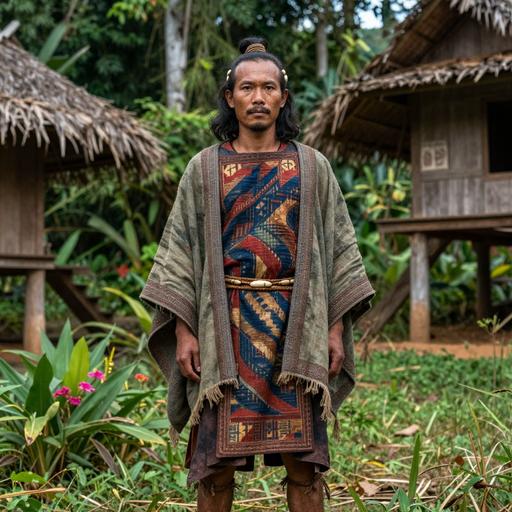
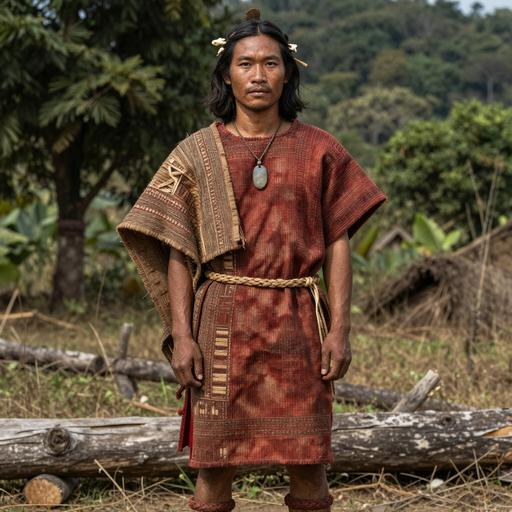
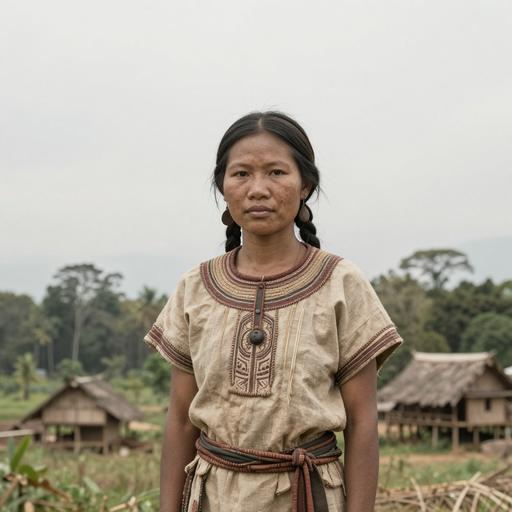
Portraits are AI-generated illustrations. Sample labels and accession IDs identify the reference records.

Portrait Sample Country Era Date Culture mtDNA Match
AI-generated illustrative portrait of IA Log Coffin individual, Yappa Nhae 2 (Mae Hong Son Province), Thailand (200-450 CE)
Sample ID: YPN009
Thailand Yappa Nhae Log Coffin Culture Iron Age 200-450 CE Yappa Nhae N8* Subclade
AI-generated illustrative portrait of IA Log Coffin individual, Yappa Nhae 2 (Mae Hong Son Province), Thailand (200-450 CE)
Sample ID: YPN017
Thailand Yappa Nhae Log Coffin Culture Iron Age 200-450 CE Yappa Nhae N8* Subclade
AI-generated illustrative portrait of IA Log Coffin individual, Yappa Nhae 2 (Mae Hong Son Province), Thailand (258-410 CE)
Sample ID: YPN016
Thailand Yappa Nhae Log Coffin Culture Iron Age 258-410 calCE (1706±21 BP; MAMS-40610) Yappa Nhae N8* Subclade
MATERNAL LINEAGE · ANCIENT DNA

Ancient lineage evidence map

Follow parent clades toward this branch and explore where ancient carriers were found.

Loading ancient observations…

Markers are archaeological find locations. A dashed connector is an uncertain, proposed geographic transition between consecutive branches supported by multiple dated observations; it is not an exact travel route, birthplace or proof of direct descent. Parent-clade samples may belong to other descendant branches. Gaps remain where evidence is insufficient. Sample dates differ from haplogroup formation dates.

Reference profile

Carrier Distribution Map

Geographic distribution of 3 ancient DNA samples (direct and subclade carriers of N8)

Subclade carrier
Time Period Filter
All Time Periods
Showing all samples
Reference profile

Temporal Distribution

Distribution of carriers across archaeological periods

Reference profile

Geographic Distribution

Counts by recorded sample country. These reflect the available reference selection, not population frequencies.

Reference profile

Country × Era Distribution

Compare recorded sample counts across countries and archaeological periods. Select a populated cell to inspect a sample.

Data

Data & Provenance

Source information and data quality

Last Updated 2026-02-16
Confidence Score 50/100
Coverage Low

Data Source

Classification, estimated dates and geographic context reflect the recorded reference data and may change as evidence is revised. Sample coverage is uneven; recorded locations and archaeological associations do not establish personal origin or cultural identity.