mtDNA · Maternal lineage

N

mtDNA Haplogroup N

A reference profile for one lineage branch. Shared haplogroups do not establish a family relationship or cultural identity.

Reference profile

Branch background

Historical context for mtDNA lineage branch N

Origins and Evolution

Haplogroup N is a primary non-African mitochondrial lineage that branched from L3 during the Late Pleistocene associated with the initial Out-of-Africa migration(s). Genetic dating and phylogenetic patterns place the origin of N at roughly ~55–65 thousand years ago (kya), probably in the Near East or northeastern Africa as modern humans expanded into Eurasia. N is a sister clade to haplogroup M; together M and N encompass nearly all non-African maternal diversity.

N itself rapidly diversified soon after its origin. One of its most important descendants is haplogroup R, which in turn gave rise to many of the well-known European, West Asian, South Asian and some Native American lineages. In addition to R, N also produced several independent branches (for example, lineages leading to A, X, N9, Y and others) that were important in early colonization and later regional differentiation across Eurasia and into the Americas and Oceania.

Subclades

Major subclades and descendant groups include:

  • R (descendant of N) — a hugely successful clade that generated many Eurasian and Native American haplogroups (H, V, J, T, U, B, etc.).
  • N1, N2, N9, and other basal N lineages — present in varying frequencies across West Eurasia and East Asia.
  • A and X — lineages derived from or placed within the broader N topology; these are important in East Asia and Native American prehistory (A widespread in Native Americans; X present in some North American groups).

Because many Eurasian haplogroups are downstream of N, the clinical and anthropological significance of N is mainly reflected via its descendants rather than a single common diagnostic mutation present across all populations.

Geographical Distribution

Haplogroup N and its descendant branches are broadly distributed across the non-African world. N-derived haplogroups dominate maternal lineages in Europe, West Asia, South Asia, East Asia, Southeast Asia, Oceania (via derived clades), and the Americas (via derived clades like A and B). Frequencies of basal N (N*) are often low or localized, but the combined presence of N and its descendants (especially R) makes this clade a major component of modern Eurasian and many Oceanian and Native American maternal gene pools.

Within Africa, true N lineages are generally rare but detectable at low frequencies in North Africa and northeastern Africa as a result of early migrations out of Africa and later back-migrations.

Historical and Cultural Significance

  • Upper Paleolithic expansion: N marks the maternal genetic signature of early modern human expansions into Eurasia during the Upper Paleolithic and is linked to coastal and inland dispersal routes taken by anatomically modern humans after leaving Africa.
  • Formation of regional populations: Descendants of N (particularly R and its subclades) were central to the formation of later Eurasian populations, contributing to the maternal makeup of hunter-gatherers and subsequent Neolithic farmer and Bronze Age groups across Europe and Asia.
  • Austronesian and Oceanic dispersals: N-derived lineages are part of the maternal signature carried by Austronesian-speaking peoples and were involved in the colonization of Island Southeast Asia, Near Oceania, and Remote Oceania (Lapita-related expansions).
  • Native American peopling: Some haplogroups important in the peopling of the Americas (A and B, which derive from the N/R lineage complex) trace their ultimate origin to this N-derived Eurasian maternal pool.

Ancient DNA studies repeatedly find lineages derived from N and R in early Eurasian remains, supporting the role of N-lineages in Paleolithic and later population movements.

Conclusion

Haplogroup N is a foundational maternal lineage outside Africa: it represents one of the key branching points immediately after the emergence of L3 and is ancestral to a large portion of present-day Eurasian, Oceanian, and Native American mtDNA diversity. Studies of N and its descendants illuminate major prehistoric migrations — the initial Out-of-Africa dispersal, Upper Paleolithic colonization of Eurasia, later Neolithic and Bronze Age movements, and island-hopping expansions into Oceania and the Americas.

Key Points

  • Origins and Evolution
  • Subclades
  • Geographical Distribution
  • Historical and Cultural Significance
  • Conclusion
Reference profile

Tree & Relationships

Phylogenetic context and subclades

Evolution Path

Follow the recorded parent branches toward N. Dates are estimates and can change as reference data is revised.

Steps Haplogroup Age Estimate Archaeology Era Time Passed Immediate Descendants Tested Modern Descendants Ancient Connections
1 N Current ~60,000 years ago Paleolithic 60,000 years 16 26,150 13
2 L3 ~70,000 years ago Paleolithic 70,000 years 7 30,162 6
3 L3'4 - - - 2 30,212 0
4 L3'4'6 - - - 2 30,216 0
5 L2'3'4'6 - - - 2 31,333 0
6 L2'3'4'5'6'7 - - - 2 31,349 0
7 L1'2'3'4'5'6'7 - - - 2 31,852 0
8 L ~160,000 years ago Paleolithic 160,000 years 2 32,236 5

Siblings (6)

Other branches from the same parent haplogroup

Reference profile

Where in the World

Geographic distribution and modern presence

Recorded origin

Near East / Northeast Africa

Modern Distribution

The populations where mtDNA haplogroup N haplogroup N is found include:

  1. Western Europeans (e.g., populations with high R-derived haplogroups such as H, V)
  2. Near Eastern populations (Levant, Arabian Peninsula, Iran)
  3. South Asians (diverse Indian subcontinent groups)
  4. East Asians (Han Chinese, Japanese, Koreans)
  5. Southeast Asians and Austronesian-speaking populations (Philippines, Indonesia, Madagascar via Austronesian link)
  6. Indigenous Australians and Papuan groups (via derived N/R clades)
  7. Native American groups (through N-derived lineages such as A and B)
  8. North African populations (low frequencies due to ancient and historic gene flow)
  9. Central Asian and Siberian groups (various N-lineages including N9, Y, A)
  10. Ancient Eurasian hunter-gatherer and early farmer remains (archaeogenetic contexts)
Historical context

A branch through time

Estimated formation in a broad historical timeline. Period markers provide context and do not imply a connection with particular cultures.

  1. ~70k years ago

    Out of Africa

    Major migration of modern humans out of Africa

  2. ~60k years ago

    Haplogroup N

    Estimated formation of this mtDNA branch; dates and locations are reference estimates.

    This branch
  3. ~50k years ago

    Upper Paleolithic

    Advanced tool-making, art, and cultural explosion

  4. ~20k years ago

    Last Glacial Maximum

    Peak of the last ice age, populations isolated

  5. ~10k years ago

    Neolithic Revolution

    Agriculture begins, settled communities form

  6. ~5k years ago

    Bronze Age

    Metalworking, writing, and early civilizations

  7. ~3k years ago

    Iron Age

    Iron tools, expanded trade networks

  8. ~2.5k years ago

    Classical Antiquity

    Greek and Roman civilizations flourish

  9. Present

    Present Day

    Modern era

Reference profile

Archaeological context

Recorded archaeological associations for mtDNA branch N

Recorded associations

These labels describe archaeological contexts recorded for reference samples linked to N. An association does not establish that all carriers belonged to a culture or followed a particular migration route.

Austria_Avar Bohemian Hunter-Gatherer Buran-Kaya Corded Ware Dzudzuana Early Avar Early Bronze Anatolia France_Megalithic_MN Funnel Beaker Culture Gonur Culture Hetian Culture Iraqi PPN Peștera cu Oase Welsh Neolithic
Culture assignments are based on archaeological context of ancient DNA samples and may represent regional associations during specific time periods.
Reference profile

Sample Catalog

7 direct carriers and 6 subclade carriers of haplogroup N

10 shown · 13 matching samples

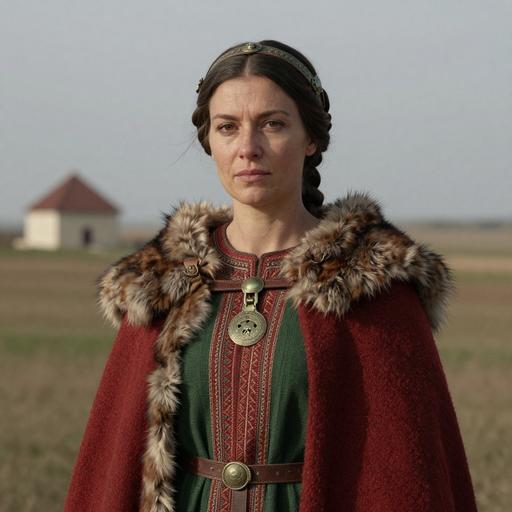
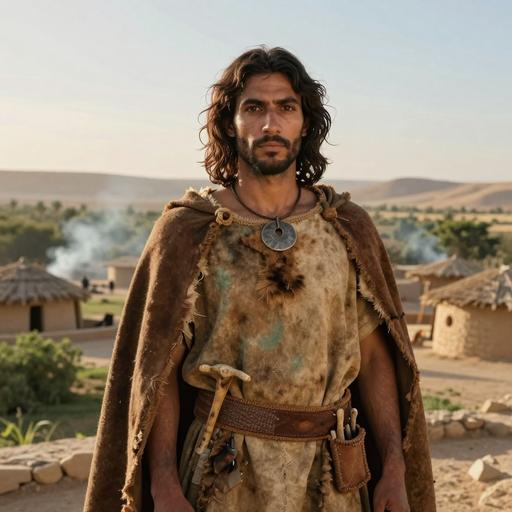
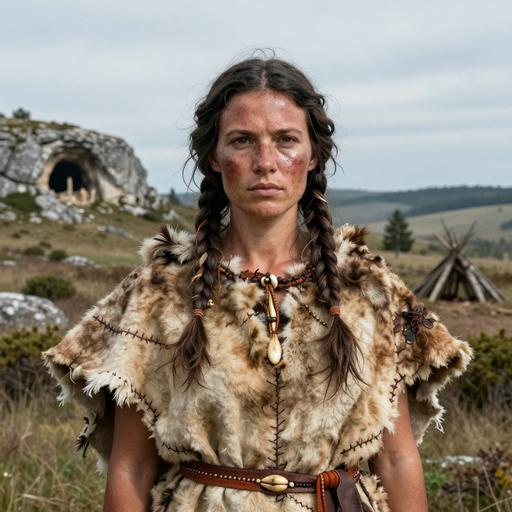
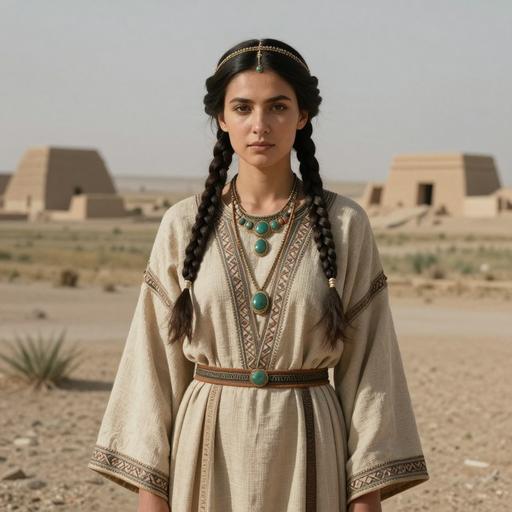
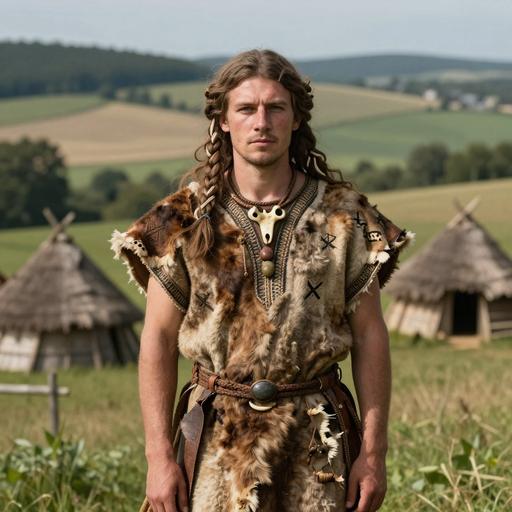
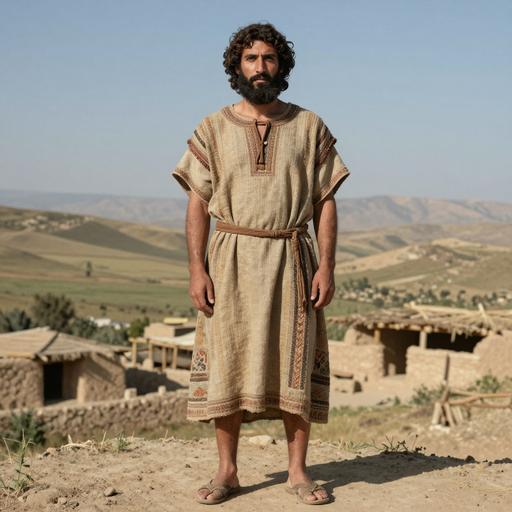
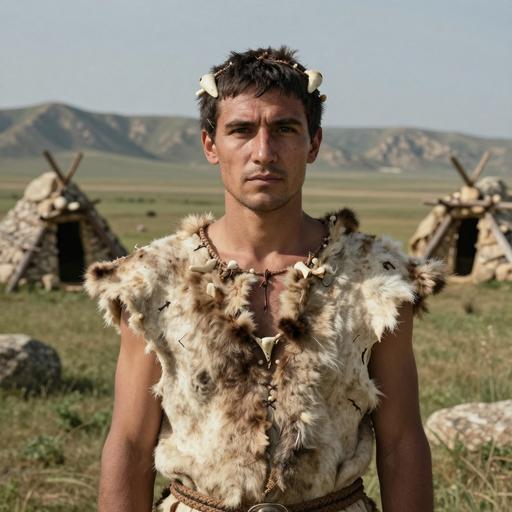
Portraits are AI-generated illustrations. Sample labels and accession IDs identify the reference records.

Portrait Sample Country Era Date Culture mtDNA Match
AI-generated illustrative portrait of Silk Road Civilizations individual, Xinjiang. Hetian Region. Luopu County. Hetian, China (1-400 CE)
Sample ID: C391
China Historical Period Hetian, Xinjiang, China 1 CE - 400 CE Hetian Culture N Direct
AI-generated illustrative portrait of Elite Early Avar-o High East Asia individual, Bács-Kiskun County. Kunpeszér-Felsőpeszériút. Homokbánya, Hungary (541-643 CE)
Sample ID: KFP-7
Hungary Hungary EarlyAvar 541-643 calCE (1495±30 BP) Early Avar N Direct
AI-generated illustrative portrait of European Neolithic individual, Bohemia. Kolín-Šťáralka, Czech Republic (3,800-3,500 BCE)
Sample ID: KOB003
Czech Republic Neolithic Funnel Beaker Culture, Bohemia, Czech Republic 3800 BCE - 3500 BCE Funnel Beaker Culture N Direct
AI-generated illustrative portrait of Fertile Crescent Civilization individual, Bestansur, Iraq (8,000-7,000 BCE)
Sample ID: I8959
Iraq Iraq PPN 8000 BCE - 7000 BCE Iraqi PPN N Direct
AI-generated illustrative portrait of Pre-Agricultural Caucasian individual, Dzudzuana Cave (Imereti, Raion Chiatura, Chiatura), Georgia (25,550-23,250 BCE)
Sample ID: I11857
Georgia Dzudzuana Cave Culture 25550 BCE - 23250 BCE Dzudzuana N Direct
AI-generated illustrative portrait of Pre-Agricultural Caucasian individual, Dzudzuana Cave (Imereti, Raion Chiatura, Chiatura), Georgia (25,550-23,250 BCE)
Sample ID: I11857
Georgia Dzudzuana Cave Culture 25550 BCE - 23250 BCE Dzudzuana N Direct
AI-generated illustrative portrait of European Hunter-Gatherers individual, Bohemia. Koněprusy Caves. Zlatý kůň, Czech Republic (33,749-30,151 BCE)
Sample ID: ZKU002
Czech Republic Upper Paleolithic to Hunter-Gatherer in Bohemia 33749 BCE - 30151 BCE Bohemian Hunter-Gatherer N Direct
AI-generated illustrative portrait of Grand Est Bas Rhin EBA individual, Alsace. Lingolsheim, France (2,461-2,206 BCE)
Sample ID: TU918(SX32)
France Early Bronze Age Lingolsheim, Alsace, France 2461-2206 calBCE (3862±34 BP, BE-8009.1.1) Lingolsheim Culture N1 Subclade
AI-generated illustrative portrait of BA1-1 individual, Gonur, Turkmenistan (2,500-1,600 BCE)
Sample ID: I6126
Turkmenistan Bronze Age Gonur 2500-1600 BCE Gonur Culture N2 Subclade
AI-generated illustrative portrait of Czechia EBA Corded Ware individual, Bohemia. Vliněves, Czech Republic (2,900-2,650 BCE)
Sample ID: VLI015
Czech Republic Corded Ware Culture, Bohemia, Czech Republic 2900-2650 BCE Corded Ware N2 Subclade
MATERNAL LINEAGE · ANCIENT DNA

Ancient lineage evidence map

Follow parent clades toward this branch and explore where ancient carriers were found.

Loading ancient observations…

Markers are archaeological find locations. A dashed connector is an uncertain, proposed geographic transition between consecutive branches supported by multiple dated observations; it is not an exact travel route, birthplace or proof of direct descent. Parent-clade samples may belong to other descendant branches. Gaps remain where evidence is insufficient. Sample dates differ from haplogroup formation dates.

Reference profile

Carrier Distribution Map

Geographic distribution of 13 ancient DNA samples (direct and subclade carriers of N)

Direct carrier Subclade carrier
Time Period Filter
All Time Periods
Showing all samples
Reference profile

Temporal Distribution

Distribution of carriers across archaeological periods

Reference profile

Geographic Distribution

Counts by recorded sample country. These reflect the available reference selection, not population frequencies.

Reference profile

Country × Era Distribution

Compare recorded sample counts across countries and archaeological periods. Select a populated cell to inspect a sample.

Data

Data & Provenance

Source information and data quality

Last Updated 2026-02-09

Data Source

Classification, estimated dates and geographic context reflect the recorded reference data and may change as evidence is revised. Sample coverage is uneven; recorded locations and archaeological associations do not establish personal origin or cultural identity.

A haplogroup follows one maternal or paternal line. The branch prediction depends on which markers the DNA file contains. How our analysis works