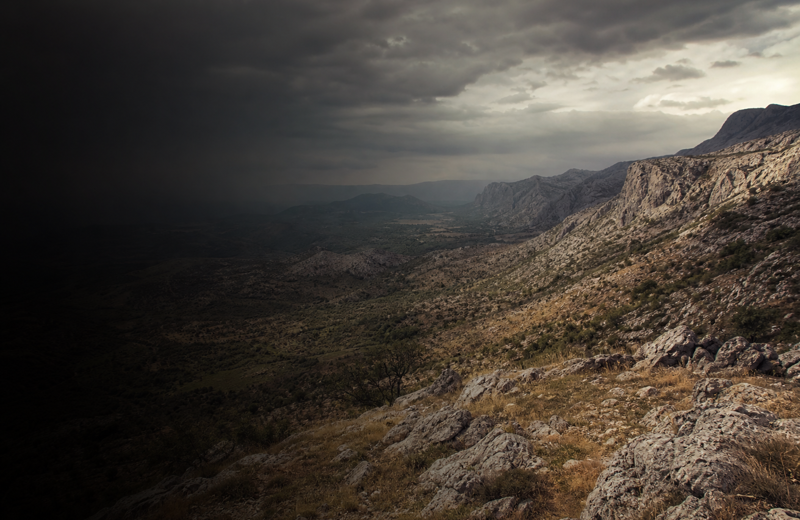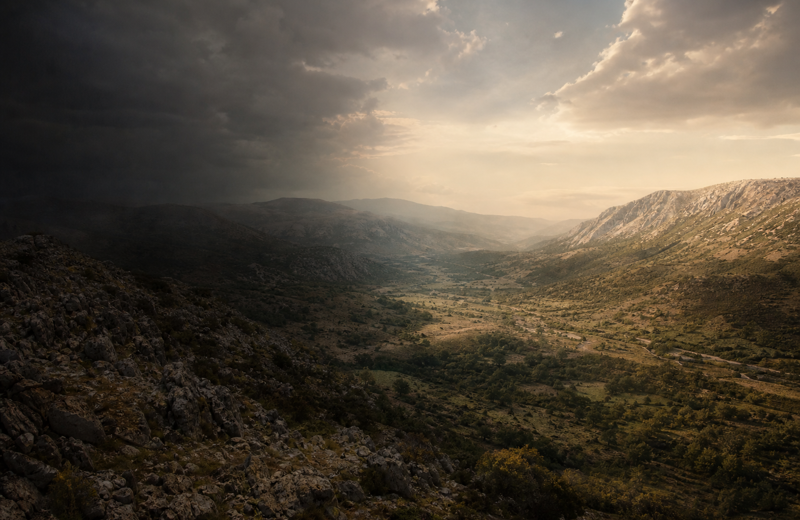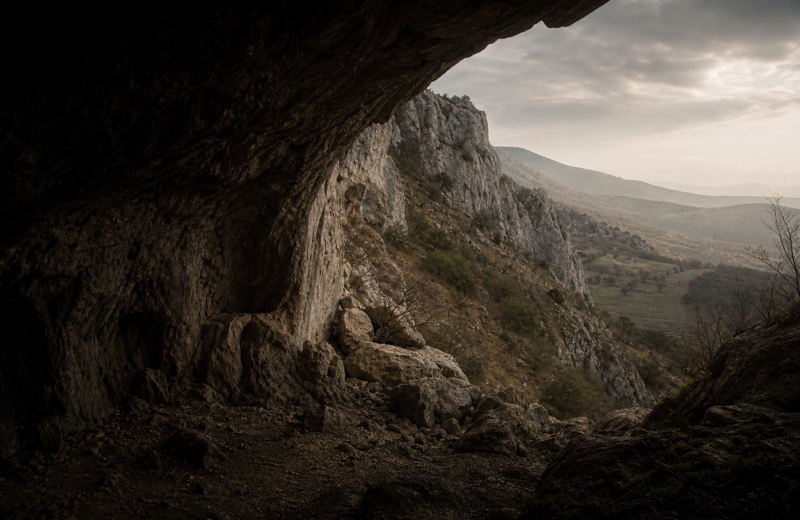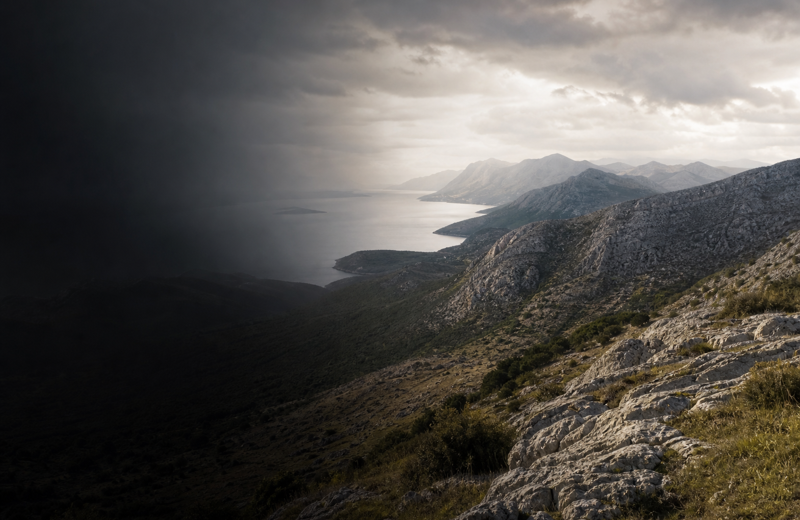
Coastal Iron: Croatia_EIA
Early Iron Age lives on the Dalmatian karst — bones, caves, and maternal lineages

DNA Spotlights · Ancient and Historical Cultures
Download PDF creates a visual, rasterized copy. Use Print for selectable text and better assistive-technology support.
Explore the places, time periods, and published research behind ancient DNA samples and the cultures associated with them.
Browse the collection397–408 of 1,627 spotlights
Early Iron Age lives on the Dalmatian karst — bones, caves, and maternal lineages
Early Starčevo settlers in Croatia, 5650–5450 BCE — where fields and genes first meet
Bones, places and genomes trace lives across Croatia, 650–1250 CE
Early medieval community in eastern Croatia where local and steppe threads meet
Small DNA window into 7th–8th century Slavic life in eastern Croatia
Material traces and ancestral mitochondria from Velim-Kosa and Jazinka Cave
Jakovo graves (400–600 CE) illuminate Gepidic presence in Serbia with preliminary DNA signals
Six individuals from Jagodnjak-Krcevine; DNA links farmer ancestry with older lineages
Archaeology and ancient DNA illuminate coastal towns and inland fortresses, 200–800 CE
Archaeology and ancient DNA illuminate communities of the Cetina Valley and Dalmatian hinterland.
Riverine communities in Dalmatia whose maternal lineages illuminate Bronze Age connections
Maternal lineages and archaeology from Bezdanjača Cave, 2000–800 BCE