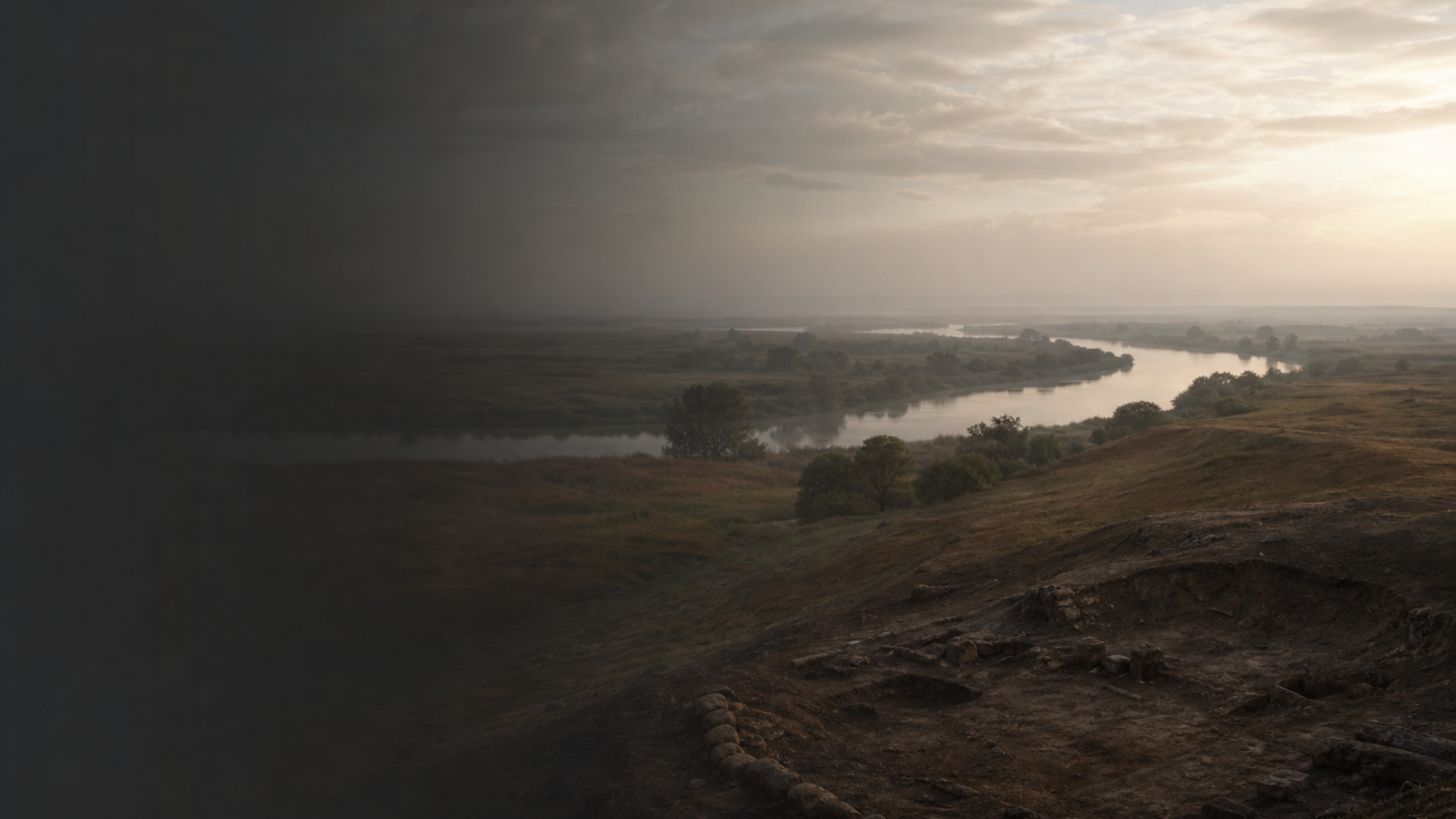
Daily life in the Early Slavic horizon around Jagodnjak would have been shaped by seasonal rhythms, small-scale agriculture, animal husbandry, and riverine resources. Archaeological finds from comparable regional cemeteries and settlements indicate modest material culture: simple pottery, iron tools, and personal ornaments. Skeletal remains hint at strenuous lives — healed fractures, dental wear, and evidence of repetitive labor — consistent with agrarian and craft activities.
Households were likely organized around family units with flexible social ties: kinship networks mattered, but mobility and alliance-building through marriage and exchange also shaped communities. Burial practices at Jagodnjak reflect beliefs about identity and memory: position of the body, grave goods, and cemetery layout provide clues to status differences, age groups, and perhaps gendered roles. The landscape itself — a mix of arable plots and wetlands — encouraged mixed economies and fostered trade along waterways.
Archaeology paints an evocative picture: smoke rising from turf-roofed houses, seasonal markets where metalworkers and potters met travelers, and communal rites at cemetery edge. Yet many specifics about social hierarchy, belief systems, and daily rituals remain invisible in the record and require cautious interpretation.