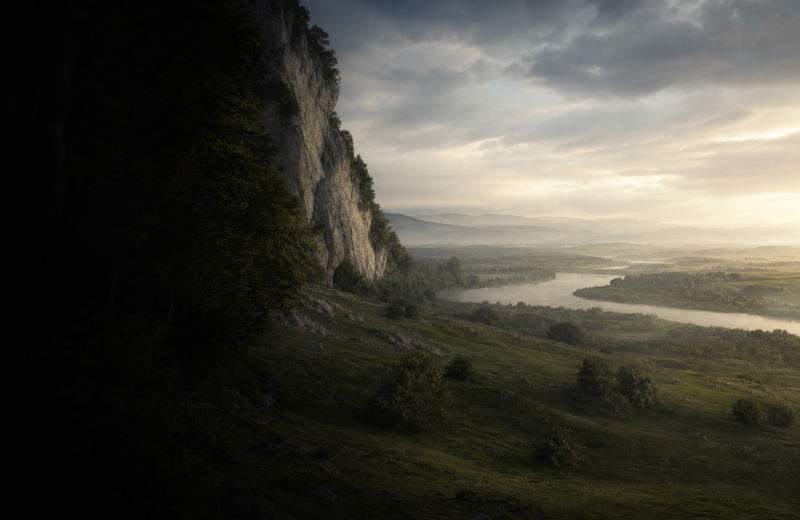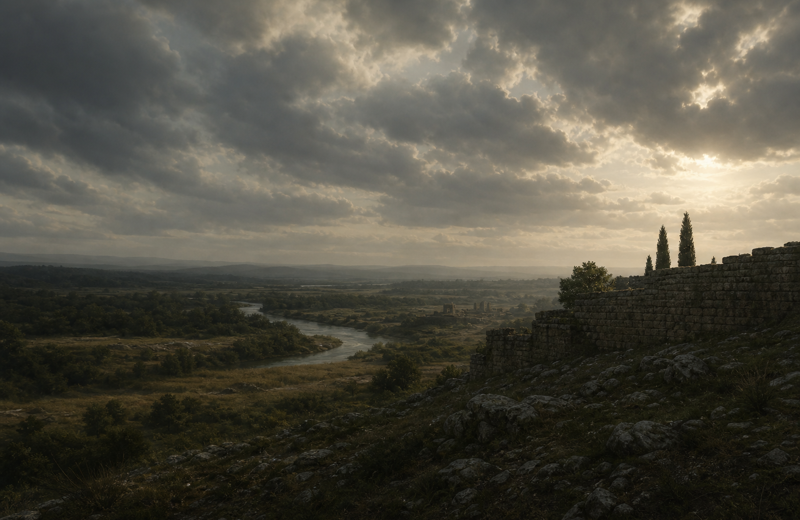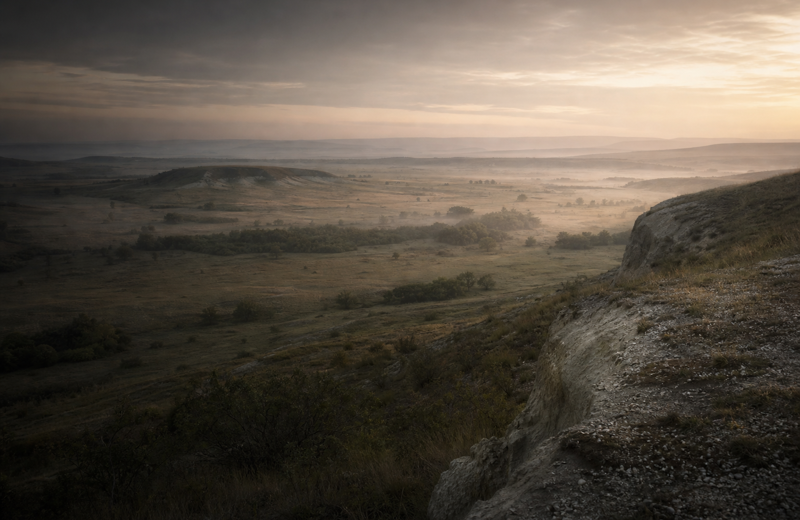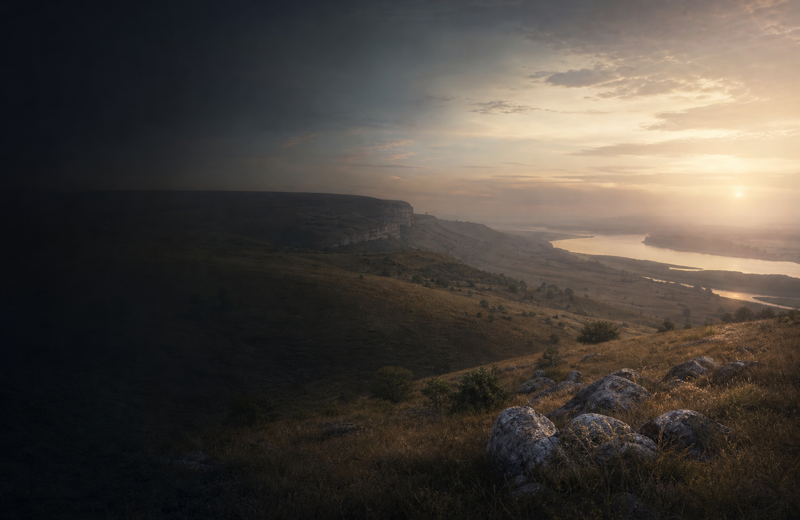
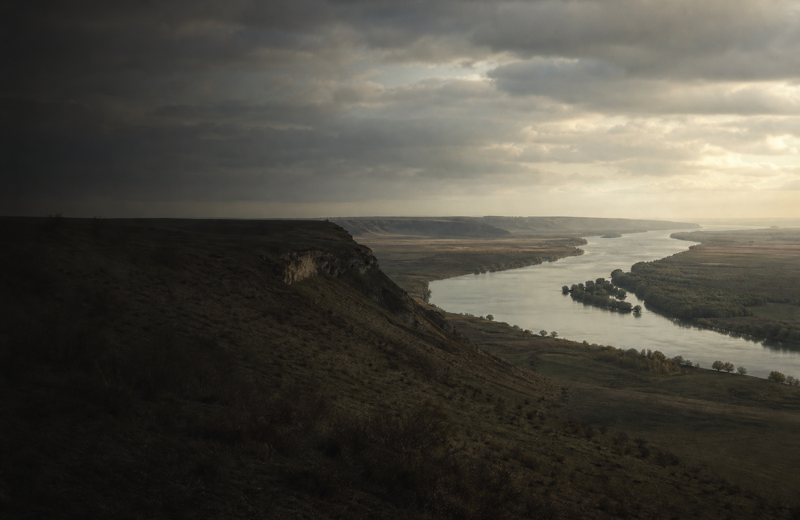
Balkan Neolithic: Farmers of the Danube
A genetic and archaeological portrait of Neolithic communities across Bulgaria, North Macedonia and Montenegro
DNA Spotlights · Ancient and Historical Cultures
Download PDF creates a visual, rasterized copy. Use Print for selectable text and better assistive-technology support.
Explore the places, time periods, and published research behind ancient DNA samples and the cultures associated with them.
Browse the collection1–12 of 30 spotlights
A genetic and archaeological portrait of Neolithic communities across Bulgaria, North Macedonia and Montenegro

Chalcolithic communities of the lower Danube revealed through archaeology and DNA
A Roman-period community in Pannonia revealing mobility, multicultural ties, and early genetic glimpses
Neolithic farmers along the Danube (5500–4500 BCE) where archaeology meets ancient genomes
A provincial Roman community on the Danube where archaeology meets early ancient DNA
A glimpse into Roman-period life at Ovilava through archaeology and a small set of ancient genomes
Neolithic settlements in Lower Austria, 5500–4775 BCE — archaeology meeting ancient DNA
Riverside farming community on the Lower Danube, 5800–5400 BCE
Five late‑Roman individuals from Osijek reveal a mosaic of Mediterranean and continental threads
12 Early Avar burials (600–670 CE) show a strong Y‑DNA N signal and East Eurasian maternal lineages in central Hungary.
Genetic echoes from 400–500 CE on the Danube‑Tisza interfluve
A fragmentary genetic portrait from 7 Late Avar burials in central Hungary
Our guides explain the methods we use, from population comparisons to matching segments of DNA.