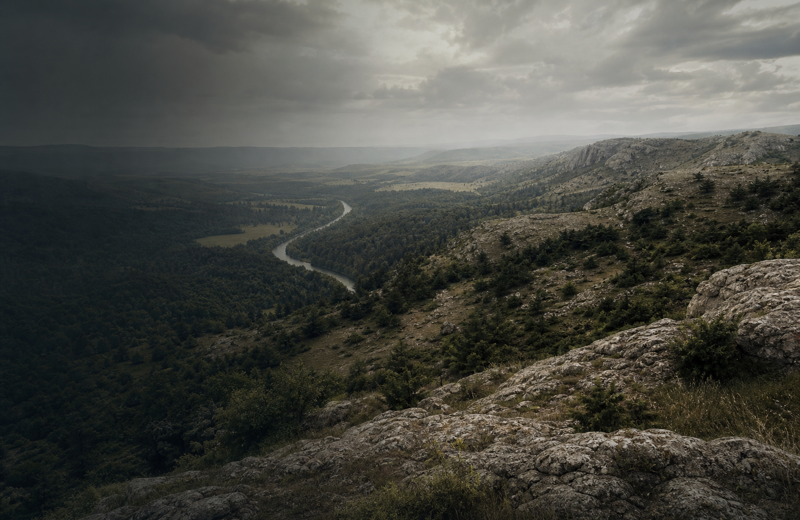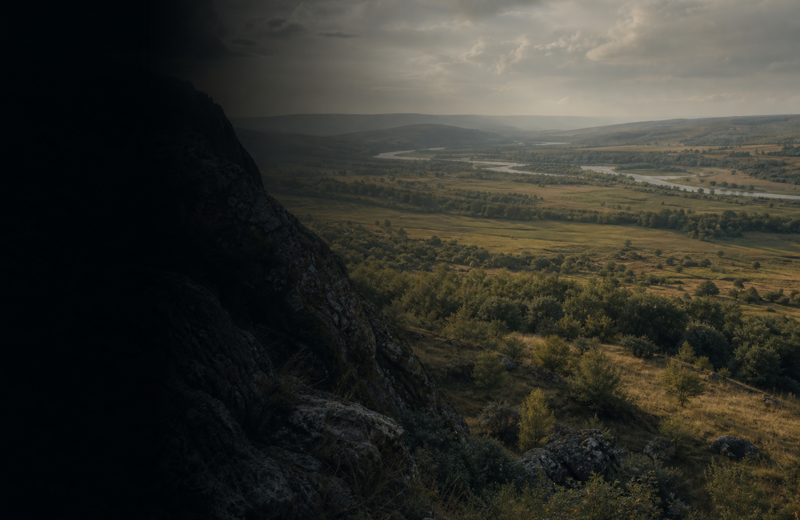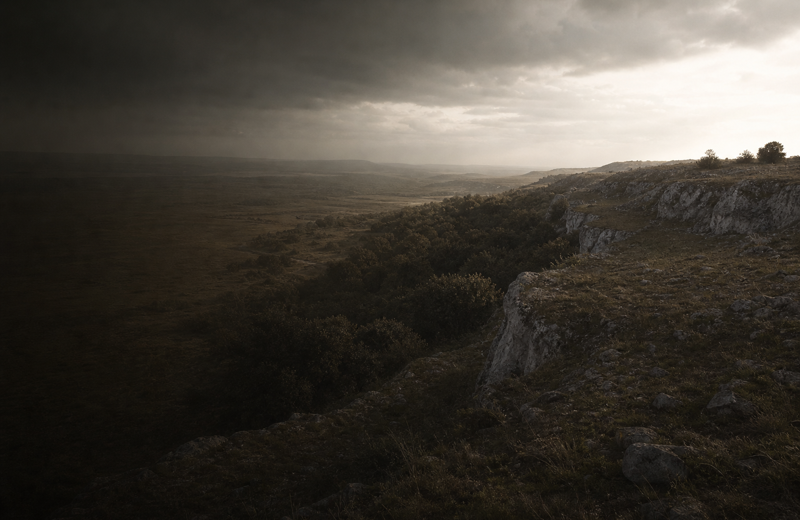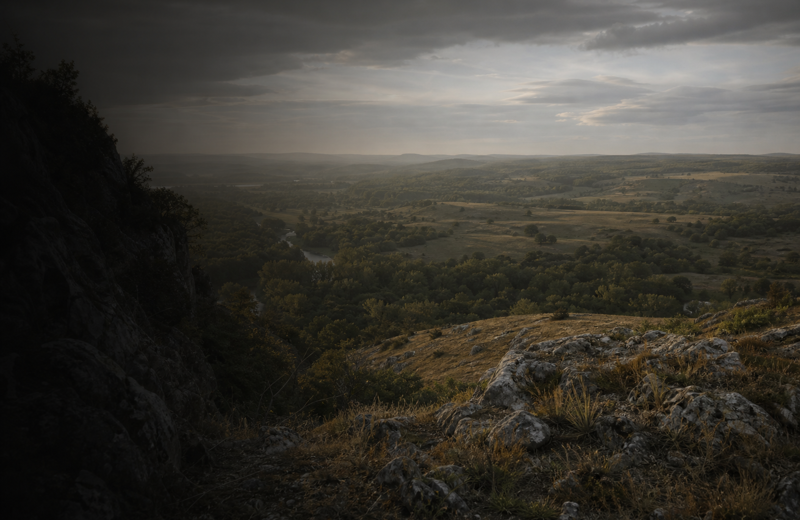
Kleinhadersdorf LBK: Dawn of Farming
An Early Neolithic presence in Lower Austria seen through potsherds and a single ancient genome

DNA Spotlights · Ancient and Historical Cultures
Download PDF creates a visual, rasterized copy. Use Print for selectable text and better assistive-technology support.
Explore the places, time periods, and published research behind ancient DNA samples and the cultures associated with them.
Browse the collection1–12 of 21 spotlights
An Early Neolithic presence in Lower Austria seen through potsherds and a single ancient genome
Early Neolithic settlers (5500–4775 BCE) at Kleinhadersdorf and Ratzersdorf — archaeology meets DNA
Fortified LBK settlement in Austria; one genome offers a cautious glimpse into early farmer life.
A lone genome at the frontier between Mesolithic foragers and LBK farmers
Neolithic farmers along the Danube (5500–4500 BCE) where archaeology meets ancient genomes
A single Early Neolithic voice from the loess plains, linking archaeology and ancient DNA
A single ancient maternal voice from Austria’s first farmers
A lone genome at the frontier between Mesolithic hunter‑gatherers and LBK farmers in Austria.
The LBK communities around Asparn-Schletz and Brunn, where pottery, longhouses and genomes meet
Neolithic settlements in Lower Austria, 5500–4775 BCE — archaeology meeting ancient DNA
LBK communities around Asparn Schletz revealed by archaeology and ancient DNA
The LBK farmers of Germany (5500–4727 BCE) as seen in pottery, longhouses, and genomes
Our guides explain the methods we use, from population comparisons to matching segments of DNA.