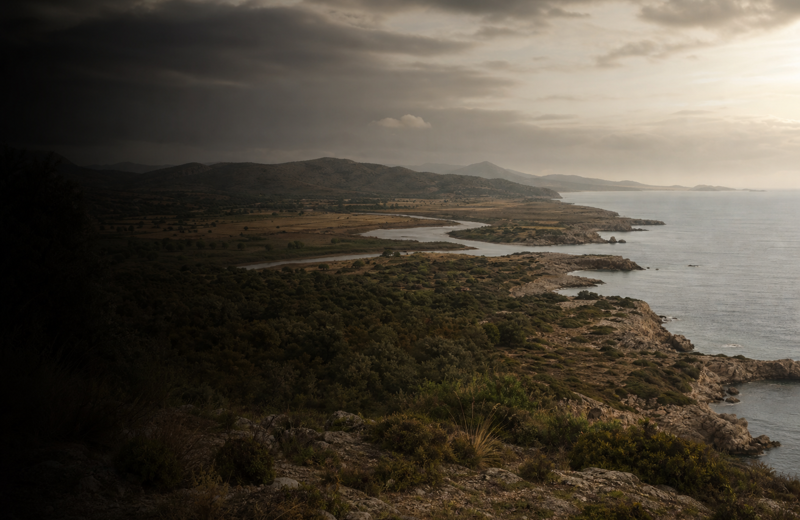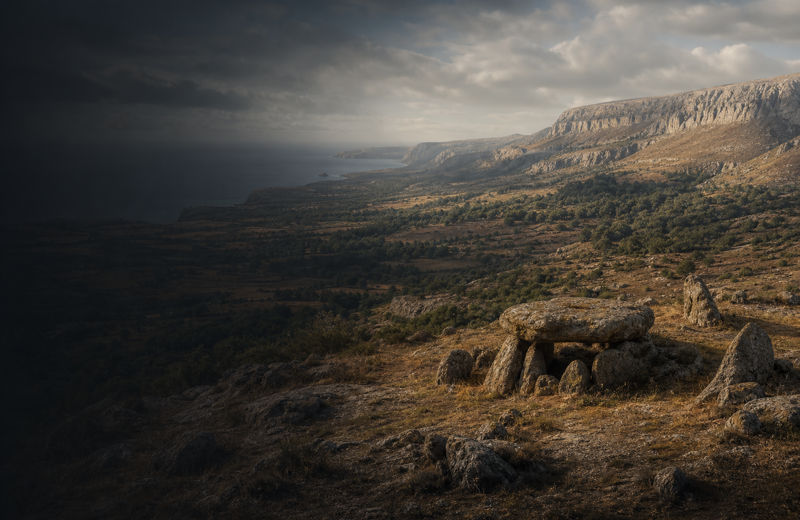
Iberian Neolithic: Farmers of the Atlantic Edge
4700–2500 BCE Spain: caves, tombs and DNA illuminate the first farming communities
DNA Spotlights · Ancient and Historical Cultures
Download PDF creates a visual, rasterized copy. Use Print for selectable text and better assistive-technology support.
Explore the places, time periods, and published research behind ancient DNA samples and the cultures associated with them.
Browse the collection1–12 of 28 spotlights
4700–2500 BCE Spain: caves, tombs and DNA illuminate the first farming communities
Archaeology and DNA illuminating lives across 680–1700 CE
Three hospital burials in Mexico City illuminate early African lineages amid colonial upheaval.
An archaeological and DNA portrait across Spain's regions and islands
Archaeology and DNA from 2100–1300 BCE across Iberia's caves and sites
Hunter-gatherers of Asturias (6589–5626 BCE): coastal life in shell, bone, and DNA
Echoes of Frankish rule and local Iberian resilience in northeastern Spain (785–810 CE)
3800–1700 BCE communities across Basque Country to Murcia, revealed by archaeology and DNA
Early Neolithic communities (5474–4367 BCE) across Iberia traced by archaeology and ancient DNA
A cinematic look at people, metal, and genes across Iberia (2343–1150 BCE)
Ancient hunter-gatherers of Spain seen through archaeology and DNA
Ancient DNA from Empúries links Greek-era coastal lifeways to Mediterranean mobility
Our guides explain the methods we use, from population comparisons to matching segments of DNA.